rubber shaft seals
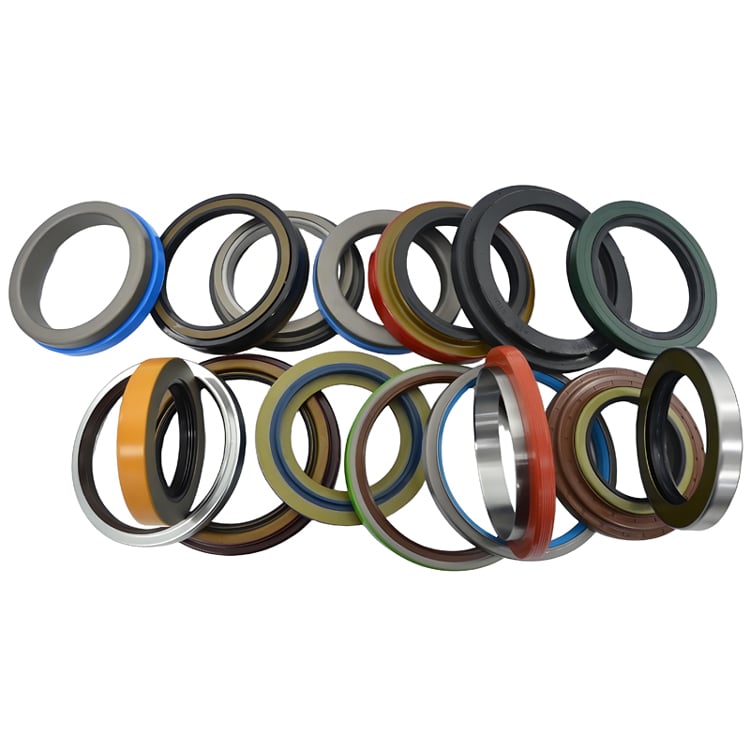
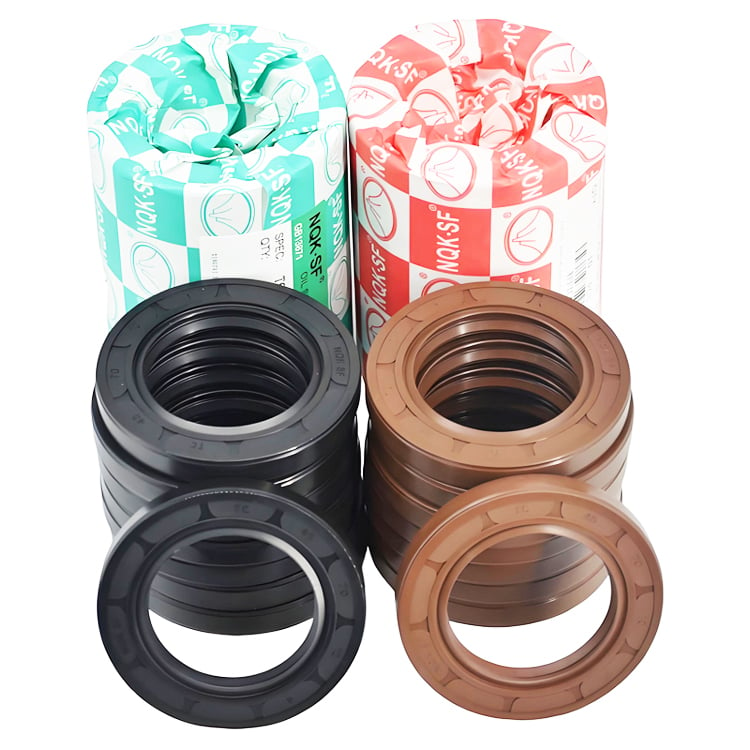
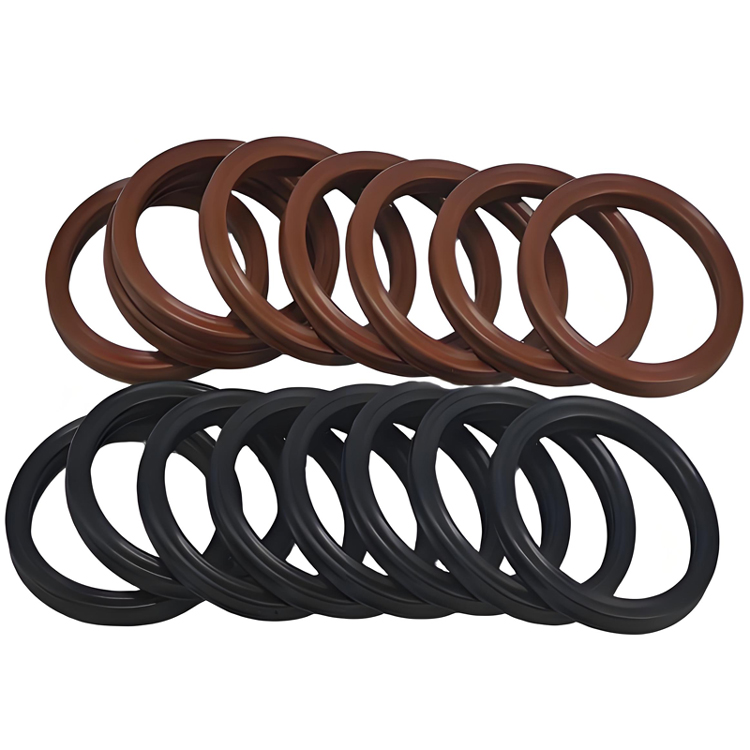
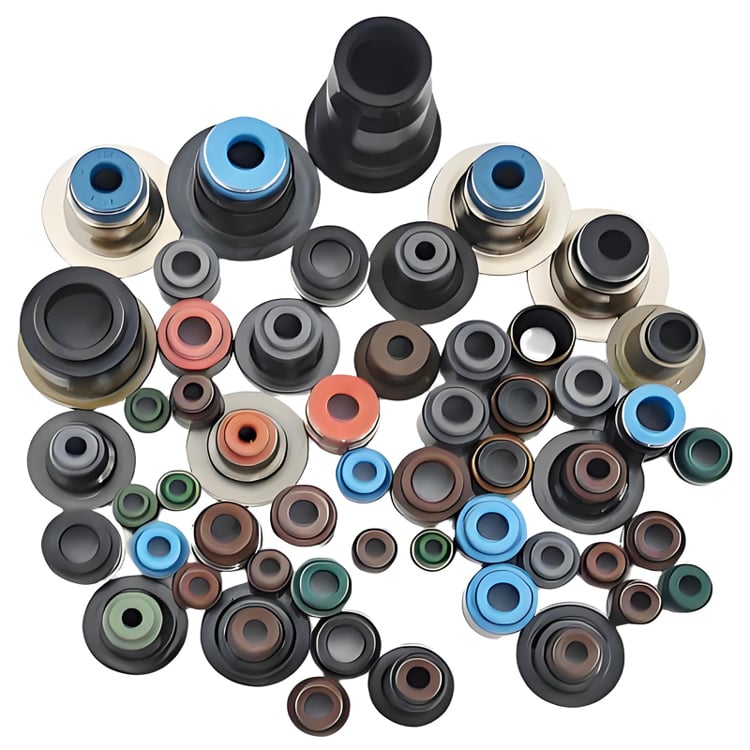
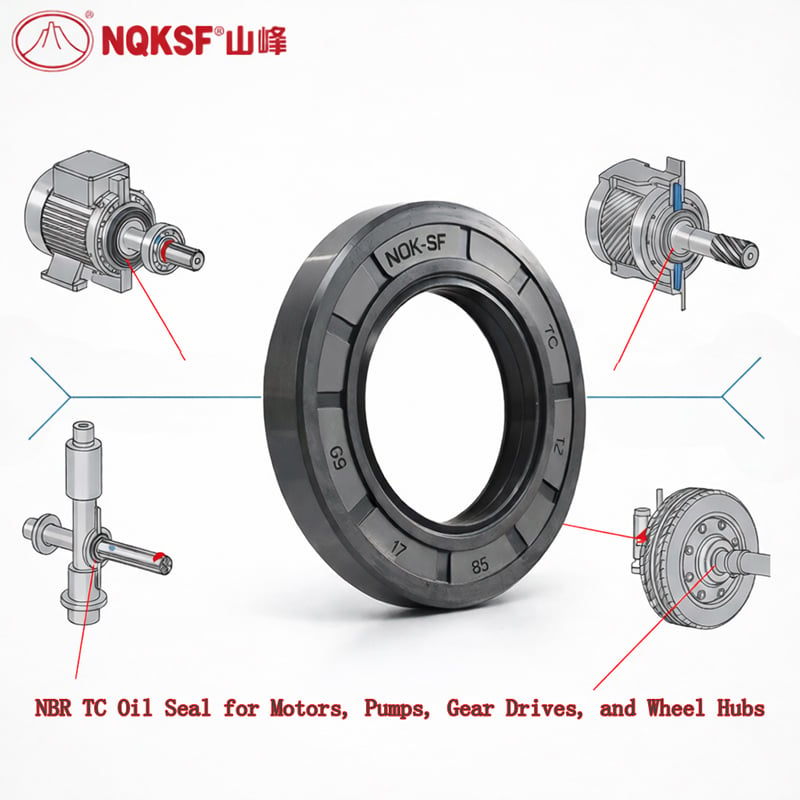
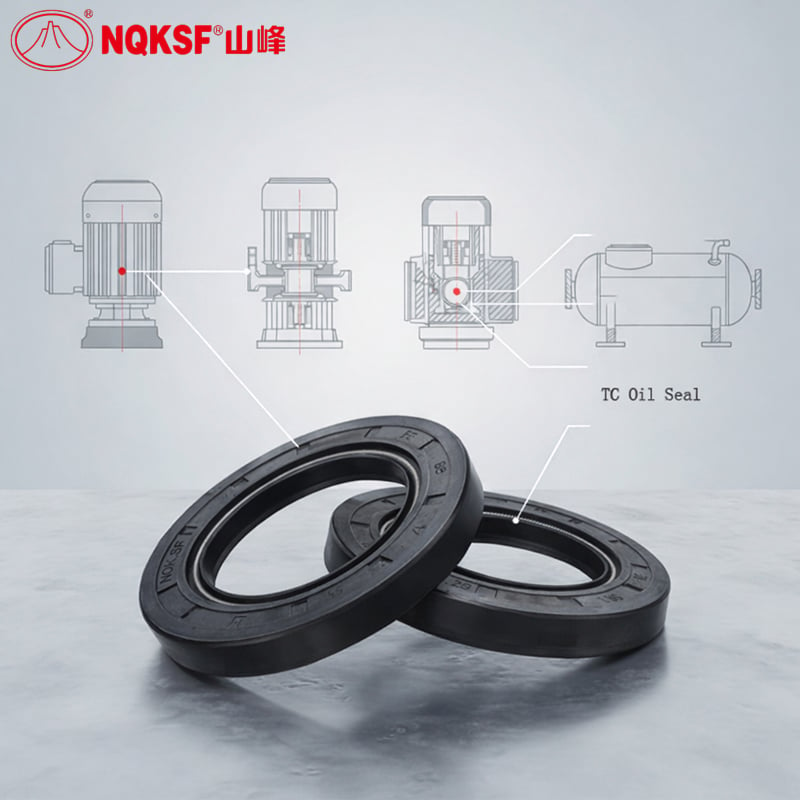
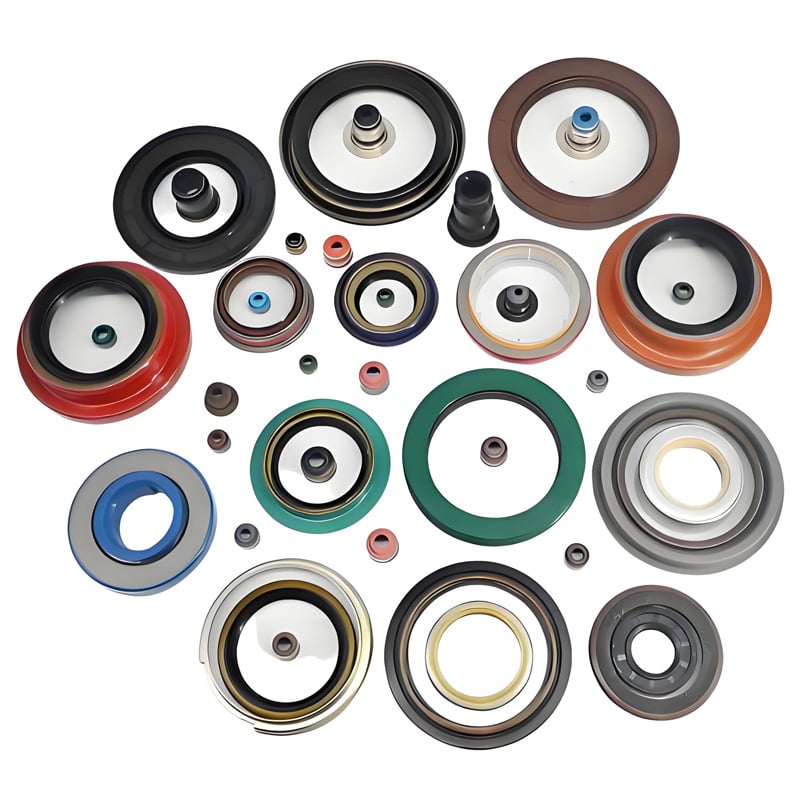
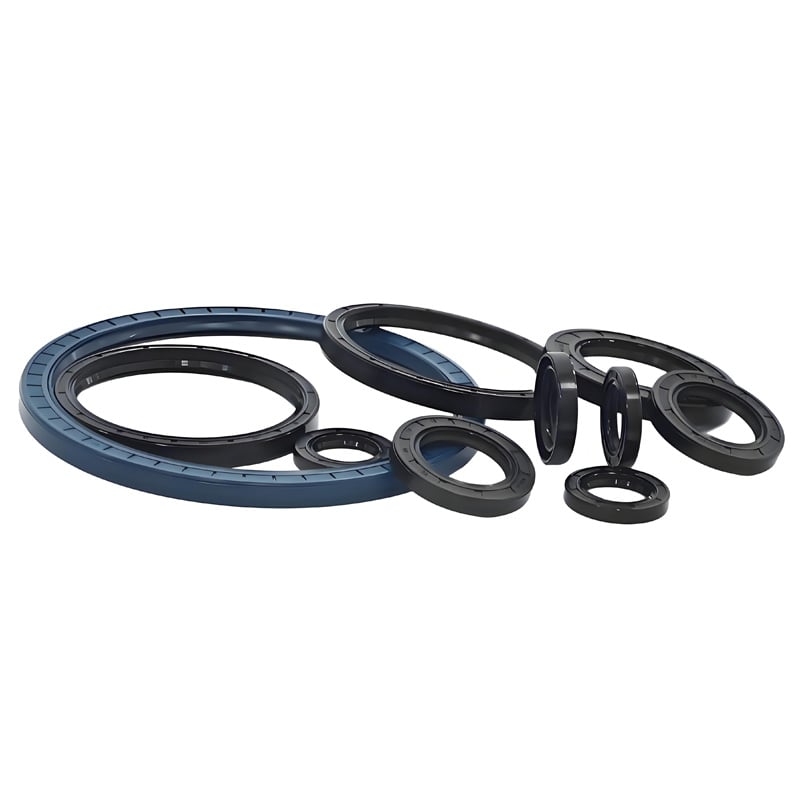
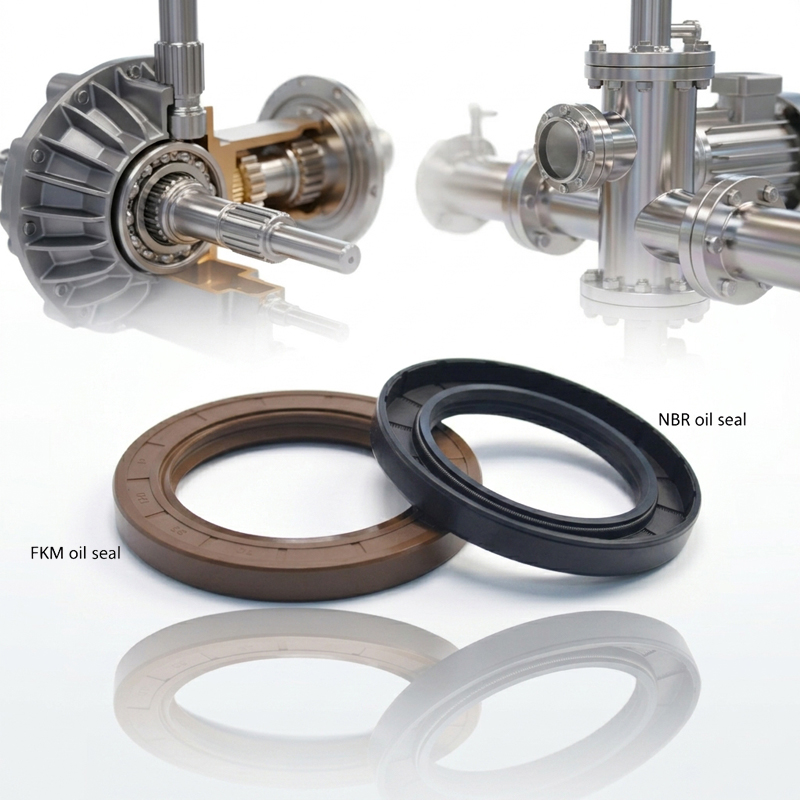
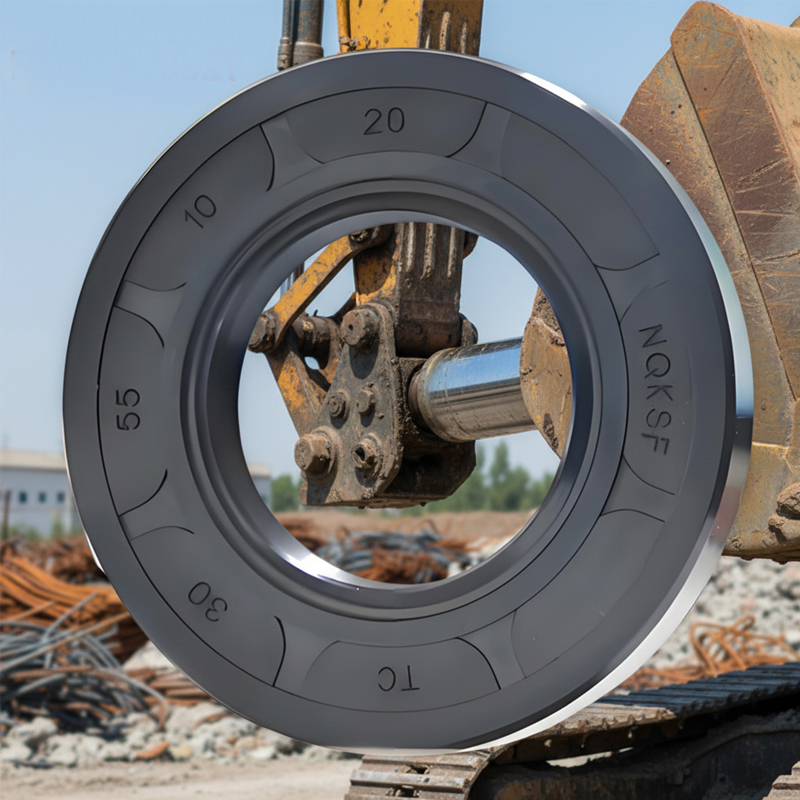
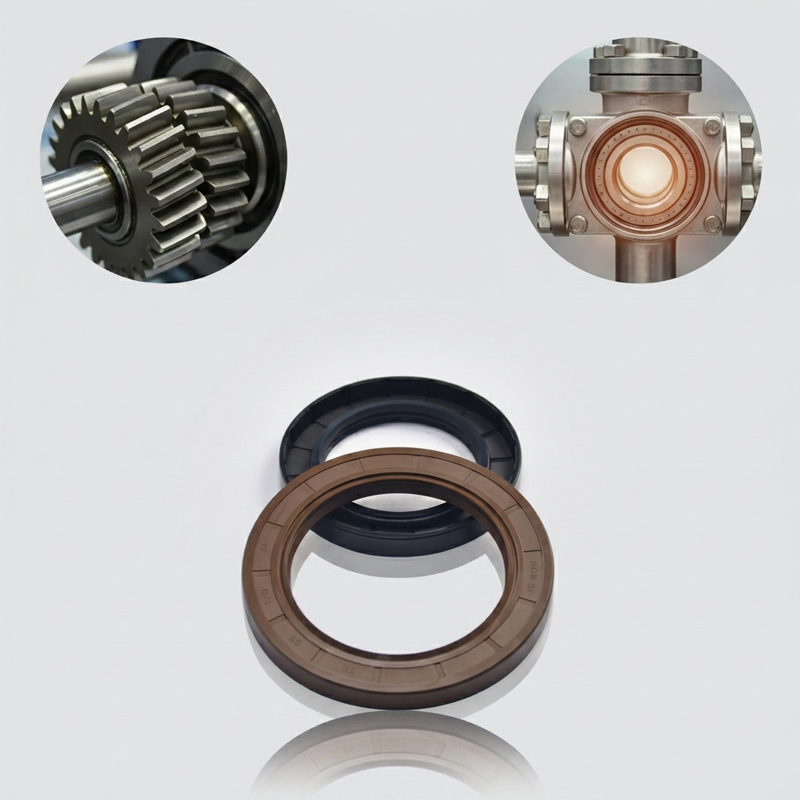
Rubber shaft seals represent a critical component in modern machinery and equipment design, engineered to prevent fluid leakage and protect internal mechanisms from contamination. These precision-engineered devices are specifically designed to create a reliable barrier between rotating or reciprocating shafts and the surrounding environment. The primary function of rubber shaft seals involves maintaining system integrity by preventing lubricant escape while blocking external contaminants from entering sealed chambers. Rubber shaft seals utilize advanced elastomer materials combined with precision mechanical design to deliver superior performance across demanding industrial applications. The technological features of modern rubber shaft seals include dual-lip configurations, spring-loaded designs, and specially formulated compound materials that resist temperature fluctuations and aggressive chemical environments. These components operate effectively across a wide temperature range, from sub-zero conditions to high-heat applications, making rubber shaft seals indispensable in manufacturing facilities, automotive systems, and hydraulic equipment. The construction of rubber shaft seals involves careful material selection, including synthetic rubber compounds, PTFE components, and reinforced elastomers that provide exceptional durability and longevity. Applications for rubber shaft seals span numerous industries, including automotive manufacturing, industrial machinery, agricultural equipment, marine systems, and food processing operations. Whether protecting pump shafts, motor components, or hydraulic cylinders, rubber shaft seals deliver consistent performance and reliability. Industries rely on rubber shaft seals to reduce maintenance costs, extend equipment lifespan, and ensure safe operational conditions. The versatility and effectiveness of rubber shaft seals make them a foundational element in equipment design across virtually every industrial sector.

 EN
EN