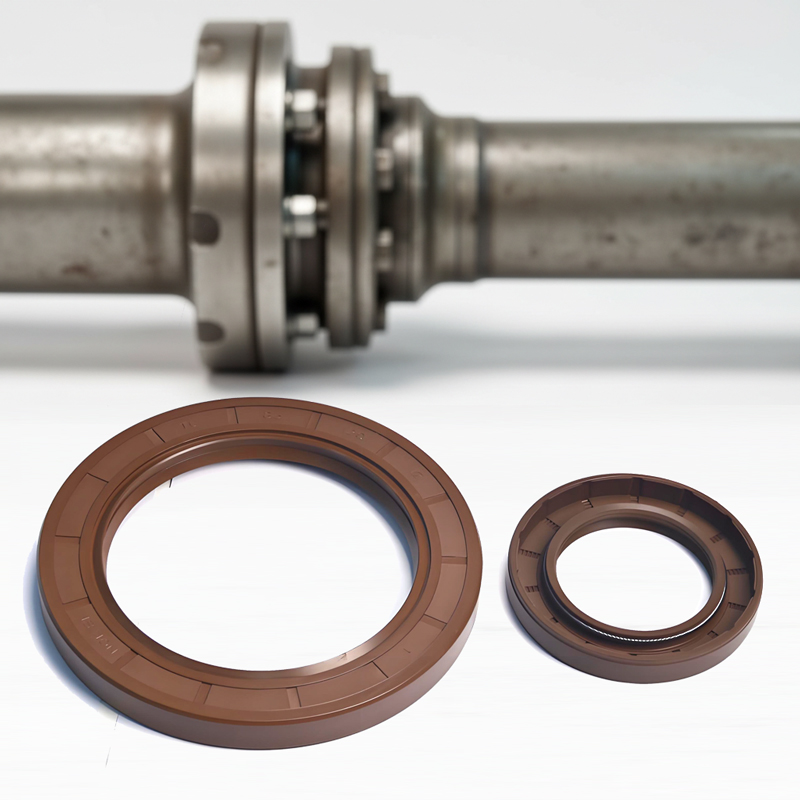
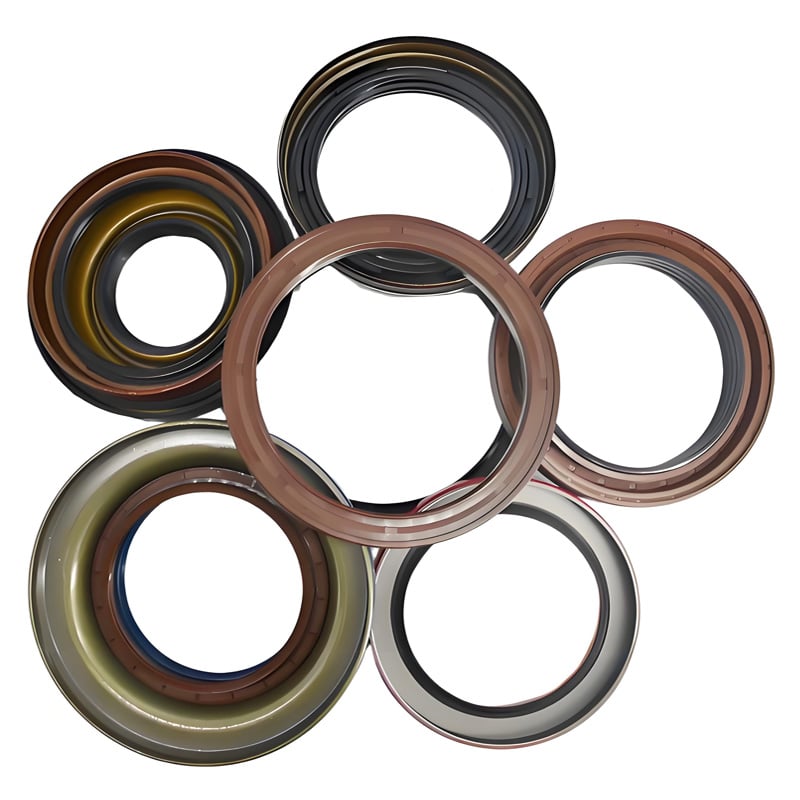
seal rotary shaft
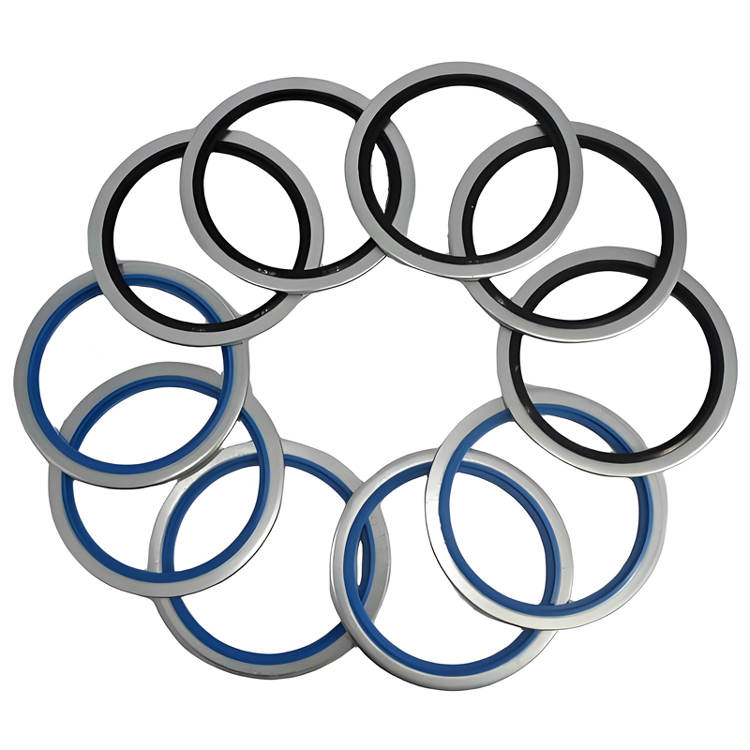
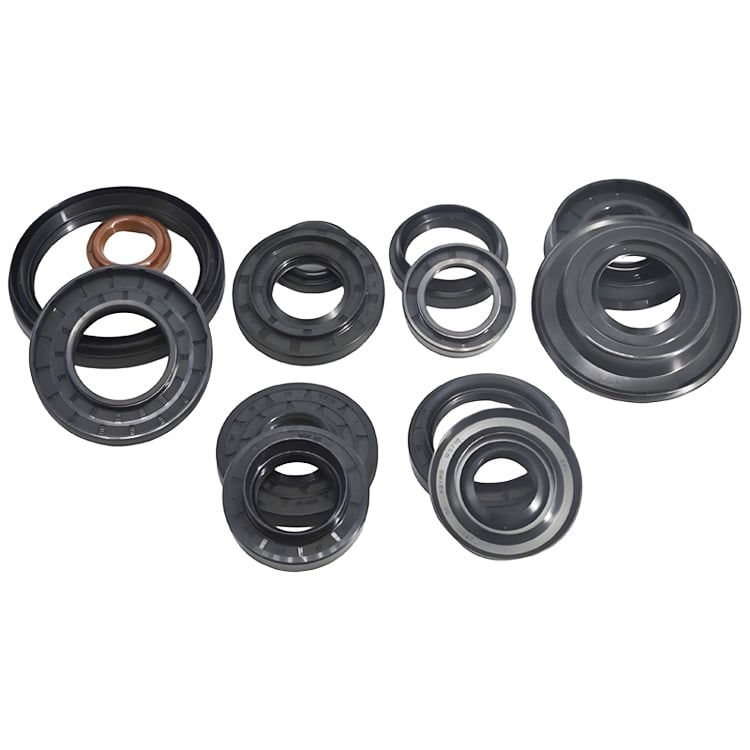
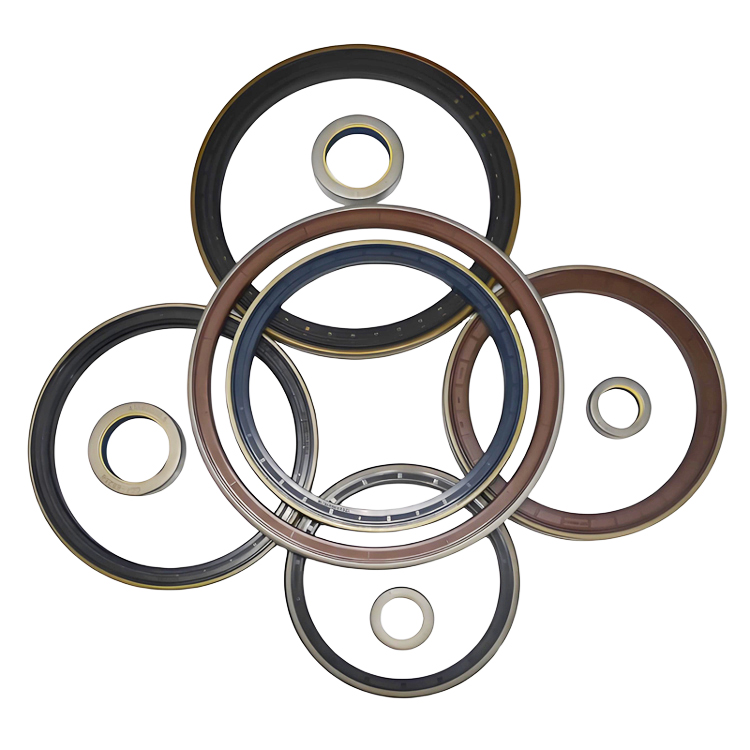
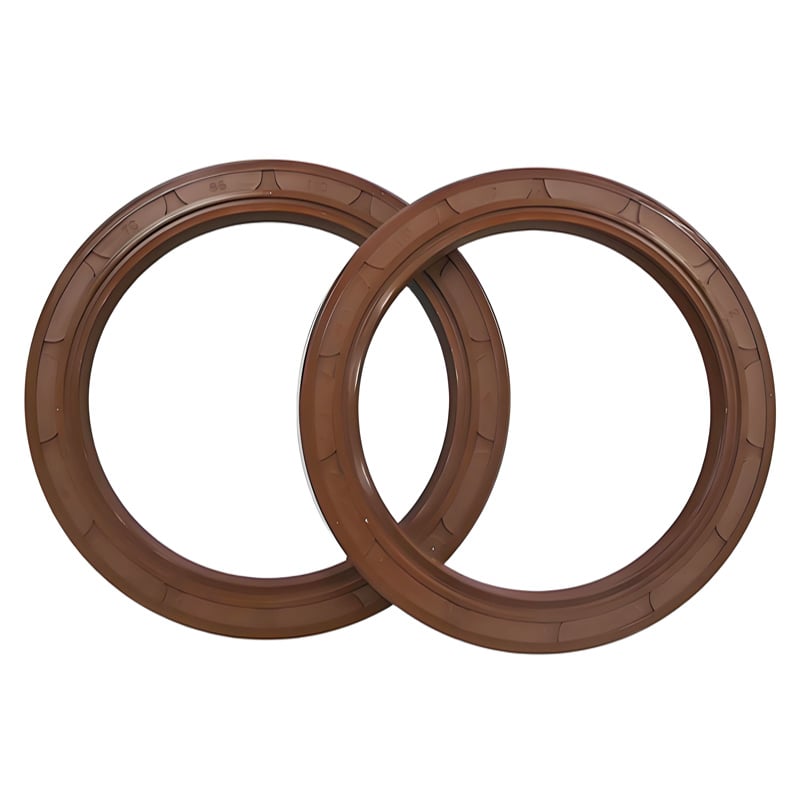
A seal rotary shaft is a precision-engineered mechanical component designed to prevent fluid leakage while maintaining smooth rotational movement in dynamic sealing applications. This critical component serves as the rotating element in sealing systems, allowing shafts to spin freely while containing pressurized fluids or gases within equipment housings.
The seal rotary shaft operates by creating a controlled interface between stationary and moving parts, effectively blocking unwanted leakage pathways. Its primary function involves accommodating rotational speeds while sustaining pressure differentials across sealing surfaces. Modern seal rotary shaft designs incorporate advanced materials and surface treatments that enhance durability and reduce friction losses.
Key technological features of the seal rotary shaft include precision surface finishing, specialized coating systems, and engineered geometry optimized for specific pressure and speed ranges. These features enable the seal rotary shaft to withstand extreme operating conditions while maintaining reliable performance. The component's design considers thermal expansion, material compatibility, and environmental factors affecting long-term service life.
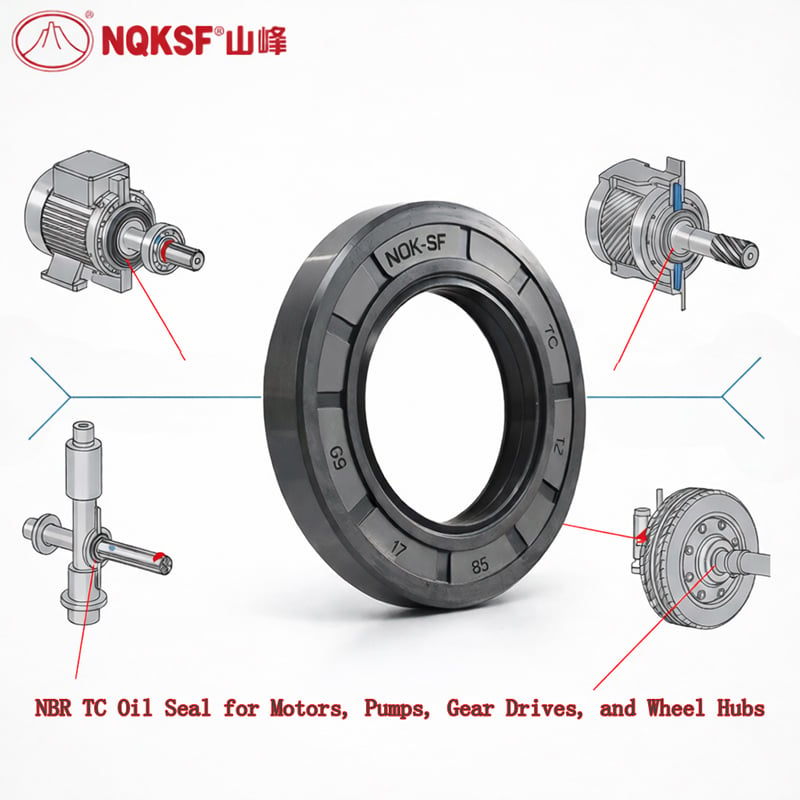
Applications for the seal rotary shaft span diverse industries, including pumps, compressors, turbines, and rotating machinery. In hydraulic systems, the seal rotary shaft manages high-pressure fluid containment. Automotive applications utilize this technology in transmission systems and engine components. Chemical processing equipment relies on seal rotary shaft reliability to prevent hazardous material leakage. The seal rotary shaft remains essential wherever rotating equipment demands dependable sealing performance under demanding operational parameters.

 EN
EN