kahelabalised tihendid
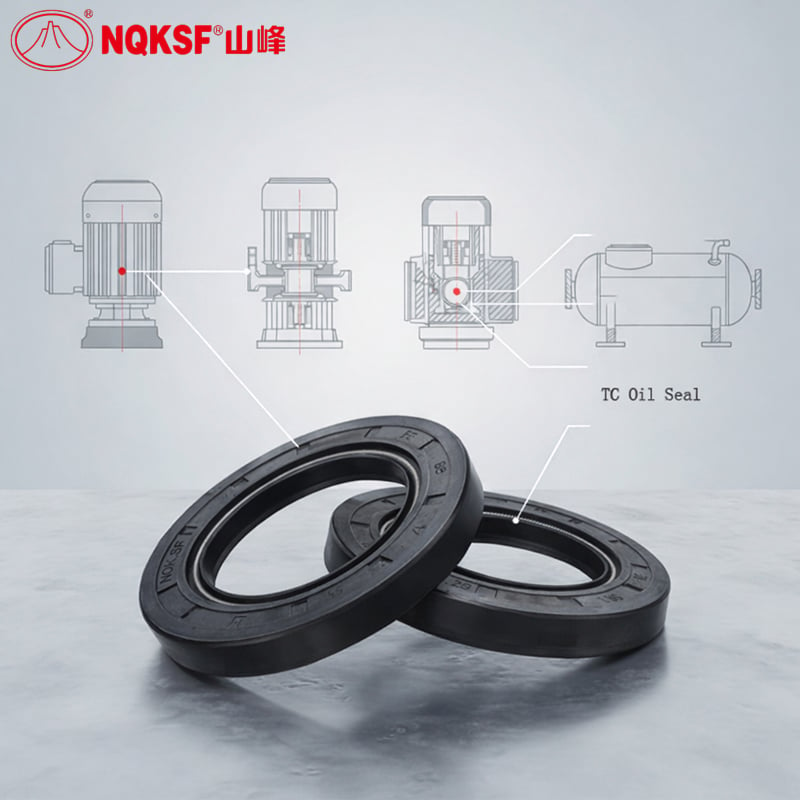
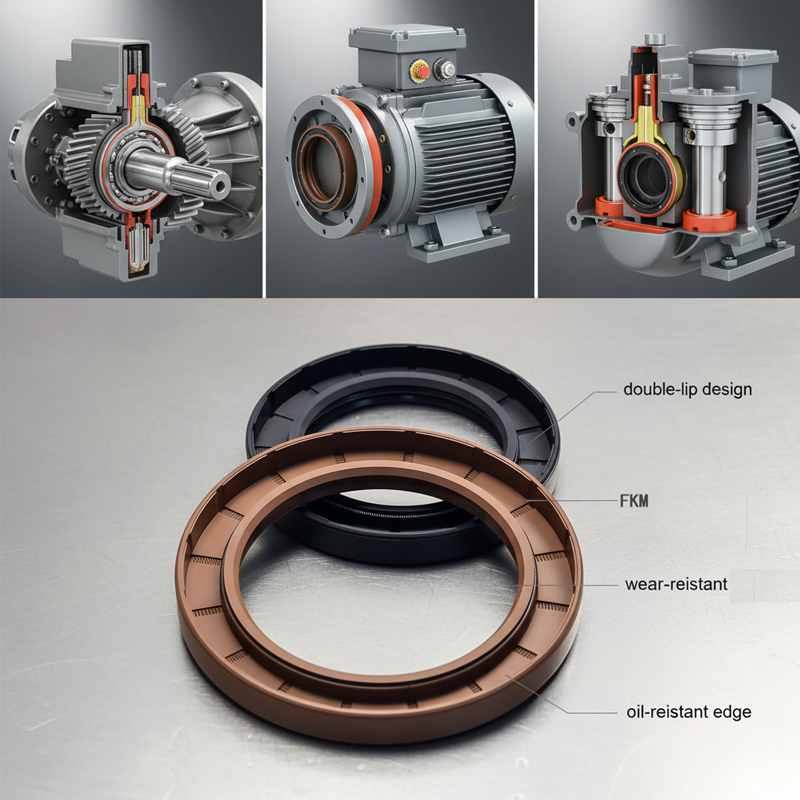
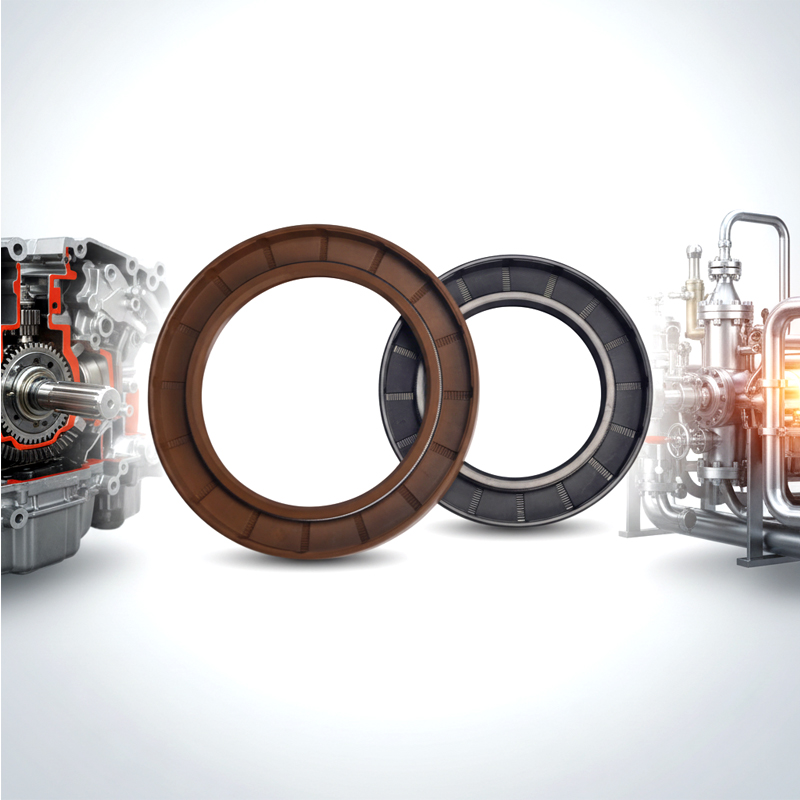
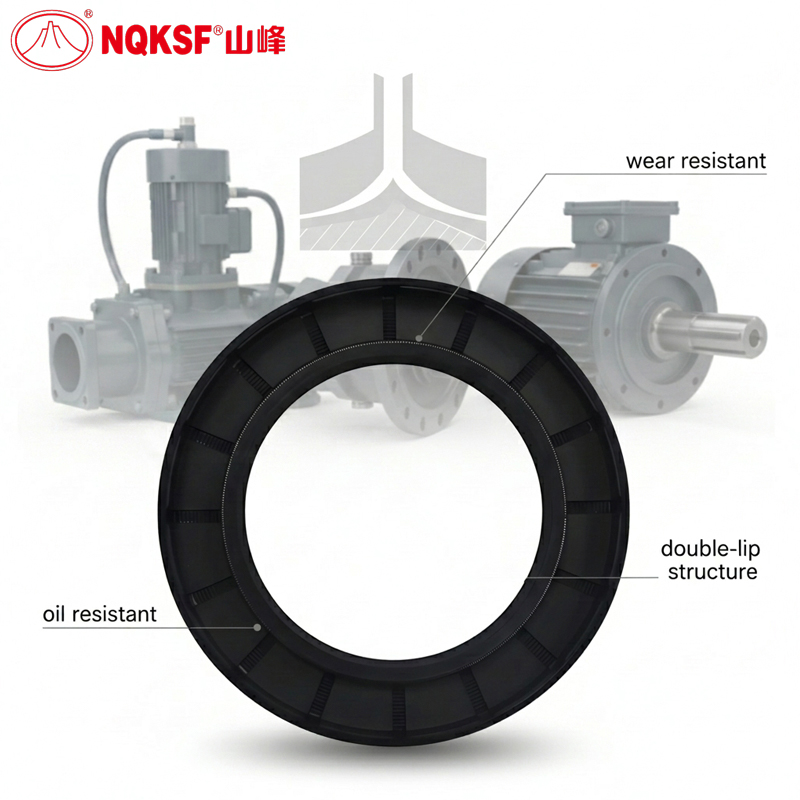
Kahekordsete labade tihendid on keerukas tihenduslahendus, mille eesmärk on kaitsta mehaanilisi süsteeme saastumise ja vedeliku lekkimise eest. Need spetsiaalsed tihendid omavad kahte erinevat laba konstruktsiooni, mis töötavad koos, tagades ülitäpsuse nõudvates tööstuslikutes rakendustes. Kahekordsete labade tihendite peamiseks funktsiooniks on kahekordse takistussüsteemi loomine, mis takistab väliste saasteainete sisenemist seadmesse ning samal ajal hoiab rõhu all olevaid sisemisi vedelikke. Kahekordsete labade tihendite tehnoloogilised omadused eristavad neid tavapärsetest ühelaba alternatiividest. Esmane laba säilitab otsese kontakti pöörlevate või liikuvate pindadega, samas kui teisene laba pakub lisatoetust ja parandatud tihendustäpsust. See kahekordse labaga konfiguratsioon kasutab täiustatud elastomeer-materjale, mis taluvad äärmuslikke temperatuure, rõhku ja keemilist mõju. Kahekordsete labade tihendid kasutavad täpselt projekteeritud gartertõmmitsaid, mis säilitavad kogu kasutusaja jooksul pideva kontaktirõhu. Kahekordsete labade tihendite rakendusalad hõlmavad mitmeid tööstusharusid, sealhulgas autotööstust, tootmist, hüdraulikasüsteeme ja raskete masinate kasutamist. Need tihendid suudavad hästi toimida keskkondades, kus tavapärased tihenduslahendused ei piisa. Tööstusharud toetuvad kahekordsetele labade tihenditele kriitilistes rakendustes, kus nõutakse erilist usaldusväärsust ja pikki hooldusintervalle. Kahekordsete labade tihendite universaalsus muudab need oluliseks kaasaegsetes masinates, kus tulemuslikkust ei saa kompromissiga ohverdada. Kas see nüüd puudutab pumbaid, mootoreid või edastussüsteeme – kahekordsed labad tihendid tagavad kindlad tulemused laialdaselt erinevates ekspluatatsioonitingimustes.

 EN
EN