
 EN
EN
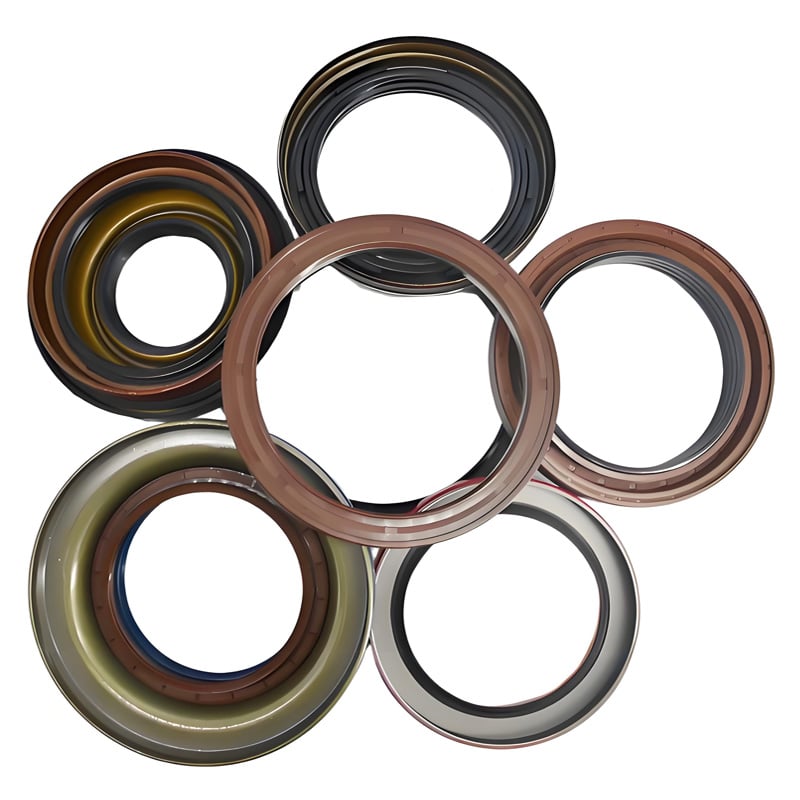
Selecting the right rotary shaft seal for high-speed applications requires understanding multiple technical factors that directly impact equipment reliability and operational costs. High-speed machinery demands seals that can withstand extreme centrifugal forces, elevated temperatures, and continuous dynamic stress without premature failure. A poorly chosen rotary shaft seal can lead to product leakage, equipment contamination, reduced efficiency, and costly unplanned maintenance downtime. The selection process involves evaluating speed ratings, material compatibility, operating temperature ranges, and specific application requirements to ensure optimal performance and seal longevity.
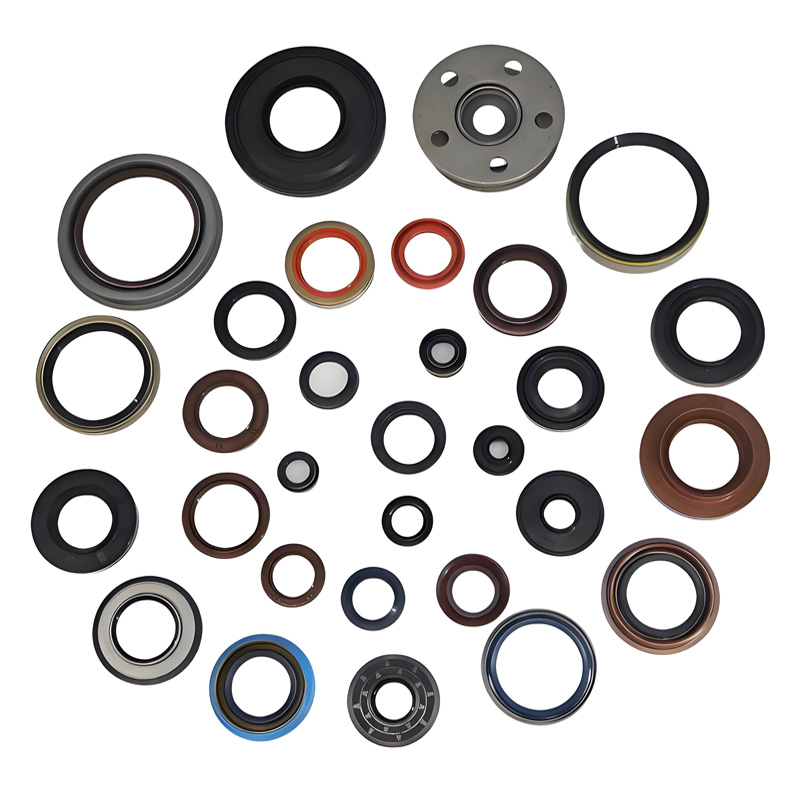
High-speed industrial applications span manufacturing, food processing, pharmaceuticals, chemical plants, and automotive production. Each industry imposes unique demands on rotary shaft seal performance, from aggressive chemical compatibility to food-grade sterility requirements. Understanding your specific operational environment allows you to narrow down seal options and identify the rotary shaft seal design that delivers reliability without over-engineering or unnecessary expense. This guide walks you through the essential selection criteria to help you choose seals that maximize equipment uptime and minimize lifecycle costs.
Understanding Speed Ratings and Centrifugal Forces
Every rotary shaft seal has a maximum safe operating speed expressed in revolutions per minute (RPM) or as a DN value, which combines shaft diameter and rotational speed into a single rating metric. Speed rating directly correlates to the centrifugal forces exerted on the seal lips and seal body. At excessive speeds, a rotary shaft seal experiences increased lip wear, accelerated material degradation, and risk of seal failure or complete loss of sealing integrity. Modern high-speed industrial equipment often operates well above 5,000 RPM, requiring specially engineered rotary shaft seal designs that can tolerate these extreme dynamic conditions.
Evaluating DN Values and Speed Limitations
The DN value is calculated by multiplying shaft diameter (in millimeters) by rotational speed (in RPM), then dividing by 1,000. For example, a 50 mm diameter shaft rotating at 5,000 RPM produces a DN value of 250. Standard rotary shaft seal designs typically operate safely up to DN values of 300 to 500, while premium high-speed rotary shaft seal formulations can exceed DN 1,000. Exceeding the rated DN value for your rotary shaft seal accelerates wear, generates excessive heat, and increases the probability of catastrophic seal failure. Always verify that your selected rotary shaft seal's DN rating exceeds your application's calculated value by a comfortable safety margin.
Selecting a rotary shaft seal with an undersized DN rating forces you to rely on external cooling methods or accept reduced seal life, both of which increase total cost of ownership. Conversely, choosing a rotary shaft seal with excessive DN capacity may introduce unnecessary cost without proportional benefit. The optimal selection balances your actual speed requirements with seal cost and expected service life.
Material and Elastomer Considerations for High-Speed Operation
The elastomer material composition of a rotary shaft seal directly determines its speed capability, temperature range, and chemical resistance. Nitrile rubber (NBR) offers excellent general-purpose performance and cost-effectiveness for rotary shaft seal applications up to approximately 100°C. Fluorocarbon (FKM or Viton) rotary shaft seal materials extend temperature capability to 200°C and provide superior resistance to aggressive solvents, oils, and chemical environments common in industrial settings. For extreme high-speed scenarios requiring both superior speed handling and chemical compatibility, PTFE-based rotary shaft seal designs deliver enhanced performance characteristics.
Each elastomer material exhibits different friction coefficients and thermal properties that influence rotary shaft seal heating and wear rates. High-speed operation generates significant frictional heat at the sealing interface, which demands careful material selection to prevent the seal from reaching degradation temperatures. A rotary shaft seal constructed from thermally optimized materials maintains dimensional stability and sealing effectiveness across extended operating cycles.
Temperature Management and Operating Environment Assessment
Temperature represents one of the most critical factors in rotary shaft seal selection for high-speed applications. The sealing interface naturally generates heat through continuous lip contact and friction with the rotating shaft. Combined with ambient operating temperatures, internal generated heat can rapidly exceed the elastomer's acceptable temperature range, leading to hardening, shrinkage, and loss of sealing force in the rotary shaft seal. High-speed machinery often operates continuously for extended periods, compounding the thermal stress on seals and demanding proactive temperature management strategies.
Calculating Operational Temperature and Thermal Load
The total operational temperature of a rotary shaft seal includes both ambient conditions and frictional heat generated during operation. A rotary shaft seal operating in a 40°C ambient environment at high speeds may experience internal seal temperatures exceeding 80°C due to frictional heating. Industrial equipment specifications typically provide maximum continuous operating temperature limits; your selected rotary shaft seal must maintain performance throughout this entire temperature window. Failure to account for frictional heating when selecting a rotary shaft seal often results in premature seal degradation despite the seal's rated maximum temperature appearing adequate on paper.
Advanced cooling strategies such as circulating coolant systems or shaft cooling jackets can reduce operational temperatures of a rotary shaft seal, extending seal life and allowing operation at higher speeds. However, these solutions add complexity and cost, making proper thermal planning essential during the rotary shaft seal selection phase. If your application generates excessive heat, selecting a rotary shaft seal with inherently higher temperature capability prevents the need for expensive cooling systems.
Fluid Compatibility and Chemical Resistance
The fluid or product sealed by your rotary shaft seal directly impacts material compatibility requirements. Petroleum-based oils, synthetic lubricants, water-based solutions, aggressive chemicals, and food-grade media all demand different rotary shaft seal material compositions. A rotary shaft seal designed for water-based environments may swell, soften, or fail when exposed to petroleum solvents, and vice versa. Comprehensive material compatibility data from seal manufacturers allows you to verify that your selected rotary shaft seal elastomer resists the specific fluid in your application without losing dimensional stability or sealing effectiveness.
Incompatible fluid exposure causes the rotary shaft seal elastomer to absorb or lose plasticizers, leading to swelling, shrinkage, hardening, or cracking depending on the specific material and fluid interaction. Even brief exposure to incompatible fluids can compromise a rotary shaft seal's performance, making chemical compatibility verification a mandatory step before final selection.
Seal Design Features and Installation Considerations
Beyond material composition and speed ratings, specific rotary shaft seal design features directly influence performance in high-speed applications. Modern high-speed rotary shaft seal designs incorporate dual-lip configurations, optimized lip geometries, integrated spring force mechanisms, and anti-extrusion rings to manage centrifugal forces and maintain consistent sealing pressure across speed variations. Understanding these design features helps you recognize premium rotary shaft seal options that justify their higher cost through improved reliability and extended service life.
Dual-Lip and Multi-Stage Seal Architectures
A rotary shaft seal featuring dual-lip design provides primary sealing on the inner lip while the outer lip functions as a backup or load-sharing element, distributing sealing forces and reducing individual lip wear rates. High-speed rotary shaft seal applications benefit significantly from this architecture, as distributed load improves thermal characteristics and extends seal life under continuous operation. Multi-stage rotary shaft seal designs incorporate additional pressure-balancing features that accommodate speed variations without losing sealing effectiveness, making them ideal for applications with fluctuating RPM profiles.
Auxiliary components integrated into premium rotary shaft seal assemblies include spring spacers, anti-extrusion rings, and fluid barriers that work in concert with elastomer lips to maintain performance under extreme conditions. rotary shaft seal manufacturers frequently offer customized designs incorporating these advanced features to meet specific high-speed requirements that standard off-the-shelf rotary shaft seal options cannot address.
Shaft Surface Quality and Installation Accuracy
The shaft surface finish and installation precision directly impact rotary shaft seal performance and longevity. A rotary shaft seal installed on a rough or damaged shaft surface experiences increased wear, potential lip scoring, and premature failure. High-speed rotary shaft seal applications demand precision shaft finishing with surface roughness typically specified between 0.4 and 0.8 micrometers (Ra) to minimize friction and wear. Shaft runout and concentricity tolerances must also be controlled within tight specifications to prevent rotary shaft seal cocking or misalignment that would compromise sealing effectiveness.
Proper installation procedures for a rotary shaft seal include careful alignment, consistent installation pressure, and verification that the seal sits at the correct axial position within the bore. Improper installation induces premature rotation shaft seal failure even when the seal itself is correctly specified for the application. Training maintenance personnel on proper rotary shaft seal installation and removal techniques prevents costly mistakes and extends seal life across your equipment fleet.
FAQ
What is the primary difference between standard and high-speed rotary shaft seals?
High-speed rotary shaft seals incorporate advanced elastomer formulations, optimized lip geometries, and often dual-lip configurations to manage centrifugal forces and frictional heat generated at elevated speeds. Standard rotary shaft seals lack these specialized features and operate safely only up to moderate speeds, typically below 3,000 RPM. A rotary shaft seal rated for high-speed operation maintains sealing integrity, reduces wear rates, and delivers longer service life when installed in machinery exceeding 5,000 RPM.
How do I determine if my equipment requires a rotary shaft seal upgrade?
Calculate your application's DN value by multiplying shaft diameter by RPM and dividing by 1,000, then compare the result against your current rotary shaft seal's rated maximum DN value. If your actual DN value approaches or exceeds the seal's rating, upgrading to a higher-performance rotary shaft seal prevents premature failure and reduces maintenance frequency. Additionally, if you experience frequent rotary shaft seal leakage, excessive operating temperatures near the seal area, or shortened seal replacement intervals, these symptoms indicate that your rotary shaft seal selection may no longer be appropriate for your current operational demands.
What role does seal bore diameter play in rotary shaft seal selection?
Seal bore diameter determines the overall size of the rotary shaft seal assembly and affects installation fit, sealing surface area, and mechanical stress distribution. A rotary shaft seal undersized for the bore creates installation gaps that allow leakage, while an oversized rotary shaft seal either fails to install or experiences excessive compression that accelerates wear. Accurate bore diameter measurement and selection of a rotary shaft seal matching your equipment's precise bore specification ensures proper fit, reliable sealing, and predictable service life throughout the seal's operating window.