
 EN
EN
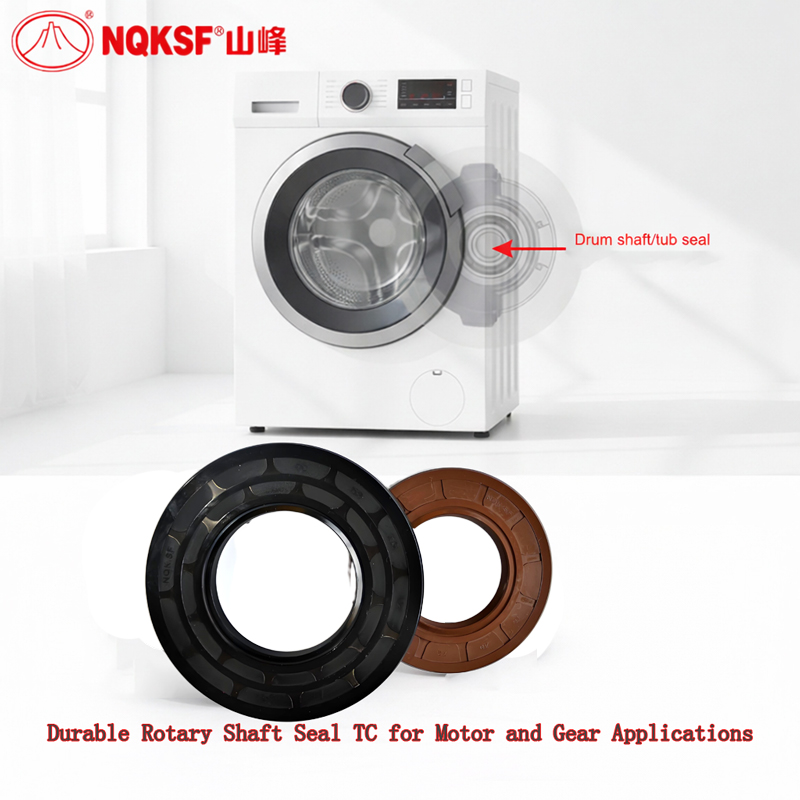
TC oil seal leakage represents one of the most persistent challenges in industrial machinery maintenance, affecting operational efficiency and driving unnecessary downtime across manufacturing facilities worldwide. When a TC oil seal fails to perform as intended, the consequences extend far beyond simple fluid loss, potentially compromising bearing integrity, contaminating lubrication systems, and forcing costly emergency repairs. Understanding how to systematically diagnose and resolve TC oil seal leakage issues is essential for maintenance professionals who need to keep equipment running reliably and cost-effectively.
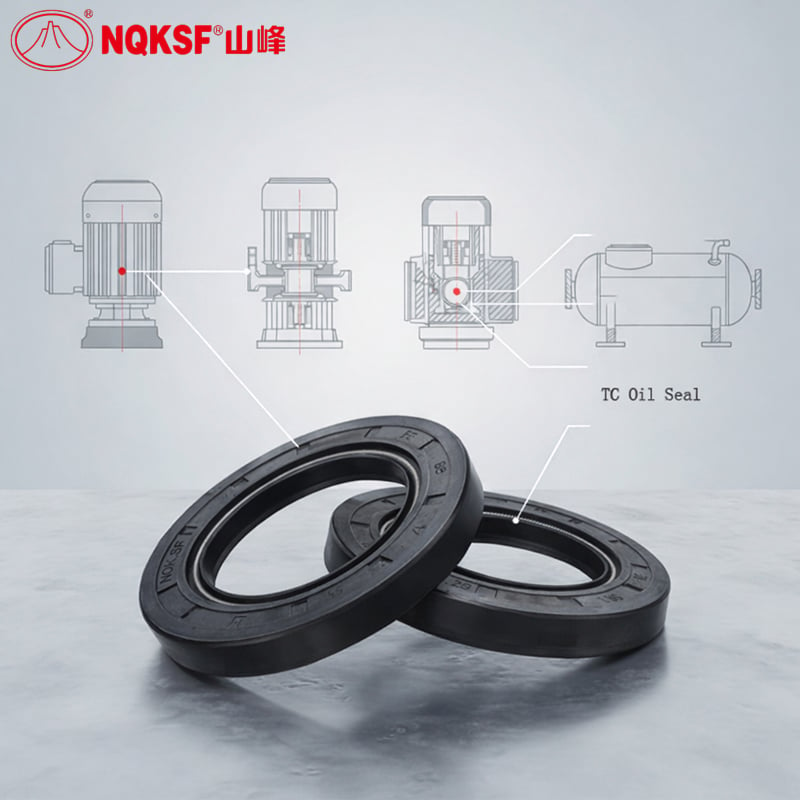
The TC oil seal operates under demanding conditions, maintaining pressure differentials while rotating at high speeds and enduring extreme temperatures. When problems arise, they rarely announce themselves dramatically; instead, oil stains gradually expand around equipment shafts, fluid levels drop unexpectedly, or bearing noise increases subtly until failure becomes imminent. This guide walks you through the systematic approach to identifying, analyzing, and correcting TC oil seal leakage, ensuring your machinery maintains peak performance while protecting your operational budget.
Understanding Root Causes of TC Oil Seal Leakage
Mechanical Wear and Material Degradation
The TC oil seal experiences continuous friction between its elastomeric lip and the rotating shaft, causing gradual wear that eventually leads to leakage. Over time, the sealing lip loses its original geometry, unable to maintain the critical contact pressure required to prevent fluid escape. This wear accelerates when machinery operates beyond designed parameters, particularly under elevated temperatures that soften the elastomer and reduce its sealing effectiveness. A properly functioning TC oil seal maintains a delicate balance between gripping the shaft firmly enough to seal while allowing enough movement to prevent excessive heat generation.
Material degradation represents another significant factor contributing to TC oil seal failure. Exposure to incompatible oils, aggressive chemicals, or extreme thermal fluctuations can compromise the seal's structural integrity, causing cracking, hardening, or swelling. When you observe a TC oil seal that has become brittle or developed surface cracks, replacement becomes urgent to prevent catastrophic leakage. Regular inspection under consistent operating conditions helps identify degradation patterns before they lead to equipment damage.
Installation Errors and Misalignment
Improper installation represents a frequent yet entirely preventable cause of TC oil seal leakage. Forcing the seal onto the shaft at incorrect angles, scratching the sealing surface during installation, or failing to lubricate the seal properly during mounting can damage the elastomer before the equipment ever starts. Even minor installation damage creates a pathway for fluid escape that worsens with each equipment cycle. Many maintenance teams underestimate the importance of proper installation procedures, assuming that a TC oil seal simply needs to be pressed onto the shaft and forgotten.
Shaft misalignment creates conditions where the TC oil seal cannot maintain uniform contact with the shaft surface. Radial or axial runout causes the sealing lip to lose contact intermittently, allowing oil to bypass the seal cavity. When a TC oil seal leaks immediately after installation or after maintenance work on adjacent components, misalignment frequently proves to be the culprit. Precision measurement during installation and careful attention to shaft geometry prevents these costly mistakes.
Identifying Leakage Symptoms and Severity Assessment
Visual Inspection and Fluid Level Monitoring
The first indication of TC oil seal leakage typically appears as oil staining around the seal cavity area. A minor leak produces slight discoloration that may be difficult to spot during routine inspections, while a significant TC oil seal failure creates visible oil accumulation on surrounding surfaces and equipment base. Regular visual inspections at scheduled intervals establish baseline conditions and reveal when leakage patterns change or intensify. Photograph problem areas to track progression over time and inform maintenance decisions about replacement urgency.
Monitoring fluid levels in the equipment reservoir provides quantifiable evidence of TC oil seal leakage rate. Comparing fluid level readings at consistent intervals reveals whether leakage remains minor or accelerates toward critical levels. When fluid loss exceeds expected evaporation rates or normal consumption levels, TC oil seal failure should be investigated immediately. Equipment operating manuals typically specify acceptable fluid loss rates, helping you distinguish between minor weeping and problematic leakage that demands intervention.
Secondary Indicators and Equipment Performance Changes
A failing TC oil seal often triggers secondary symptoms that signal progressive deterioration. Rising bearing temperatures indicate reduced lubrication as oil escapes past the seal, while unusual noise development suggests bearing movement within expanded clearances. Equipment vibration may increase as bearing preload decreases due to reduced oil film thickness. These changes occur gradually, making them easy to overlook until equipment performance degrades significantly. Documenting temperature, noise, and vibration baseline values enables early detection of problems developing around the TC oil seal.
Contamination in the oil reservoir sometimes indicates TC oil seal leakage working in reverse, allowing external dirt and moisture to enter the lubrication system. When particle counts increase unexpectedly or water content appears in oil analysis results, a failing TC oil seal may be admitting contaminants. This bidirectional flow problem accelerates wear in other equipment components and compounds maintenance costs well beyond simple seal replacement.
Systematic Troubleshooting and Resolution Strategies
Diagnostic Procedures and Root Cause Confirmation
Begin troubleshooting TC oil seal leakage by confirming the seal represents the actual leakage source rather than assuming a nearby drain plug or gasket bears responsibility. Cleaning the suspect area thoroughly and observing whether oil reaccumulates during equipment operation confirms the TC oil seal as the source. Operating the equipment briefly at controlled speeds while monitoring the seal area reveals whether leakage rate correlates with rotational speed, helping differentiate between mechanical seal failure and other issues. This confirmation step prevents unnecessary seal replacement when other components actually require attention.
Examine the shaft surface where the TC oil seal makes contact, looking for scoring, corrosion, or surface irregularities that could explain persistent leakage. Shaft damage often requires sleeve installation or shaft replacement rather than simple seal substitution. Using a precision straightedge or dial indicator checks for shaft wobble that indicates runout problems causing seal contact loss. These diagnostic steps identify whether replacing the TC oil seal alone will solve the problem or whether additional corrective work on the shaft or bearing assembly becomes necessary.
Repair and Replacement Implementation
When you determine that TC oil seal replacement is required, preparation proves critical to preventing a repeat of the original problem. Thoroughly clean the seal cavity, removing any debris or oil residue that could interfere with the new seal's sealing performance. Verify shaft dimensions match the new TC oil seal specifications, confirming that the replacement seal will achieve proper interference and contact pressure. Using proper installation tools designed specifically for seal installation prevents damage during the mounting process, protecting your investment in the replacement component.
Apply a thin layer of the appropriate lubricant to the shaft and the seal's interior before installation, easing the seal onto the shaft while minimizing friction that could damage the sealing lip. Ensure the tc oil seal seats fully and evenly in its cavity, with proper axial positioning that maintains the design clearance between the seal and bearing or adjacent components. After installation, check the seal cavity one final time before reassembling equipment covers, confirming there are no visible gaps or misalignment that could compromise the seal's effectiveness.
FAQ
How often should TC oil seal inspection occur?
TC oil seal inspection frequency depends on machinery operating conditions, seal age, and historical leakage patterns. Equipment operating under normal conditions with adequate maintenance typically warrants inspection every 500–1000 hours, while harsh environments require more frequent checks every 200–300 hours. If a TC oil seal has previously failed or if equipment performance indicates potential seal problems, increase inspection frequency to weekly or bi-weekly until you confirm stable operation. Many manufacturers recommend baseline inspection at equipment startup, then at intervals specified in maintenance schedules.
What causes TC oil seal leakage immediately after replacement?
Immediate leakage from a newly installed TC oil seal usually indicates installation errors or shaft surface damage. Improper seal orientation, installation at an angle, or forcing the seal too quickly can damage the sealing lip before equipment operation begins. Shaft scoring, corrosion, or inadequate cleaning of the seal cavity prevents proper contact between the seal and shaft. Verify correct installation procedures, confirm shaft surface condition, and inspect the cavity for debris before concluding that a defective TC oil seal replacement caused the problem. Reinstalling the seal correctly or addressing shaft issues typically resolves post-replacement leakage.
Can TC oil seal leakage damage other equipment components?
Yes, TC oil seal leakage creates cascading damage throughout the equipment if left unaddressed. Losing lubrication oil reduces the film protecting bearings and other friction surfaces, accelerating wear and potentially causing catastrophic bearing failure. External oil leakage contaminates the equipment base and surrounding areas, creating safety hazards and environmental concerns. Oil escaping past a TC oil seal can destroy mechanical components costing thousands to replace, making preventive seal maintenance far more economical than addressing secondary damage caused by persistent leakage.