
 EN
EN
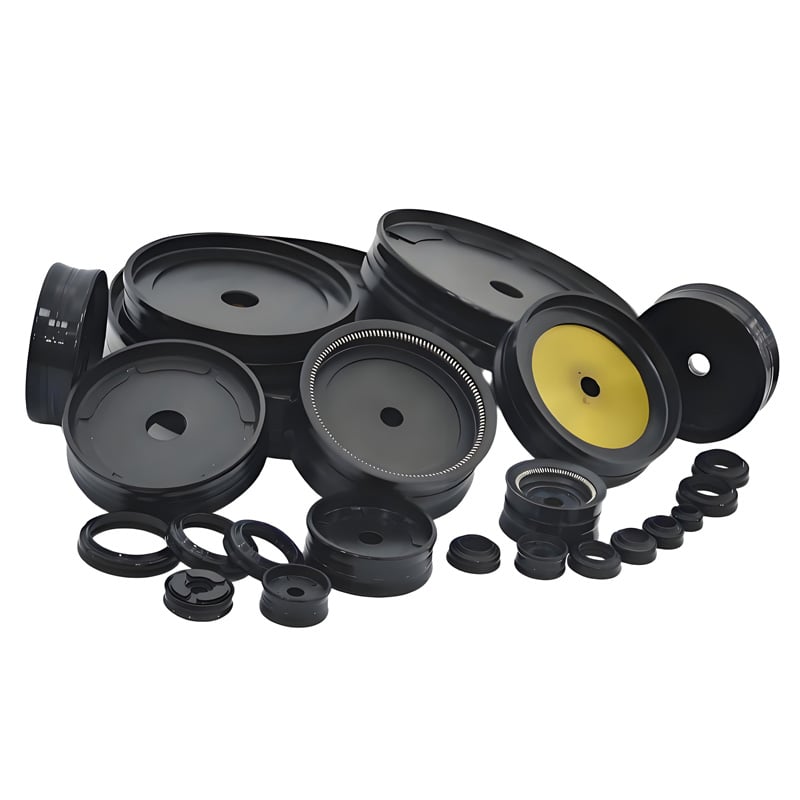
Understanding the distinction between standard and industrial oil seal products is essential for equipment maintenance teams and procurement specialists. While both types serve the fundamental purpose of preventing lubricant leakage and contamination, their construction, performance capabilities, and operational environments differ significantly. Choosing the wrong seal type can lead to premature failures, unexpected downtime, and costly repairs. This guide explores the critical differences between these two seal categories to help you make informed purchasing and maintenance decisions.
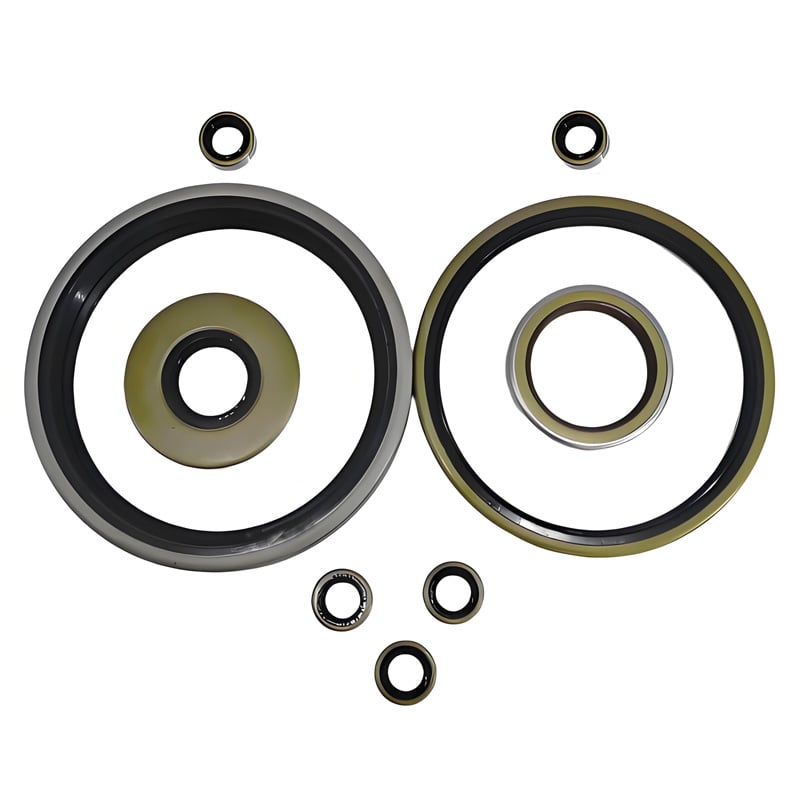
An industrial oil seal represents a more robust and specialized solution designed for demanding machinery environments. Unlike basic alternatives, an industrial oil seal incorporates advanced materials, reinforced structures, and enhanced sealing mechanisms to withstand extreme temperatures, high pressures, and contaminated atmospheres. Equipment manufacturers and plant engineers increasingly specify industrial oil seal solutions for critical applications where seal reliability directly impacts production continuity and safety compliance.
Construction and Material Composition
Standard Oil Seal Design Principles
Standard oil seals employ a simple radial design with a single sealing lip that contacts the rotating shaft. These seals typically feature a nitrile rubber elastomer backed by a spring-loaded mechanism housed within a steel garter spring. The basic construction prioritizes cost-effectiveness and suitability for light-duty applications with moderate temperatures and clean operating conditions. Standard seals work effectively in protected environments where shaft speeds remain moderate and ambient contamination is minimal. The elastomer material in standard seals generally operates within a temperature range of minus 40 to 100 degrees Celsius, limiting their use in high-temperature industrial settings.
Industrial Oil Seal Material Enhancements
An industrial oil seal incorporates superior elastomer compounds such as fluorocarbon, polytetrafluoroethylene, or advanced nitrile formulations that withstand extreme conditions. These materials maintain sealing integrity across wider temperature ranges, often spanning minus 60 to 200 degrees Celsius, accommodating thermal extremes found in heavy machinery. Industrial oil seal designs frequently feature dual-lip configurations with secondary scrapers that prevent contaminant ingress and extend seal longevity. The steel reinforcement in an industrial oil seal is thicker and more precisely engineered, with enhanced spring mechanisms that maintain consistent contact pressure across the seal's operational life. These material upgrades directly translate to longer service intervals and reduced maintenance frequency for critical equipment.
Performance Capabilities and Operating Conditions
Speed and Pressure Handling
Standard oil seals typically handle rotational speeds up to 3,000 to 5,000 revolutions per minute, making them suitable for general machinery and household equipment. Pressure rating for standard seals rarely exceeds 5 bar, limiting their application in high-pressure hydraulic systems. Conversely, an industrial oil seal operates effectively at shaft speeds exceeding 10,000 revolutions per minute and withstands pressures reaching 10 bar or higher, depending on specific design. Industrial oil seal configurations utilize precision-engineered lip geometries that maintain sealing performance under dynamic pressure fluctuations common in heavy manufacturing. Heavy-duty equipment such as pumps, compressors, and gearboxes consistently rely on industrial oil seal technology to maintain reliable operation under demanding speed and pressure profiles.
Environmental Resistance and Contamination Protection
Standard oil seals offer basic protection against dust and moisture but provide limited resistance to aggressive chemicals, salt spray, or ozone exposure. An industrial oil seal incorporates advanced barrier technologies and multiple sealing stages that effectively exclude harsh contaminants from critical bearing surfaces. Plants operating in coastal regions, chemical processing facilities, and mining operations typically specify industrial oil seal solutions due to the aggressive nature of their operating environments. The secondary scraper lip found in most industrial oil seal designs actively wipes contaminants from the shaft before they reach the primary sealing surface, significantly extending bearing and seal service life. This contamination management capability represents one of the most valuable distinctions between standard alternatives and purpose-built industrial oil seal products.
Cost and Total Cost of Ownership Analysis
Initial Purchase Price Differential
Standard oil seals typically cost 30 to 50 percent less than comparable industrial oil seal units due to simpler manufacturing processes and less expensive material formulations. A procurement team focused solely on minimizing capital expenditure might select standard alternatives without considering operational consequences. However, this apparent cost advantage often disappears when analyzing total cost of ownership across extended operational periods. An industrial oil seal justifies its higher initial price through extended service intervals, reduced unplanned maintenance events, and lower risk of secondary damage to adjacent components when seal failure occurs.
Long-Term Operational Economics
Equipment experiencing seal failure incurs costs extending far beyond the seal unit itself, including labor for equipment disassembly, production downtime losses, and potential damage to shafts and bearing surfaces. An industrial oil seal typically extends service life to 40,000 to 60,000 operating hours compared to 15,000 to 25,000 hours for standard seals in comparable applications. Facilities operating continuously recognize that extending seal life through industrial oil seal specification reduces annual maintenance labor by 30 to 50 percent. Equipment that requires frequent seal replacement generates additional costs from maintenance scheduling disruptions, inventory management of replacement seals, and elevated failure risks during unplanned maintenance windows. When properly selected for the application, an industrial oil seal represents a strategic investment that reduces overall maintenance budgeting while improving production reliability.
Application Suitability and Selection Criteria
When Standard Oil Seals Remain Appropriate
Standard oil seals adequately serve light-duty applications including household appliances, low-speed agricultural equipment, and laboratory machinery where operating conditions remain stable and predictable. Applications with consistent ambient temperatures between 0 and 60 degrees Celsius and shaft speeds below 3,000 revolutions per minute typically achieve satisfactory performance with standard seal technology. Cost-sensitive applications with minimal consequence of failure also justify standard seal specification when operational risk remains low. Small equipment manufacturers and repair shops often maintain standard seal inventory as economical solutions for routine maintenance needs. However, any application involving high temperatures, contaminated environments, or critical safety implications immediately requires upgrading to an industrial oil seal.
Industrial Oil Seal Application Priorities
An industrial oil seal is mandatory for heavy equipment in mining, construction, and manufacturing where equipment downtime directly translates to significant financial losses. Hydraulic systems operating under high pressure consistently require industrial oil seal specification to prevent catastrophic fluid loss and system failure. Food processing facilities operating under wash-down conditions and pharmaceutical manufacturers with strict contamination controls specify industrial oil seal products to maintain product integrity and regulatory compliance. Equipment operating at elevated temperatures, such as furnace drives and steam pump shafts, cannot function reliably with standard alternatives and depend entirely on industrial oil seal performance. Industries including aerospace, automotive manufacturing, and chemical processing recognize that specifying the appropriate industrial oil seal for each application represents a fundamental quality and safety requirement.
FAQ
What causes an industrial oil seal to fail prematurely?
An industrial oil seal fails prematurely when operating conditions exceed design parameters, such as shaft speeds surpassing maximum specifications or temperatures exceeding the elastomer rating. Abrasive contamination on the shaft surface, improper installation that causes lip misalignment, and insufficient lubrication film all accelerate industrial oil seal degradation. Selecting the wrong seal type for the application represents another common failure cause; using a standard seal where an industrial oil seal is required guarantees premature failure in demanding environments. Regular shaft inspection and proper installation techniques significantly extend industrial oil seal service life.
How do I determine whether my equipment needs an industrial oil seal?
Review your equipment's operating manual for seal specifications, including rated shaft speed, operating temperature range, and pressure rating. If your equipment operates above 5,000 revolutions per minute, experiences temperatures exceeding 80 degrees Celsius, or works in contaminated environments, an industrial oil seal upgrade is typically recommended. Consulting with the equipment manufacturer or a seal engineering specialist provides definitive guidance on whether your specific application warrants industrial oil seal specification. When in doubt, specifying an industrial oil seal provides insurance against unexpected failures and production interruptions.
Can I replace a standard oil seal with an industrial oil seal?
In most cases, an industrial oil seal can replace a standard seal if the shaft diameter and mounting bore remain identical, provided the housing accommodates the potentially larger axial width of some industrial designs. However, verify with the equipment manufacturer that upgrading to an industrial oil seal will not affect shaft deflection, lip contact pressure, or housing heat dissipation characteristics. Some industrial oil seal designs require slightly different installation procedures, so consulting the seal supplier's technical documentation ensures successful installation. When upgrading to an industrial oil seal, consider replacing the shaft sleeve simultaneously if wear patterns suggest surface degradation, as this maximizes seal longevity.