
Precision Sealing and the Role of a Reliable Oil Seal Manufacturer
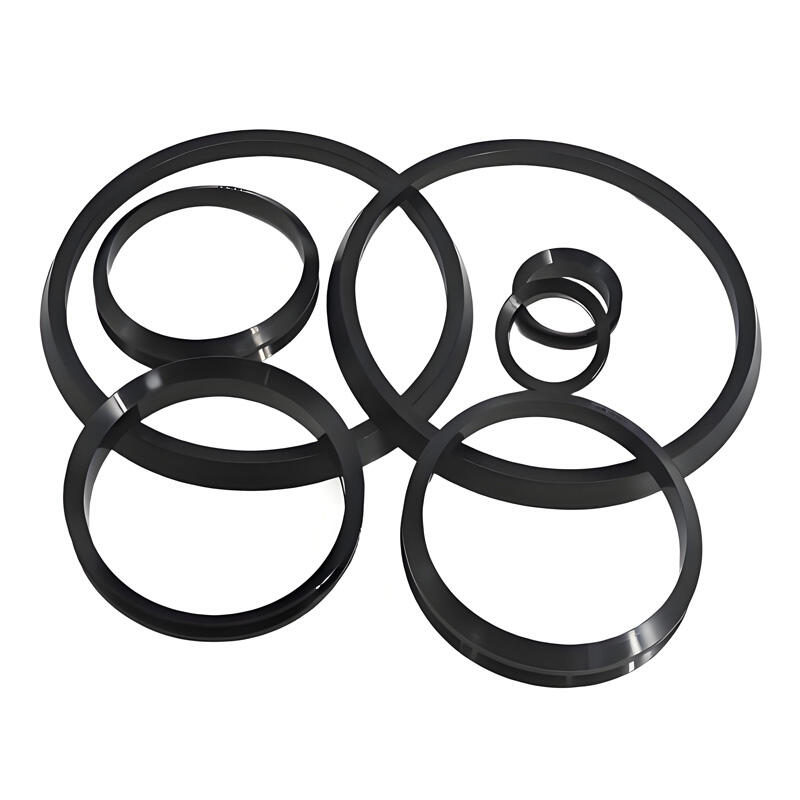
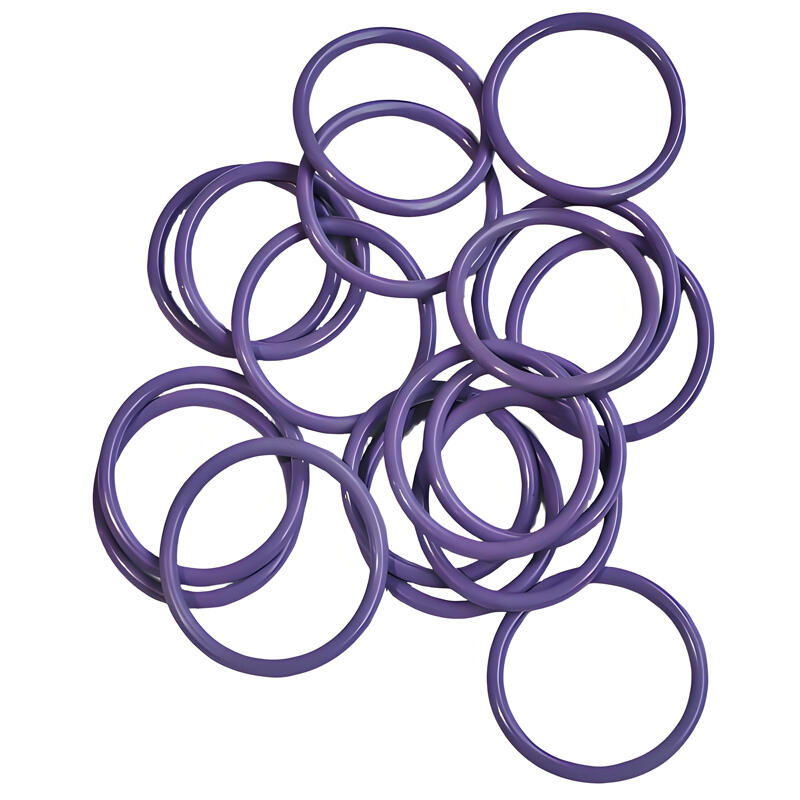
In modern industrial systems, stable sealing performance is a basic requirement rather than an added advantage. From rotating shafts in automotive powertrains to high-speed equipment in manufacturing lines, oil seal components quietly determine whether systems run smoothly or suffer from leakage, contamination, or premature wear. Choosing the right oil seal manufacturer therefore becomes a strategic decision for buyers, engineers, and procurement teams who value reliability, consistency, and long service life. A well-designed oil seal is not only a component, but also a safeguard for productivity, safety, and operating cost control.
Understanding Oil Seal Manufacturing Standards
Material Selection and Compound Design
Oil seal performance begins with material selection. Rubber compounds must balance elasticity, chemical resistance, abrasion resistance, and temperature tolerance. Nitrile rubber, fluoroelastomers, silicone rubber, and other engineered compounds are selected based on the application environment. A professional oil seal manufacturer invests heavily in compound formulation, internal testing, and continuous refinement to ensure that each oil seal performs consistently under real working conditions.
Compound design also determines how an oil seal reacts to long-term exposure to oil, grease, dust, and heat. Poor formulation can lead to swelling, cracking, or loss of sealing force. High-quality manufacturers control raw material sourcing and mixing processes to maintain stable compound properties from batch to batch. This consistency is especially important for large-scale OEM supply where variation can disrupt assembly lines and after-sales performance.
Dimensional Accuracy and Mold Precision
Beyond materials, dimensional precision is critical in oil seal production. Even slight deviations in inner diameter, lip angle, or spring tension can result in leakage or accelerated wear. A capable oil seal manufacturer maintains strict mold management systems, precision tooling, and calibrated inspection equipment. Tolerances are defined according to international standards and verified through repeated quality checks.
Mold precision also influences surface finish and lip geometry. Smooth sealing lips reduce friction and heat generation, extending service life. Manufacturers with in-house mold development capabilities are better positioned to customize oil seal designs for specific shaft speeds, pressures, and lubrication conditions without compromising dimensional stability.
Key Criteria When Evaluating an Oil Seal Manufacturer
Production Capability and Quality Control
One of the most important evaluation factors is production capability. Does the oil seal manufacturer have sufficient capacity to handle stable bulk orders? Are production lines automated and standardized? Mature manufacturers integrate process control systems that monitor every step, from raw material preparation to final inspection. This ensures that each oil seal leaving the factory meets defined performance requirements.
Quality control should not rely solely on final inspection. Instead, it should be embedded throughout the production process. Incoming material checks, in-process sampling, and performance testing all contribute to consistent oil seal quality. Manufacturers that follow this approach reduce defect rates and provide buyers with greater confidence in long-term cooperation.
Certification and Compliance Management
Compliance with international standards is another essential factor. Oil seal products are often used in regulated industries such as automotive, industrial machinery, and energy. A reliable oil seal manufacturer maintains certifications and aligns internal processes with global quality management systems. This demonstrates not only technical capability but also organizational discipline.
Compliance management also affects traceability. When oil seal batches can be traced back to production dates, materials, and inspection records, customers gain transparency and risk control. This is particularly valuable for OEM buyers managing multiple markets and regulatory requirements.
Application-Driven Oil Seal Design
Automotive and Transportation Applications
In automotive systems, oil seal components operate under constant vibration, varying temperatures, and continuous rotation. Engine crankshafts, transmissions, and wheel hubs all rely on oil seal performance to retain lubrication and exclude contaminants. An experienced oil seal manufacturer understands these application demands and tailors lip design, spring tension, and material selection accordingly.
Consistency is critical in automotive supply chains. Oil seal suppliers must deliver uniform quality over long production cycles. Manufacturers with long-term experience in automotive applications often develop internal standards that exceed basic requirements, ensuring that oil seal performance remains stable even under harsh driving conditions.
Industrial Equipment and Machinery
Industrial machinery presents a different set of challenges. High rotational speeds, heavy loads, and exposure to dust or chemicals require robust oil seal designs. In these applications, oil seal failure can lead to costly downtime and maintenance interruptions. A professional oil seal manufacturer evaluates operating parameters in detail and recommends suitable designs to match equipment requirements.
Customization plays a key role here. Shaft sizes, housing structures, and operating environments vary widely across industries. Manufacturers that support custom oil seal development help customers optimize equipment performance rather than relying on generic solutions.
The Importance of Engineering Support
Technical Consultation and Customization
Selecting an oil seal is not always straightforward. Different applications may require different lip profiles, reinforcement structures, or rubber compounds. An experienced oil seal manufacturer provides technical consultation to guide customers through these choices. This support reduces trial-and-error costs and shortens development cycles.
Customization capability also reflects a manufacturer’s engineering strength. When an oil seal manufacturer can modify designs based on customer drawings or operating data, it demonstrates flexibility and problem-solving capacity. This is particularly valuable for OEMs developing new products or upgrading existing equipment.
Testing and Performance Validation
Testing is an integral part of oil seal manufacturing. Performance validation under simulated operating conditions helps identify potential issues before products reach the market. Reliable manufacturers conduct tests for wear resistance, temperature stability, and sealing efficiency. These results support continuous improvement and provide customers with confidence in product reliability.
Performance validation also supports long-term partnerships. When a manufacturer actively tests and refines oil seal designs, customers benefit from reduced failure rates and improved lifecycle performance.

Supply Chain Stability and Delivery Assurance
Inventory Management and Lead Time Control
Supply chain reliability is increasingly important in global manufacturing. An oil seal manufacturer with structured inventory management can respond quickly to customer demand fluctuations. Stable stock levels and efficient logistics reduce lead times and help customers maintain production schedules.
Manufacturers that implement advanced management systems often achieve better coordination between production planning and order fulfillment. This ensures that oil seal deliveries remain consistent even during peak demand periods. For buyers managing multiple projects, predictable delivery is as important as product quality.
Long-Term Cooperation and Scalability
Scalability matters when businesses grow. A capable oil seal manufacturer supports customers not only during initial cooperation but also as order volumes increase. Production scalability, quality consistency, and service responsiveness all contribute to sustainable partnerships.
Manufacturers with a long operating history often demonstrate stronger risk management and operational resilience. This stability benefits customers seeking long-term supply relationships rather than short-term sourcing.
Manufacturing Philosophy and Brand Strength
Experience and Industry Focus
Experience shapes manufacturing philosophy. An oil seal manufacturer with decades of industry involvement has likely encountered diverse applications, challenges, and market requirements. This accumulated knowledge translates into practical design insights and process optimization.
Shanfeng (NQKSF), for example, has built its operations around in-house research, manufacturing control, and stable output. Such an approach reflects a commitment to craftsmanship and technical depth rather than short-term expansion.
Internal Systems and Process Discipline
Behind consistent oil seal quality lies strong internal management. Manufacturers that adopt structured ERP systems and standardized workflows achieve better coordination across departments. This discipline supports accurate order processing, quality tracking, and customer service.
Process discipline also reduces variability. When production parameters are documented and controlled, oil seal performance becomes predictable and repeatable. This reliability strengthens brand reputation and customer trust over time.
Cost Efficiency Without Quality Compromise
Balancing Price and Performance
Cost considerations are unavoidable in procurement decisions. However, the lowest price does not always translate into the lowest total cost. Poor oil seal quality can lead to leakage, downtime, and maintenance expenses that far exceed initial savings. A professional oil seal manufacturer focuses on value rather than price alone.
Efficient production, optimized material usage, and stable quality allow manufacturers to offer competitive pricing without compromising performance. This balance benefits customers seeking long-term cost efficiency rather than short-term savings.
Reducing Lifecycle Costs
Lifecycle cost analysis highlights the importance of durability and reliability. An oil seal that lasts longer reduces replacement frequency and maintenance labor. Manufacturers that emphasize durability help customers achieve better return on investment.
Oil seal performance over time also affects equipment efficiency. Reduced friction and stable sealing contribute to smoother operation and energy savings. These indirect benefits reinforce the importance of selecting a reliable oil seal manufacturer.
Building Trust Through Consistent Quality
Batch Consistency and Traceability
Consistency builds trust. When customers receive oil seal products with uniform performance across multiple batches, confidence grows. Reliable manufacturers implement traceability systems that link each oil seal batch to specific production data.
Traceability also supports continuous improvement. When issues arise, manufacturers can analyze root causes and implement corrective actions quickly. This proactive approach strengthens customer relationships and long-term cooperation.
After-Sales Support and Communication
After-sales support is often overlooked but plays a crucial role in partnership quality. A responsive oil seal manufacturer addresses technical questions, application feedback, and improvement suggestions. Open communication channels help resolve issues before they escalate.
Manufacturers that value feedback use it to refine designs and processes. This collaborative approach benefits both parties and enhances product performance over time.
Why Manufacturer Selection Defines Oil Seal Performance
Strategic Importance of Supplier Choice
Choosing an oil seal manufacturer is not merely a purchasing decision. It affects product reliability, operational stability, and brand reputation. A strong supplier contributes technical expertise, quality assurance, and supply stability.
In contrast, unreliable suppliers introduce risks that can disrupt production and damage customer trust. Strategic supplier selection therefore aligns with long-term business objectives rather than short-term procurement targets.
Aligning Values and Capabilities
Successful partnerships align values as well as capabilities. Manufacturers that emphasize quality, innovation, and consistency are better partners for customers seeking sustainable growth. Shared commitment to standards and continuous improvement strengthens cooperation over time.
Shanfeng (NQKSF) reflects this alignment through its focus on internal research, controlled manufacturing, and stable output. Such characteristics resonate with customers who prioritize dependable oil seal solutions.
Table of Contents
- Precision Sealing and the Role of a Reliable Oil Seal Manufacturer
- Understanding Oil Seal Manufacturing Standards
- Key Criteria When Evaluating an Oil Seal Manufacturer
- Application-Driven Oil Seal Design
- The Importance of Engineering Support
- Supply Chain Stability and Delivery Assurance
- Manufacturing Philosophy and Brand Strength
- Cost Efficiency Without Quality Compromise
- Building Trust Through Consistent Quality
- Why Manufacturer Selection Defines Oil Seal Performance