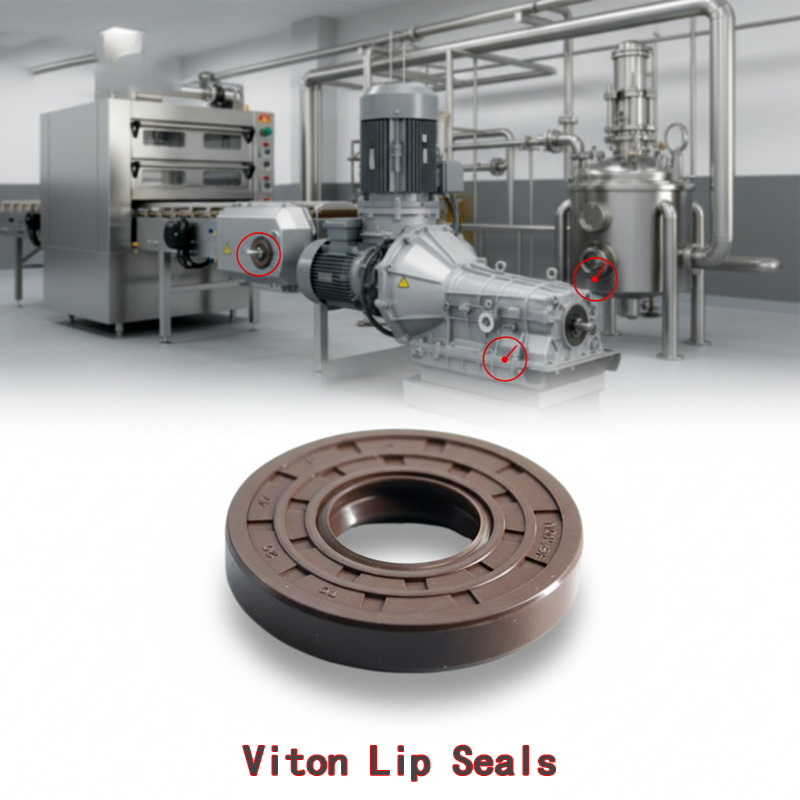
viton lipnūs tarpikliai
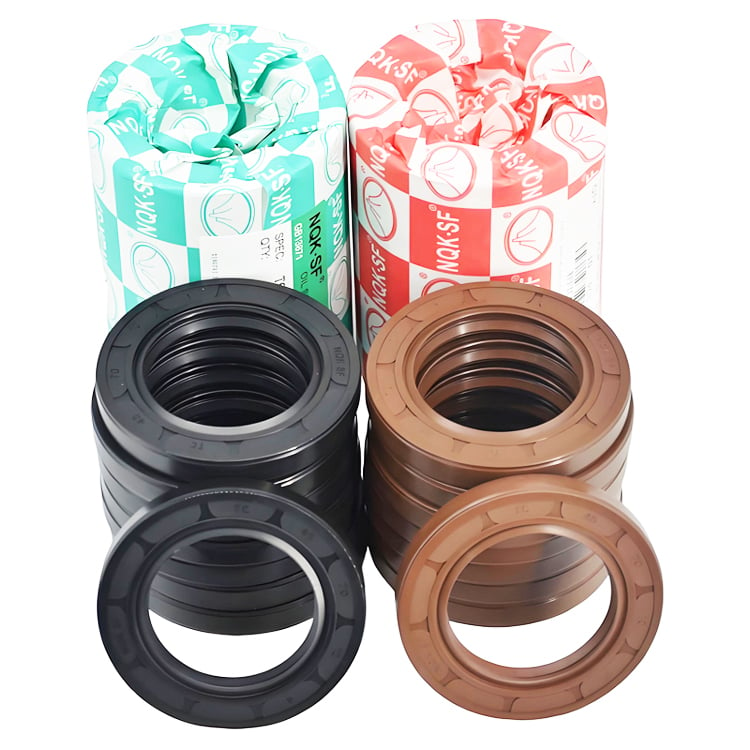
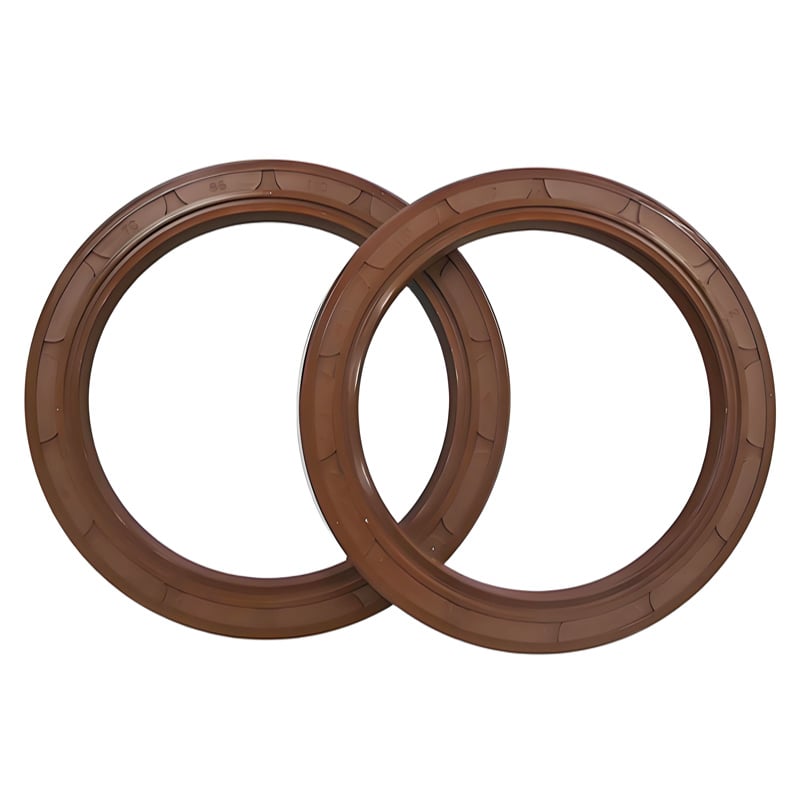
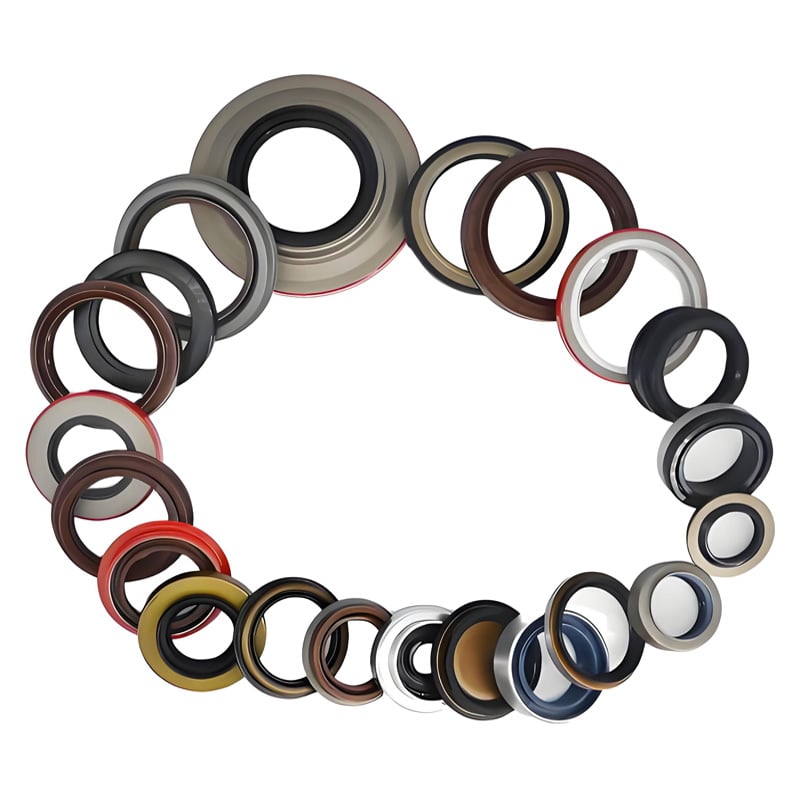
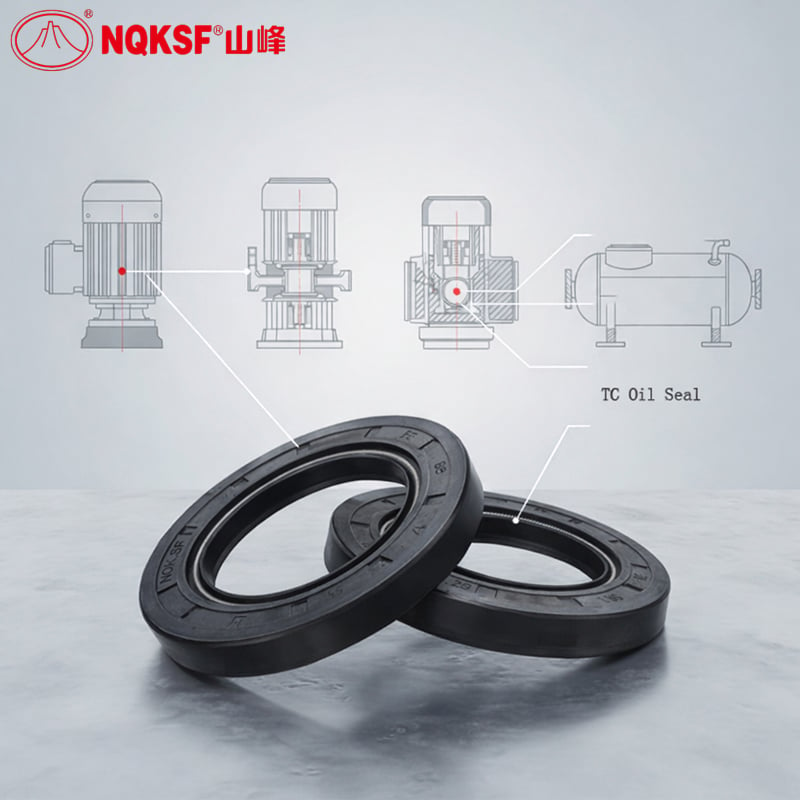
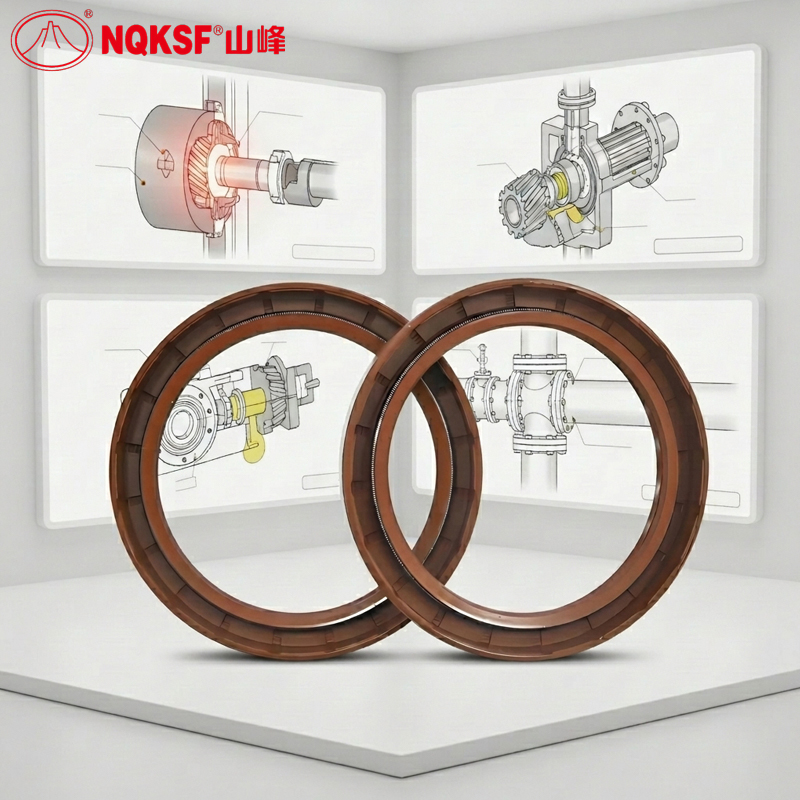
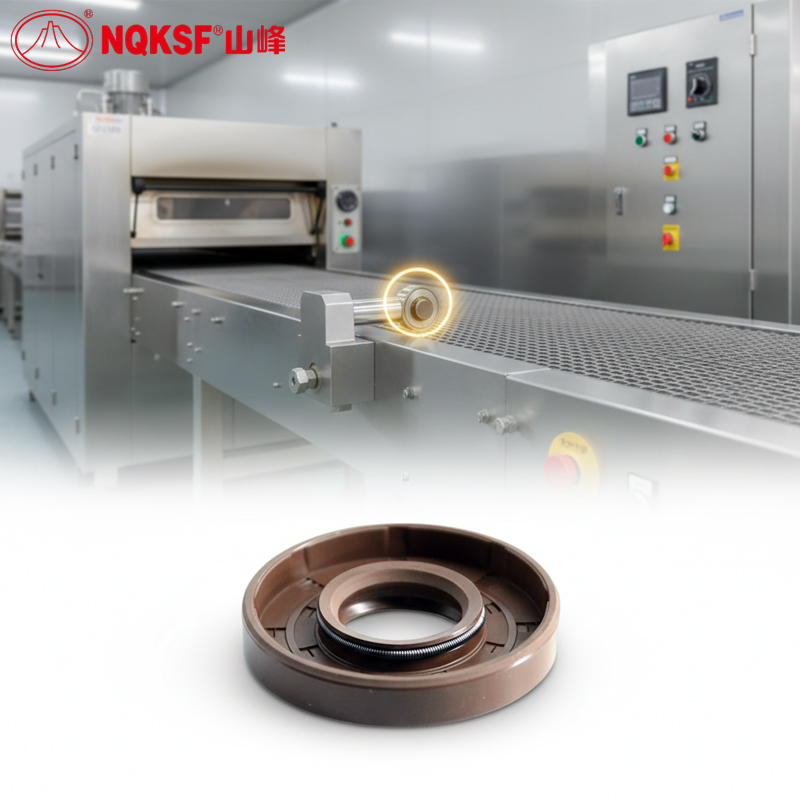
Viton lūpų sandarinimo žiedai yra esminis pramoninės technikos ir įrangos komponentas, sukurtas tam, kad užkirstų kelią skysčių nutekėjimui ir tuo pačiu išlaikytų optimalų našumą ekstremaliomis sąlygomis. Šie specializuoti sandarinimo įtaisai turi lankstų elastomero lūpą, kuri sukuria dinaminį barjerą prieš alyvą, aušinimo skystį ir kitus skysčius besisukančių velenų taikymuose. Viton lūpų sandarinimo žiedai suprojektuoti taip, kad atlaikytų ekstremalias temperatūras nuo –20 °C iki 200 °C, todėl jie puikiai tinka aukšto našumo aplinkoms, kuriose įprasti gumos sandarinimo žiedai neišlaikytų. Pagrindinė Viton lūpų sandarinimo žiedų technologija remiasi sintetiniu fluoranglies elastomeru, kuris atsparus cheminiam susidėvėjimui, oksidacijai ir mechaniniam nusidėvėjimui. Ši pažangi medžiagų sudėtis užtikrina, kad Viton lūpų sandarinimo žiedai išlaikytų savo sandarinimo vientisumą ilgą laiką veikdami. Pagrindinės Viton lūpų sandarinimo žiedų funkcijos – užkirsti kelią skysčių pernešimui, sumažinti trintį besisukančiuose velenų paviršiuose ir pratęsti įrangos tarnavimo laiką apsaugant vidines dalis nuo užteršimo. Pramonės šakos, kuriose naudojami Viton lūpų sandarinimo žiedai, apima automobilių, aviacijos, chemijos perdirbimo bei pramoninės gamybos sritis. Tikslus Viton lūpų sandarinimo žiedų projektavimas leidžia jiems prisitaikyti prie tiek spindulinių, tiek ašinių velenų judėjimų, tuo pat metu išlaikant nuolatinį kontaktinį slėgį. Jų universalumas daro Viton lūpų sandarinimo žiedus pageidautina pasirinkimu taikymams, reikalaujantiems patikimos veiklos šiurkščiomis eksploatacijos sąlygomis ir chemikalais praturtintoje aplinkoje.

 EN
EN