PTFE Shaft Seals - High-Performance Sealing Solutions for Industrial Applications

All Categories

ptfe shaft seal

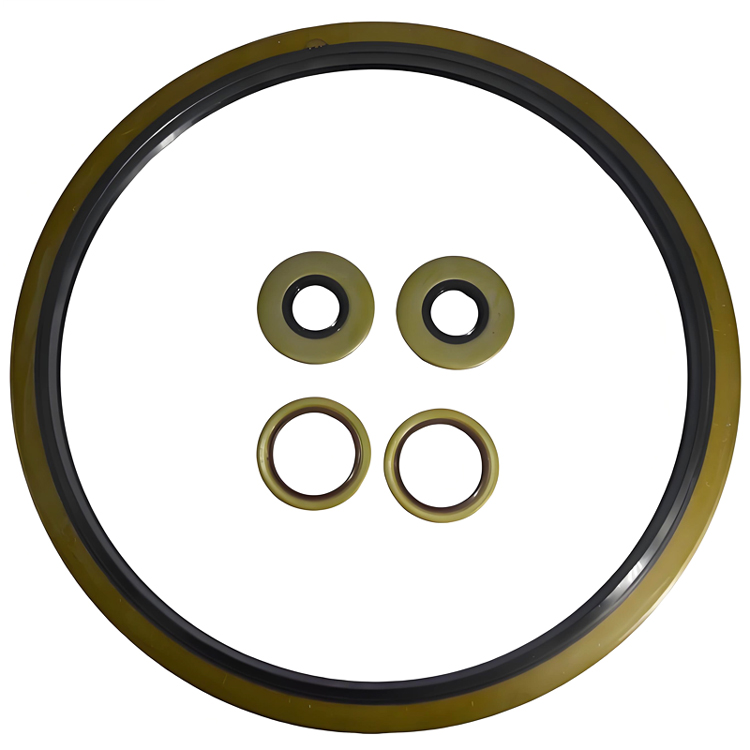
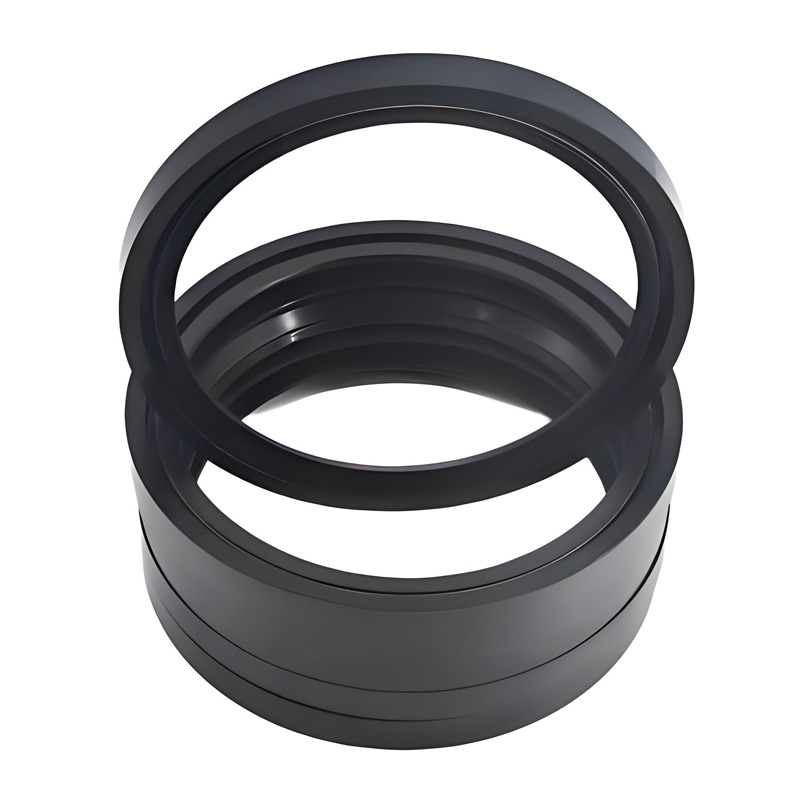
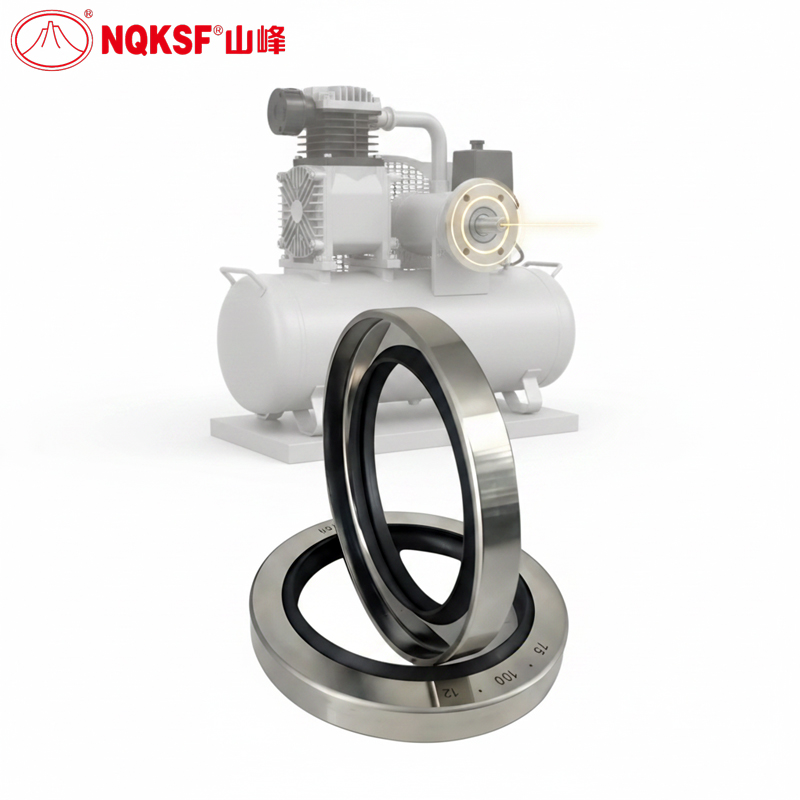
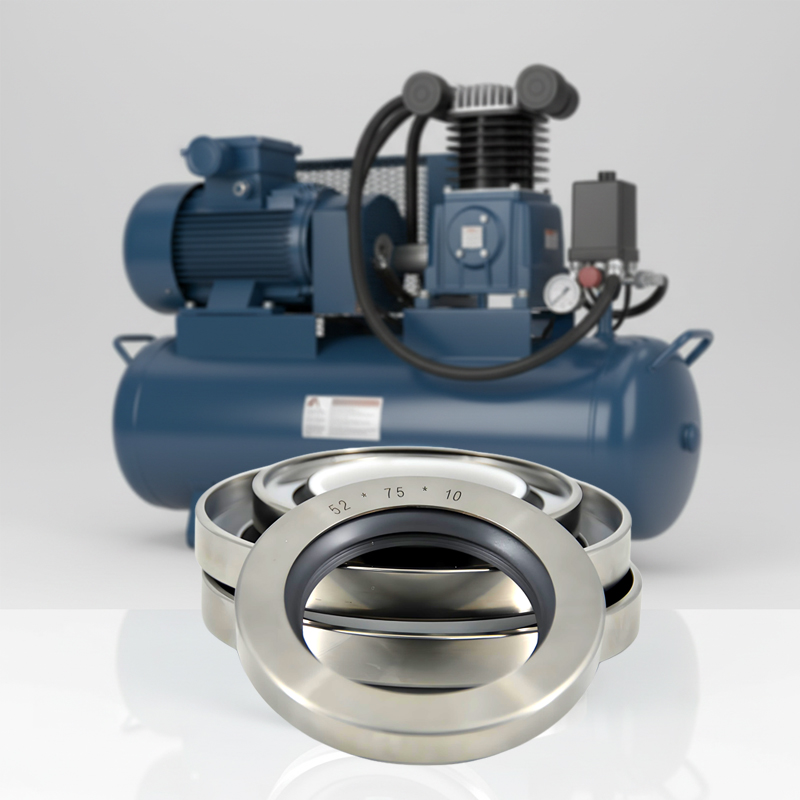
The PTFE shaft seal represents a revolutionary advancement in sealing technology, engineered specifically to address the demanding requirements of rotating equipment in industrial applications. PTFE, or polytetrafluoroethylene, serves as the foundation material for these sophisticated sealing solutions, delivering exceptional performance characteristics that surpass traditional elastomeric seals. These specialized sealing components are meticulously designed to create reliable barriers between rotating shafts and stationary housings, preventing fluid leakage while maintaining optimal operational efficiency. The PTFE shaft seal incorporates advanced polymer chemistry to achieve remarkable chemical resistance, temperature stability, and mechanical durability. The primary function of the PTFE shaft seal centers on preventing contamination between different media while accommodating shaft movement and misalignment. These sealing systems utilize the unique properties of PTFE material to maintain consistent contact pressure against rotating surfaces, ensuring long-term sealing integrity even under challenging operating conditions. The technological features of PTFE shaft seals include self-lubricating properties that reduce friction and wear, exceptional dimensional stability across wide temperature ranges, and resistance to virtually all chemicals and solvents. Manufacturing processes employ precision molding techniques to achieve tight tolerances and optimal surface finishes that enhance sealing performance. Applications for PTFE shaft seals span numerous industries including chemical processing, pharmaceutical manufacturing, food and beverage production, automotive systems, aerospace equipment, and marine applications. These versatile sealing solutions prove particularly valuable in environments where conventional rubber seals would degrade due to chemical exposure, extreme temperatures, or demanding operational requirements. The PTFE shaft seal technology continues evolving to meet increasingly stringent performance standards while providing cost-effective solutions for critical sealing applications across diverse industrial sectors.

New Product Releases

The PTFE shaft seal delivers numerous compelling advantages that make it the preferred choice for demanding industrial applications. Chemical resistance stands as perhaps the most significant benefit, as PTFE material remains virtually inert to all known chemicals, acids, bases, and solvents. This exceptional resistance eliminates the risk of seal degradation that commonly occurs with rubber or elastomeric alternatives when exposed to aggressive media. Temperature stability represents another crucial advantage, with PTFE shaft seals maintaining their sealing properties across temperature ranges from extremely low cryogenic conditions to elevated temperatures exceeding 260 degrees Celsius. This broad operating window allows equipment designers to specify a single seal type for applications with varying thermal conditions. The self-lubricating characteristics of PTFE material significantly reduce friction between the seal and rotating shaft, minimizing wear on both components and extending operational life. This friction reduction also decreases power consumption and heat generation, improving overall system efficiency. Dimensional stability ensures consistent sealing performance over extended periods, as PTFE exhibits minimal creep and maintains its shape under mechanical stress. The non-stick surface properties of PTFE prevent buildup of contaminants and facilitate easier cleaning procedures, particularly important in food processing and pharmaceutical applications where hygiene standards are critical. Installation flexibility provides another advantage, as PTFE shaft seals accommodate various mounting configurations and can compensate for shaft misalignment or runout conditions that might compromise other seal types. The material's inherent electrical insulation properties make PTFE shaft seals suitable for applications involving electrical equipment or static-sensitive environments. Maintenance requirements are minimal due to the durability and reliability of PTFE construction, reducing downtime and operational costs. Environmental compliance is enhanced because PTFE is non-toxic and FDA-approved for food contact applications, meeting stringent regulatory requirements across multiple industries.

Practical Tips

Which Industries Benefit Most from Hydraulic Oil Seals?

27

Nov

Which Industries Benefit Most from Hydraulic Oil Seals?

In today's industrial landscape, hydraulic oil seals serve as critical components that ensure optimal performance and longevity of hydraulic systems across numerous sectors. These specialized sealing solutions prevent fluid leakage, maintain system p...
View More
What Should You Look for in a Quality Rotary Shaft Seal?

27

Nov

What Should You Look for in a Quality Rotary Shaft Seal?

Industrial machinery relies heavily on effective sealing solutions to prevent contamination, maintain lubrication, and ensure optimal performance. Among the most critical components in rotating equipment, the rotary shaft seal stands as a fundamental...
View More
What Should You Look For When Choosing a Durable O-Ring Kit?

06

Jan

What Should You Look For When Choosing a Durable O-Ring Kit?

Industrial applications demand reliable sealing solutions that can withstand extreme conditions, chemical exposure, and mechanical stress. An O-Ring Kit serves as a comprehensive solution for maintenance teams, engineers, and technicians who need imm...
View More
What Are the Key Lip Design Considerations for Skeleton Oil Seals?

22

Apr

What Are the Key Lip Design Considerations for Skeleton Oil Seals?

The effectiveness of any oil seal fundamentally depends on its lip design, which forms the critical interface between the sealing element and the shaft surface. For skeleton oil seals specifically, the lip configuration determines sealing performance...
View More

Get a Free Quote

Our representative will contact you soon.
Email
Telephone
Name
Company Name
Message
0/1000

ptfe shaft seal

Exceptional Chemical Compatibility and Resistance

Exceptional Chemical Compatibility and Resistance

The PTFE shaft seal demonstrates unparalleled chemical compatibility, making it the ultimate solution for applications involving aggressive chemicals, corrosive media, and challenging environments where conventional sealing materials fail. This exceptional resistance stems from the unique molecular structure of polytetrafluoroethylene, which creates an inert barrier that remains unaffected by virtually all known chemicals, including strong acids, caustic bases, organic solvents, and reactive gases. Unlike rubber or elastomeric seals that can swell, crack, or dissolve when exposed to certain chemicals, the PTFE shaft seal maintains its structural integrity and sealing properties indefinitely. This chemical inertness proves invaluable in chemical processing plants where equipment must handle multiple different media throughout production cycles. The pharmaceutical industry particularly benefits from this resistance, as PTFE shaft seals can withstand cleaning with aggressive sanitizing agents and sterilization procedures without degradation. In automotive applications, these seals resist degradation from fuels, oils, hydraulic fluids, and brake fluids that would quickly destroy conventional sealing materials. The petrochemical sector relies on PTFE shaft seals for pumps and compressors handling crude oil, refined products, and petrochemical intermediates. Food processing equipment utilizes these seals because they resist cleaning chemicals while maintaining FDA compliance for direct food contact. The semiconductor industry depends on PTFE shaft seals for equipment handling ultra-pure chemicals and process gases where any contamination from seal degradation could ruin expensive production runs. Marine applications benefit from the salt water resistance and ability to withstand hydraulic fluids used in steering and propulsion systems. This comprehensive chemical resistance eliminates the guesswork in seal selection and provides peace of mind for equipment designers and maintenance personnel across diverse industrial applications.
Superior Temperature Performance and Thermal Stability

Superior Temperature Performance and Thermal Stability

The PTFE shaft seal excels in extreme temperature applications, delivering consistent sealing performance across an extraordinarily wide temperature range that far exceeds the capabilities of conventional sealing materials. This thermal stability results from the strong carbon-fluorine bonds in PTFE molecular structure, which remain intact and stable from cryogenic temperatures as low as -200 degrees Celsius to elevated temperatures exceeding 260 degrees Celsius. This exceptional temperature range makes the PTFE shaft seal indispensable for applications involving thermal cycling, where equipment experiences dramatic temperature variations during operation. Cryogenic applications in liquefied gas processing, medical equipment, and aerospace systems rely on PTFE shaft seals because other materials become brittle and fail at extreme cold temperatures. High-temperature applications in power generation, metal processing, and industrial furnaces benefit from PTFE shaft seals that maintain flexibility and sealing integrity where rubber seals would melt or carbonize. The thermal expansion coefficient of PTFE remains relatively low and predictable, ensuring dimensional stability across temperature variations. This stability prevents the seal binding or loosening that can occur with materials having higher thermal expansion rates. Steam applications in power plants and industrial processes utilize PTFE shaft seals because they withstand direct steam contact and temperature fluctuations without degradation. Automotive engine applications benefit from seals that function reliably from cold start conditions to fully warmed operating temperatures. The thermal shock resistance of PTFE shaft seals allows rapid temperature changes without cracking or failure, crucial for applications involving intermittent heating and cooling cycles. Heat transfer equipment, including heat exchangers and thermal processing systems, depends on PTFE shaft seals for reliable performance across varying thermal conditions. This temperature versatility eliminates the need for different seal types in applications with varying thermal requirements, simplifying inventory management and maintenance procedures while ensuring consistent performance.
Extended Service Life and Exceptional Durability

Extended Service Life and Exceptional Durability

The PTFE shaft seal delivers exceptional service life that significantly exceeds conventional sealing solutions, providing substantial cost savings through reduced maintenance requirements and extended equipment uptime. This remarkable durability results from the inherent properties of PTFE material, including excellent wear resistance, chemical inertness, and dimensional stability that maintain sealing effectiveness over extended operating periods. The self-lubricating characteristics of PTFE minimize friction between the seal and rotating shaft, reducing wear on both components and preventing the heat buildup that often leads to premature seal failure. Unlike elastomeric seals that gradually harden and lose flexibility over time, PTFE shaft seals maintain their mechanical properties throughout their service life, ensuring consistent sealing performance from installation to replacement. The resistance to compression set means these seals retain their shape and spring-back characteristics even after prolonged compression, preventing the leakage that occurs when conventional seals take a permanent set. Fatigue resistance allows PTFE shaft seals to withstand millions of shaft rotation cycles without developing cracks or losing sealing integrity, making them ideal for high-speed rotating equipment. The material's resistance to UV radiation, ozone, and oxidation prevents degradation in outdoor applications or equipment exposed to harsh environmental conditions. Dynamic sealing applications benefit from the low friction coefficient of PTFE, which reduces shaft wear and power consumption while extending both seal and shaft life. The tolerance for shaft misalignment and runout conditions prevents premature wear that would quickly destroy rigid sealing materials. Contamination resistance prevents the buildup of deposits that can cause seal binding or accelerated wear in dirty operating environments. Quality manufacturing processes ensure consistent material properties and precise dimensions that contribute to predictable service life. This exceptional durability translates to reduced maintenance costs, fewer unexpected shutdowns, and improved overall equipment reliability, making PTFE shaft seals a cost-effective long-term investment for critical industrial applications.

Get a Free Quote

Our representative will contact you soon.
Email
Telephone
Name
Company Name
Message
0/1000