Premium Rubber Seal Oil - Advanced Protection & Extended Life for Industrial Sealing Solutions

All Categories

rubber seal oil

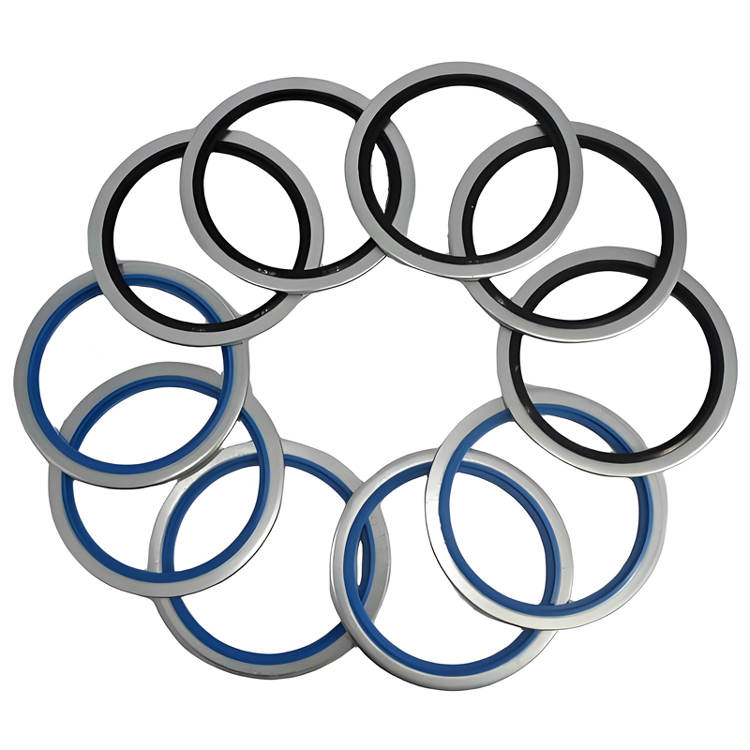
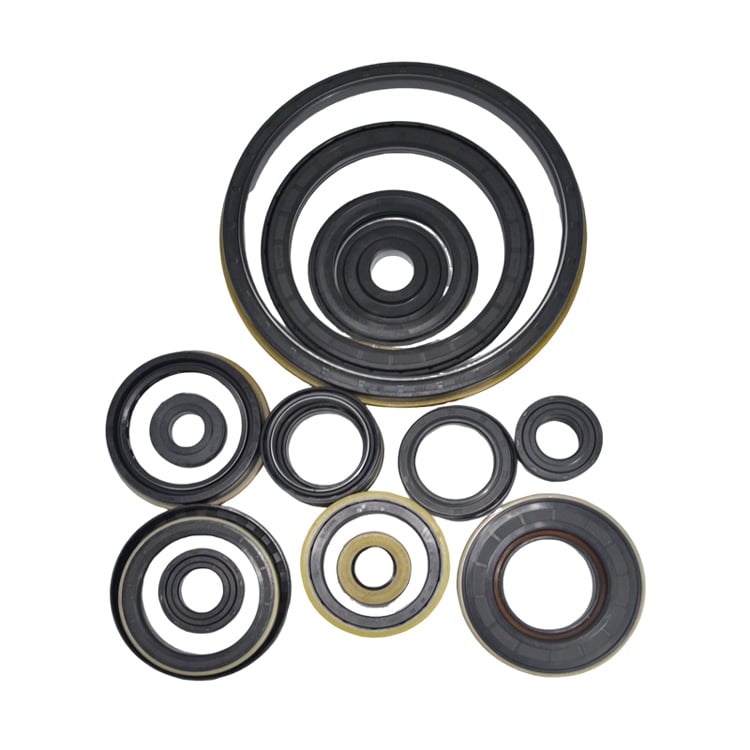
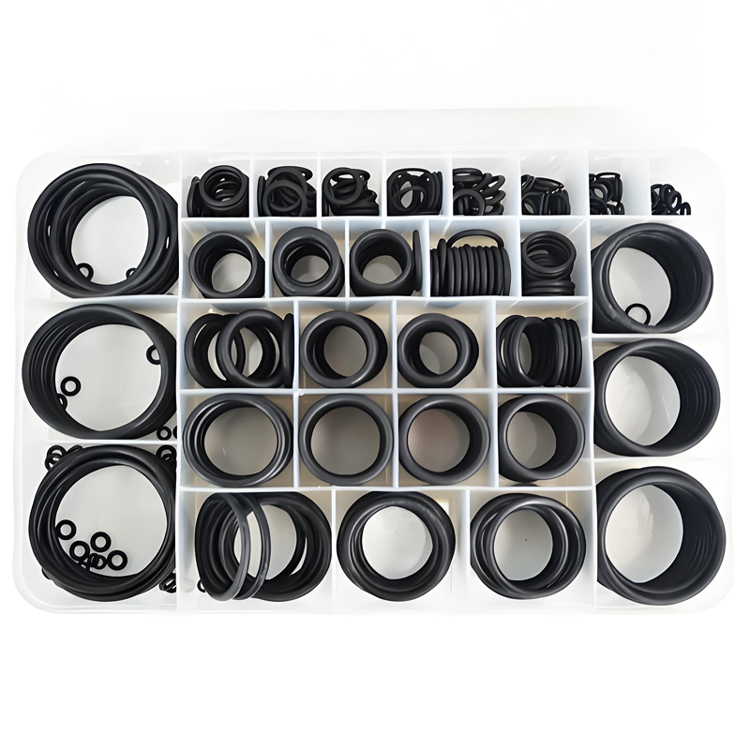
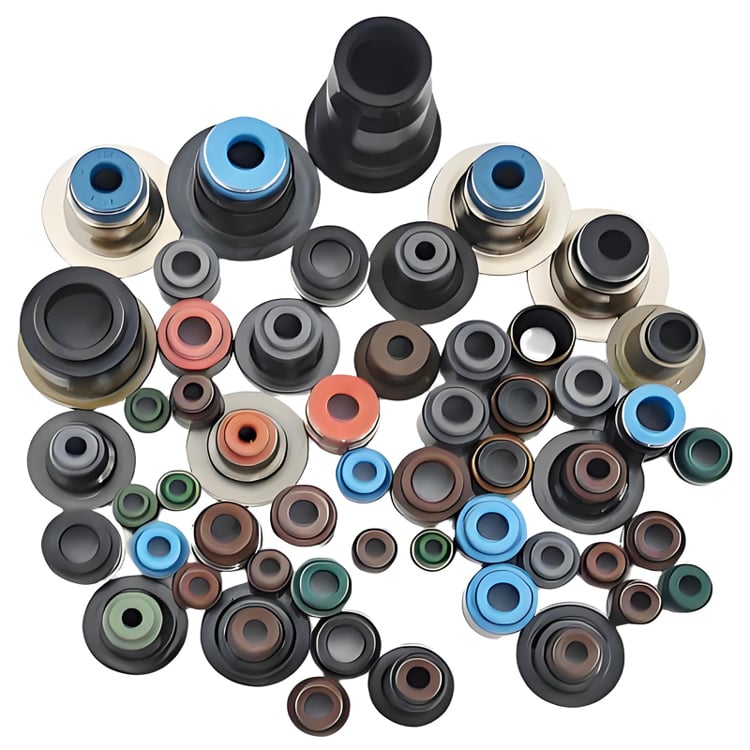
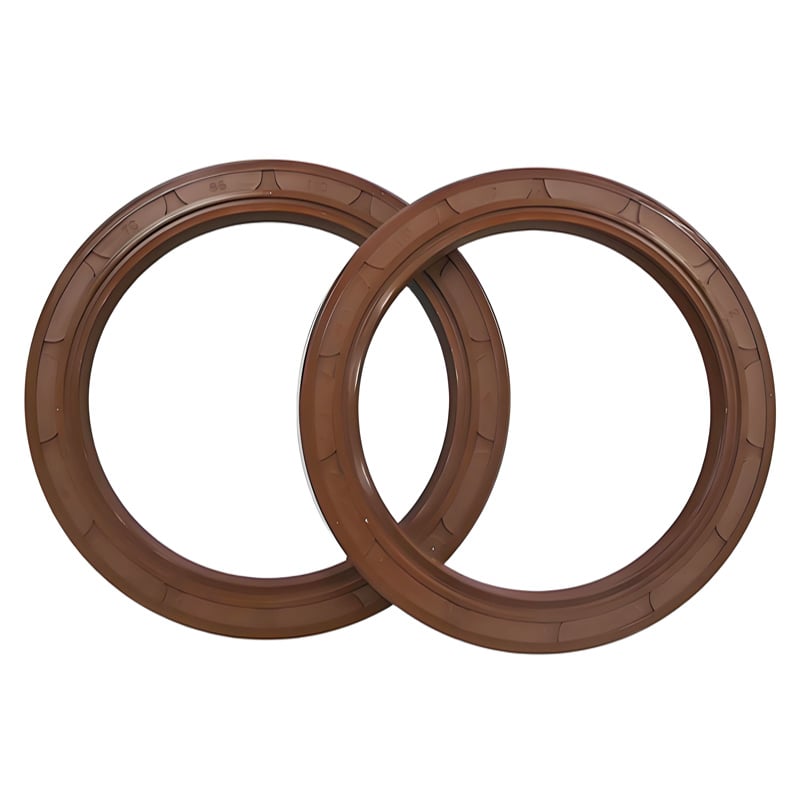
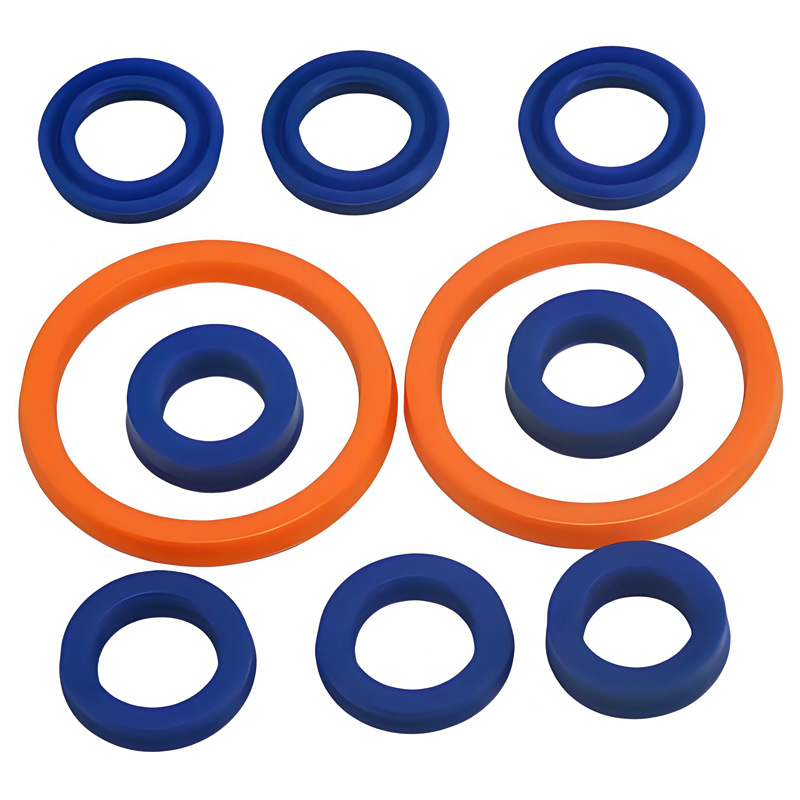
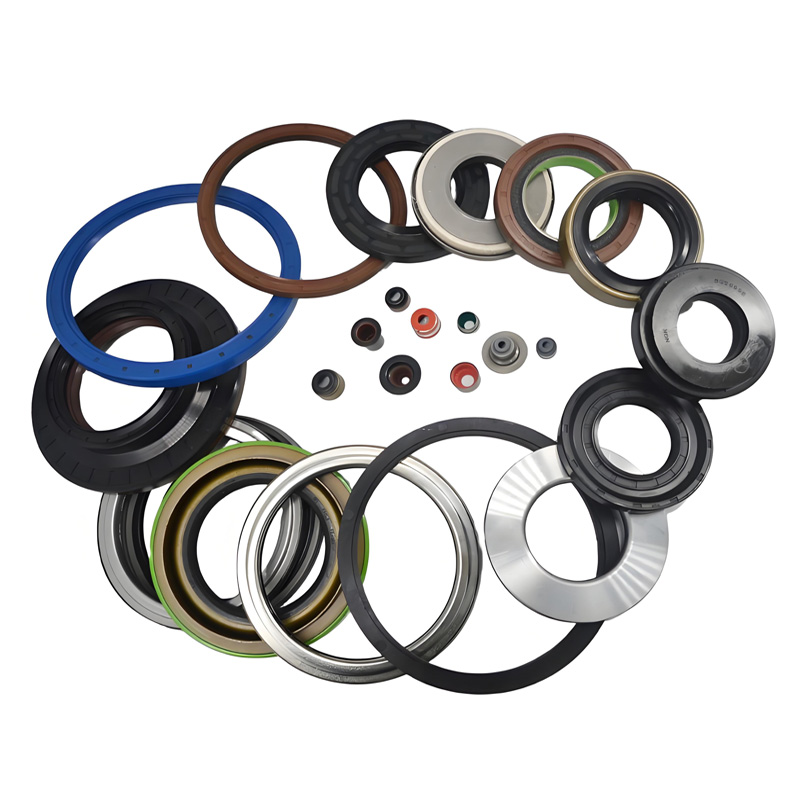
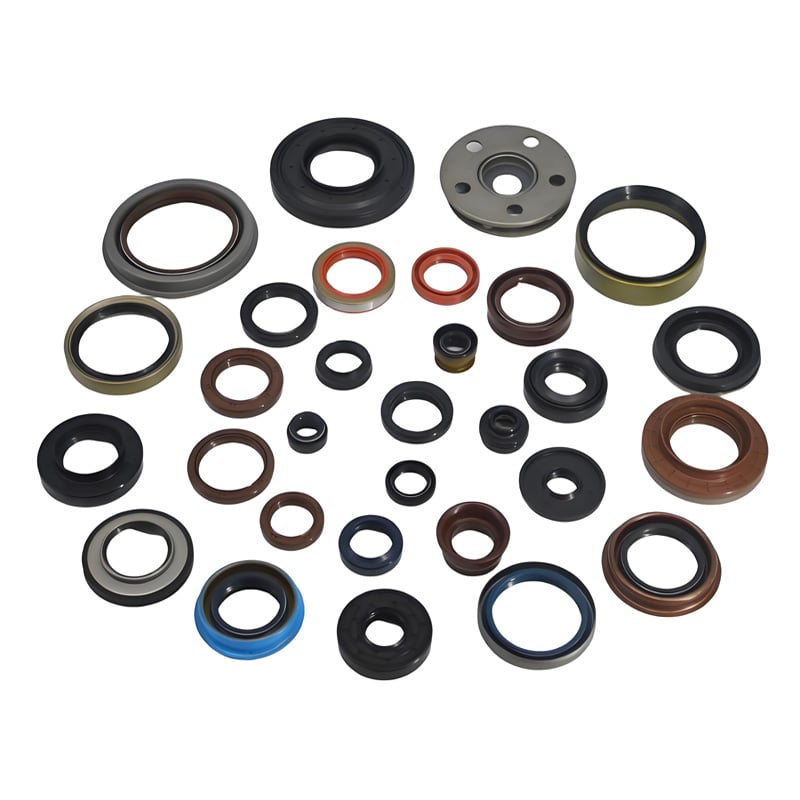
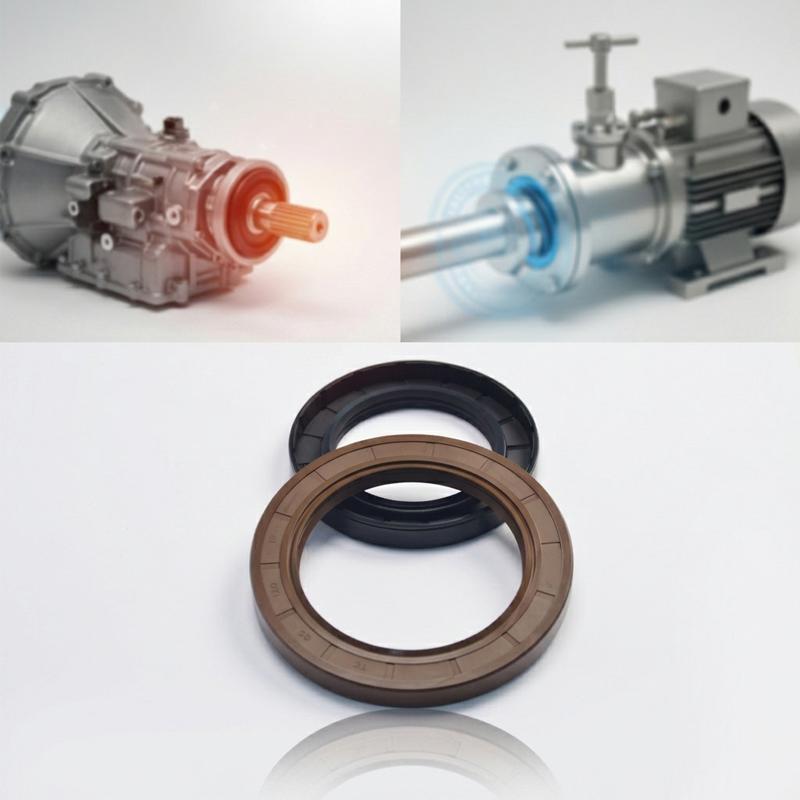
Rubber seal oil represents a specialized lubricant formulation designed specifically for maintaining and protecting rubber sealing components across diverse industrial applications. This advanced lubricant serves as a critical maintenance solution that extends the operational lifespan of rubber seals while ensuring optimal performance in demanding environments. The primary function of rubber seal oil centers on preventing degradation, cracking, and hardening of rubber materials that occur naturally through exposure to temperature fluctuations, chemical compounds, and mechanical stress. By creating a protective barrier on rubber surfaces, this oil maintains the flexibility and integrity of sealing components, preventing costly equipment failures and downtime. Technological features of rubber seal oil include its unique molecular composition that penetrates rubber compounds without causing swelling or deterioration. The formulation typically incorporates synthetic base oils combined with specialized additives that resist oxidation, thermal breakdown, and chemical contamination. These technological advancements ensure compatibility with various rubber types including nitrile, EPDM, silicone, and fluorocarbon elastomers. The oil maintains consistent viscosity across wide temperature ranges, making it suitable for applications from automotive systems to industrial machinery. Applications span numerous industries where reliable sealing performance proves essential. Automotive manufacturers utilize rubber seal oil in engine components, transmission systems, and hydraulic circuits where rubber seals must withstand extreme pressures and temperatures. Industrial facilities apply this lubricant to pneumatic systems, hydraulic equipment, and processing machinery where seal failure could result in production interruptions or safety hazards. Marine applications benefit from rubber seal oil's resistance to saltwater corrosion and environmental exposure. The aerospace industry relies on specialized formulations that meet stringent performance standards for aircraft hydraulic systems and environmental control equipment. Food processing facilities use food-grade versions that comply with safety regulations while maintaining sealing effectiveness.

New Products

Rubber seal oil delivers exceptional cost-effectiveness by significantly extending the service life of rubber sealing components, reducing replacement frequencies and associated maintenance costs. This preventive approach saves organizations substantial amounts compared to reactive maintenance strategies that address seal failures after they occur. The oil penetrates deep into rubber compounds, restoring elasticity to aging seals and preventing premature hardening that leads to leakage and system failures. Users experience improved operational reliability as treated seals maintain their sealing properties longer, reducing unplanned downtime and production interruptions. The versatile formulation works effectively across multiple rubber types, eliminating the need for inventory management of specialized products for different seal materials. This universal compatibility simplifies purchasing decisions and reduces storage requirements while ensuring consistent performance across various applications. Temperature stability represents another significant advantage, as rubber seal oil maintains its protective properties from sub-zero conditions to elevated operating temperatures common in industrial environments. This thermal resilience ensures reliable seal protection regardless of seasonal variations or process heating requirements. The oil resists chemical contamination from fuels, solvents, and process fluids that commonly encounter rubber seals in operational environments. This chemical resistance prevents accelerated degradation that occurs when incompatible substances contact rubber components. Application convenience enhances user adoption, as the oil applies easily through spray bottles, brushes, or automated dispensing systems without requiring special equipment or extensive training. Quick penetration means immediate protection begins upon application, while the non-staining formula prevents cosmetic damage to surrounding surfaces. Environmental benefits include reduced waste generation through extended seal life and decreased disposal requirements for failed components. The biodegradable formulations available in many rubber seal oil products minimize environmental impact while delivering superior performance. Enhanced safety results from reduced risk of system failures that could create hazardous conditions, particularly in high-pressure hydraulic systems where seal integrity directly impacts operator safety. Regular use of rubber seal oil creates predictable maintenance schedules, allowing organizations to plan preventive maintenance activities efficiently and avoid emergency repairs that disrupt operations and strain budgets.

Tips And Tricks

Why Do Professionals Prefer Premium Hydraulic Shaft Seal?

27

Nov

Why Do Professionals Prefer Premium Hydraulic Shaft Seal?

Industrial professionals across manufacturing, construction, and heavy machinery sectors consistently choose premium hydraulic shaft seals for their critical applications. These specialized sealing components serve as the backbone of hydraulic system...
View More
Which Rubber Oil Seal Materials Fit Heavy-Duty Machinery?

06

Jan

Which Rubber Oil Seal Materials Fit Heavy-Duty Machinery?

Heavy-duty machinery operates under extreme conditions that demand reliable sealing solutions to prevent fluid leakage and contamination. The selection of appropriate rubber oil seal materials plays a critical role in maintaining equipment performanc...
View More
What Is the Correct Installation Method for Oil Seals?

06

Jan

What Is the Correct Installation Method for Oil Seals?

Fundamentals of Proper Oil Seal Installation in Mechanical Systems Correct installation is one of the most critical factors affecting Oil Seal performance and service life. Even a high-quality Oil Seal can fail prematurely if it is installed incorrec...
View More
How to Choose Skeleton Oil Seal Models for Industrial Machinery

22

Apr

How to Choose Skeleton Oil Seal Models for Industrial Machinery

Selecting the appropriate skeleton oil seal models for industrial machinery requires understanding the unique operational demands of your equipment and matching them to specific seal characteristics. The choice directly impacts equipment reliability,...
View More

Get a Free Quote

Our representative will contact you soon.
Email
Telephone
Name
Company Name
Message
0/1000

rubber seal oil

Superior Penetration Technology for Maximum Protection

Superior Penetration Technology for Maximum Protection

The advanced penetration technology incorporated in rubber seal oil sets it apart from conventional lubricants and maintenance products. This innovative formulation utilizes molecularly engineered compounds that achieve deep infiltration into rubber matrices, reaching areas where surface treatments cannot provide adequate protection. The penetration process works by temporarily expanding the molecular structure of rubber compounds, allowing the protective agents to migrate throughout the seal material before the rubber returns to its original configuration, now enhanced with protective elements. This comprehensive coverage ensures that rubber seal oil provides protection from both internal and external degradation factors that typically compromise seal integrity over time. The molecular design specifically targets the polymer chains within rubber compounds, creating chemical bonds that resist breakdown from heat, oxygen, and mechanical stress while maintaining the flexibility essential for effective sealing performance. Unlike traditional treatments that merely coat surfaces, this penetration technology creates a permanent enhancement to the rubber material itself, providing long-lasting protection that withstands repeated compression cycles, temperature variations, and exposure to aggressive chemicals. The effectiveness of this technology becomes apparent in applications where seals experience extreme conditions, such as automotive engine environments where temperatures exceed 200 degrees Fahrenheit and pressures reach hundreds of PSI. In these demanding conditions, surface-only treatments quickly wear away or evaporate, leaving rubber components vulnerable to rapid degradation. However, rubber seal oil with superior penetration technology maintains its protective presence throughout the seal material, continuously preventing oxidation, plasticizer migration, and polymer chain scission that lead to seal hardening and failure. This technology proves particularly valuable in preventive maintenance programs where early intervention prevents costly equipment failures. Maintenance professionals apply rubber seal oil to aging seals before visible deterioration occurs, allowing the penetrating formula to rejuvenate rubber compounds and restore original flexibility. The process reverses early-stage hardening and prevents the formation of micro-cracks that eventually develop into major seal failures.
Multi-Material Compatibility for Universal Application

Multi-Material Compatibility for Universal Application

The exceptional multi-material compatibility of rubber seal oil eliminates the complexity and inventory burden associated with maintaining diverse sealing systems across industrial facilities and automotive applications. This universal compatibility stems from extensive research into rubber chemistry and the development of balanced formulations that enhance performance without causing adverse reactions in any commonly used elastomer materials. The oil works effectively with nitrile rubber seals found in fuel systems and hydraulic applications, providing chemical resistance and flexibility retention that prevents fuel-induced swelling and degradation. EPDM seals in cooling systems and weather sealing applications benefit from enhanced ozone resistance and temperature stability that extends service life in challenging environmental conditions. Silicone seals used in high-temperature applications receive improved thermal stability and flexibility retention that prevents hardening and cracking under extreme heat exposure. Fluorocarbon seals in chemical processing environments gain enhanced chemical resistance and dimensional stability that maintains sealing effectiveness when exposed to aggressive solvents and acids. This comprehensive compatibility eliminates the guesswork involved in selecting appropriate maintenance products for different seal materials, reducing the risk of compatibility-related failures that can occur when incorrect lubricants contact rubber components. The universal formulation prevents common problems such as seal swelling, softening, or chemical attack that result from incompatible product selection. Maintenance teams benefit from simplified inventory management, as a single product addresses the needs of multiple seal types throughout their facilities. This consolidation reduces storage requirements, simplifies procurement processes, and minimizes training requirements for maintenance personnel who no longer need to differentiate between various product types for different applications. The cost implications of this multi-material compatibility extend beyond inventory savings to include reduced risk of application errors and the associated costs of premature seal replacement or system damage. Quality control benefits emerge as maintenance procedures become standardized across different seal types, reducing variability in application techniques and outcomes. The universal nature of rubber seal oil also supports preventive maintenance programs by enabling comprehensive seal treatment during scheduled maintenance intervals, regardless of the variety of seal materials present in the equipment being serviced.
Extended Service Life Through Advanced Anti-Aging Protection

Extended Service Life Through Advanced Anti-Aging Protection

The advanced anti-aging protection provided by rubber seal oil represents a breakthrough in preventive maintenance technology that significantly extends the operational life of rubber sealing components through comprehensive protection against the primary degradation mechanisms that cause seal failure. This protection system addresses oxidation, thermal degradation, ozone attack, and mechanical fatigue through a sophisticated blend of antioxidants, thermal stabilizers, and flexibility enhancers that work synergistically to prevent the molecular changes that lead to seal hardening, cracking, and ultimate failure. Oxidation protection forms the foundation of this anti-aging system, utilizing primary and secondary antioxidants that interrupt the free radical chain reactions responsible for polymer degradation in rubber compounds. These antioxidants remain active throughout the service life of treated seals, continuously neutralizing oxidative species that form during normal operation and preventing the accumulation of oxidation products that cause rubber hardening and brittleness. Thermal stabilization components protect against the accelerated aging effects of elevated temperatures common in automotive and industrial applications. These thermal protectants prevent the chain scission and cross-linking reactions that occur when rubber compounds exceed their normal operating temperature ranges, maintaining molecular structure integrity that preserves sealing effectiveness. The ozone resistance enhancement addresses one of the most destructive environmental factors affecting rubber seals, particularly in outdoor applications or environments with electrical equipment that generates ozone. The protective system creates a barrier against ozone attack while neutralizing ozone molecules that contact the seal surface, preventing the formation of surface cracks that propagate into major seal failures. Mechanical fatigue protection addresses the cumulative damage from repeated compression and decompression cycles that eventually cause seal failure even under normal operating conditions. The rubber seal oil formula includes compounds that maintain polymer chain mobility and prevent the formation of stress concentration points that initiate crack propagation. This comprehensive protection extends service intervals significantly compared to untreated seals, with documented case studies showing service life extensions of 200-300 percent in demanding applications. The economic impact of this extended service life includes reduced maintenance costs, decreased inventory requirements for replacement seals, and improved operational reliability through reduced unplanned maintenance events that disrupt production schedules and strain maintenance resources.

Get a Free Quote

Our representative will contact you soon.
Email
Telephone
Name
Company Name
Message
0/1000