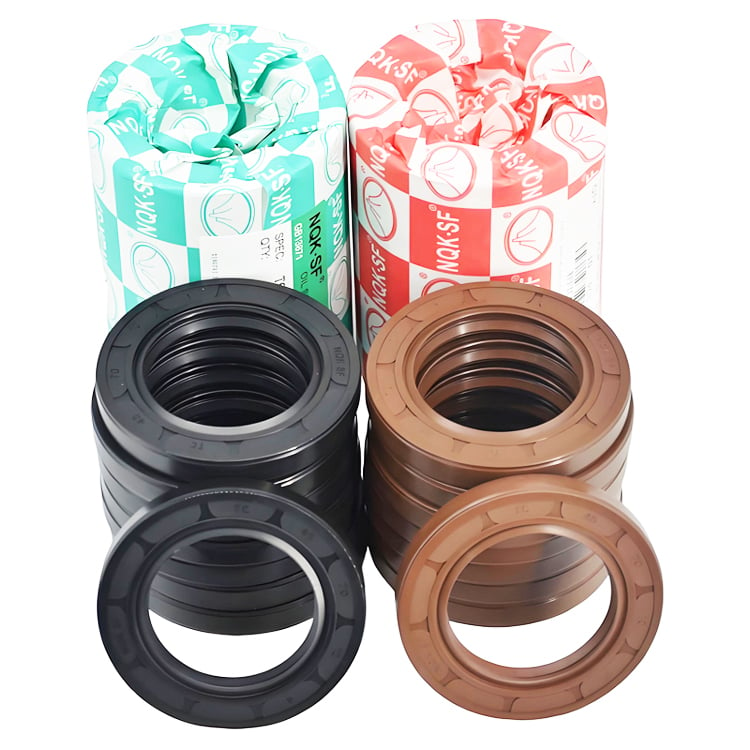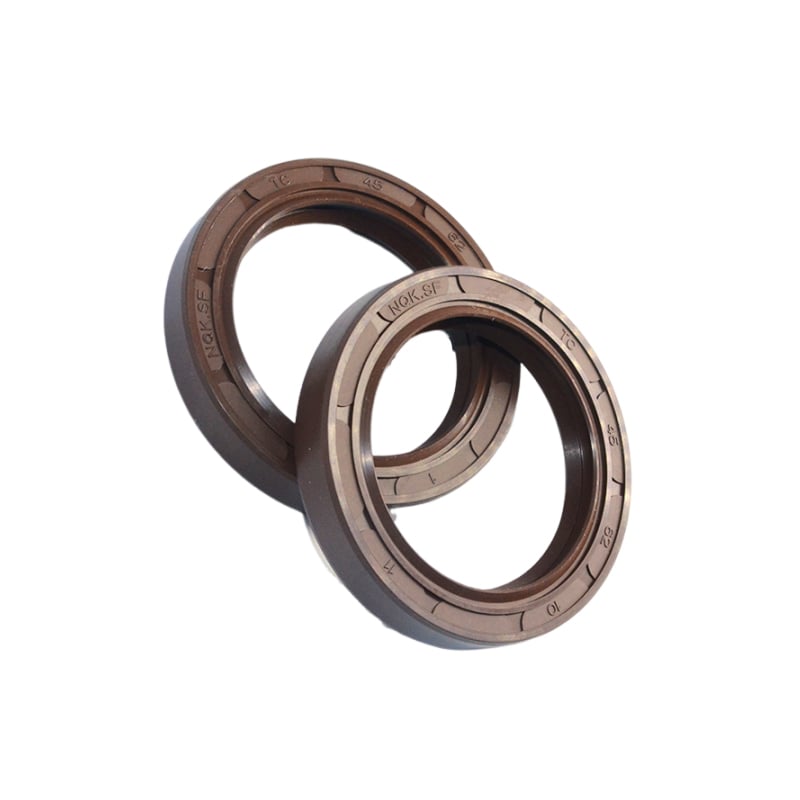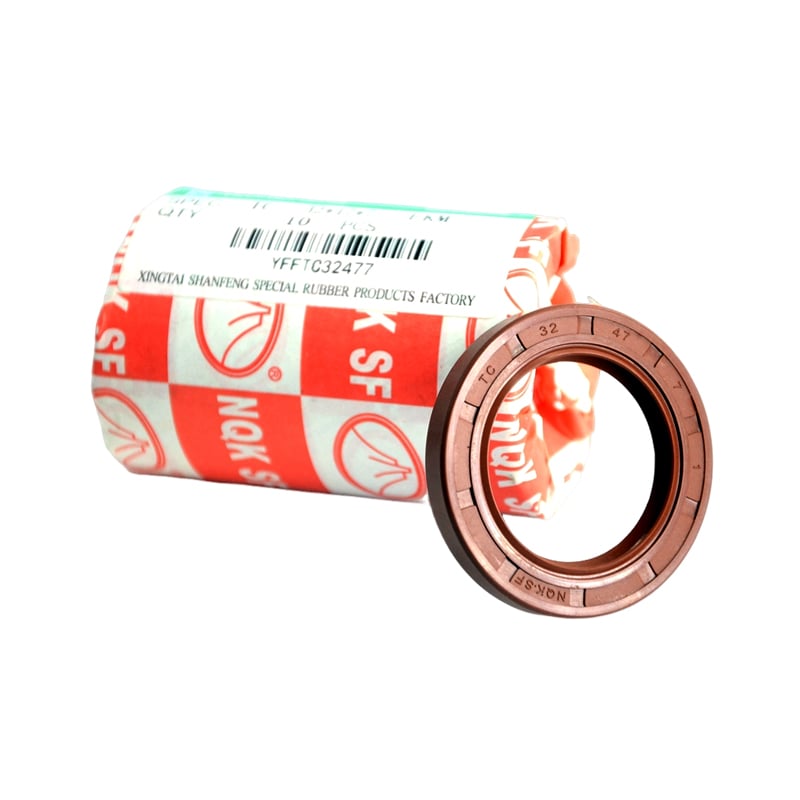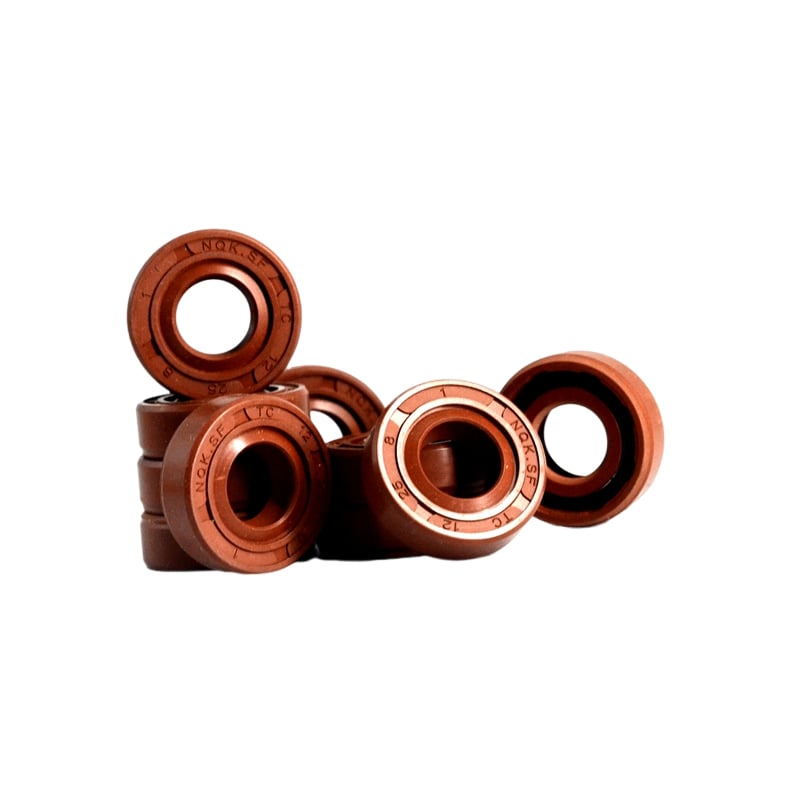

An oil seal works by creating a controlled sealing contact between the seal lip and the rotating shaft. Its purpose is not only to prevent lubricant leakage but also to reduce the entry of external contaminants into mechanical equipment.
Although the structure appears simple, the sealing process involves the interaction of several mechanical factors.
The Sealing Lip Creates the Contact Area
The most important working part of an oil seal is the sealing lip.
During operation, the lip maintains contact with the shaft surface. This contact creates a sealing zone that controls lubricant movement while allowing rotation.
The lip must maintain enough contact pressure to seal effectively, but excessive pressure can increase friction and heat.
A Thin Lubrication Film Is Important
The sealing lip does not normally operate as a completely dry contact surface.
A very thin lubricant film exists between the lip and shaft. This film helps reduce friction and wear while allowing the seal to operate continuously.
If lubrication conditions are poor, friction may increase and shorten seal life.
The Shaft Surface Influences Performance
Because the lip runs directly on the shaft, shaft quality affects sealing behavior.
A suitable surface finish helps maintain stable contact between the shaft and lip. Excessive roughness can increase wear, while surface damage such as grooves or scratches may create leakage paths.
For this reason, shaft inspection is an important part of seal replacement.
The Housing Supports Proper Positioning
The seal also depends on correct installation in the housing.
The outside diameter must fit properly, and the seal should be installed evenly without deformation. Incorrect positioning can affect lip contact and reduce sealing performance.
A Small Component With a Complex Function
Although an oil seal is a relatively small mechanical component, its performance depends on the cooperation between material, geometry, shaft condition, lubrication, and operating environment.
Understanding how an oil seal works helps engineers select, install, and maintain sealing components more effectively.
 Hot News
ShanFeng Special Rubber Products Co., Ltd., operating under brand NQKSF since 1990, is a global leader in the sealing industry.
Copyright © 2026 ShanFeng Special Rubber Products Co., Ltd. All rights reserved. Privacy Policy
 EN
EN