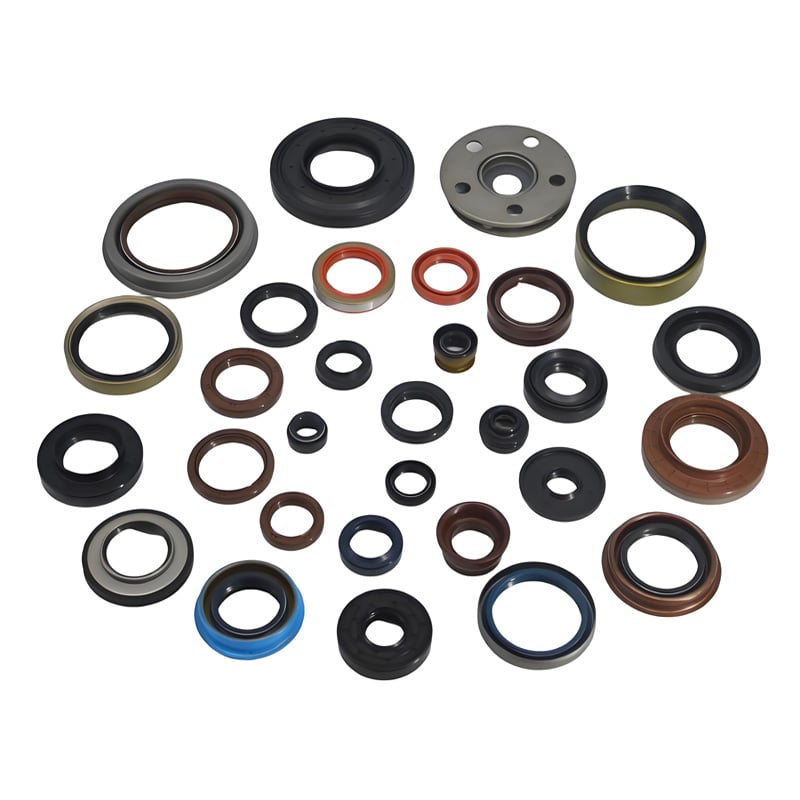
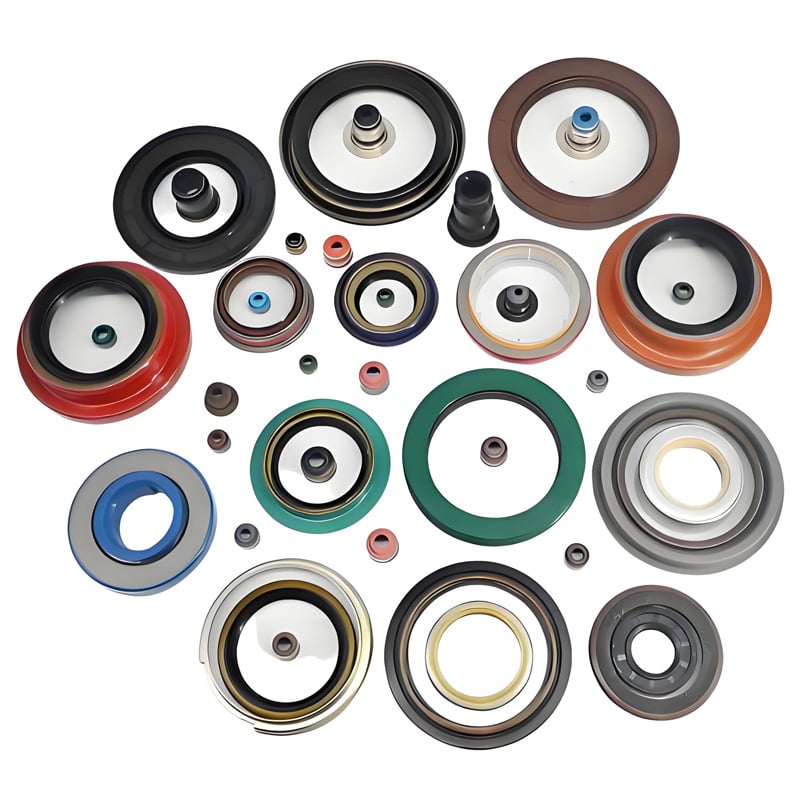
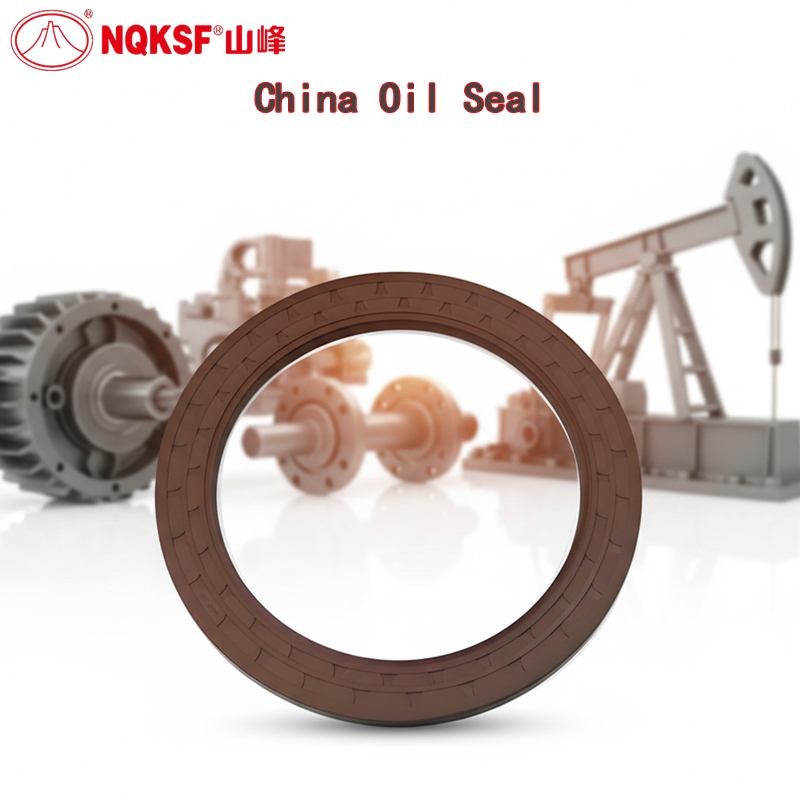
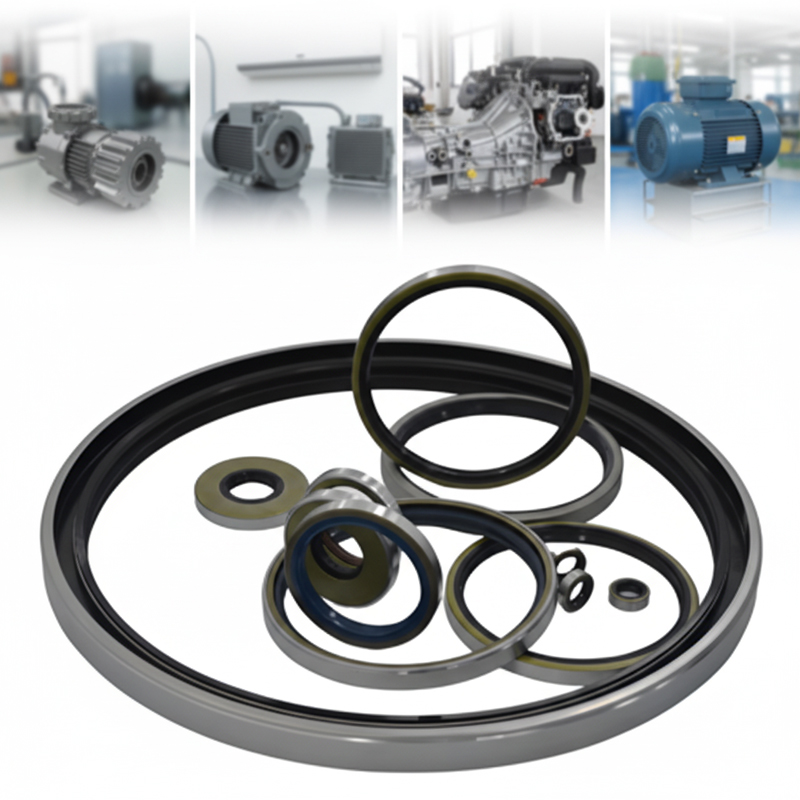
kifungo cha mafuta cha China
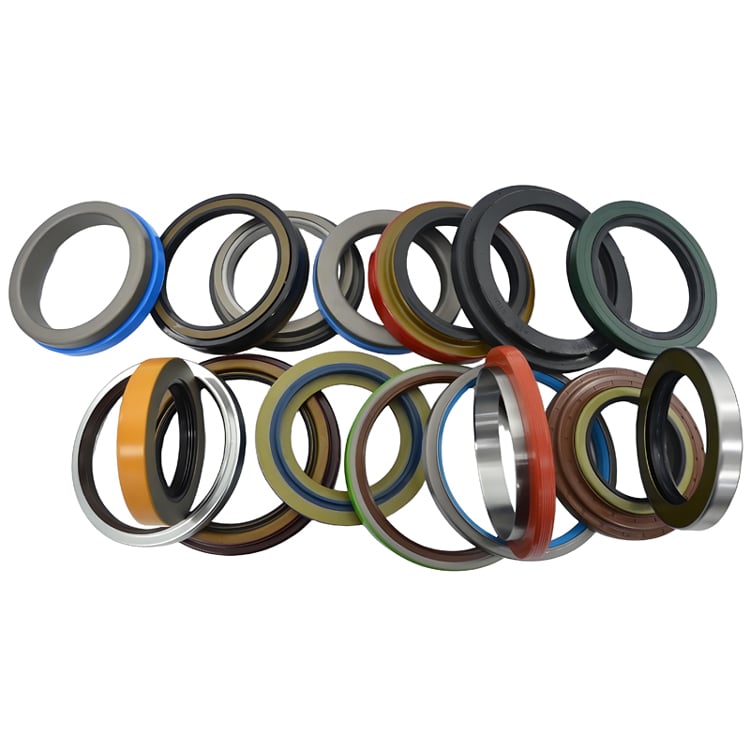
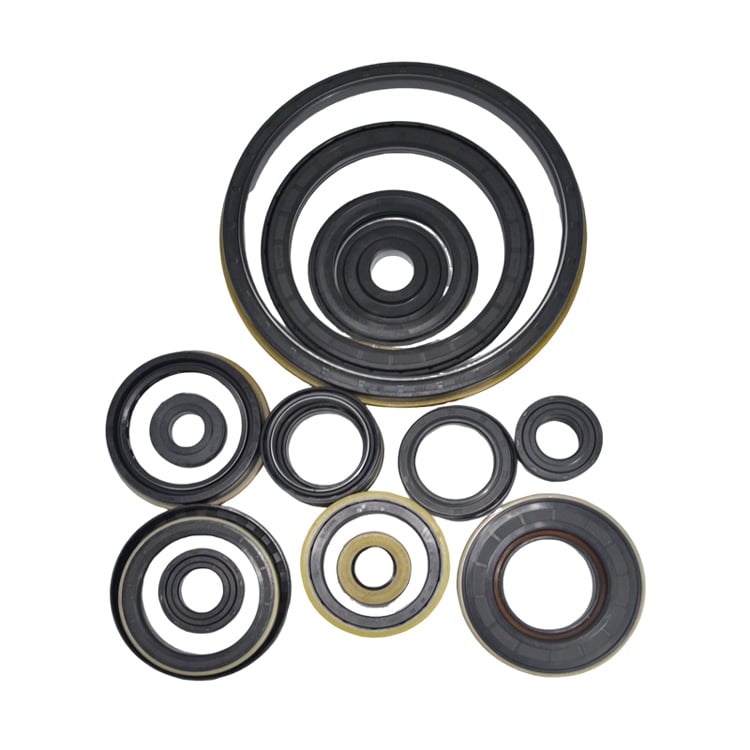
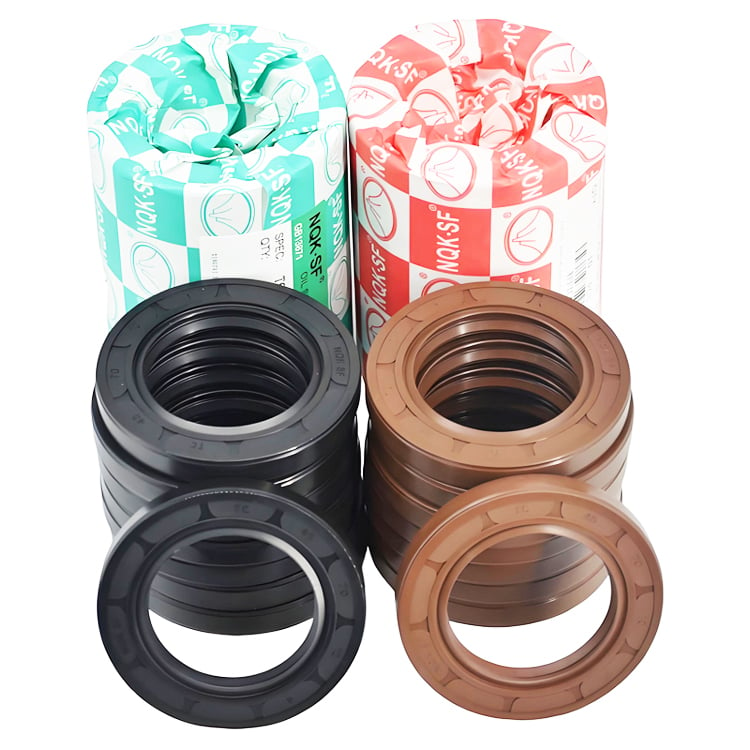
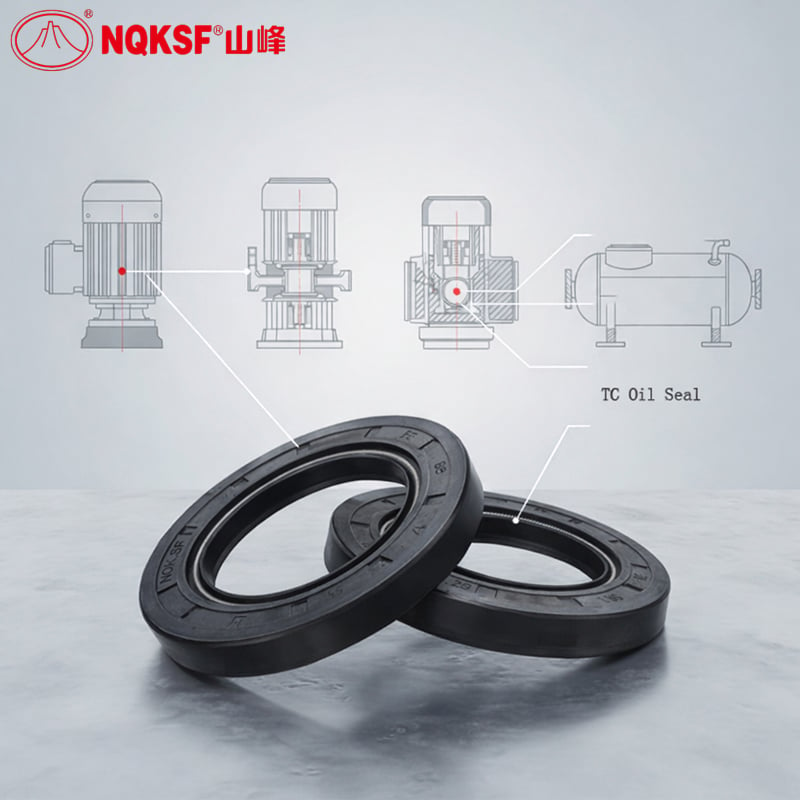
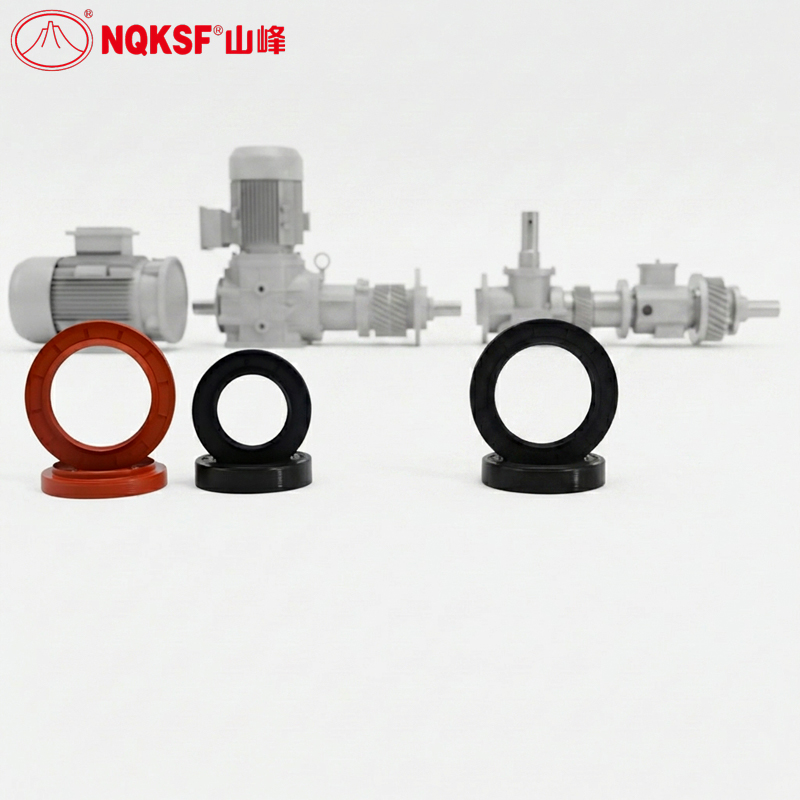
Kifungo cha mafuta cha China kina maana muhimu katika mashine za viwanda na matumizi ya magari, kimeundwa ili kuzuia kutokwa kwa mafuta wakati huendeleza ufanisi wa kazi. Kifungo cha mafuta cha China kina kazi ya kufunga kati ya sehemu zinazozunguka na zisizozunguka, kuhakikisha kwamba mafuta ya kuchanganya, mafuta ya hidrolik, na mafuta mengine muhimu yamefungwa ndani ya vyumba vya kawaida. Kifaa hiki kilichotengenezwa kwa uhakika kina jukumu muhimu katika kulinda mashine kutoka kwa uchafuzi na kuhakikisha kuwa mfumo wa kisasa unaweza kudumu muda mrefu. Vipengele vya teknolojia vya kifungo cha mafuta cha China vinajumuisha vitu vya elastomeric vya kisasa, vifungo vya metali vilivyotengenezwa kwa uhakika, na muundo wa mishipa uliojengwa kwa ajili maalum ili kujenga shinikizo la muktadha bora. Muundo wa kisasa wa kifungo cha mafuta cha China una jumuisha mishipa miwili na mekanismo ya kusimama kwa mshale ambayo inabadilika kulingana na mabadiliko ya shinikizo. Kifungo hiki kina utendaji wa mara moja katika aina ya joto kutoka kwa minus arobaini hadi chini ya mia moja ishirini na tano digiri silosi, ikawa ya kufaa katika mazingira ya viwanda mbalimbali. Matumizi ya kifungo cha mafuta cha China yanapambana na sekta nyingi, ikiwemo injini za magari, pombo za viwanda, sanduku la giridi, kompreso, na mfumo wa hidrolik. Wakuzaji wanategemea teknolojia ya kifungo cha mafuta cha China ili kupunguza gharama za usimamizi na muda wa kupumzika kwa sababu ya kutokwa kwa mafuta. Kifungo cha mafuta cha China kina kazi ya suluhisho la bei rahisi kwa biashara zinazotafuta utendaji bora wa kufunga bila kuharibu uhai wa vifaa au ufanisi wa kazi. Uwezekano wake wa kufanya kazi katika mahali popote na uthibitisho wa ufanisi wake umefanya kifungo hiki kuwa muhimu sana katika uhandisi wa kisasa wa mashine na shughuli za viwanda.

 EN
EN