 EN
EN
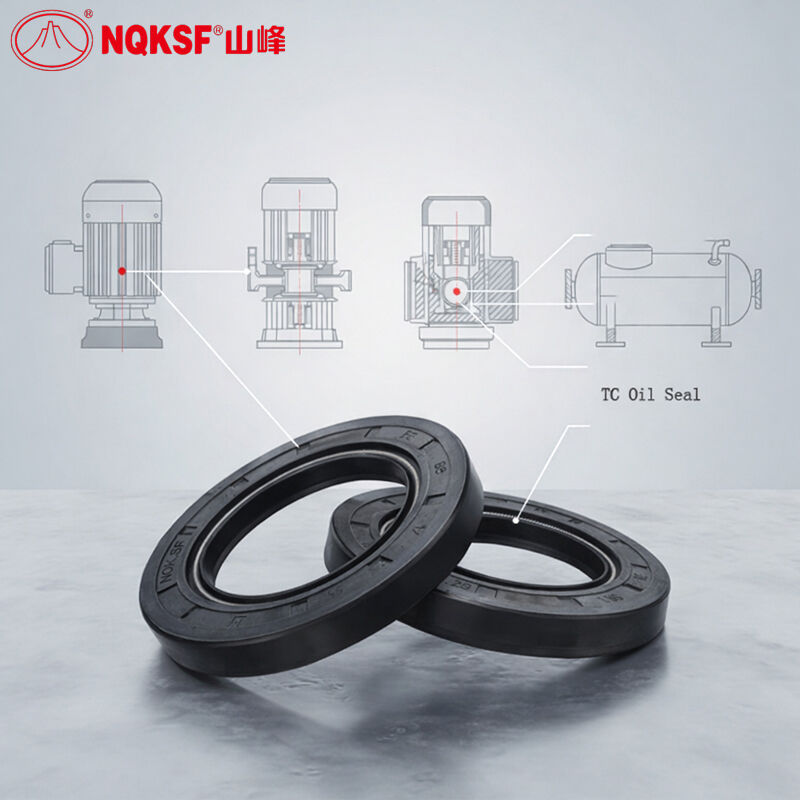
Kifungo cha mafuta ya TC cha shafu kinafungua kama sehemu muhimu za kufunga katika matumizi ya makinia inayozunguka katika viwanda vingi sana, ambapo kazi yake kuu ni kuzuia kutokwa kwa mafuta ya kuchanganya na kuzuia uingizo wa vifunguo vya nje. Vifungo hivi vya kuchanganya vilivyotengenezwa kwa uhakika vimekuwa muhimu sana katika mabahasha ya moto, mabahasha ya viwanda, silinda za hidrolik, na vifungo vya pombo ambapo utendaji bora wa kufunga shafu unahusiana moja kwa moja na uhamishaji wa muda mrefu wa vitu hivyo na ufanisi wa utendaji. Kuelewa matumizi maalum ambapo teknolojia ya kifungo cha mafuta ya TC inafanikiwa kwa wazi inasaidia wahandisi na wataalamu wa usimamizi kuchagua kifungo cha kuchanganya kwa hekima ili kuboresha utendaji wa makinia na kupunguza hatari ya kukatishwa kwa muda mrefu.
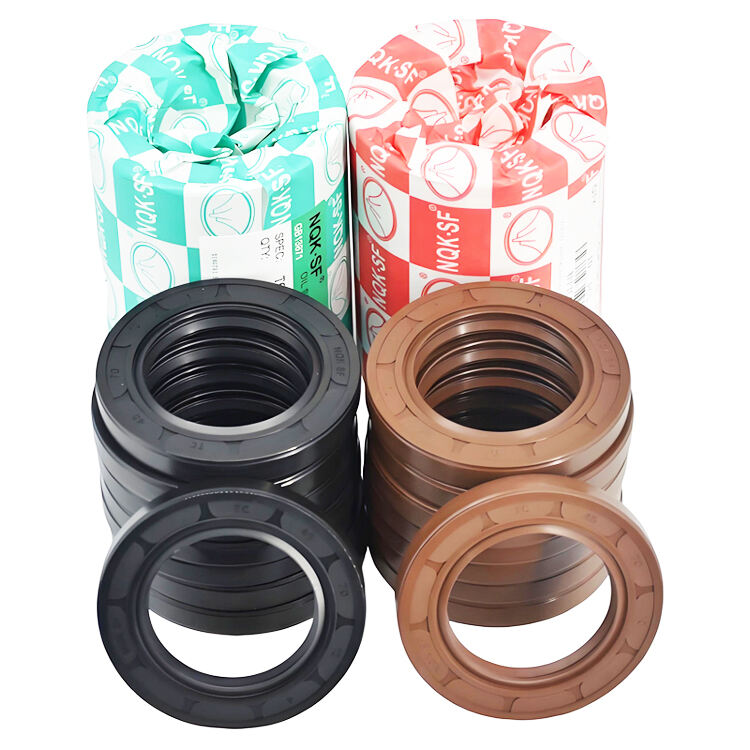
Uwezekano wa kutumika kwa ujumla wa vifungo vya mafuta ya TC ya shafiti unatokana na ujenzi wao wa nguvu unaofanya matukio ya metal ya nje pamoja na kipengele cha kufunga kinachotumia elastomeric ambacho kinaunda mawasiliano ya kushikilia kwa shafiti zinazozunguka. Ujenzi huu msingi unaruhusu matumizi ya vifungo vya mafuta ya TC kusuka kutoka kwa mitambo ya moto ya vihuruma vinavyotumika kwa kasi kubwa inayopitia elfu za RPM hadi kwa vifaa vya viwanda vinavyotumika kwa kasi ya chini na yanayohitaji udhibiti wa kina wa uvunaji. Toleo jipya la vifungo vya mafuta ya TC linajumuisha vitu vya kisasa na muundo wa mikono ya kufunga ambayo inaruhusu tofauti za shinikizo, vikomo vya joto, na mahitaji ya uсовместимости ya kemikali katika mazingira ya kazi tofauti.
Matumizi ya Sekta ya Usafiri
Mifumo ya Mitambo na Mifumo ya Nishati
Mishipa ya moto ya magari hujiendeleza sana kwenye teknolojia ya kifungo cha mafuta cha tc ili kudumisha mfumo wa kusafisha vizuri wakati huvunja uchafuzi wa mafuta na vinyo vya nje na unyevu. Matumizi ya kifungo cha mafuta cha tc kwenye shafiti ya msingi ya motor ni moja ya mazingira ya kikali zaidi kwa utendaji wa kifungo cha mafuta cha tc, ambapo kifungo kinahitaji kubeba mzunguko wa mara kwa mara, mabadiliko ya joto, na hali za shinikizo tofauti. Kifungo cha mbele na cha nyuma kwenye mishipa ya moto ya magari hutilia muundo maalum ya kifungo cha mafuta cha tc ambacho hukidhi kushindwa kwa shafiti ya msingi wakati inavyodumisha mawasiliano ya kufunga yanayotegemea kote katika muda wa uendeshaji wa motor.
Mifumo ya kutuma mafuta katika sekta ya viatu vya moto vinategemea vyombo vya kufunga mafuta ya kutuma (tc oil seal assemblies) vilivyoundwa kwa usahihi ili kudumisha mafuta ya kutuma wakati wanavyoondoa maji na mchanga ambayo yanaweza kuharibu uendeshaji wa nguzo. Vifungo vya shafiti ya kuingia, vifungo vya shafiti ya kutoa, na vifungo vya nguzo ya kujitenga (differential pinion seals) vinatumia teknolojia ya vifungo vya mafuta ya kutuma (tc oil seal) iliyopangwa kwa mahitaji maalum ya mifumo ya kutuma ikiwemo ukubwa wa uwezekano wa kufanana na mafuta ya nguzo na uwezekano wa kusimama dhidi ya shinikizo. Mifumo ya kutuma ya awtomatiki ya kisasa mara nyingi huwa na nafasi mbalimbali za vifungo vya mafuta ya kutuma (tc oil seal) ambazo lazima kushirikiana kwa usahihi ili kudumisha kiwango cha mafuta na viwango vya utakatifu vitakavyohitajika kwa uendeshaji bora wa kubadilisha nguzo.
Vyombo vya Kichwa cha Gari na Vifungo
Wheel kubeba makusanyiko katika magari ya abiria na malori ya kibiashara kutumia maalumu tc mafuta muhuri muundo iliyoundwa na kuhifadhi kubeba mafuta wakati kuzuia uchafuzi kutoka takataka barabara, maji, na chumvi mfiduo. Hizi magari tc matumizi mafuta kuziba lazima kubeba kasi ya mzunguko gurudumu, breki joto mfiduo, na hali tofauti mzigo ambayo hutokea wakati wa kawaida ya gari uendeshaji. utendaji kuziba moja kwa moja athari maisha kuzaa na usalama wa gari, kufanya sahihi kuchagua mafuta kuziba muhimu kwa wazalishaji wa magari na mafundi huduma.
Matumizi ya mizigo ya kubwa ya magari ya kuvuma yanaleta mahitaji zaidi kwenye muundo wa vifungo vya mafuta vya tc kwa sababu ya mzigo mkubwa, masaa ya uendeshaji ya urefu, na hali za mazingira ya makali ambazo huonekana katika usafirishaji wa biashara. Vipengele vya mfumo wa shahada ya gari la kuvuma, vya mfumo wa tofauti ya shahada ya kuvuma, na vya mwisho wa gurudumu vyote huitaji vifungo vya mafuta vya tc vya nguvu ili kudumisha uhai wa uvunja bila kuharibika kwa sababu ya mabadiliko ya joto na mashakani ya kimechaniki. Matumizi haya ya kipekee ya viatu vya moto mara nyingi yanataja vitu vya kuboresha vya vifungo vya mafuta vya tc na muundo uliojengwa kwa nguvu ili kukidhi muda mrefu wa huduma unaoagizwa na wafanyikazi wa vituo vya magari.
Matumizi ya Mashine za Viwanda
Mifumo ya Vifaa vya Uzalishaji
Vifaa vya uzalishaji katika viwanda vyote vinategemea teknolojia ya tc oil seal ili kudumisha mfumo wa uvinyo katika mashine muhimu za uzalishaji, ikiwa ni pamoja na zana za CNC, vifaa vya kuunganisha kwa njia ya kuvutia, na mifumo ya kuunganisha kwa kutumia roboti. Matumizi ya tc oil seal katika shafiti ya zana ya uzalishaji yanahitaji muundo wa uhakika unaoweza kusimamia mzunguko wa kasi juu wakati huo huo ukidhibiti uingizwaji wa maji ya kuchafua na sarafu za kuchafua katika uvinyo wa beringi. Utendaji wa kufunga kinaathiri moja kwa moja usahihi wa kuchafua na muda wa maisha ya zana, kama hivyo kuchagua tc oil seal yenye uaminifu ni jambo la muhimu sana kwa ufanisi wa uzalishaji.
Matumizi ya tc oil seal katika vifaa vya gearbox vya viwanda katika shughuli zote za uzalishaji hujumuisha vifaa vya tc oil seal vilivyoundwa kwa ajili ya mzunguko wa kudumu na hali tofauti za mzigo ambazo mara nyingi huwakilishwa katika mazingira ya uzalishaji. Mifumo ya kuendesha vifaa vya kusonga, vifaa vya gearbox vya kuchanganya, na vifaa vya kushughulikia vitu vya kuzunguka vinategemea kwa kiasi kikubwa kwenye utendaji wa kufunga kwa namna bora. seali ya Oil TC utendaji kwa ajili ya kudumisha uvunja wa kutosha wakati wa kuzuia vifaa vya kuvuruga ambavyo vinaweza kusonga haraka uvurugu au kusababisha uharae mapema. Matumizi haya ya viwanda mara nyingi yanahitaji maelezo ya kipekee ya kifaa cha kuvunja kwa ajili ya mafuta (tc oil seal) ili kufanana na hali za kufanya kazi na muda wa usimamizi unaohitajika.
Mifumo ya Pombo na Mchongezaji
Matumizi ya pombo za kuzunguka (centrifugal pump) katika uchakataji wa maji, usindikaji wa kemikali, na mifumo ya HVAC (hewa, uvunja, na uvunja wa baridi) hutumia teknolojia ya kifaa cha kuvunja kwa ajili ya mafuta (tc oil seal) ili kujidhihirisha sehemu ya mifupa ya pombo kutoka kwa vifaa vya kusindika, wakati huo huo kudumisha uvunja wa kutosha. Kifaa cha kuvunja kwa shafiti ya pombo kinahitaji kufanana na mabadiliko ya kasi, shinikizo, na mahitaji ya ukompatibulity ya kemikali kulingana na matumizi maalum ya pombo na sifa za vifaa vya kusindika. Uundaji wa kifaa cha kuvunja kwa ajili ya mafuta (tc oil seal) unahitaji kufanya usawazisho kati ya utendaji wa kuvunja na kiwango cha msisitizo uliopatikana ili kuzuia kujengwa kwa joto zaidi ambacho lingeweza kuharibu vifaa vya kuvunja au utendaji wa pombo.
Mifumo ya mchongoma wa hewa katika uuzaji na matumizi ya huduma ya magari yanategemea vifungo vya kuvunja mafuta ya tc maalum ili kugawanya vyumba vya kuchongwa na mifumo ya kuvunja mafuta wakati huwezekani kuhakikisha usambazaji wa mafuta kwa sehemu muhimu. Mifumo ya mchongoma ya rotary inatumia nafasi mbalimbali za vifungo vya kuvunja mafuta ya tc ambavyo lazima viendane ili kuzuia mafuta kuingia katika mifumo ya hewa iliyochongwa wakati huwezekani kuhakikisha kwamba kuvunja mafuta kinapata kutosha kwa mabegi na sehemu za geri. Matumizi haya ya mchongoma mara nyingi yanataja vifungo vya kuvunja mafuta ya tc vilivyoundwa kwa ajili ya kusimama dhidi ya joto la juu na bidhaa za uvunjaji wa oksijeni zinazopatikana mara nyingi katika mazingira ya hewa iliyochongwa.
Matumizi ya Mifumo ya Kilimo
Mifumo ya Traktori na Vyombo
Traktor za kilimo na zana zao zinashughulikia mazingira ya nje yenye changamoto ambapo utendaji wa kifungo cha mafuta cha tc kuhusiana moja kwa moja na uaminifu wa vifaa wakati wa shughuli muhimu za kilimo. Mifumo ya kutuma nguvu ya traktor, mafumbo ya maji ya kihydraulic, na vyombo vya kutoa nguvu (power take-off) vinatumia teknolojia ya kifungo cha mafuta cha tc iliyoundwa kuweza kubeba unyevu, unyuzi, na mabadiliko ya joto yanayotokana na matumizi ya kilimo. Mifumo ya kufunga inahitaji kudumisha utendaji wake hata wakati wa kuhifadhiwa kwa muda wa msimu na mtiririko wa matumizi ya kisasa ambao ni kawaida katika matumizi ya vifaa vya kilimo.
Mifumo ya kuendesha yanayotumika kama vile mafuta ya kupanda, mafuta ya kufanya ukanda, na vifaa vya kusafisha vinahitaji muundo wa kuvimba kwa mafuta ya TC yenye nguvu ili kujikubali kasi tofauti, mzigo, na hali za mazingira yanayopatikana wakati wa uendeshaji katika shambani. Matumizi ya mafuta ya TC katika sekta ya kilimo hayo inapaswa kupinga uchafuzi kutoka kwa mabaki ya mimea, chembe za udongo, na unyevu wakati wa kudumisha utunzaji wa mafuta kwa muda mrefu wa uendeshaji. Uchaguzi wa mafuta mara nyingi unazingatia uwezo wa kudumu na upinzani dhidi ya uchafuzi zaidi kuliko uwezo wa kuvimba kwa usahihi unaohitajika katika matumizi mengine ya viwanda.
Vifaa vya Kuosha na Kuprosesa
Mifumo ya kusinisiza mashamba hutumia teknolojia ya tc oil seal katika vifungo vya pombo, mifumo ya ubao wa gari, na vifungo vya kufanya kazi ya valvu ambapo utendaji bora wa kufunga kuhakikisha usafirishaji wa maji kwa muda mrefu kwa mimea wakati wa mizani ya kukua. Matumizi ya pombo ya kusinisiza yanahitaji muundo wa tc oil seal unayofanana na ubaguzi wa maji wakati inavyoendelea kuhakikisha uvinyo wa mikono ya kubeba katika mazingira ya nje yanayopaswa kubeba mabadiliko ya hali ya hewa. Mifumo ya kufunga inahitaji kujumuisha mzunguko wa shughuli za kila msimu na hali mbalimbali za shinikizo zinazotokana na mfumo wa usimamizi wa maji katika mashamba.
Vifaa vya kuchakata mimea ikiwa ni pamoja na mabomu ya mbegu, vifaa vya kuchanganya chakula cha wanyama, na vifaa vya kusonga vimelekezwa kwa kutumia vifungo vya oleo vya tc vilivyoundwa kwa uendelezi wa uendelezi katika mazingira yenye maji ya hewa ambapo udhibiti wa uvurugu unahusiana moja kwa moja na uhamishaji wa vifaa. Matumizi haya ya kuchakata mara nyingi yanataja muundo wa kipekee cha kipande cha vifungo vya oleo vya tc na vitu vilivyotengenezwa ili kuzuia uvurugu kutoka kwa maji ya kilimo wakati huo huo vikubaliana na kufunga vizuri kwenye shafiti zinazozunguka. Mahitaji ya utendaji wa vifungo huvumilia uvurugu kutoka nje pamoja na muda wa kudumisha unaofaa kwa shughuli za kilimo.
Maombi ya Majini na Offshore
Mifumo ya Kukuza na Kuongoza
Mifumo ya kuhamisha meli inategemea teknolojia ya kipekee ya vifungo vya mafuta ya tc ili kuzima mafuta ya mshakani na ya mfumo wa kutuma kutoka kwa uwezekano wa kufanana na maji ya chumvi, pamoja na kujumuisha mali ya haraka na vibarubaru vya meli. Vifungo vya shafiti ya propela, vifungo vya sehemu ya nyuma ya meli, na vifungo vya shafiti ya rudder inatumia muundo wa vifungo vya mafuta ya tc iliyopangwa kwa matumizi ya meli ambapo uwezekano wa kupigwa na uvimbe na uwezekano wa kuzuia maji ni muhimu sana. Matumizi haya ya meli yanahitaji vifungo vya mafuta ya tc yenye vitu na njia za ujenzi vinavyoweza kubeba ubaguzi wa mara kwa mara wa maji ya chumvi bila kuharibu utendaji wa kufunga.
Mifumo ya kudhibiti mwelekeo wa meli na vifungo vya kuchukua nguvu vinatumia teknolojia ya kifungo cha mafuta ya tc iliyoundwa kuendeleza utakatifu wa mafuta ya hidrolikali wakati huondoa maji ya bahari ambayo yanaweza kuharibu uendeshaji wa mfumo. Mifumo muhimu hii ya usalama wa meli inategemea utendaji bora wa kifungo cha mafuta ya tc ili kuhakikisha uwezo wa kubadilisha mwelekeo wa meli katika safari ndefu na hali tofauti za bahari. Mahitaji ya kufunga mara nyingi huamuru upungufu zaidi wa uvimbe na ustahimilivu wa kimekaniki ili kufanana na hali ngumu za huduma zinazotokana na matumizi ya mifumo ya kusonga meli.
Mifumo ya Kazi ya Jengo la Juu na Mifumo ya Kuchukua
Vifaa vya kipanga cha meli, ikiwemo vifaa vya kuvuta, vifaa vya kuchukua na mfumo wa kushughulikia mchanga, hutumia mikanda ya kufunga ya mafuta ya tc yenye nguvu ili kudumisha mfumo wa kusabatisha hata kwa mafuta ya maji ya chumvi na hali za anga za meli. Matumizi haya ya vifaa vya kipanga yanahitaji mikanda ya kufunga ya mafuta ya tc yenye uwezo wa kushughulikia uendeshaji wa kisasa, mzigo unaobadilika, na mazingira ya kuharibu yanayotokana na uendeshaji wa meli wa mizigo. Uchaguzi wa mikanda ya kufunga unazingatia uwezo wa kuzuia uvunjaji na ustawi wa kimekaniki zaidi ya uwezo wa kufunga kwa usahihi unao hitajika katika matumizi mengine ya viwanda.
Vifaa vya kuchuma na uzalishaji kwenye bahari hutumia teknolojia ya kipekee ya kifurushi cha mafuta cha tc iliyoundwa kuweka mfumo muhimu wa kusambaza mafuta katika mazingira ya bahari yenye changamoto ambapo kushindikana kwa vifaa kinaweza kusababisha kuvunjika kwa uendeshaji kwa kiwango cha kuzungumzia. Matumizi haya ya bahari mara nyingi yanataja vitu vya kifurushi cha mafuta cha tc vilivyobanishwa zaidi na njia za ujenzi zinazolinda dhidi ya uvimbe wa maji ya chumvi wakati huo huo huweka uhakika wa kufunga kwa kudumu hata kwa mabadiliko ya joto na mgawanyo wa nguvu unaohusiana na uchuma na uzalishaji wa petroli na gesi kwenye bahari.
Maswali Yanayoulizwa Mara kwa Mara
Yafupi gani huamua ufanisi wa kifurushi cha mafuta cha tc kwa matumizi maalum?
Maombi ufanisi wa kuchagua kifurushi cha mafuta cha tc unategemea kasi ya uendeshaji, aina ya joto, tofauti ya shinikizo, ufanisi wa kinyume cha kemikali na mafuta ya kusambaza na ubaguzi wa mazingira, uso wa shafu la kishale, na muda wa maisha unaohitajika. Wataalamu wa uhandisi wanahitaji kutathmini vipengele hivi dhidi ya vigezo maalum vya kifurushi cha mafuta cha tc ili kuhakikisha utendaji bora wa kufunga na uaminifu wa vifaa.
Vipengele gani vya kutumia kifungo cha mafuta cha tc vina tofauti kati ya mazingira ya viwanda na ya matumizi ya magari?
Matumizi ya kifungo cha mafuta cha tc katika viwanda vya magari huishia kwenye muundo wa mkubwa, kupunguza uzito, na uchaguzi wa bei rahisi kwa uzalishaji wa wingi, wakati matumizi ya viwanda hupendeza uwezo wa kudumu, uwezo wa kurekebisha, na muda mrefu wa kufanya kazi. Muundo wa kifungo cha mafuta cha tc katika viwanda mara nyingi hujumuisha vitu vya ubora juu na ujenzi uliojaa nguvu ili kushinda kufanya kazi kwa muda mrefu na hali za mazingira yanayodhoofisha.
Je, teknolojia ya kifungo cha mafuta cha tc inaweza kusaidia matumizi ya mafuta ya juu ya shinikizo?
Muundo wa kawaida wa kifungo cha mafuta cha tc unalenga kwanza matumizi ya shinikizo chini na ya wastani, kwa kawaida chini ya shinikizo la tofauti ya 5 PSI. Mifumo ya mafuta ya shinikizo la juu inahitaji suluhisho maalum ya kufunga ikiwemo muundo unaofanana na shinikizo au muundo tofauti wa kufunga uliojengwa hasa kwa hali za huduma ya mafuta na mahitaji ya shinikizo.
Mazoezi ya uzimaji gani yanafanya kazi bora zaidi ya kifungo cha mafuta cha tc katika matumizi muhimu?
Kufanya kazi bora ya kifungo cha mafuta cha tc inahitaji mbinu za uwekaji sahihi, utunzaji wa hali ya uso wa shafiti, chaguo la mafuta ya kufanana, hatua za kuzuia uchafuzi, na uchunguzi mara kwa mara kwa alama za uvunjivu. Kufuata maelekezo ya mtengenezaji kuhusu nguvu ya kuzima, mipaka ya kuzunguka kwa shafiti, na muda wa kubadilisha kifungo hupatia uhakika wa kufanya kazi bora ya kufunga kote kwa muda uliotarajwa wa huduma.
Orodha ya Maudhui
- Matumizi ya Sekta ya Usafiri
- Matumizi ya Mashine za Viwanda
- Matumizi ya Mifumo ya Kilimo
- Maombi ya Majini na Offshore
-
Maswali Yanayoulizwa Mara kwa Mara
- Yafupi gani huamua ufanisi wa kifurushi cha mafuta cha tc kwa matumizi maalum?
- Vipengele gani vya kutumia kifungo cha mafuta cha tc vina tofauti kati ya mazingira ya viwanda na ya matumizi ya magari?
- Je, teknolojia ya kifungo cha mafuta cha tc inaweza kusaidia matumizi ya mafuta ya juu ya shinikizo?
- Mazoezi ya uzimaji gani yanafanya kazi bora zaidi ya kifungo cha mafuta cha tc katika matumizi muhimu?