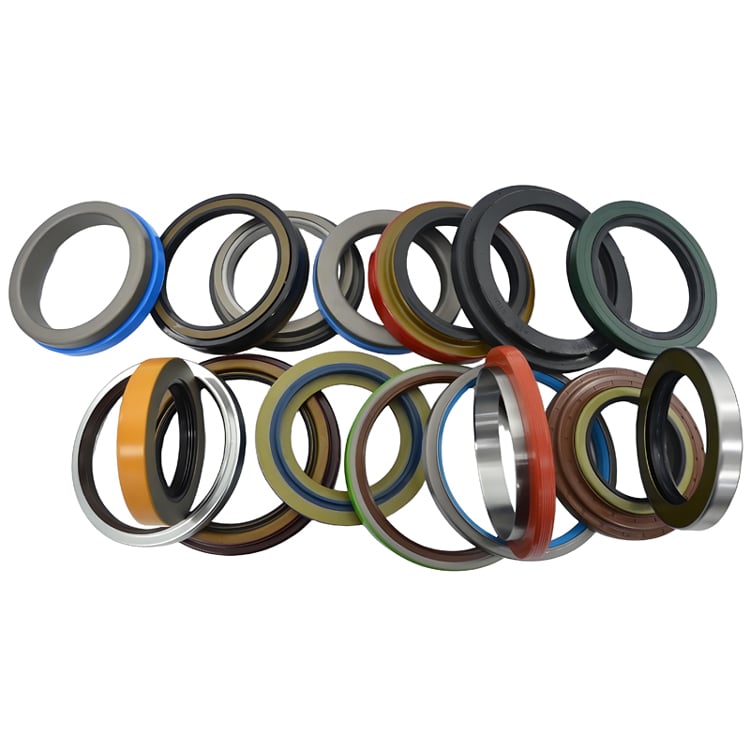
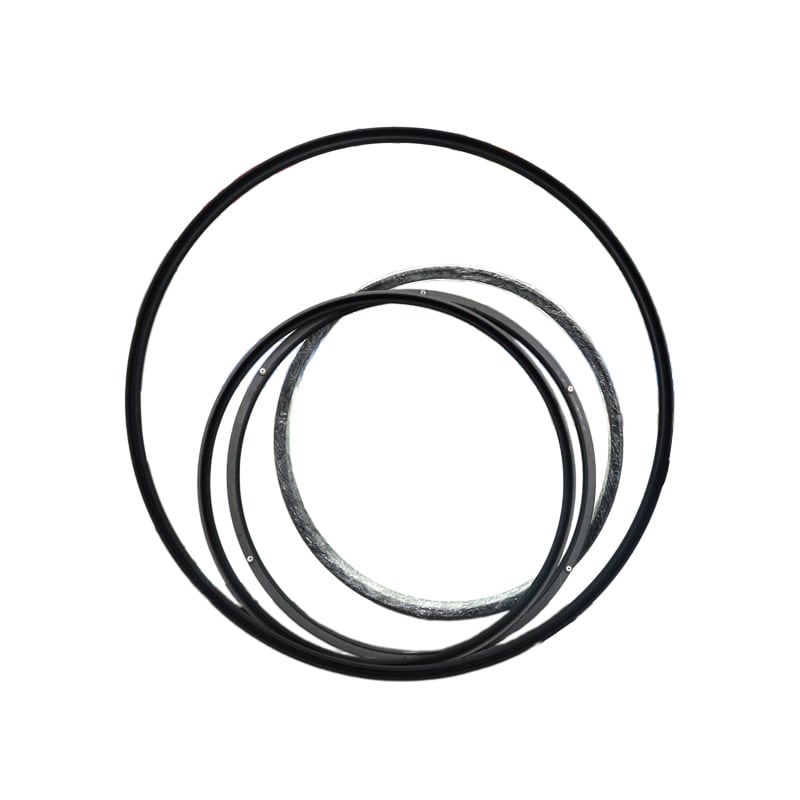
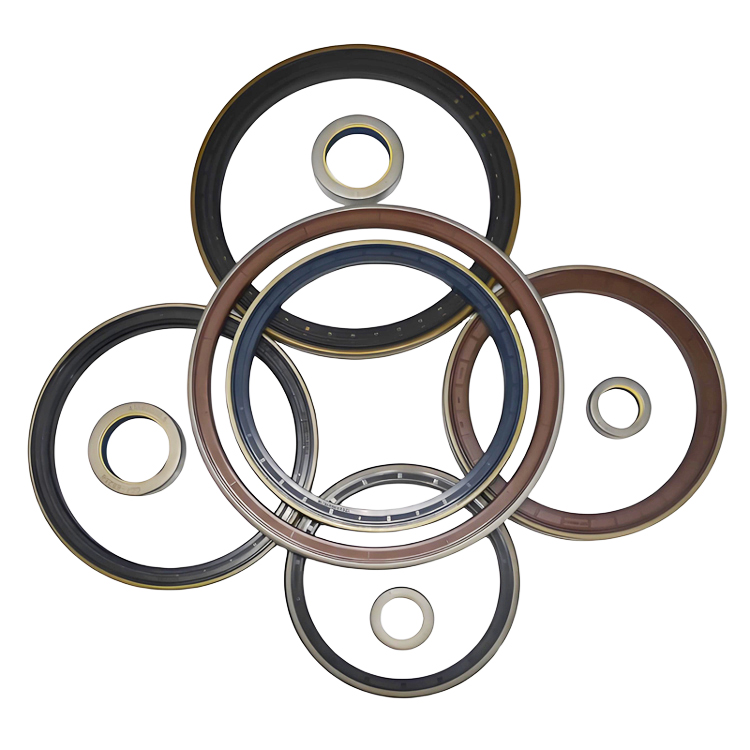
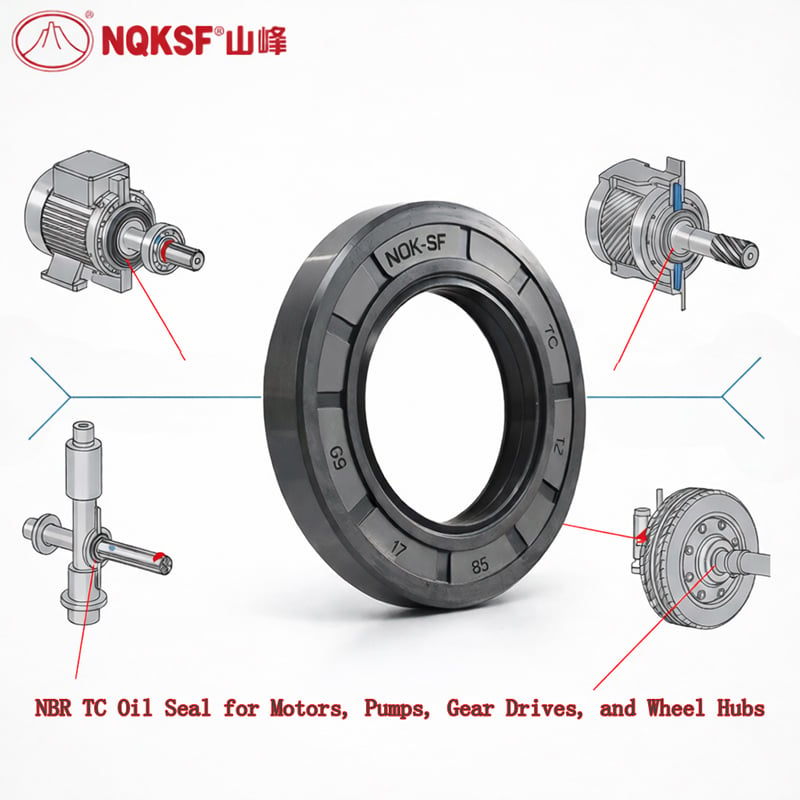
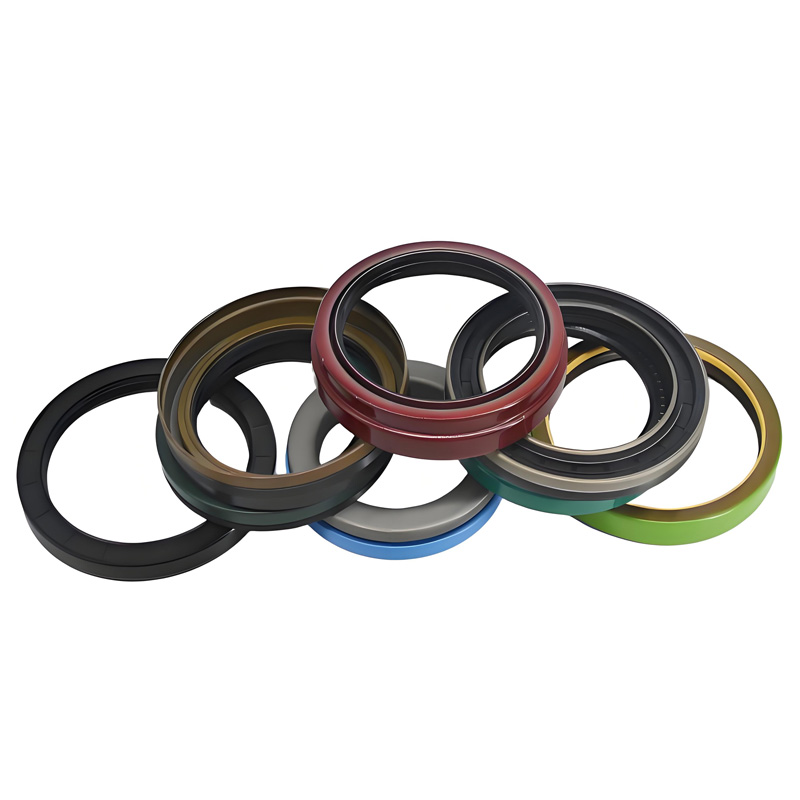
ekskavator yog' muhri
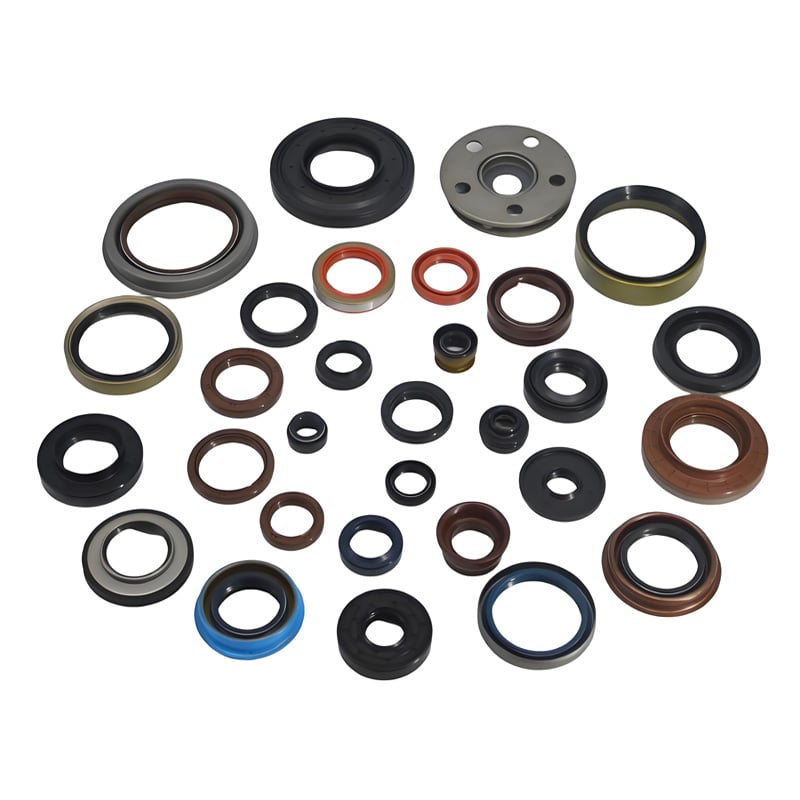
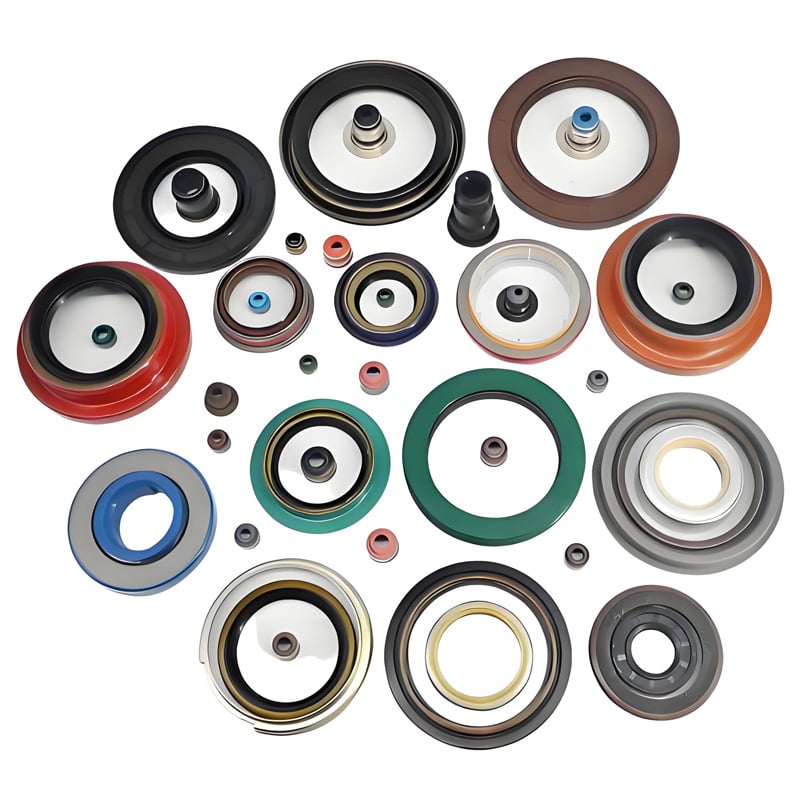
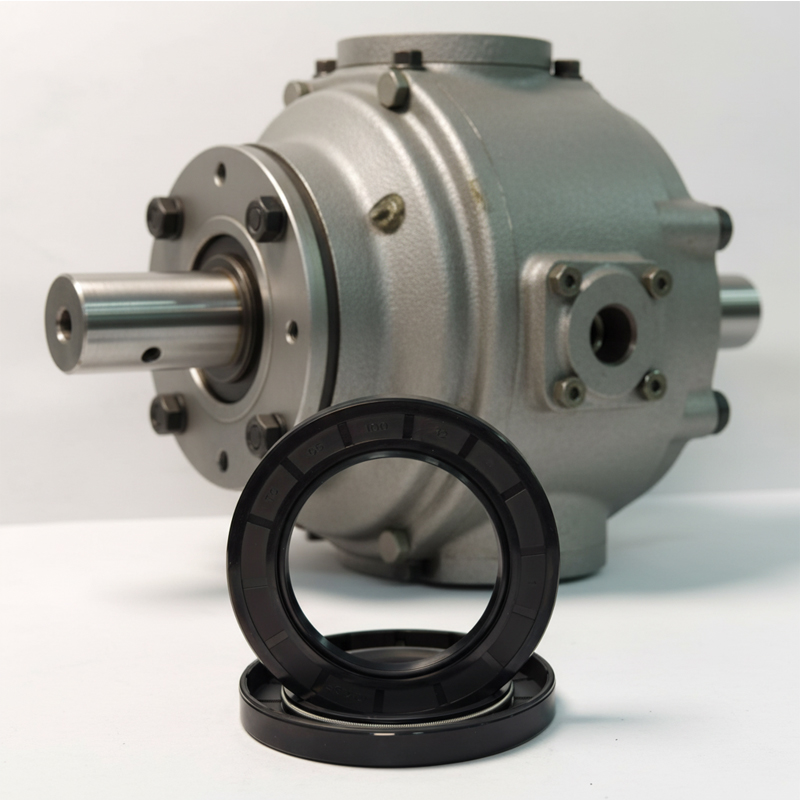
Ekskavator moy sig'imi — og'ir texnika uskunalardan gidravlik moyining oqib ketishini oldini oladigan muhim komponent. Bu zarur qism ekskavatorlar va qurilish uskunalari ichidagi harakatlanuvchi va harakatsiz qismlar orasida to'siq hosil qilib, tizimning butunligini saqlaydi. Ekskavator moy sig'imi bosim ostidagi moylarni ushlab turish orqali, shuningdek, valning nazorat ostidagi aylanishiga imkon berish orqali, ifloslanishni va ishlash samarasizligini oldini oladi. Zamonaviy ekskavator moy sig'imi texnologiyasi qurilish muhitida odatda uchraydigan ekstremal haroratlar, yuqori bosim va qattiq ish sharoitlariga chidamli ilg'or elastomer materiallardan foydalanadi. Bu sig'imlar ikki labali dizaynga ega bo'lib, aniq muhandislik yechimlari bilan ta'minlangan, bu esa qiyin ish sharoitlarida optimal ishlashni ta'minlaydi. Ekskavator moy sig'imi odatda metall qopqoqlar bilan mustahkamlangan sintetik rezina birikmalaridan tashkil topgan bo'lib, doimiylik va uzun xizmat muddatini ta'minlaydi. Ekskavator moy sig'imi qurilish, konchilik, peyzaj dizayni va og'ir uskunalar ishlab chiqarish kabi ko'plab sohalarda qo'llaniladi. Ekskavatorlar gidravlik tizimlari, g'ildirak silindrlari, vagoncha boshqaruv qurilmalari va harakatlanuvchi mexanizmlari bo'ylab bir nechta ekskavator moy sig'imi birliklariga tayanadi. Ekstremal haroratlarda yoki abraziv muhitda ishlayotganda ham ekskavator moy sig'imi barqaror ishlash va ishonchlilikni saqlaydi. Ekskavator moy sig'imi komponentlarini to'g'ri o'rnatish va ularga e'tibor berish texnikaning xizmat muddatini, ishlash samarasini va umumiy loyiha foydasini bevosita ta'sirlaydi. Ekskavator moy sig'imi vazifasini tushunish operatorlar va texnik xizmat ko'rsatish jamoalariga uskunani maksimal samarali ishlashini ta'minlash va kutilmagan to'xtashlarni kamaytirish imkonini beradi.

 EN
EN