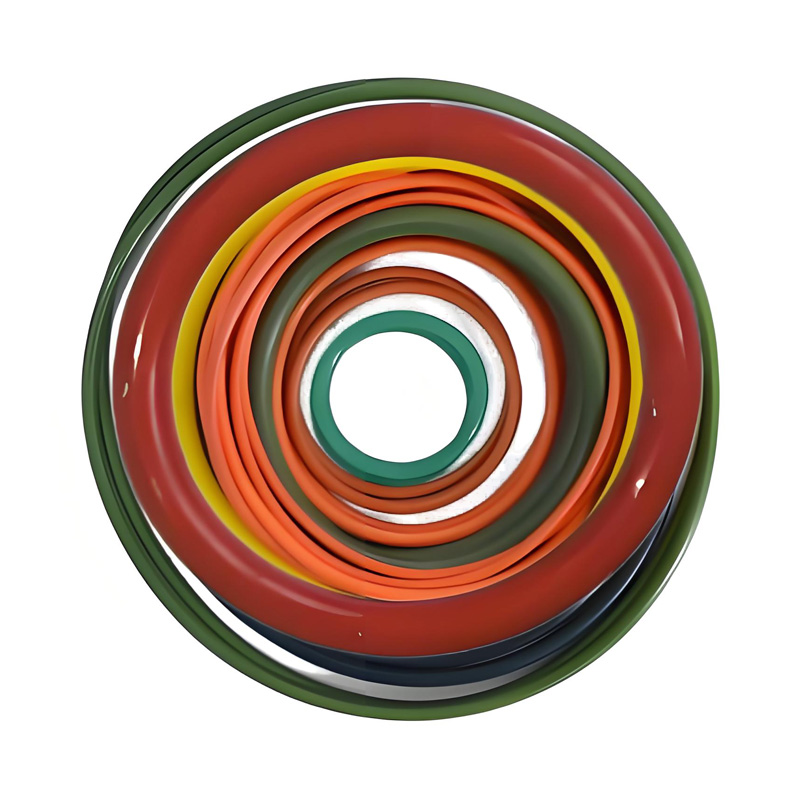
moy sig'imlari halqasi
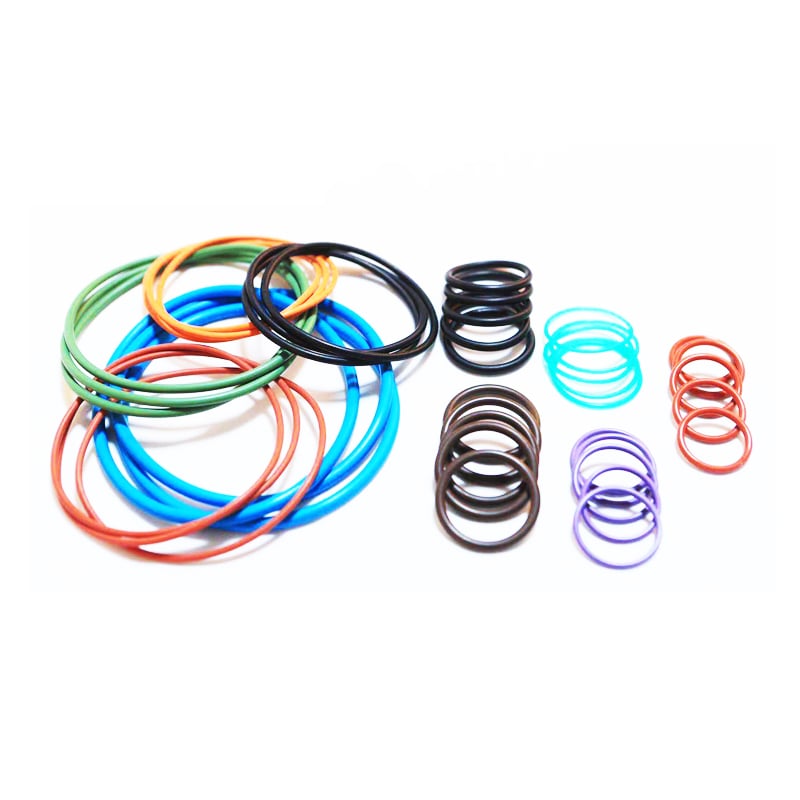
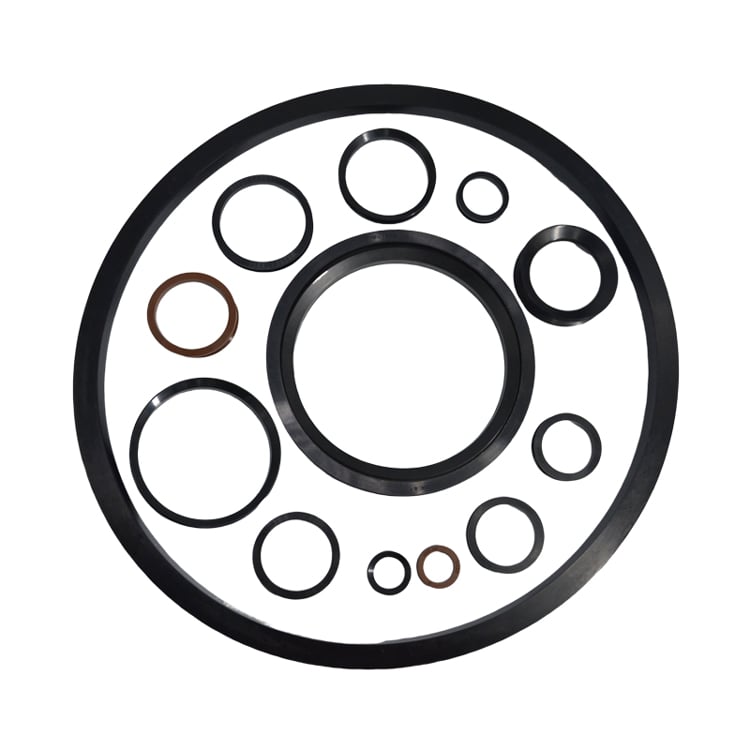
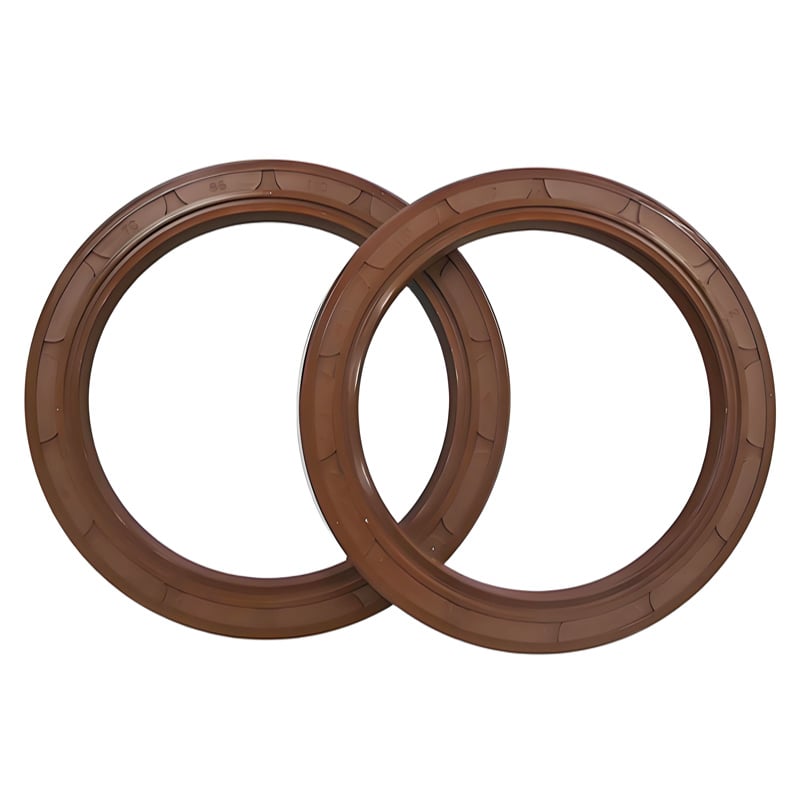
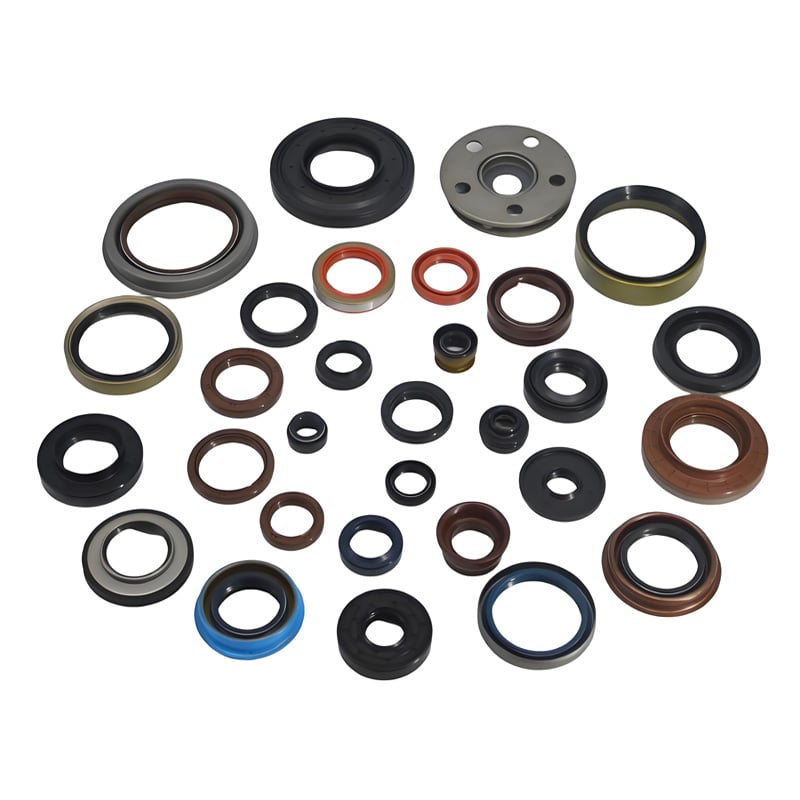
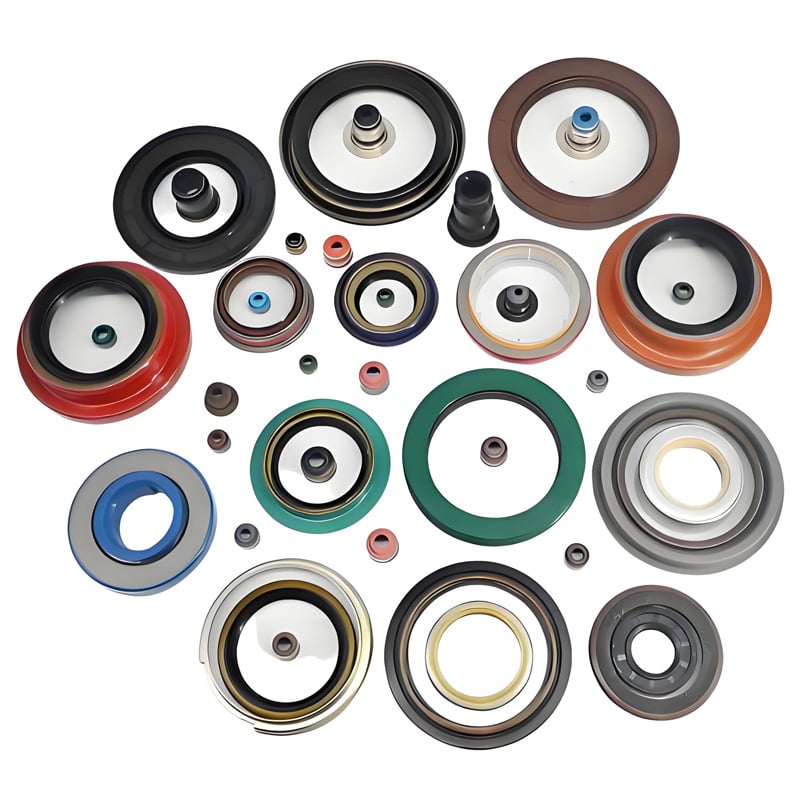
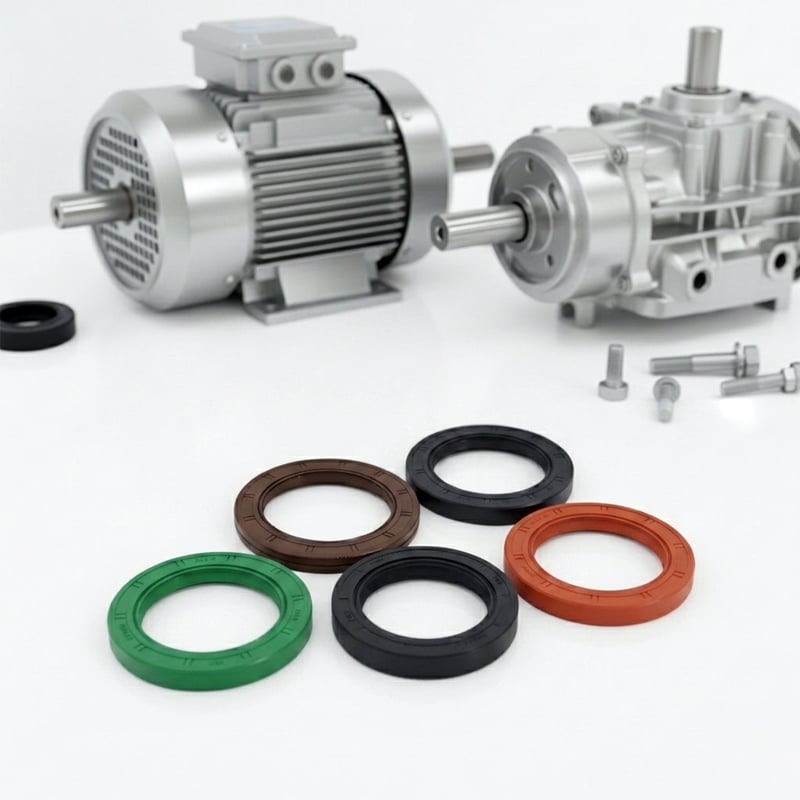
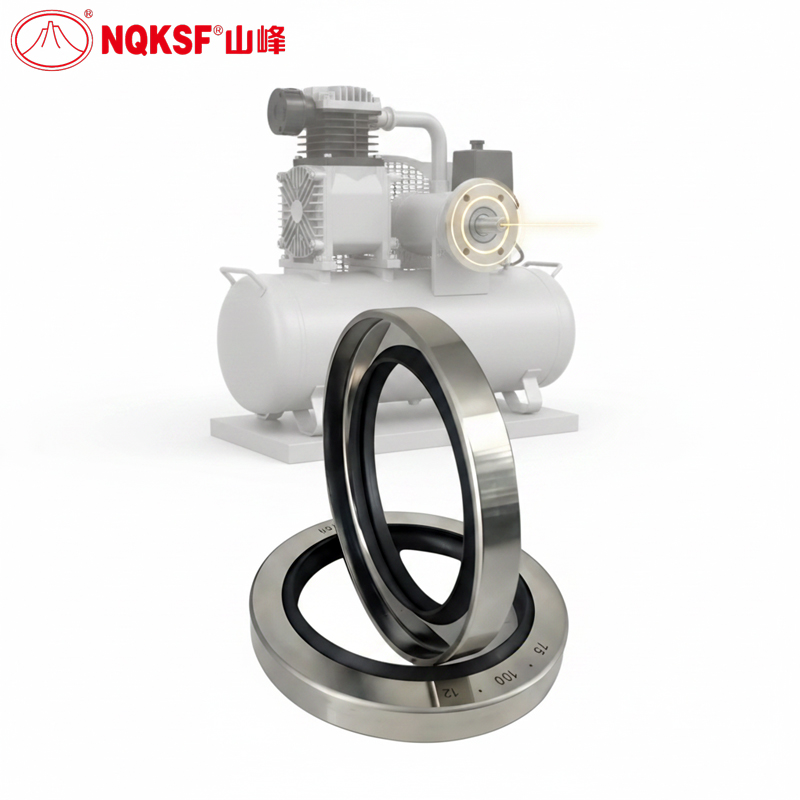
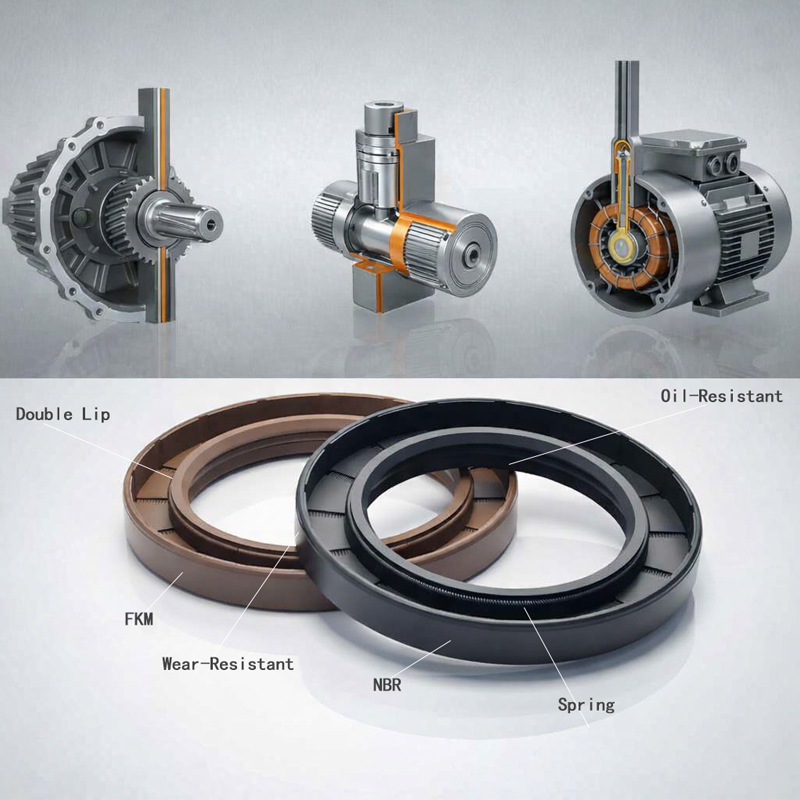
Moyni sig'ilovchi halqa — mexanik tizimlarda suyuqlik oqib ketishini oldini olmoq va optimal ishlashni ta'minlamoq uchun mo'ljallangan muhim komponent. Bu zarur sig'ilovchi qurilma aylanayotgan va aylanmaydigan sirtlar orasida to'siq hosil qilib, moylash moddalari bilan to'ldirilgan joylarni mustahkamlaydi va chetdan kiruvchi iflosliklarni ushlab turadi. Moyni sig'ilovchi halqa aniq muhandislik yordamida ishlaydi va ekstremal haroratlar hamda bosimlarga chidamli elastomer materiallardan foydalanadi. Moyni sig'ilovchi halqaning asosiy vazifasi nasoslar, dvigatellar, siqish qurilmalari va sanoat jihozlari kabi tizimlarning o'q ochiqlarini sig'ilovchi qilish orqali tizimning butunligini saqlashdir. Zamonaviy moyni sig'ilovchi halqalarning loyihasi yuqori sifatli elastomer aralashmalar, metall qoplamali kuchaytirilgan korpuslar va ikki labali konfiguratsiyalarni o'z ichiga oladi. Bu yangiliklar moyni sig'ilovchi halqaning turli sohalarda ajoyib ishlashini ta'minlaydi. Texnologik jihatdan moyni sig'ilovchi halqalar aniq ishlangan prujinalarga ega bo'lib, ular ichki va tashqi oqib ketishni oldini olmoq uchun doimiy kontakt bosimini saqlaydi. Moyni sig'ilovchi halqaning loyihasi turli diametrli o'qlar va ish sharoitlariga mos keladi, shu sababli u universal qo'llaniladi. Rivojlangan ishlab chiqarish jarayonlari har bir moyni sig'ilovchi halqaning qat'iy sifat standartlariga va o'lchovlar doirasiga mos kelishini ta'minlaydi. Moyni sig'ilovchi halqalar avtomobilsozlik, sanoat uskunalari, gidravlik tizimlar va dengiz texnikasi kabi turli sohalarda qo'llaniladi. Dvigatellarni, uzatmalar qutisini yoki aylanuvchi jihozlarni himoya qilishda moyni sig'ilovchi halqa beqiyos ahamiyatga ega. Sanoat ob'ektlari ish faoliyatining qattiq talablari sharoitida tushirilgan ish vaqtini kamaytirish hamda jihozlarning ishonchliligini saqlash uchun ishonchli moyni sig'ilovchi halqa yechimlariga tayanadi.

 EN
EN