PTFE Oil Seals: Superior Chemical Resistance, Extended Service Life & Low Friction Sealing Solutions

All Categories

ptfe oil seal

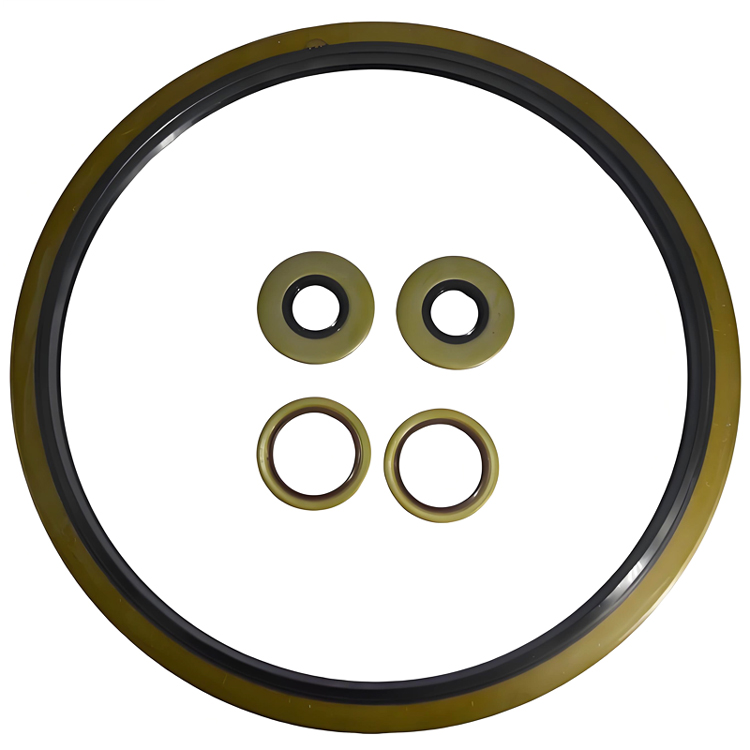
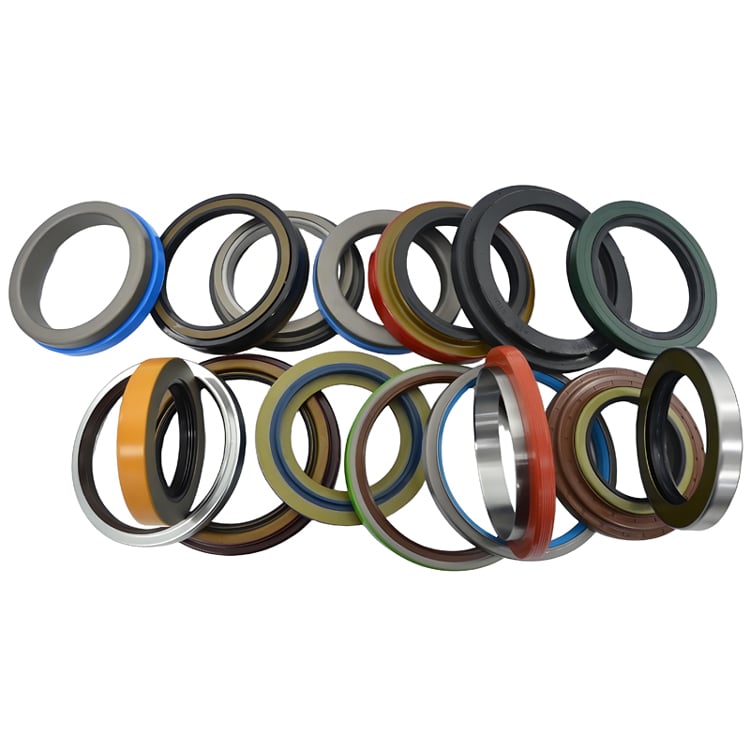
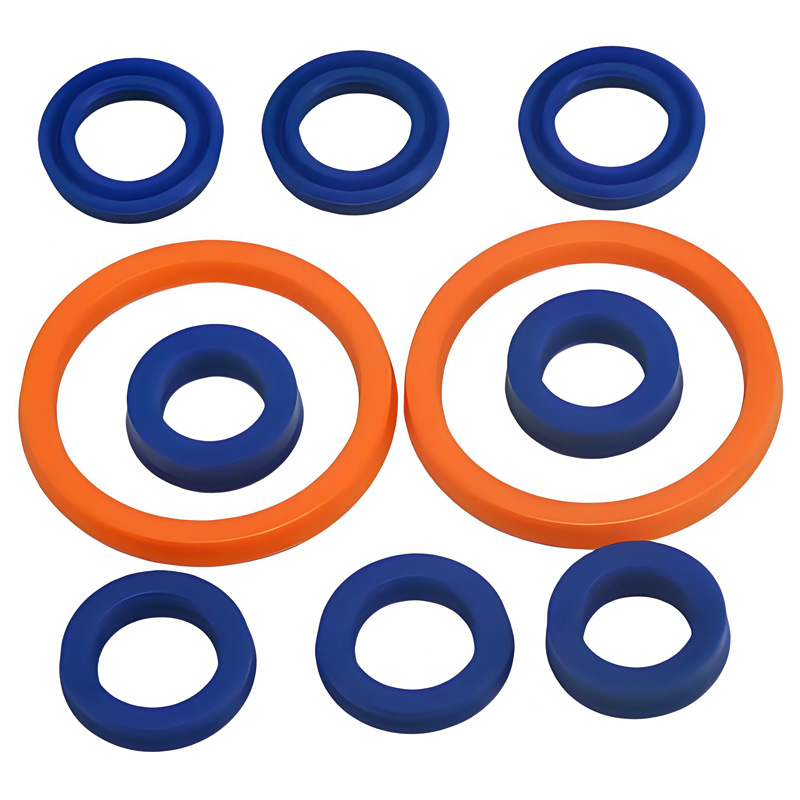
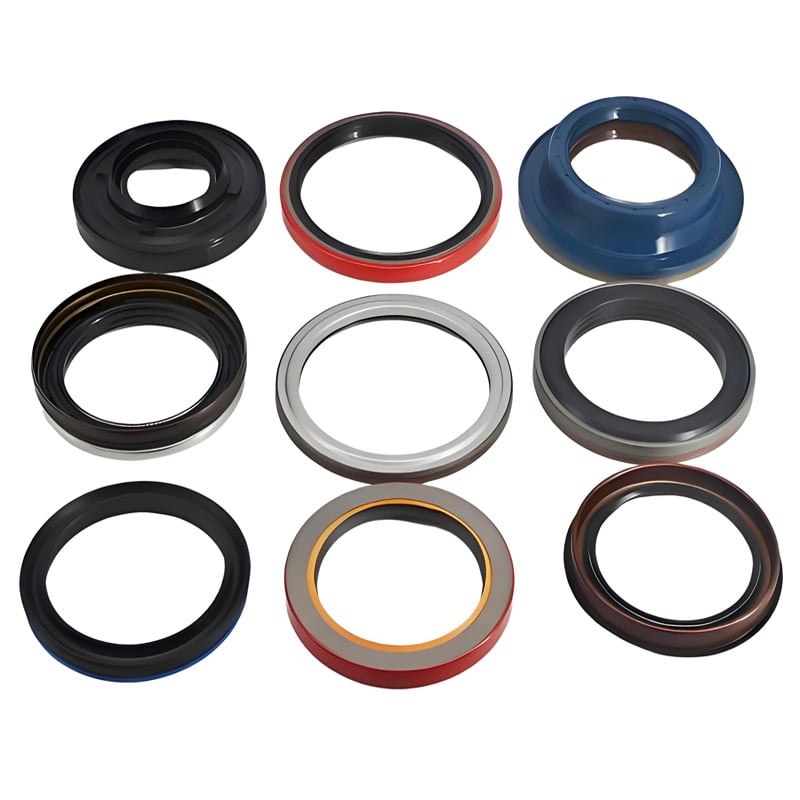
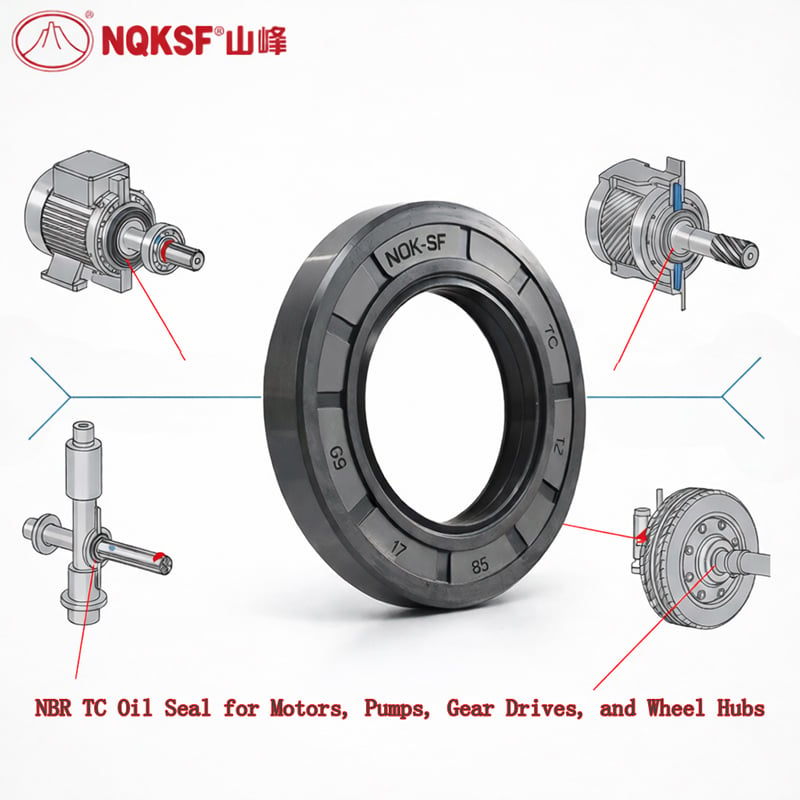
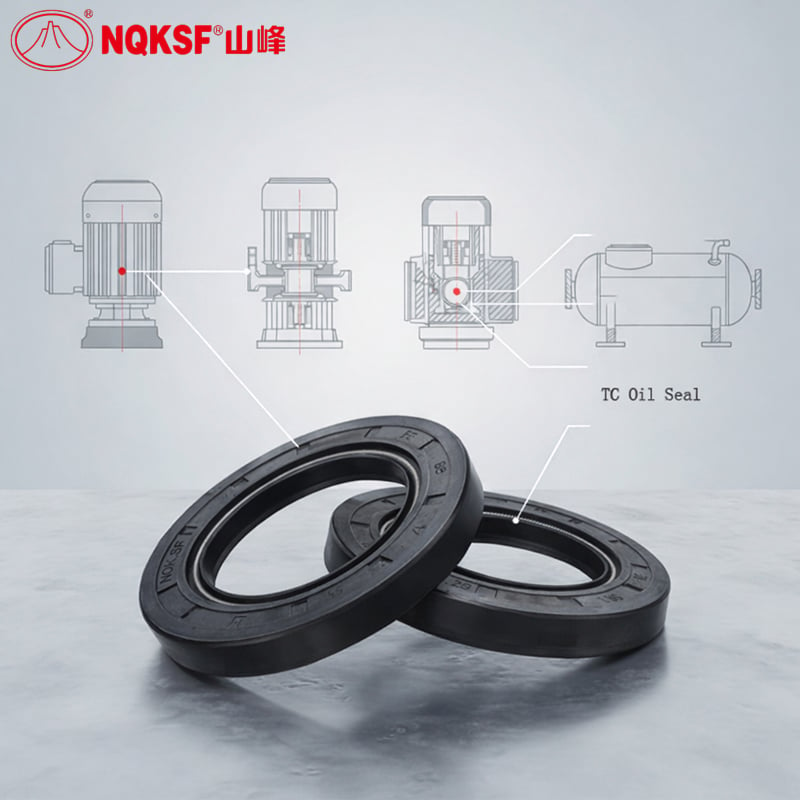
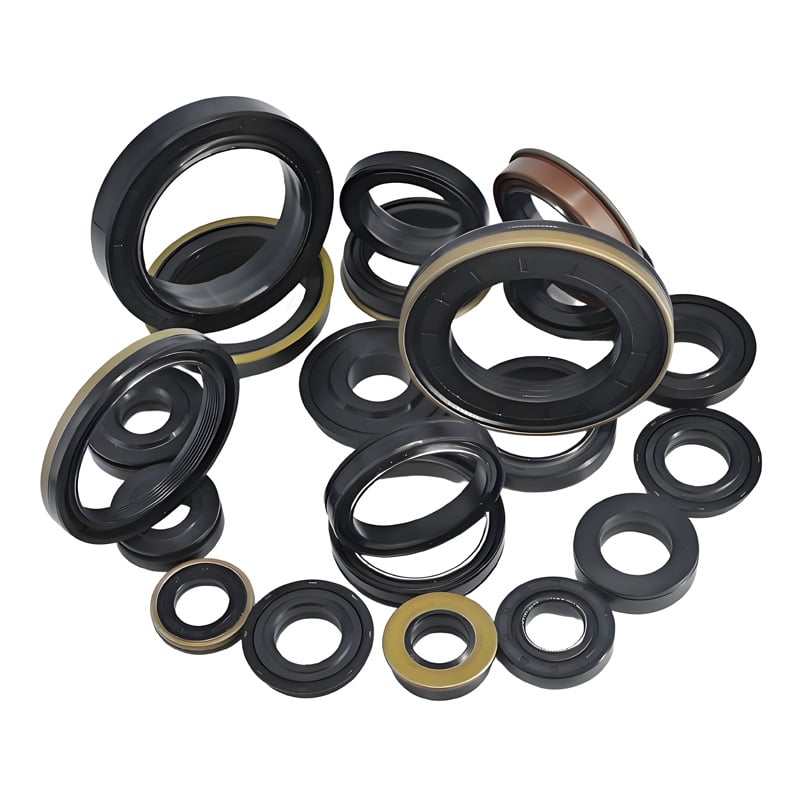
The ptfe oil seal represents a critical sealing solution engineered from polytetrafluoroethylene, commonly known as PTFE. This advanced sealing component serves as a barrier mechanism designed to prevent lubricants from escaping mechanical systems while simultaneously blocking contaminants from entering sensitive equipment areas. The primary function of the ptfe oil seal centers on maintaining proper fluid retention within rotating shaft assemblies, hydraulic systems, and various industrial machinery components. These specialized seals operate by creating a controlled interface between stationary and moving parts, ensuring optimal performance across diverse operational conditions. The technological foundation of the ptfe oil seal relies on the unique molecular structure of PTFE material, which exhibits exceptional chemical resistance, thermal stability, and low friction characteristics. This synthetic fluoropolymer demonstrates remarkable durability when exposed to aggressive chemicals, extreme temperatures, and high-pressure environments. The ptfe oil seal incorporates sophisticated design elements including precision-molded lip geometries, optimized contact pressures, and strategic material distribution to achieve superior sealing performance. Manufacturing processes involve advanced compression molding techniques that create consistent wall thickness and precise dimensional tolerances essential for reliable operation. The ptfe oil seal finds extensive application across automotive transmissions, industrial gearboxes, pump assemblies, compressor units, and aerospace components where conventional rubber seals prove inadequate. These sealing solutions excel in environments containing aggressive fluids, elevated operating temperatures, or applications requiring extended service life. The versatility of the ptfe oil seal extends to food processing equipment, pharmaceutical machinery, and chemical processing plants where material compatibility becomes paramount. Installation procedures for the ptfe oil seal typically require careful attention to housing dimensions, surface finish requirements, and proper alignment to ensure optimal sealing effectiveness and extended operational life.

New Products

The ptfe oil seal delivers exceptional temperature resistance that surpasses conventional elastomeric sealing solutions by significant margins. This superior thermal performance enables continuous operation at temperatures ranging from -200°C to +260°C without experiencing material degradation or loss of sealing integrity. Users benefit from reduced maintenance intervals and enhanced equipment reliability in high-temperature applications such as automotive engines, industrial ovens, and heat exchange systems. The chemical resistance properties of the ptfe oil seal provide outstanding protection against aggressive fluids including acids, solvents, hydraulic oils, and synthetic lubricants that typically cause rapid deterioration in standard rubber seals. This chemical inertness translates to extended service life and consistent performance across diverse operational environments, resulting in lower replacement costs and reduced downtime for equipment maintenance. The low friction characteristics inherent in PTFE material significantly reduce shaft wear and power consumption in rotating equipment applications. This friction reduction benefit leads to improved energy efficiency, decreased heat generation, and extended bearing life, providing substantial cost savings over the equipment lifecycle. The ptfe oil seal maintains dimensional stability under varying pressure conditions, ensuring consistent sealing performance without experiencing extrusion or deformation common in softer sealing materials. This stability characteristic proves particularly valuable in hydraulic systems and high-pressure applications where seal integrity remains critical for safe operation. The non-stick surface properties of the ptfe oil seal prevent lubricant degradation and contamination buildup, maintaining fluid cleanliness and extending lubricant service intervals. This self-cleaning characteristic reduces maintenance requirements and ensures optimal system performance throughout extended operational periods. The ptfe oil seal demonstrates excellent resistance to ozone, UV radiation, and atmospheric weathering, making it ideal for outdoor applications and equipment exposed to harsh environmental conditions. This weathering resistance eliminates premature seal failure due to environmental factors, providing reliable long-term performance in challenging operational scenarios.

Latest News

Oil Seal Brand Rankings?

06

Jan

Oil Seal Brand Rankings?

Understanding Oil Seal Quality and Market Evaluation In industrial transmission systems, fluid control assemblies, and rotating machinery, the oil seal plays a fundamental role in maintaining performance stability and operational safety. An oil seal ...
View More
Complete Guide to Oil Seal Models?

06

Jan

Complete Guide to Oil Seal Models?

Structure and Classification of Modern Oil Seal Systems In industrial equipment, automotive assemblies, and precision machinery, the oil seal plays a foundational role in ensuring stable operation. While it is often treated as a standard component, t...
View More
What Is the Correct Installation Method for Oil Seals?

06

Jan

What Is the Correct Installation Method for Oil Seals?

Fundamentals of Proper Oil Seal Installation in Mechanical Systems Correct installation is one of the most critical factors affecting Oil Seal performance and service life. Even a high-quality Oil Seal can fail prematurely if it is installed incorrec...
View More
What Are O Rings? Where and Why Are They Used?

29

Apr

What Are O Rings? Where and Why Are They Used?

An o ring is a mechanical gasket designed in the shape of a torus that sits in a groove and is compressed during assembly between two or more parts, creating a reliable seal at the interface. These simple yet highly effective sealing devices consist ...
View More

Get a Free Quote

Our representative will contact you soon.
Email
Telephone
Name
Company Name
Message
0/1000

ptfe oil seal

Superior Chemical Compatibility and Resistance

Superior Chemical Compatibility and Resistance

The ptfe oil seal stands out in the sealing industry due to its exceptional chemical compatibility with virtually all industrial fluids and aggressive substances. This remarkable resistance stems from the unique molecular structure of PTFE, which features strong carbon-fluorine bonds that remain stable when exposed to acids, bases, solvents, oils, and other reactive chemicals. Unlike traditional rubber seals that swell, crack, or dissolve when contacted by aggressive fluids, the ptfe oil seal maintains its structural integrity and sealing properties indefinitely. This chemical inertness proves invaluable in chemical processing plants where equipment handles corrosive substances daily. The ptfe oil seal prevents costly fluid leakage that could result in environmental contamination, safety hazards, or production losses. Manufacturing facilities processing pharmaceuticals benefit from the non-reactive nature of PTFE, ensuring product purity remains uncompromised by seal material interaction. The food processing industry relies on ptfe oil seals for applications involving acidic or alkaline cleaning solutions, maintaining hygiene standards while ensuring equipment longevity. Automotive applications utilize ptfe oil seals in fuel systems and emission control components where resistance to gasoline, diesel, and exhaust byproducts becomes essential for reliable operation. The aerospace industry depends on ptfe oil seals for hydraulic systems containing specialized fluids that would rapidly degrade conventional sealing materials. This superior chemical resistance eliminates frequent seal replacement schedules, reducing maintenance costs and operational disruptions. The ptfe oil seal enables equipment designers to specify more aggressive cleaning procedures and utilize high-performance lubricants without concern for seal compatibility issues, ultimately improving overall system performance and reliability.
Extended Service Life and Durability Performance

Extended Service Life and Durability Performance

The ptfe oil seal delivers unmatched service life that significantly exceeds conventional sealing solutions through its inherent material properties and advanced engineering design. The exceptional durability of PTFE material results from its crystalline structure that resists wear, fatigue, and environmental degradation over extended operational periods. Field testing demonstrates that ptfe oil seals routinely achieve service lives exceeding five to ten times longer than comparable elastomeric seals in similar applications. This extended longevity translates directly into reduced maintenance costs, decreased equipment downtime, and improved operational efficiency for end users. The wear resistance of the ptfe oil seal proves particularly valuable in high-cycle applications where conventional seals experience rapid deterioration due to repeated flexing and contact stress. Industrial pump applications benefit from ptfe oil seal durability when handling abrasive fluids or operating under continuous duty cycles that would quickly destroy standard sealing materials. The dimensional stability of PTFE ensures that the ptfe oil seal maintains proper contact pressure and sealing geometry throughout its service life, preventing gradual performance degradation common in softer materials. Temperature cycling effects that cause expansion, contraction, and eventual cracking in rubber seals have minimal impact on ptfe oil seal performance due to the material's low thermal expansion coefficient. The ptfe oil seal resists permanent deformation under pressure loading, maintaining its original shape and sealing effectiveness even after prolonged compression. This shape retention characteristic proves critical in applications where seal grooves experience thermal cycling or pressure variations that could compromise sealing integrity. The fatigue resistance of the ptfe oil seal enables reliable operation in dynamic applications where repeated shaft movement or pressure fluctuations occur regularly, ensuring consistent sealing performance throughout the equipment operational life.
Low Friction and Energy Efficiency Benefits

Low Friction and Energy Efficiency Benefits

The ptfe oil seal provides exceptional low friction performance that delivers measurable energy savings and mechanical advantages across diverse industrial applications. The coefficient of friction for PTFE material ranks among the lowest of all solid materials, typically measuring between 0.05 to 0.15 depending on operating conditions and counterface materials. This ultra-low friction characteristic reduces parasitic power losses in rotating equipment, translating to improved energy efficiency and reduced operating costs for end users. Motor-driven applications experience decreased electrical consumption when ptfe oil seals replace higher-friction alternatives, providing quantifiable energy savings that accumulate significantly over equipment lifetime. The reduced friction of the ptfe oil seal minimizes heat generation at the sealing interface, preventing thermal degradation of lubricants and extending fluid service intervals. This heat reduction benefit proves particularly important in high-speed applications where friction-generated temperatures could cause seal failure or lubricant breakdown. The ptfe oil seal enables equipment to operate at higher shaft speeds without experiencing excessive wear or temperature rise, expanding operational envelopes and improving productivity. Precision manufacturing equipment benefits from the smooth operation provided by ptfe oil seals, reducing vibration and improving dimensional accuracy in machining operations. The low breakaway force required to initiate motion in equipment using ptfe oil seals reduces starting torque requirements and enables smoother operation during startup procedures. This characteristic proves valuable in applications using servo motors or precision positioning systems where excessive friction could affect control accuracy. The ptfe oil seal contributes to extended bearing life by reducing shaft loading and minimizing wear at contact surfaces, resulting in lower maintenance costs and improved equipment reliability. The self-lubricating properties of PTFE reduce dependency on external lubrication systems, simplifying equipment design and reducing maintenance requirements in remote or inaccessible installations.

Get a Free Quote

Our representative will contact you soon.
Email
Telephone
Name
Company Name
Message
0/1000