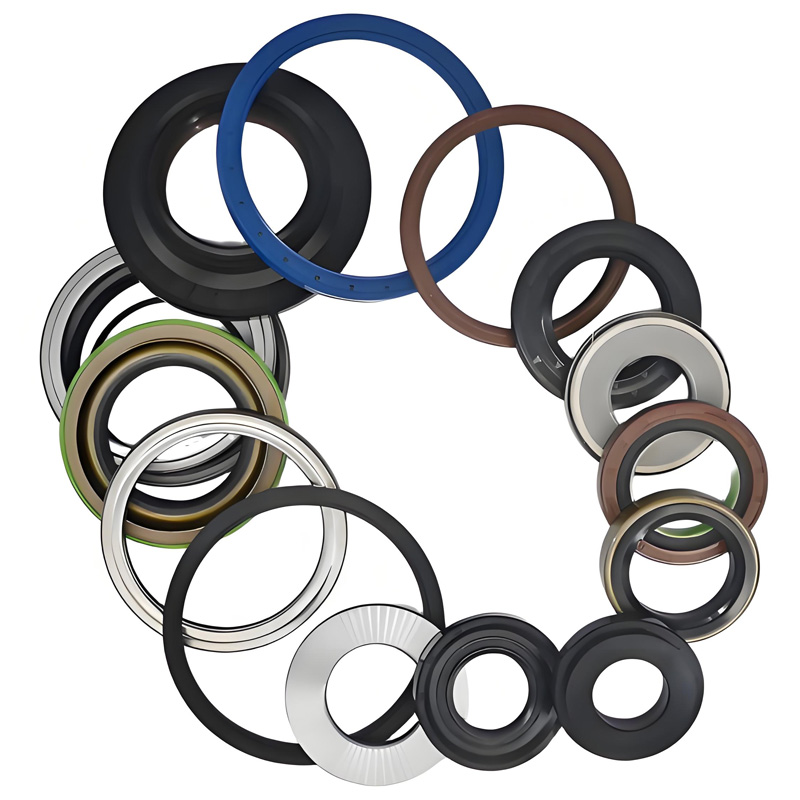
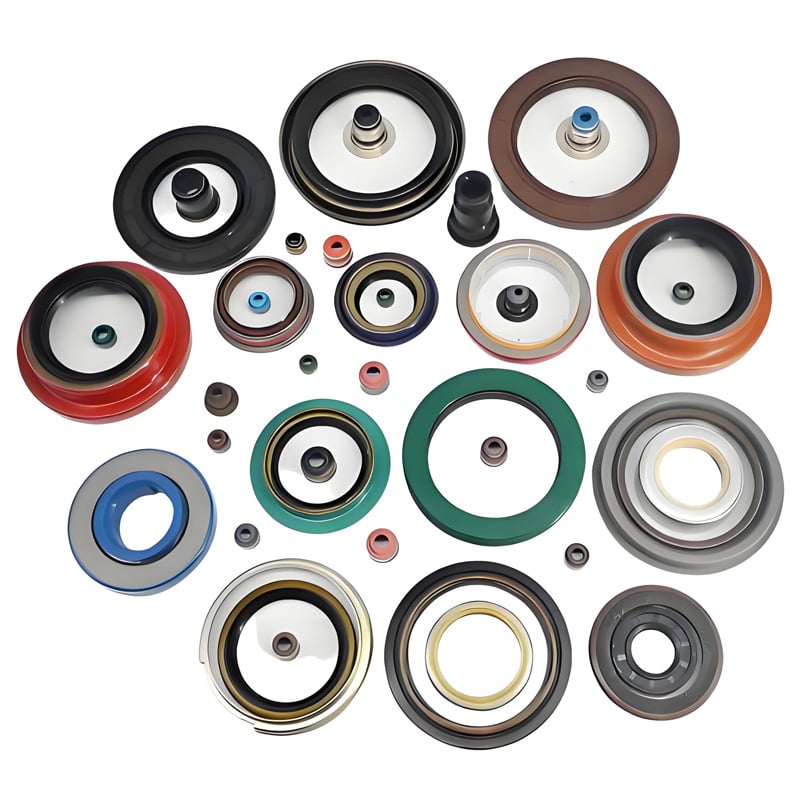
crankshaft oil seal
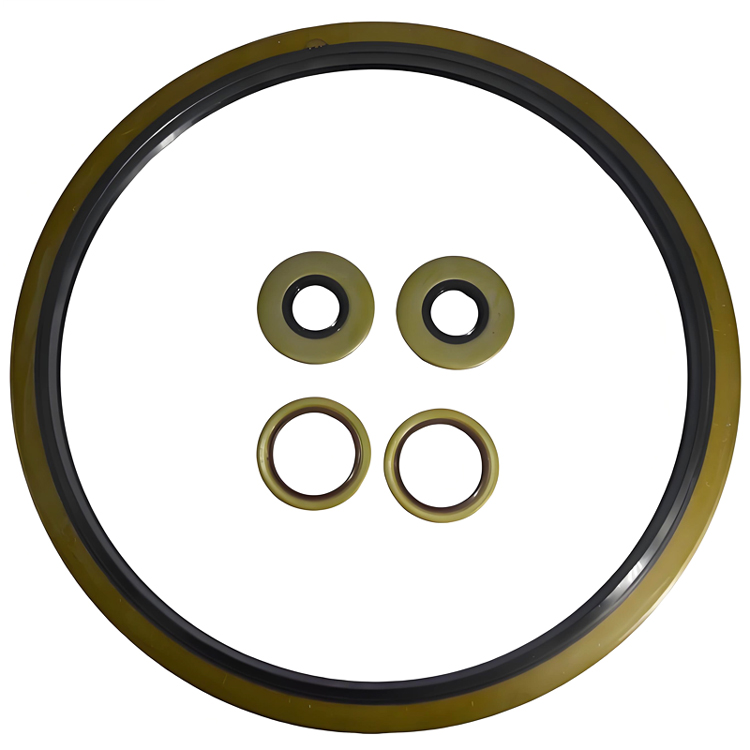
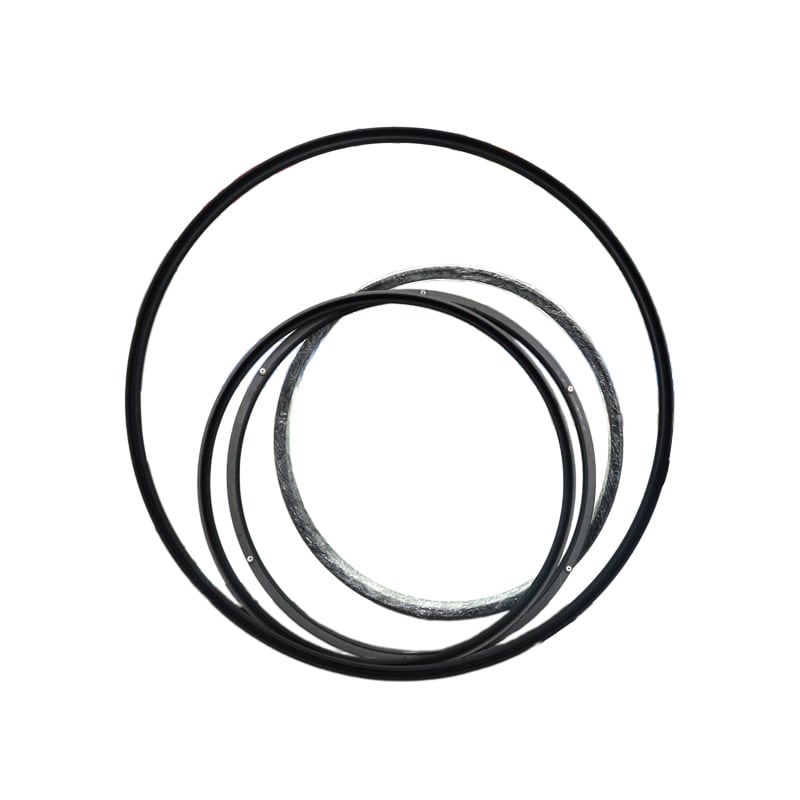
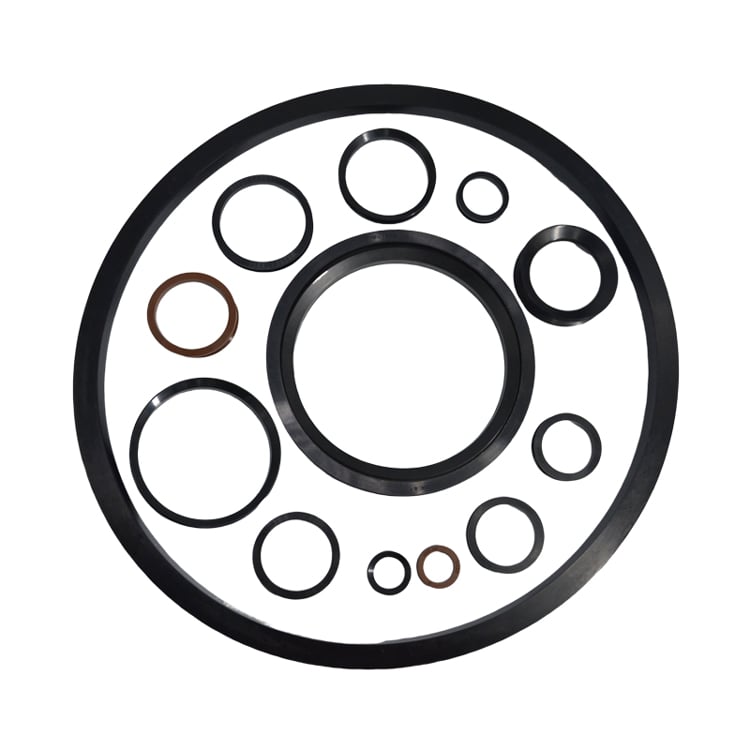
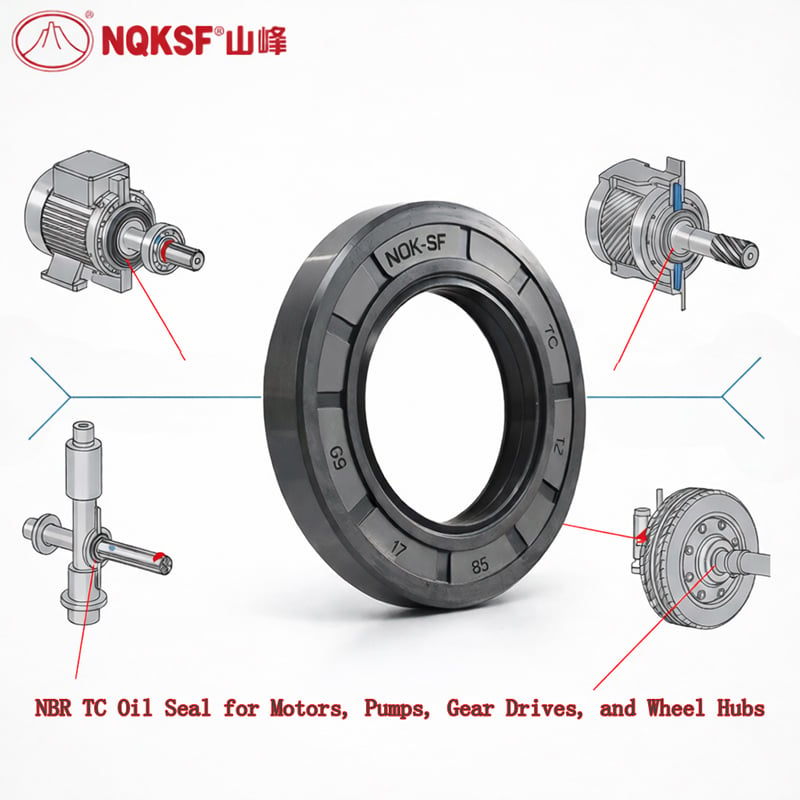
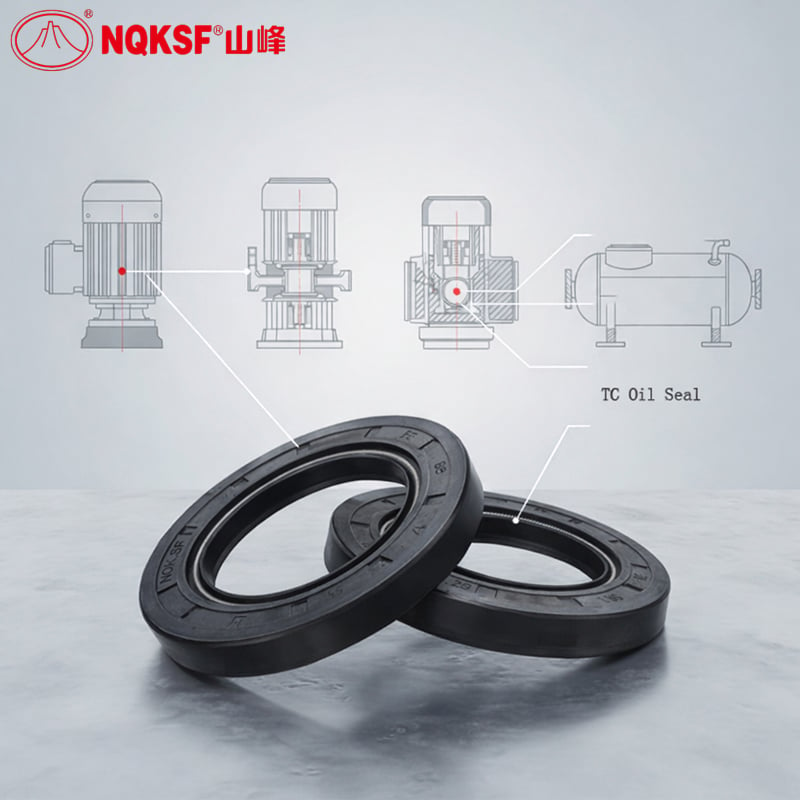
A crankshaft oil seal is a critical component designed to prevent oil leakage from the engine's crankshaft area, maintaining optimal lubrication and engine performance. This precision-engineered device creates a hermetic barrier between the rotating crankshaft and the external environment, ensuring that vital engine oil remains contained within the engine block.
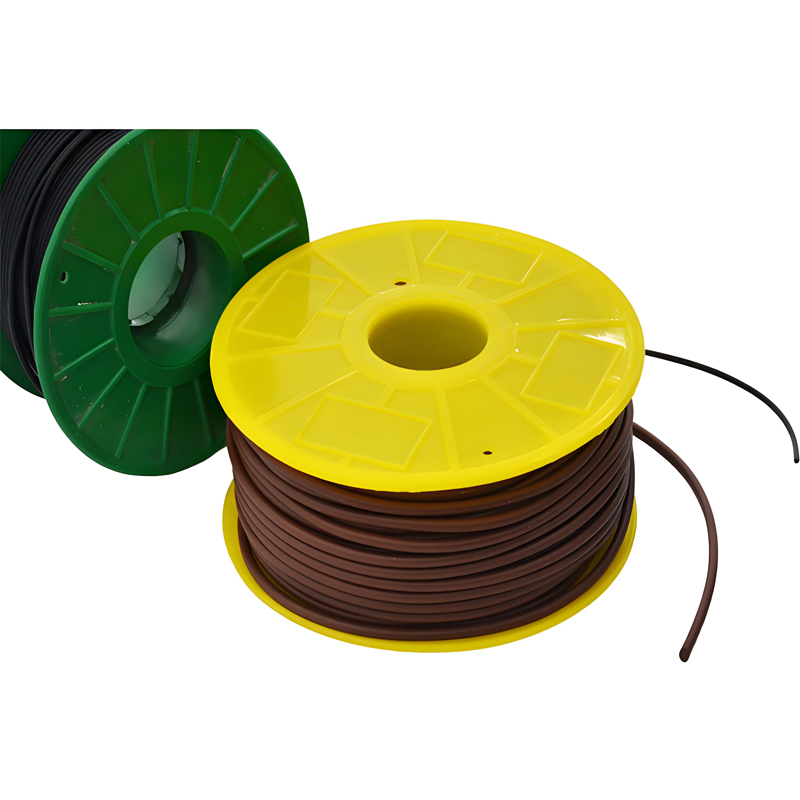
The crankshaft oil seal operates through a dual-lip design that accommodates both the rotation and axial movement of the crankshaft. Modern crankshaft oil seal technology features advanced elastomer materials that withstand extreme temperatures, pressure variations, and continuous mechanical stress. The seal's design incorporates a spring-loaded mechanism that maintains consistent contact with the crankshaft surface, even as components wear over time.
Key technological features of a quality crankshaft oil seal include superior abrasion resistance, enhanced flexibility across temperature ranges, and improved durability against chemical degradation. The seal works by creating a thin oil film between its lips and the crankshaft, allowing controlled lubrication while preventing excessive oil escape.
Applications for the crankshaft oil seal span across automotive engines, marine power systems, industrial machinery, and heavy-equipment operations. Whether in passenger vehicles, commercial trucks, or industrial compressors, the crankshaft oil seal remains indispensable for engine longevity and reliability. Regular inspection and timely replacement of a worn crankshaft oil seal prevent costly engine damage, oil contamination, and performance degradation. Understanding the crankshaft oil seal's function helps vehicle owners appreciate its role in maintaining engine health and operational efficiency throughout the engine's service life.

 EN
EN