Premium Crankshaft Oil Seals - Advanced Engine Sealing Solutions for Superior Performance

All Categories

crankshaft oil seal

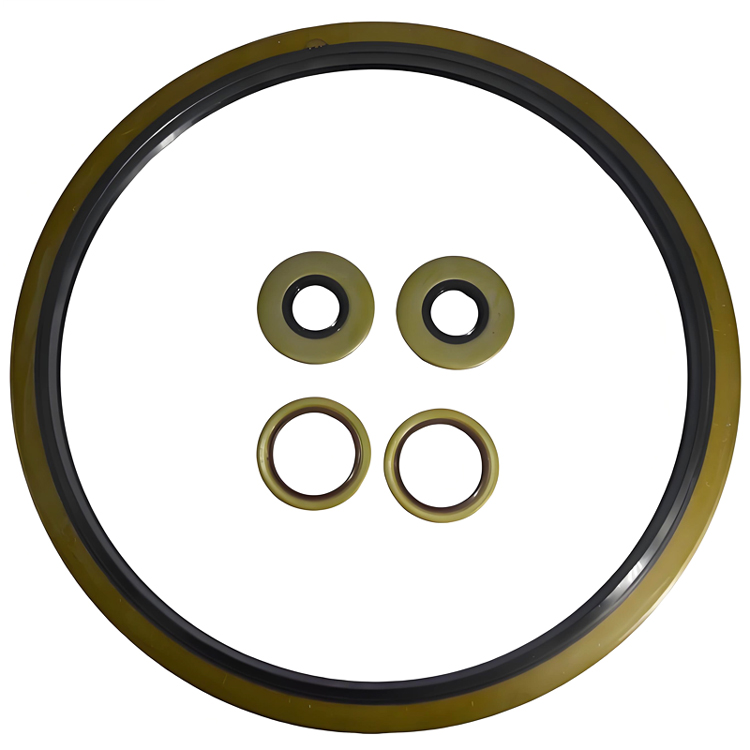
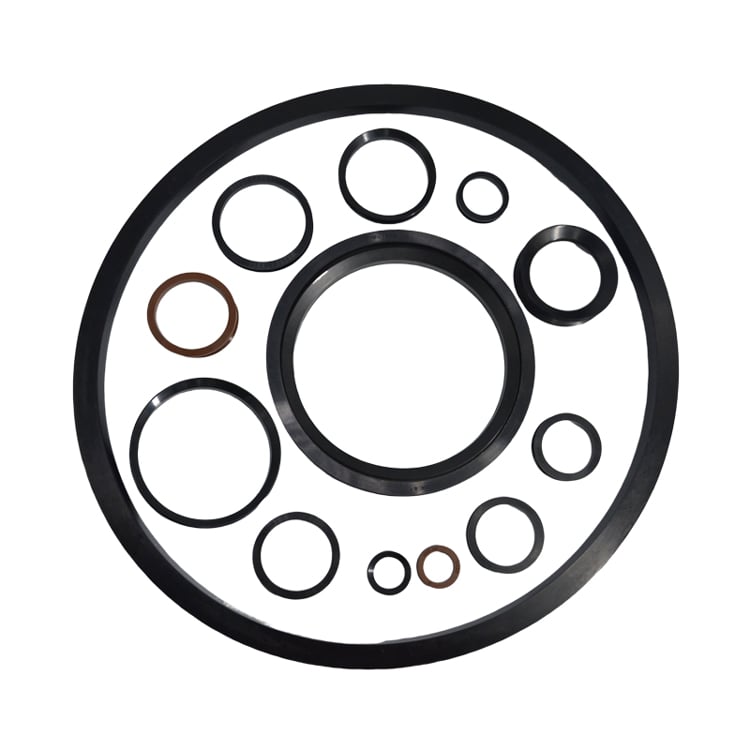
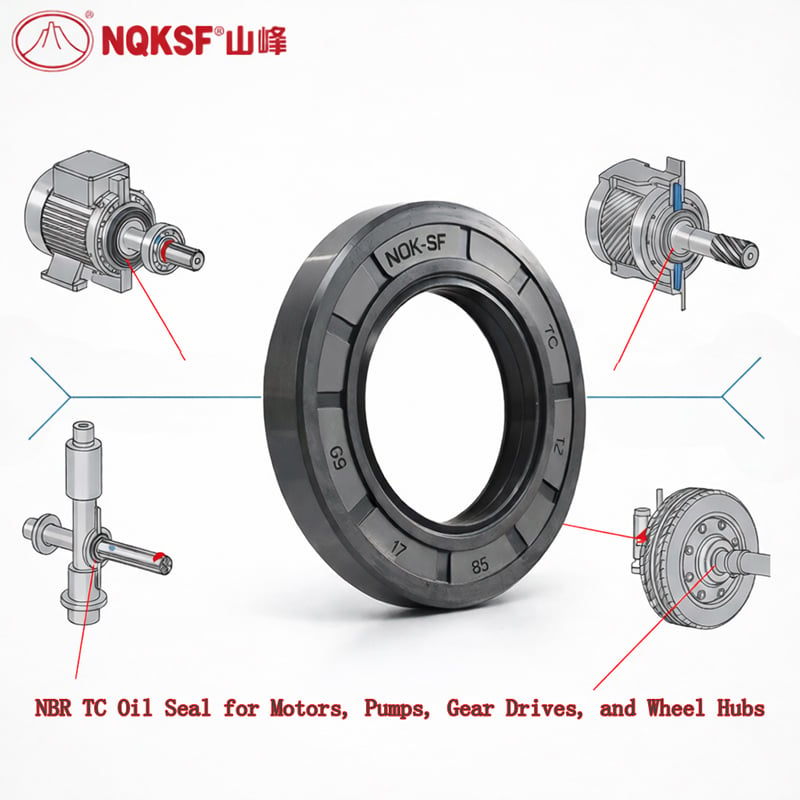
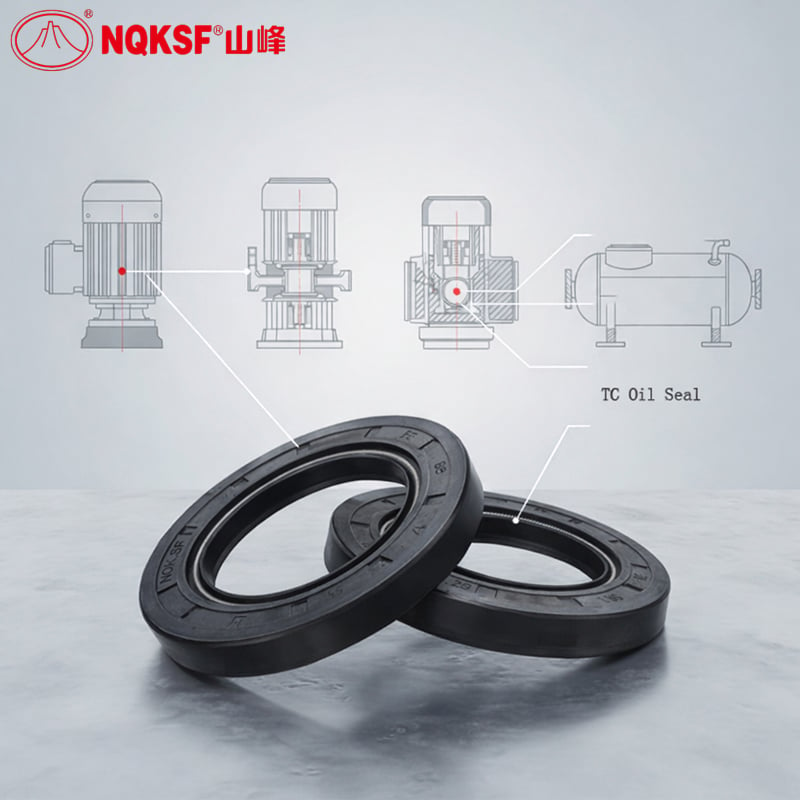
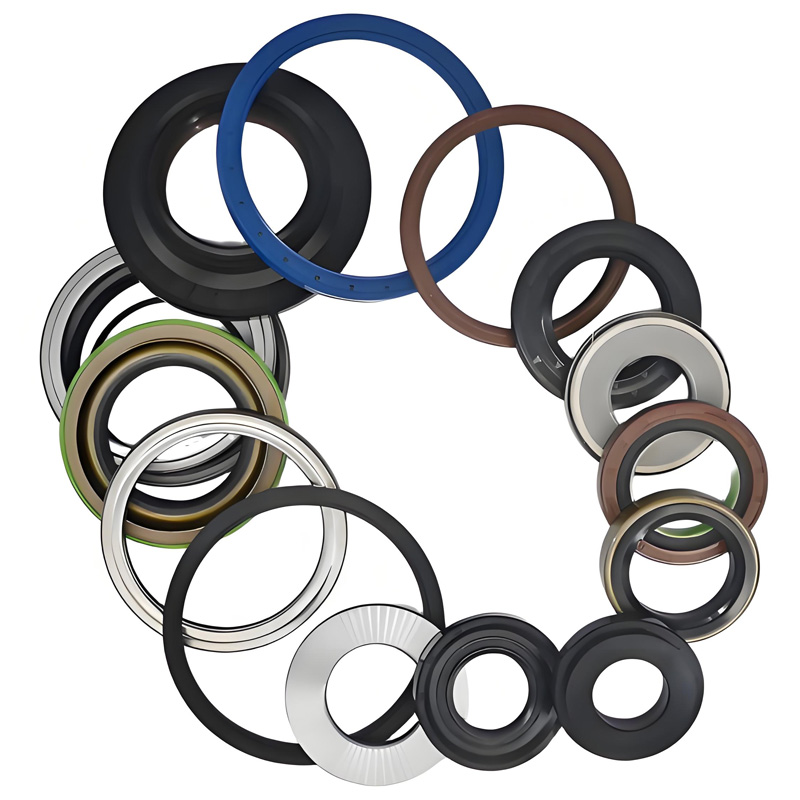
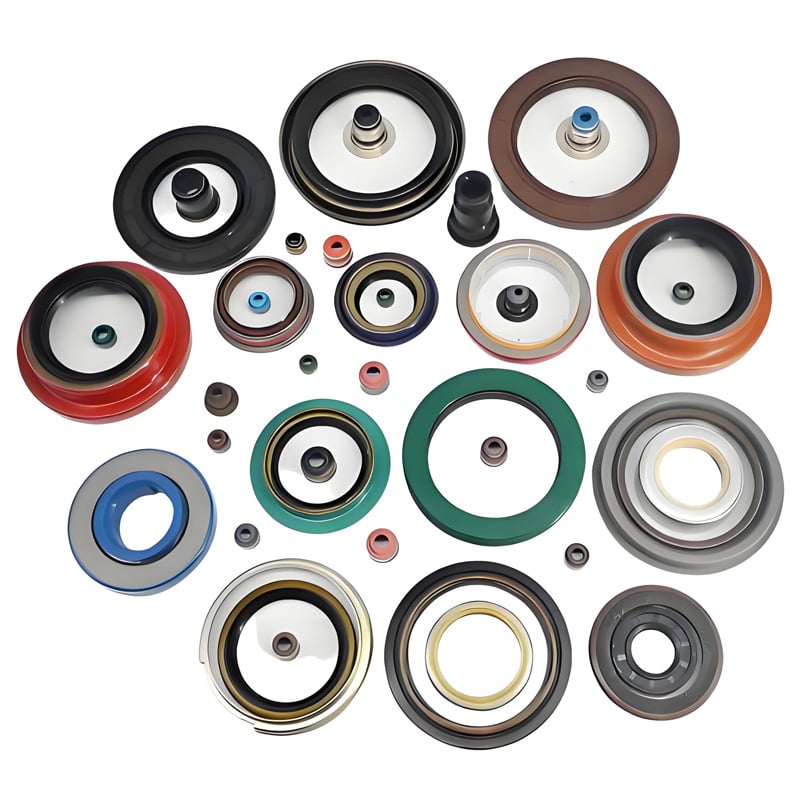
The crankshaft oil seal represents a critical component in modern engine design, serving as the primary barrier between the crankshaft and the external environment. This essential sealing element prevents lubricating oil from escaping the engine while simultaneously blocking contaminants from entering the lubrication system. Located at both ends of the crankshaft, these seals maintain proper oil pressure and ensure optimal engine performance throughout the vehicle's operational lifetime. The crankshaft oil seal consists of multiple technological features that enhance its durability and effectiveness. The seal typically incorporates a flexible rubber or elastomeric lip that maintains constant contact with the rotating crankshaft surface, creating a dynamic seal that adapts to shaft movement and thermal expansion. Advanced materials such as fluorocarbon rubber, nitrile rubber, or polytetrafluoroethylene provide exceptional resistance to temperature extremes, chemical degradation, and mechanical wear. The seal housing, usually constructed from metal or reinforced polymer, provides structural support and proper positioning within the engine block. Many modern crankshaft oil seals feature secondary lips or dust excluders that provide additional protection against external contamination. Spring-loaded designs ensure consistent sealing pressure throughout the seal's service life, compensating for normal wear patterns and maintaining effective sealing performance. Applications for crankshaft oil seals span across virtually every internal combustion engine type, from passenger vehicles and commercial trucks to marine engines, agricultural equipment, and industrial machinery. Automotive manufacturers rely on these seals to meet stringent emission standards and fuel efficiency requirements. Heavy-duty applications demand enhanced seal designs capable of withstanding extreme operating conditions, including high temperatures, aggressive chemicals, and extended service intervals. The crankshaft oil seal's versatility makes it indispensable across diverse industries, ensuring reliable engine operation and environmental protection while minimizing maintenance requirements and operational costs for end users seeking dependable sealing solutions.

New Products

The crankshaft oil seal delivers numerous practical advantages that directly benefit vehicle owners, fleet operators, and industrial equipment users. The primary advantage lies in preventing costly oil leaks that can damage engine components and create environmental hazards. By maintaining a reliable seal around the crankshaft, these components prevent lubricating oil from escaping onto roadways, parking areas, or work surfaces, eliminating cleanup costs and reducing environmental liability concerns. This sealing capability translates into significant cost savings by preserving expensive engine oil and extending service intervals between oil changes. Engine protection represents another substantial advantage of quality crankshaft oil seals. These components prevent dirt, dust, water, and other contaminants from entering the engine's lubrication system, which could cause premature bearing wear, increased friction, and catastrophic engine failure. The seal's ability to maintain clean oil conditions directly extends engine life and reduces repair costs associated with contamination-related damage. Users benefit from improved reliability and reduced downtime, particularly important for commercial vehicles and industrial equipment where operational availability directly impacts profitability. The crankshaft oil seal contributes to enhanced fuel efficiency by maintaining proper crankcase pressure and preventing vacuum leaks that can affect engine performance. Proper sealing ensures optimal combustion chamber conditions and reduces the workload on the positive crankcase ventilation system, resulting in better fuel economy and reduced emissions. This advantage becomes increasingly valuable as fuel costs rise and environmental regulations become more stringent. Installation and maintenance advantages make crankshaft oil seals attractive to service professionals and equipment owners. Modern seal designs feature user-friendly installation characteristics, including guided installation tools and clear positioning indicators that reduce installation time and minimize the risk of improper placement. Many seals incorporate self-aligning features that automatically center the seal during installation, eliminating guesswork and ensuring proper function from the start. The durability advantage of contemporary crankshaft oil seals means fewer replacements and reduced maintenance costs over the equipment's lifetime, providing excellent return on investment for users who prioritize long-term reliability and operational efficiency.

Latest News

Why Do Professionals Prefer Premium Hydraulic Shaft Seal?

27

Nov

Why Do Professionals Prefer Premium Hydraulic Shaft Seal?

Industrial professionals across manufacturing, construction, and heavy machinery sectors consistently choose premium hydraulic shaft seals for their critical applications. These specialized sealing components serve as the backbone of hydraulic system...
View More
What Are the Main Advantages of Using Shaft Oil Seals in Industrial Equipment?

27

Nov

What Are the Main Advantages of Using Shaft Oil Seals in Industrial Equipment?

Industrial machinery operates under demanding conditions where contamination, fluid leakage, and component wear can lead to costly downtime and equipment failure. Shaft oil seals represent one of the most critical components in maintaining machinery ...
View More
Why Do Industrial Systems Depend on Reliable Rotary Oil Seals?

06

Jan

Why Do Industrial Systems Depend on Reliable Rotary Oil Seals?

Industrial machinery operates under extreme conditions where precision engineering and component reliability determine operational success. Among the critical components that ensure seamless functionality, the oil seal stands as a fundamental element...
View More
How to Select O Ring Based on Equipment Parameters?

22

Apr

How to Select O Ring Based on Equipment Parameters?

Selecting the right o ring for specific equipment parameters requires a systematic approach that considers multiple technical factors simultaneously. Equipment manufacturers and maintenance professionals must evaluate material compatibility, dimensio...
View More

Get a Free Quote

Our representative will contact you soon.
Email
Telephone
Name
Company Name
Message
0/1000

crankshaft oil seal

Advanced Material Technology for Superior Performance

Advanced Material Technology for Superior Performance

The crankshaft oil seal incorporates cutting-edge material science to deliver exceptional performance under demanding operating conditions. Modern seals utilize advanced elastomeric compounds specifically formulated to withstand the harsh environment surrounding the crankshaft area, where temperatures can exceed 300 degrees Fahrenheit and pressures fluctuate dramatically during engine operation. These specialized materials, including high-performance nitrile rubber, fluorocarbon elastomers, and advanced polyurethane formulations, provide superior resistance to thermal degradation, chemical attack from engine oils and additives, and mechanical wear from constant shaft rotation. The molecular structure of these materials maintains flexibility and sealing integrity across extreme temperature ranges, from sub-zero startup conditions to peak operating temperatures, ensuring consistent sealing performance regardless of environmental conditions. The crankshaft oil seal's material technology extends beyond the primary sealing lip to include reinforcement structures that prevent seal distortion under pressure differentials. Multi-durometer designs incorporate harder materials in load-bearing areas while maintaining softer, more compliant materials at sealing interfaces, optimizing both structural integrity and sealing effectiveness. Advanced manufacturing processes ensure uniform material distribution and eliminate potential weak points that could lead to premature failure. The seal's resistance to ozone, ultraviolet radiation, and atmospheric pollutants protects against degradation during extended storage periods and ensures reliable performance in diverse climatic conditions. Chemical compatibility testing validates the seal's resistance to modern synthetic oils, fuel additives, and cleaning solvents commonly encountered in contemporary engines. This comprehensive material approach results in crankshaft oil seals that consistently outperform conventional designs, providing users with extended service life, reduced maintenance requirements, and enhanced confidence in their equipment's reliability. The investment in advanced materials translates directly into reduced total cost of ownership and improved operational efficiency for end users.
Precision Engineering for Optimal Sealing Performance

Precision Engineering for Optimal Sealing Performance

The crankshaft oil seal demonstrates exceptional precision engineering that ensures optimal sealing performance across varying operational conditions and shaft tolerances. Manufacturing precision begins with computer-controlled molding processes that maintain extremely tight dimensional tolerances, typically within thousandths of an inch, ensuring proper fit and function in diverse engine applications. The seal's primary lip geometry incorporates sophisticated angular profiles and surface textures designed through extensive computational fluid dynamics modeling and real-world testing to optimize contact pressure distribution and minimize friction while maximizing sealing effectiveness. This precision approach extends to the seal's spring-loading mechanism, where carefully calibrated tension ensures consistent lip contact throughout the seal's service life, compensating for normal wear patterns and thermal expansion variations. The crankshaft oil seal's engineering excellence includes dynamic balancing considerations that minimize vibration and ensure smooth operation at high rotational speeds common in modern engines. Precision manufacturing techniques create sealing surfaces with specific roughness patterns that enhance oil film retention while preventing excessive drag that could impact engine efficiency. The seal housing design incorporates precise angular relationships and surface finishes that ensure proper installation alignment and prevent seal rotation or displacement during operation. Quality control processes utilize advanced measurement technologies, including laser interferometry and coordinate measuring machines, to verify dimensional accuracy and surface quality throughout production. The precision engineering approach addresses the complex interaction between the rotating crankshaft surface and the stationary seal lip, optimizing the tribological interface to minimize wear while maintaining effective sealing. This attention to engineering detail results in crankshaft oil seals that provide superior sealing performance, extended service life, and reliable operation across demanding applications, delivering measurable value through reduced maintenance costs and improved equipment reliability for discerning customers who demand the highest quality standards.
Versatile Design Adaptability for Diverse Applications

Versatile Design Adaptability for Diverse Applications

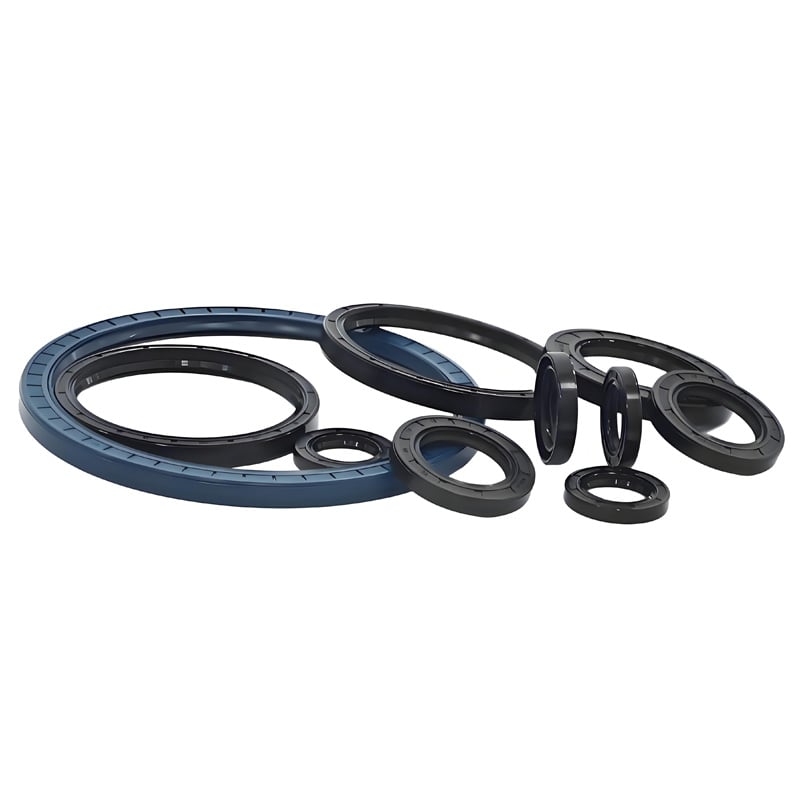
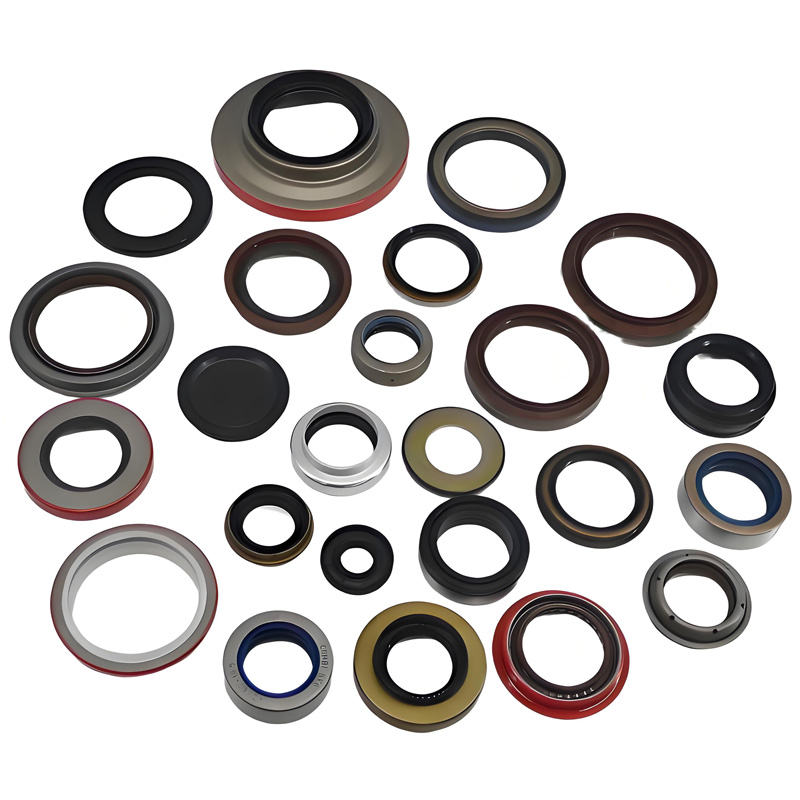
The crankshaft oil seal showcases remarkable design adaptability that enables successful application across diverse engine types, operating conditions, and performance requirements. This versatility stems from modular design approaches that allow customization of key seal parameters including lip configuration, material selection, and housing geometry to match specific application demands. The seal's adaptable architecture accommodates various crankshaft materials, surface finishes, and rotational speeds while maintaining consistent sealing performance, making it suitable for applications ranging from compact passenger car engines to large industrial power units. Design flexibility extends to installation methods, where the crankshaft oil seal can be configured for press-fit installation, threaded retention, or specialized mounting systems depending on engine design requirements and service accessibility considerations. The seal's adaptability includes compatibility with different lubricant types, from conventional mineral oils to synthetic formulations and specialized industrial fluids, ensuring proper chemical compatibility and sealing performance across diverse operational environments. Environmental adaptability represents another crucial aspect of the crankshaft oil seal's versatile design, with variants engineered for extreme temperature applications, high-altitude operations, marine environments, and agricultural settings where exposure to dust, moisture, and chemicals presents unique challenges. The seal's modular approach allows integration of additional features such as secondary sealing lips, debris exclusion systems, and wear indicators without compromising core sealing functionality. Manufacturing versatility enables cost-effective production of both high-volume standard configurations and specialized low-volume variants for niche applications, ensuring availability across market segments. This design adaptability translates into simplified inventory management for distributors and equipment manufacturers while providing end users with optimized sealing solutions tailored to their specific operational requirements. The crankshaft oil seal's versatile design philosophy ensures long-term compatibility with evolving engine technologies and changing performance requirements, protecting customer investments and providing sustainable sealing solutions that adapt to future needs while maintaining proven reliability and performance standards that users depend upon for critical applications.

Get a Free Quote

Our representative will contact you soon.
Email
Telephone
Name
Company Name
Message
0/1000