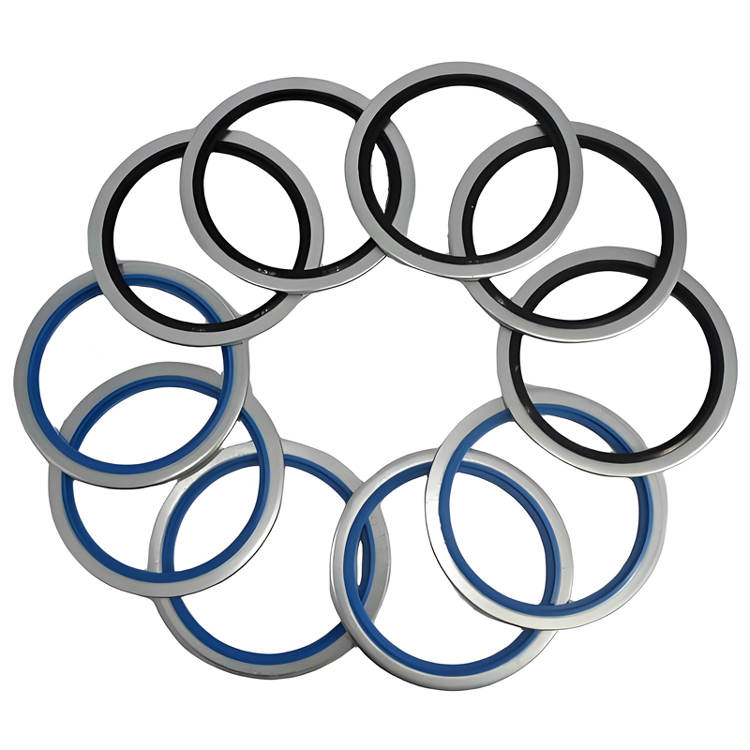
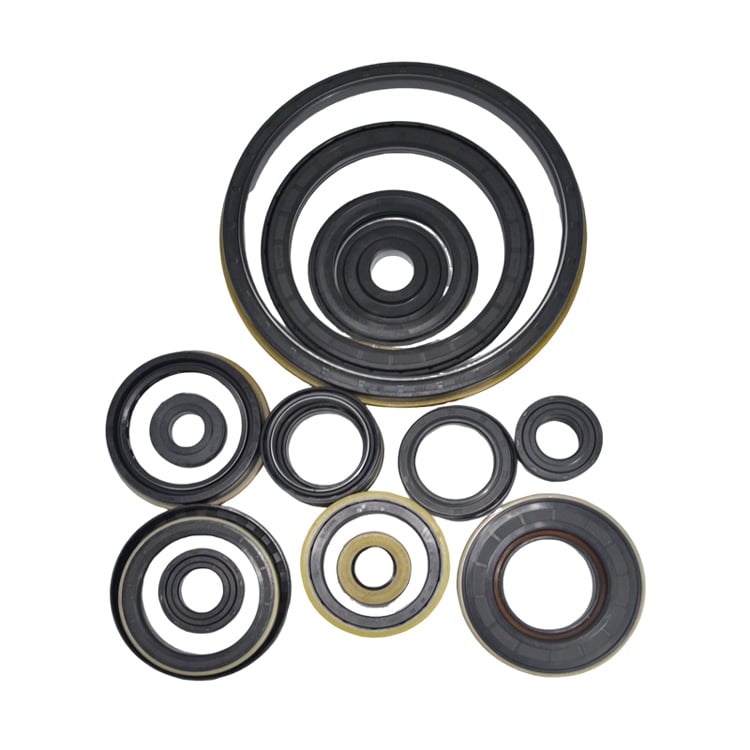
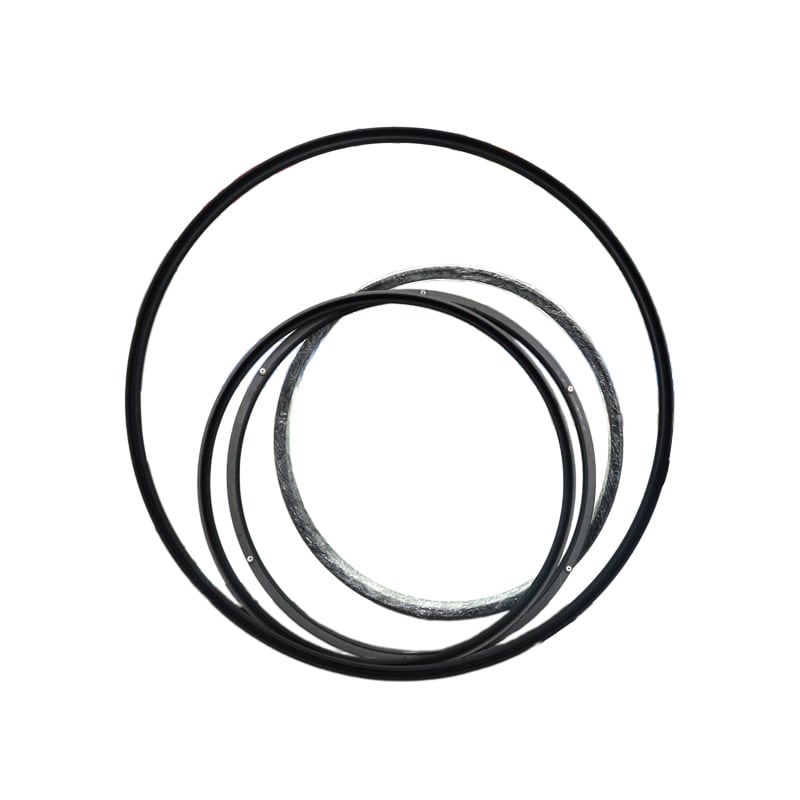
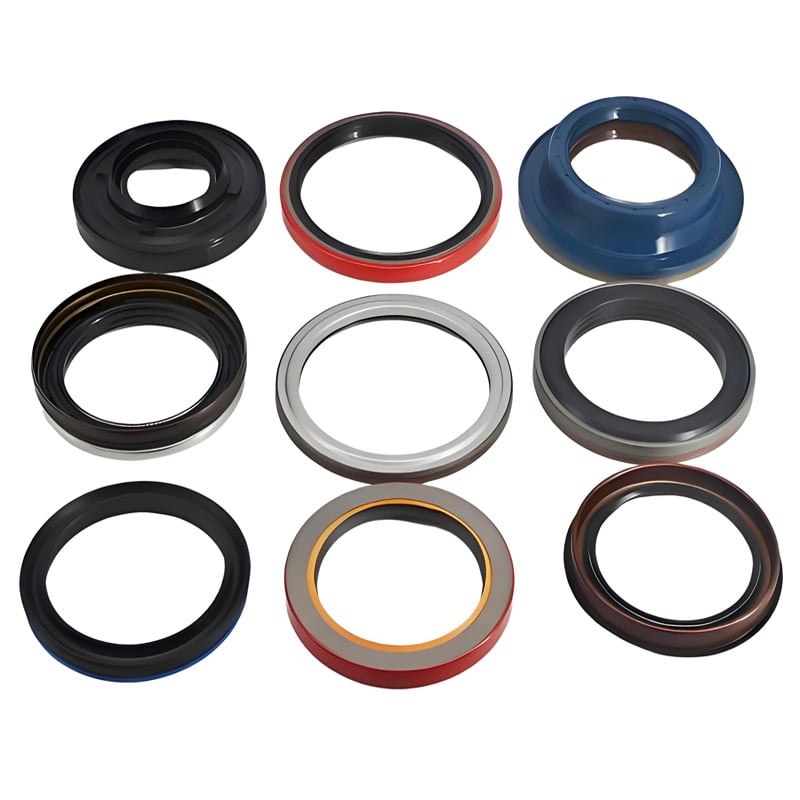
rotating oil seal
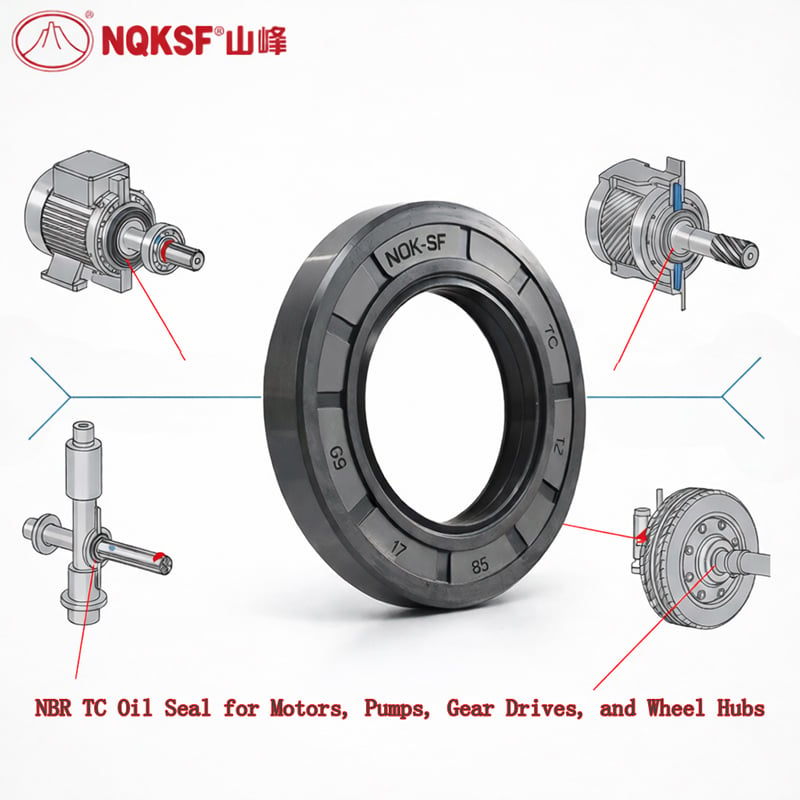
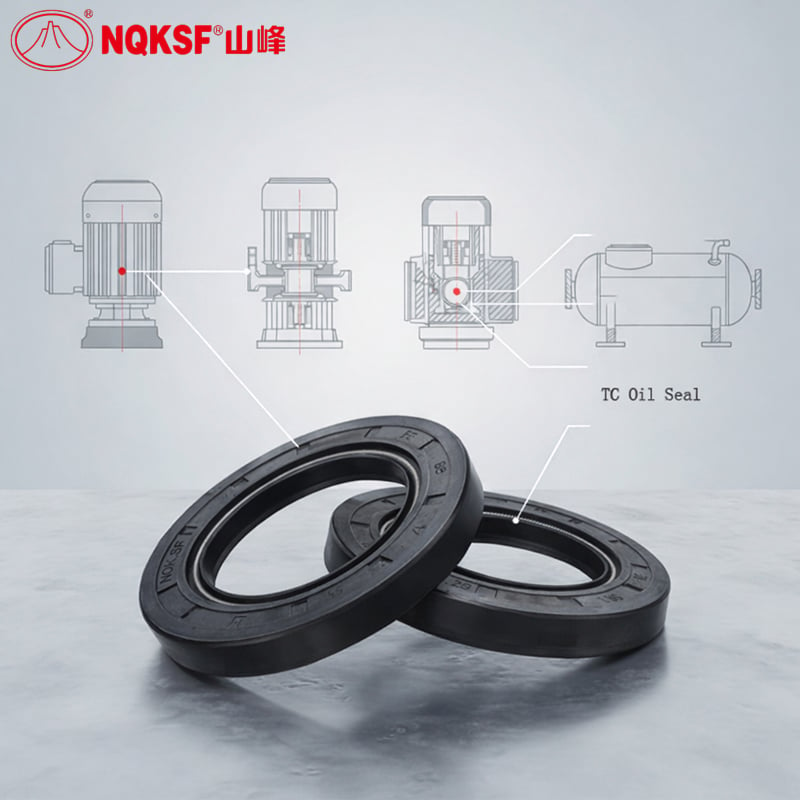
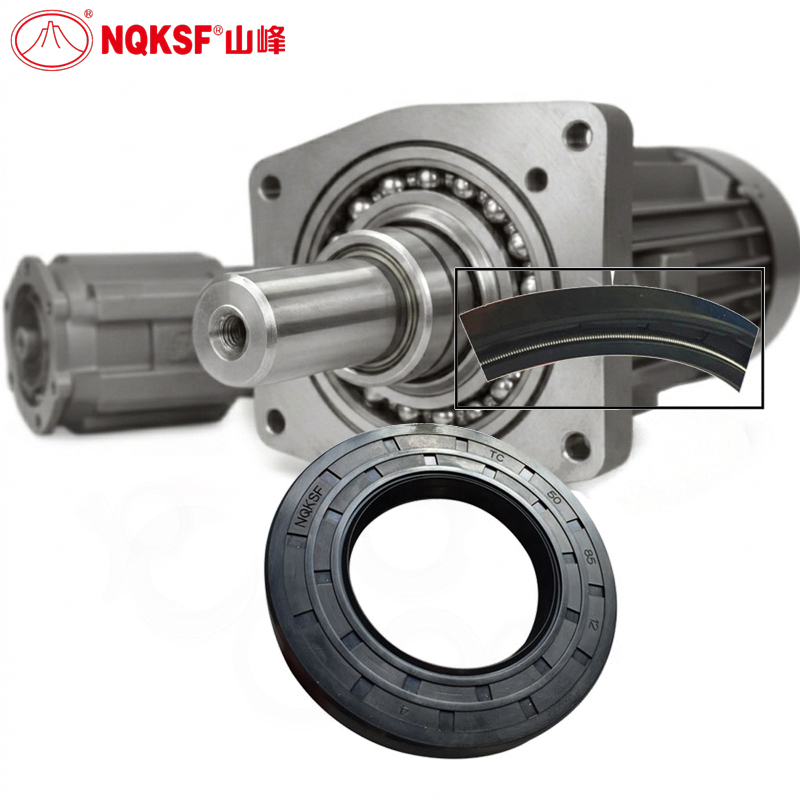
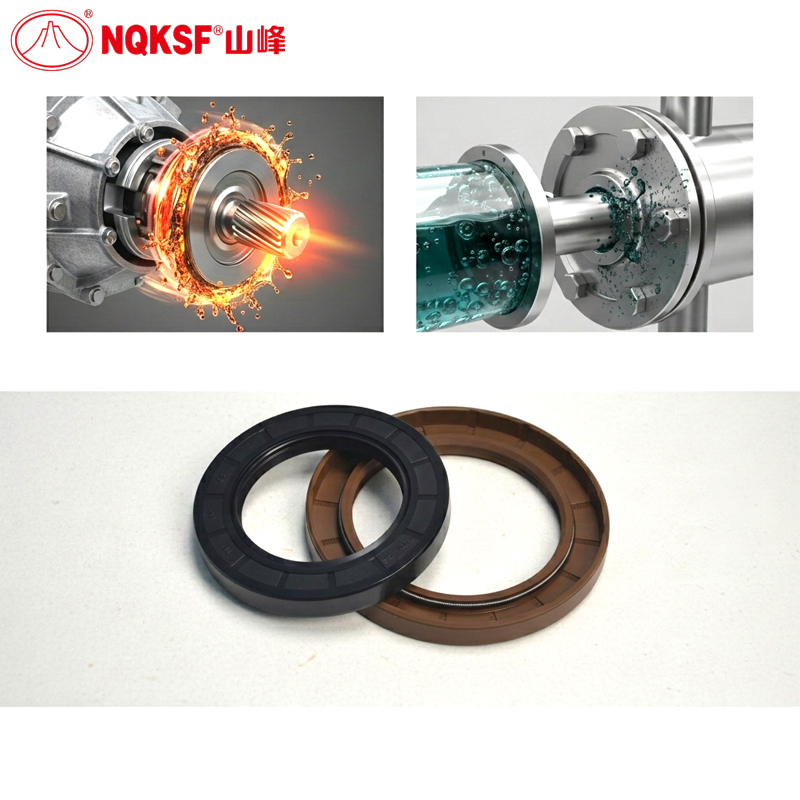
A rotating oil seal is a critical mechanical component designed to prevent fluid leakage while allowing rotational movement between two surfaces. This essential sealing device maintains pressure integrity in rotating machinery, making it indispensable across numerous industrial applications. The rotating oil seal operates by creating a barrier that stops oil, grease, and other lubricants from escaping while permitting continuous shaft rotation without friction damage.
The primary function of a rotating oil seal is to contain fluids within sealed chambers while accommodating dynamic motion. Unlike static seals, the rotating oil seal must withstand constant movement, making its design significantly more complex. Modern rotating oil seals feature advanced elastomer materials that resist temperature fluctuations, chemical exposure, and mechanical wear. These components utilize precision engineering to maintain optimal contact pressure against rotating shafts.
Technologically, the rotating oil seal incorporates dual-lip designs, spring-loaded mechanisms, and specialized material compositions. These features enable the rotating oil seal to perform reliably under extreme conditions, including high-speed operations and variable temperature environments. The sealing lip remains in constant contact with the shaft, creating a micro-film of lubricant that reduces friction while maintaining an effective seal.
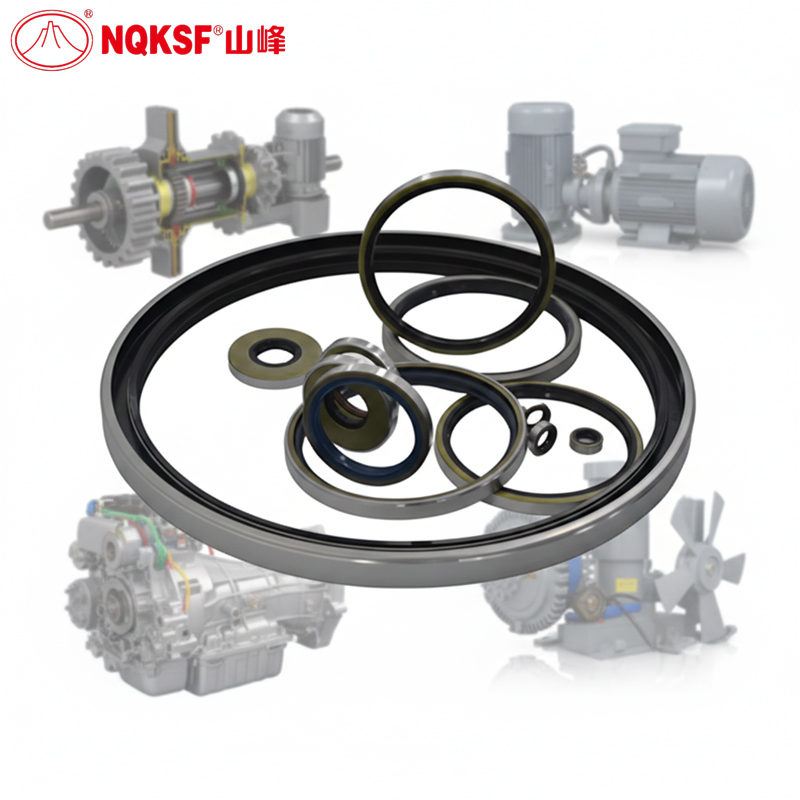
Applications for the rotating oil seal span automotive engines, industrial pumps, hydraulic systems, and manufacturing equipment. In automotive contexts, rotating oil seals protect engine oil from leaking past crankshaft and camshaft endpoints. Industrial facilities rely on rotating oil seals in compressors, turbines, and transmission systems. The versatility of the rotating oil seal makes it fundamental to equipment longevity and operational efficiency across diverse sectors requiring reliable fluid containment.

 EN
EN