Rotating Oil Seal Solutions: Premium Sealing Technology for Industrial Applications

All Categories

rotating oil seal

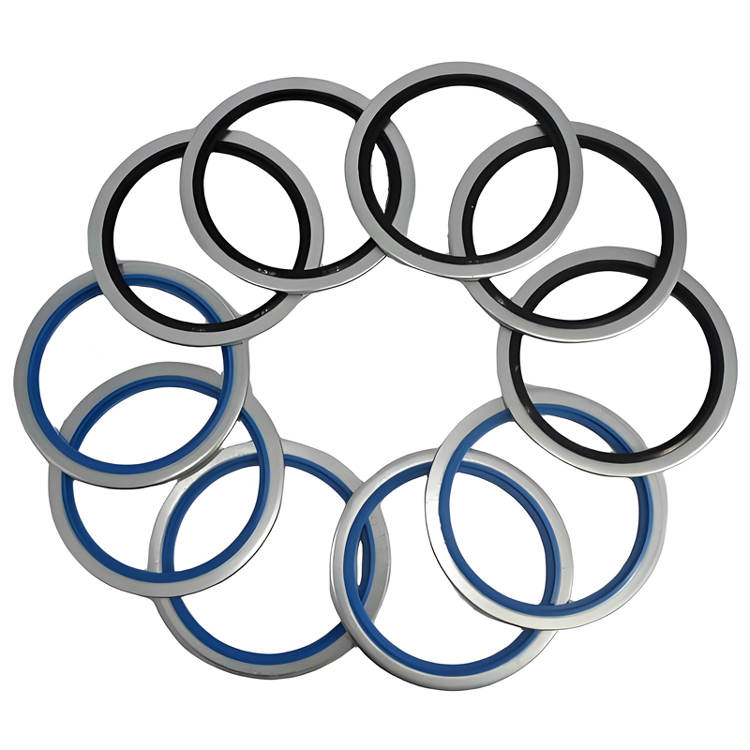
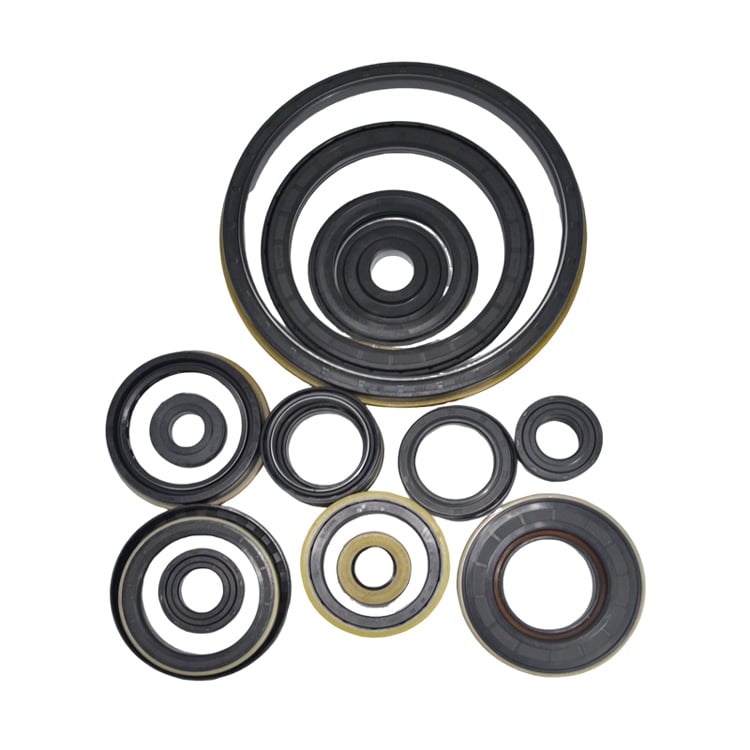
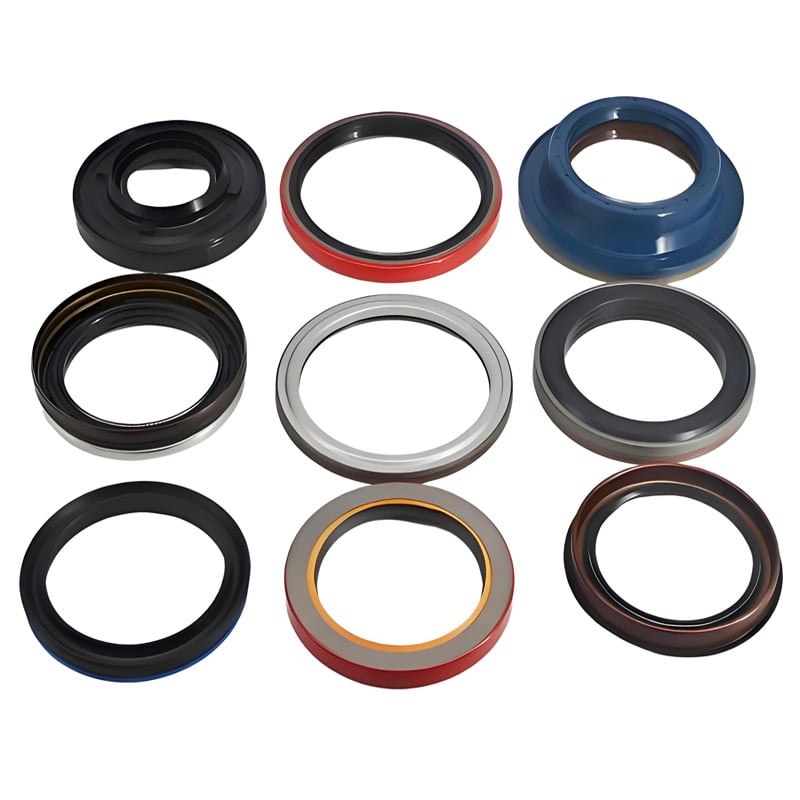
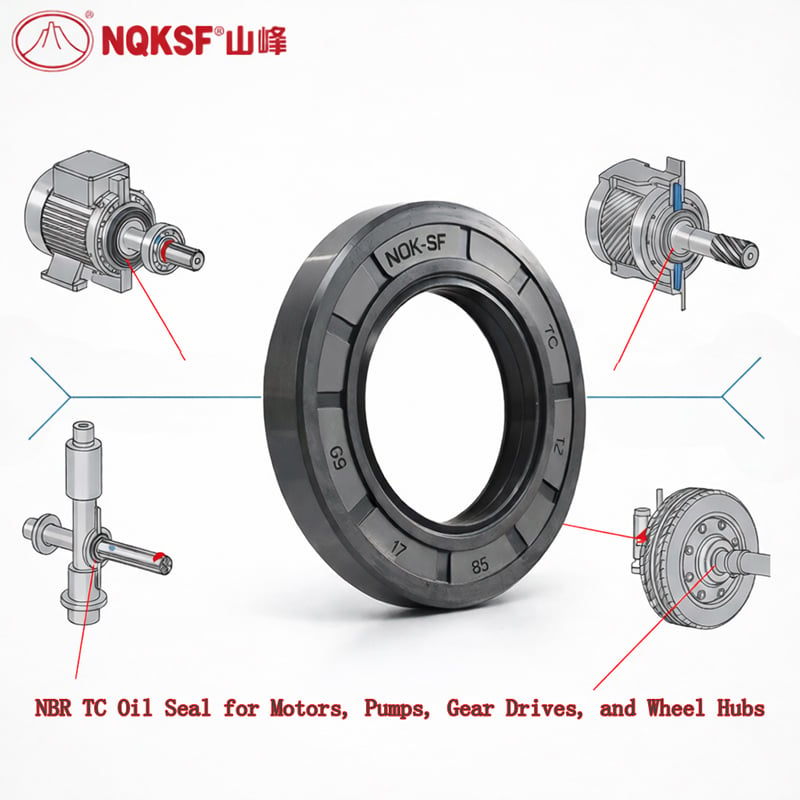
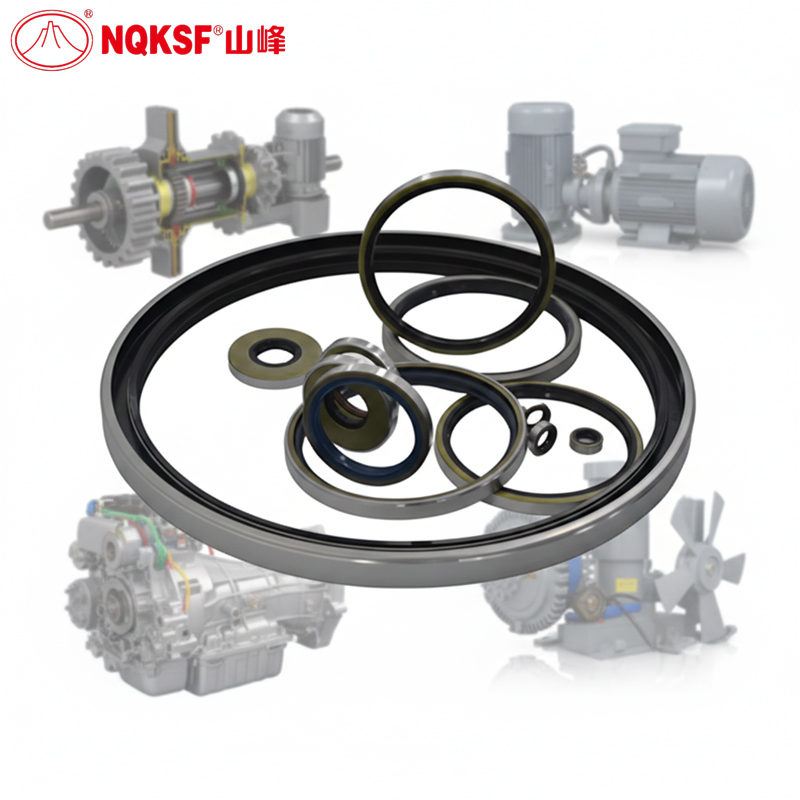
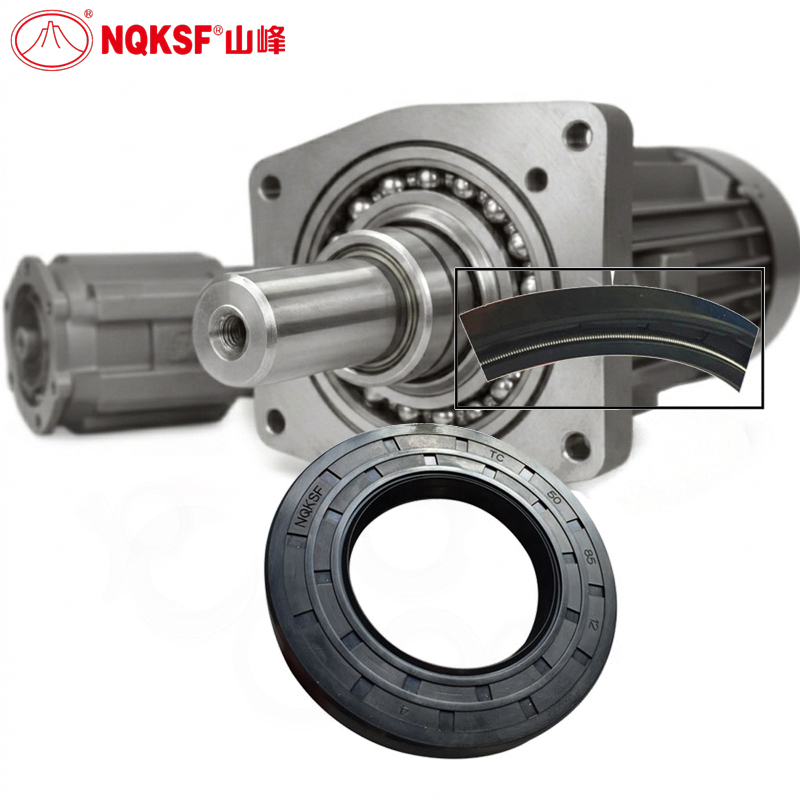
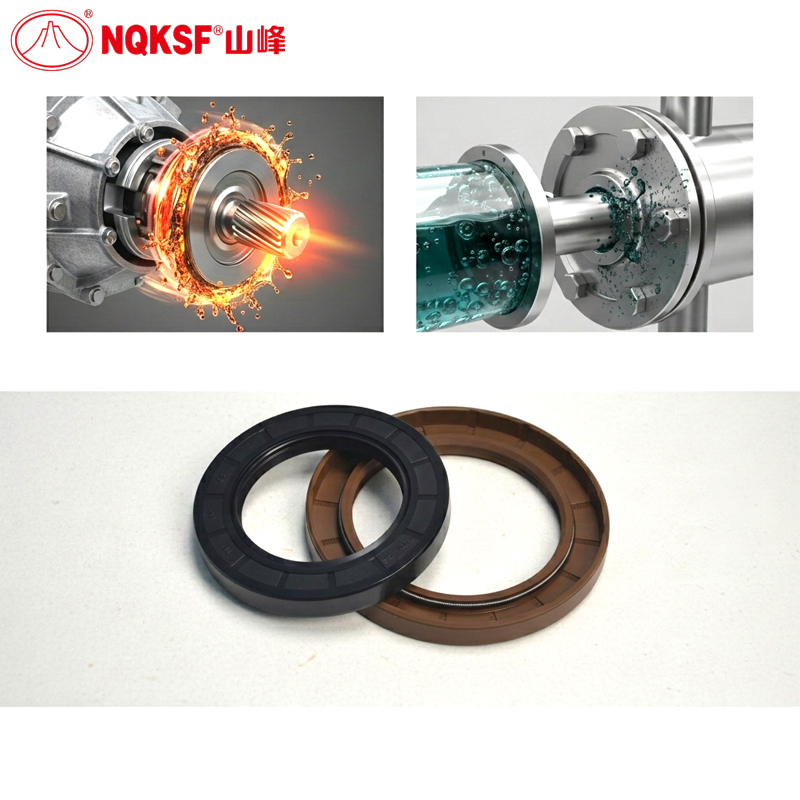
The rotating oil seal represents a critical sealing component designed to prevent lubricant leakage while allowing rotational movement in mechanical systems. This essential component serves as a barrier between rotating shafts and stationary housings, maintaining proper lubrication levels while excluding contaminants from entering sensitive machinery areas. The rotating oil seal consists of several key elements including a flexible sealing lip made from elastomeric materials, a metal case that provides structural support, and often a garter spring that maintains consistent contact pressure against the shaft surface. The sealing lip creates a dynamic seal that accommodates shaft rotation while preventing oil migration along the shaft axis. Modern rotating oil seals incorporate advanced materials such as nitrile rubber, fluorocarbon elastomers, and polytetrafluoroethylene compounds that resist chemical degradation and temperature extremes. The metal case, typically manufactured from steel or aluminum, ensures proper installation alignment and provides dimensional stability under operating conditions. Manufacturing processes employ precision molding techniques that achieve tight tolerances essential for effective sealing performance. The rotating oil seal operates through a combination of contact pressure and hydrodynamic effects that create an effective barrier against fluid migration. Surface tension forces and microscopic film formation between the sealing lip and shaft surface contribute to the sealing mechanism. Applications span numerous industries including automotive transmissions, industrial gearboxes, hydraulic systems, electric motors, and marine propulsion units. Each application demands specific material selections and design configurations to accommodate varying operating conditions such as temperature ranges, pressure differentials, shaft speeds, and chemical compatibility requirements. Quality rotating oil seals undergo rigorous testing procedures including pressure resistance evaluations, temperature cycling assessments, and endurance testing to ensure reliable long-term performance in demanding operational environments.

Popular Products

Rotating oil seals deliver exceptional performance benefits that directly translate into reduced maintenance costs and improved equipment reliability for end users. These sealing solutions effectively prevent costly lubricant losses that can lead to catastrophic equipment failures and unplanned downtime. By maintaining proper lubrication levels, rotating oil seals extend bearing life and reduce friction-related wear throughout mechanical systems. The precision-engineered sealing lip conforms to shaft irregularities and accommodates normal wear patterns, ensuring consistent sealing performance throughout extended service intervals. Advanced elastomeric compounds resist hardening and cracking under temperature extremes, maintaining flexibility and sealing effectiveness across wide operating ranges. The rotating oil seal design accommodates shaft runout and misalignment conditions that commonly occur in real-world applications, providing robust performance even when installation tolerances are less than ideal. Installation procedures are straightforward and require minimal specialized tools, reducing labor costs and installation time compared to more complex sealing alternatives. The compact design footprint allows integration into space-constrained applications without requiring significant housing modifications or redesign efforts. Material compatibility extends across diverse fluid types including mineral oils, synthetic lubricants, hydraulic fluids, and specialized chemical compounds, making rotating oil seals versatile solutions for varied industrial requirements. Temperature resistance capabilities enable operation in extreme environments ranging from arctic conditions to high-temperature industrial processes. The rotating oil seal construction resists extrusion and damage under high-pressure conditions, maintaining seal integrity when subjected to system pressure spikes or transient loading conditions. Contamination exclusion properties prevent abrasive particles and moisture ingress that can accelerate component wear and reduce system efficiency. Manufacturing quality controls ensure consistent dimensional accuracy and material properties, providing predictable performance characteristics across production batches. Cost-effectiveness becomes apparent through reduced maintenance frequencies, extended equipment service life, and minimized fluid replacement requirements. The rotating oil seal technology supports sustainability initiatives by reducing lubricant consumption and minimizing environmental impact from fluid leakage incidents.

Latest News

Why Do Professionals Prefer Premium Hydraulic Shaft Seal?

27

Nov

Why Do Professionals Prefer Premium Hydraulic Shaft Seal?

Industrial professionals across manufacturing, construction, and heavy machinery sectors consistently choose premium hydraulic shaft seals for their critical applications. These specialized sealing components serve as the backbone of hydraulic system...
View More
What Are the Main Advantages of Using Shaft Oil Seals in Industrial Equipment?

27

Nov

What Are the Main Advantages of Using Shaft Oil Seals in Industrial Equipment?

Industrial machinery operates under demanding conditions where contamination, fluid leakage, and component wear can lead to costly downtime and equipment failure. Shaft oil seals represent one of the most critical components in maintaining machinery ...
View More
How to Select O Ring Based on Equipment Parameters?

22

Apr

How to Select O Ring Based on Equipment Parameters?

Selecting the right o ring for specific equipment parameters requires a systematic approach that considers multiple technical factors simultaneously. Equipment manufacturers and maintenance professionals must evaluate material compatibility, dimensio...
View More
How to Choose the Right O Ring for Industrial Equipment?

22

Apr

How to Choose the Right O Ring for Industrial Equipment?

Selecting the appropriate o ring for industrial equipment requires careful consideration of multiple technical factors that directly impact system performance and operational reliability. The wrong o ring choice can lead to catastrophic seal failure,...
View More

Get a Free Quote

Our representative will contact you soon.
Email
Telephone
Name
Company Name
Message
0/1000

rotating oil seal

Superior Material Technology and Chemical Resistance

Superior Material Technology and Chemical Resistance

The rotating oil seal incorporates cutting-edge material science that delivers unmatched chemical resistance and temperature stability across diverse industrial applications. Advanced elastomeric compounds undergo specialized vulcanization processes that create cross-linked molecular structures resistant to chemical degradation, thermal breakdown, and mechanical stress. These materials maintain their sealing properties when exposed to aggressive chemicals including acids, bases, solvents, and synthetic fluids that would quickly deteriorate conventional sealing materials. The rotating oil seal benefits from fluorocarbon elastomer technology that provides exceptional resistance to high-temperature applications up to 200 degrees Celsius while maintaining flexibility at sub-zero temperatures. Nitrile rubber formulations offer excellent compatibility with petroleum-based lubricants while providing cost-effective solutions for standard temperature applications. Polytetrafluoroethylene lip materials deliver superior chemical inertness for applications involving corrosive chemicals or extreme pH conditions. The metal case construction utilizes corrosion-resistant steel alloys or aluminum materials that prevent galvanic corrosion and maintain dimensional stability under thermal cycling conditions. Surface treatments on metal components include zinc plating, phosphate coating, or anodizing processes that enhance corrosion resistance and improve adhesion between metal and elastomeric components. Manufacturing quality controls include material certification testing, hardness verification, and chemical compatibility assessments that ensure each rotating oil seal meets specified performance requirements. Advanced material formulations incorporate antioxidants and stabilizers that prevent premature aging and maintain sealing effectiveness throughout extended service intervals. The rotating oil seal design accommodates thermal expansion differentials between shaft and housing materials without compromising sealing integrity or creating excessive stress concentrations. Material selection guidelines consider specific application requirements including fluid compatibility, temperature range, pressure conditions, and environmental exposure factors to optimize performance and service life expectations.
Precision Engineering for Optimal Sealing Performance

Precision Engineering for Optimal Sealing Performance

The rotating oil seal achieves superior sealing effectiveness through precision engineering techniques that optimize contact pressure distribution, minimize friction losses, and accommodate dynamic operating conditions. Computer-aided design software enables engineers to model sealing lip geometry with microscopic precision, ensuring optimal contact angles and pressure profiles that maximize sealing efficiency while minimizing wear rates. The sealing lip profile incorporates hydrodynamic features that generate beneficial fluid films during rotation, reducing friction and heat generation while maintaining effective sealing performance. Spring-loaded designs utilize carefully calibrated garter springs that provide consistent contact pressure across varying shaft diameters and accommodate normal wear progression without compromising seal integrity. Manufacturing processes employ precision injection molding techniques that achieve dimensional tolerances within micrometers, ensuring consistent performance characteristics across production quantities. The rotating oil seal lip design features optimized contact width that balances sealing effectiveness against friction generation and heat buildup. Surface finish specifications for both sealing components and mating shaft surfaces ensure proper interaction and minimize abrasive wear that could compromise long-term performance. Quality control procedures include dimensional inspection using coordinate measuring machines, surface roughness analysis, and contact pressure verification to validate manufacturing precision. The rotating oil seal construction accommodates shaft runout conditions up to specified limits without creating uneven wear patterns or premature failure modes. Finite element analysis modeling predicts stress distributions and deformation patterns under various loading conditions, enabling design optimization for specific application requirements. Installation guidelines specify proper mounting techniques, shaft preparation requirements, and alignment procedures that ensure optimal performance from the rotating oil seal system. Performance testing validates sealing effectiveness under simulated operating conditions including temperature cycling, pressure variation, and extended duration testing that confirms design reliability and service life expectations.
Versatile Applications and Industry-Specific Solutions

Versatile Applications and Industry-Specific Solutions

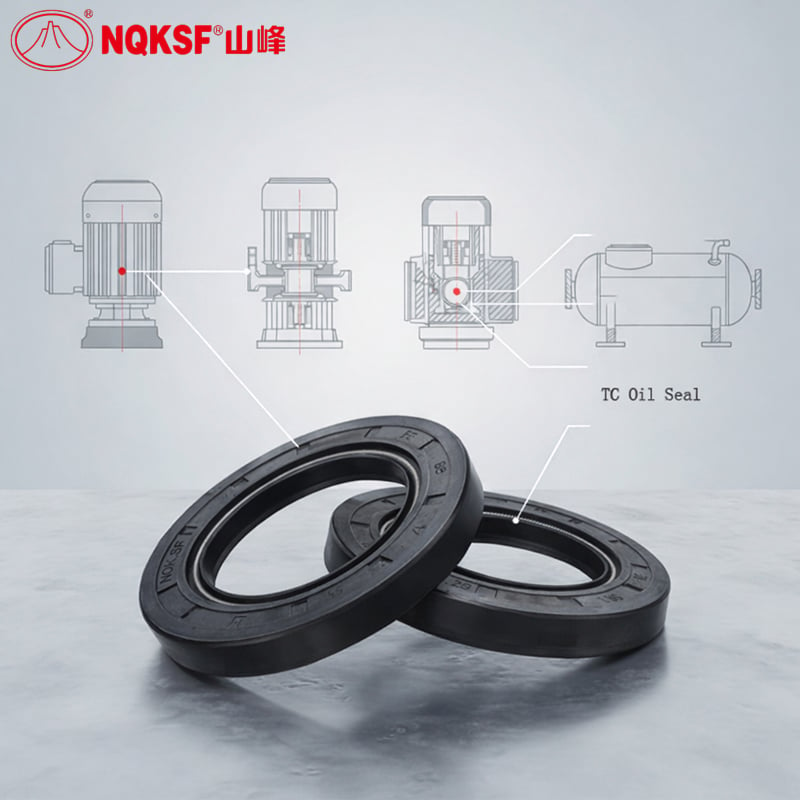
The rotating oil seal demonstrates remarkable versatility across numerous industries and applications, providing customized sealing solutions that meet specific operational requirements and environmental challenges. Automotive applications utilize rotating oil seals in transmission systems, differential assemblies, and engine components where reliable sealing performance ensures proper lubrication while preventing contamination ingress. Industrial machinery applications include gearboxes, pumps, compressors, and electric motors where the rotating oil seal maintains system efficiency and reduces maintenance requirements. Marine applications demand specialized materials and designs that resist saltwater corrosion and accommodate the harsh operating environment encountered in propulsion systems and deck machinery. Aerospace applications require lightweight materials and extreme temperature resistance for aircraft engines, landing gear systems, and auxiliary power units operating at high altitudes and temperature extremes. Food processing equipment utilizes food-grade rotating oil seal materials that comply with regulatory requirements while providing reliable sealing in washdown environments and temperature variations. Chemical processing applications demand rotating oil seals manufactured from specialized materials that resist aggressive chemicals while maintaining sealing integrity under process conditions. Mining equipment applications require robust rotating oil seal designs that withstand abrasive environments, shock loading, and extreme temperature variations encountered in underground and surface mining operations. Agricultural machinery applications utilize rotating oil seals that accommodate seasonal operation patterns, contamination exposure, and extended storage periods without performance degradation. Wind energy applications require rotating oil seal solutions for gearbox systems that operate under variable loading conditions and require minimal maintenance over extended service intervals. Custom engineering capabilities enable rotating oil seal modifications including special materials, dimensional variations, and performance enhancements tailored to specific application requirements. Technical support services provide application engineering assistance, installation guidance, and troubleshooting support to ensure optimal rotating oil seal performance in challenging applications.

Get a Free Quote

Our representative will contact you soon.
Email
Telephone
Name
Company Name
Message
0/1000