Premium Viton Shaft Seals - Superior Chemical Resistance & High-Temperature Performance for Industrial Applications

All Categories

viton shaft seal

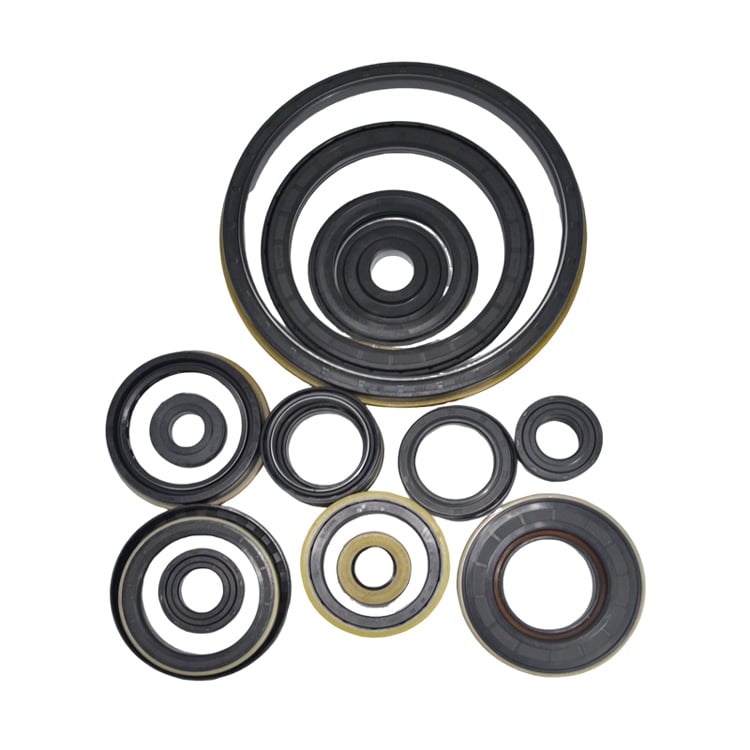
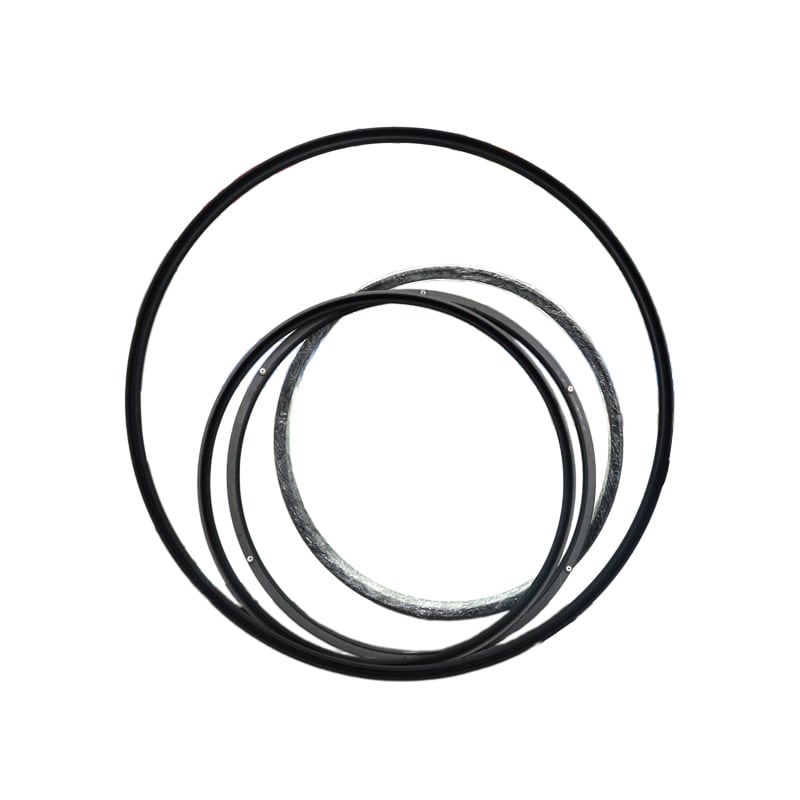
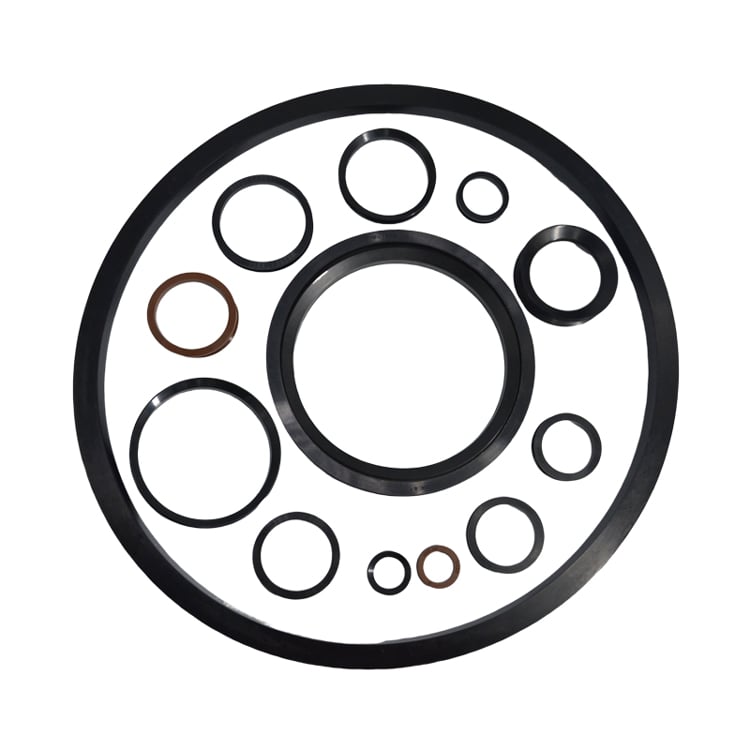
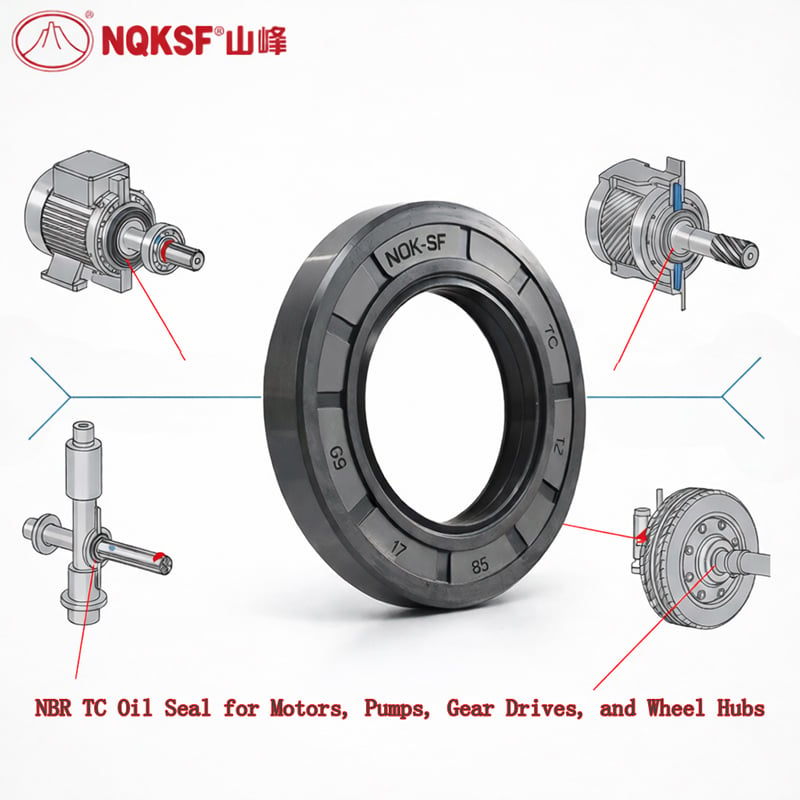
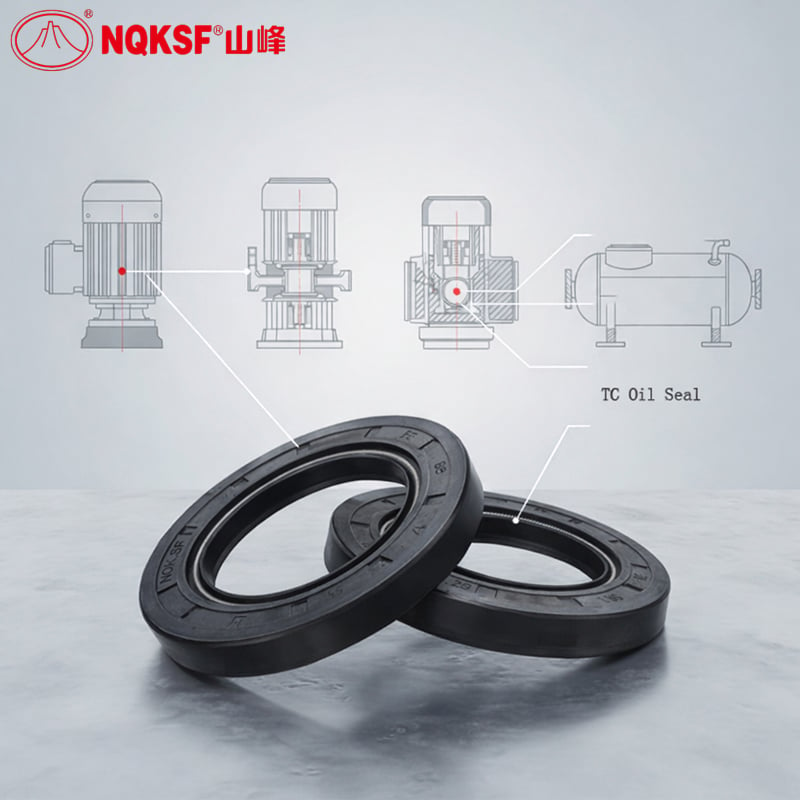
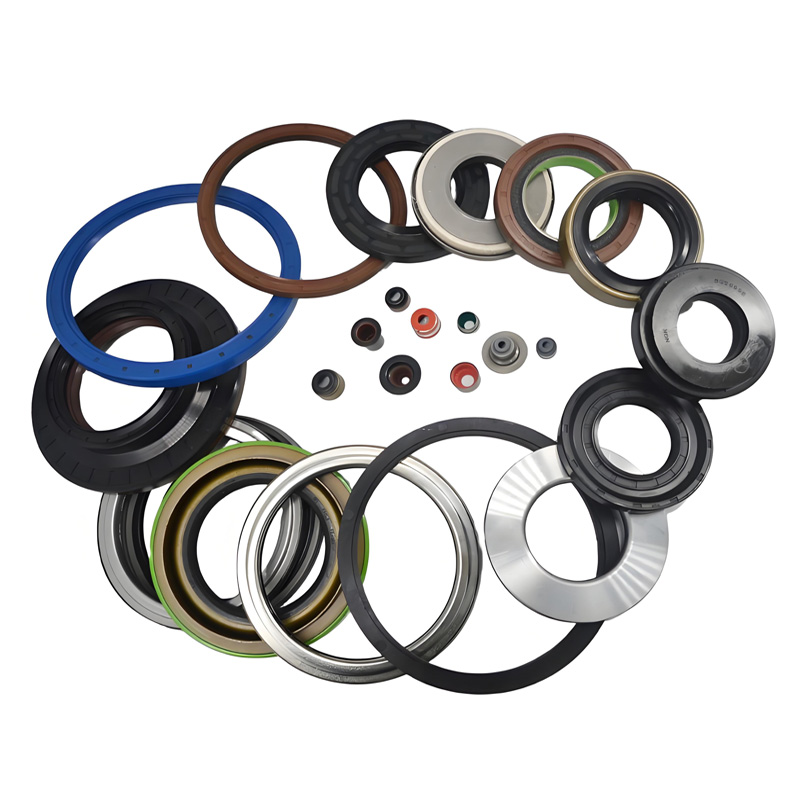
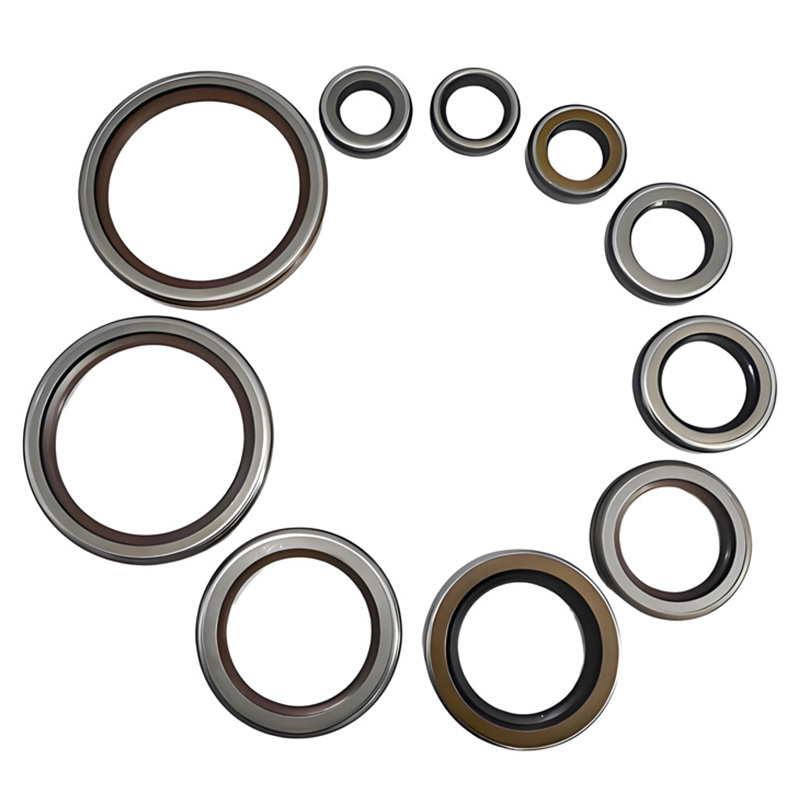
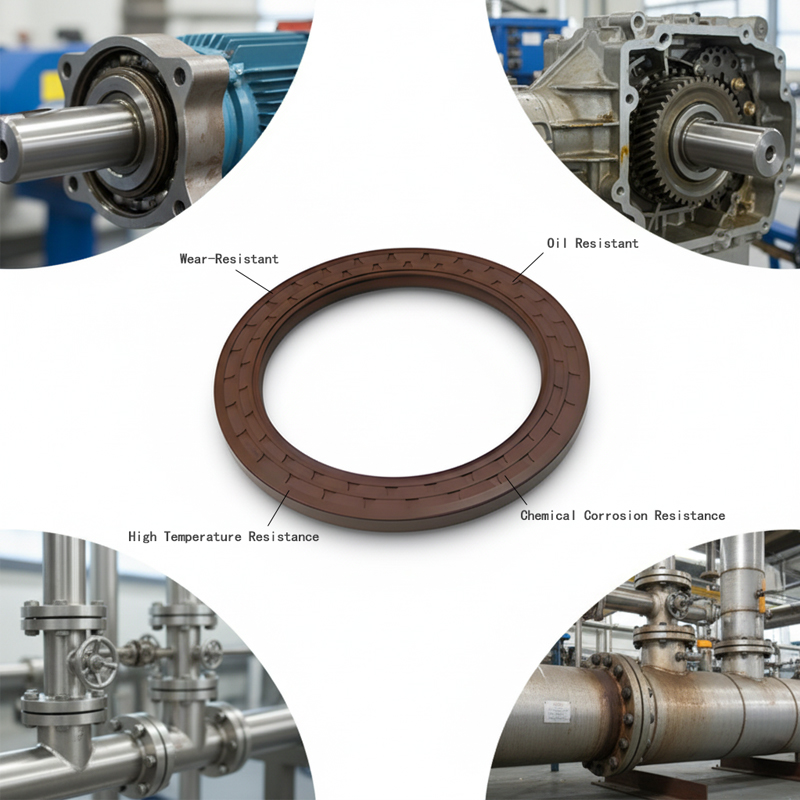
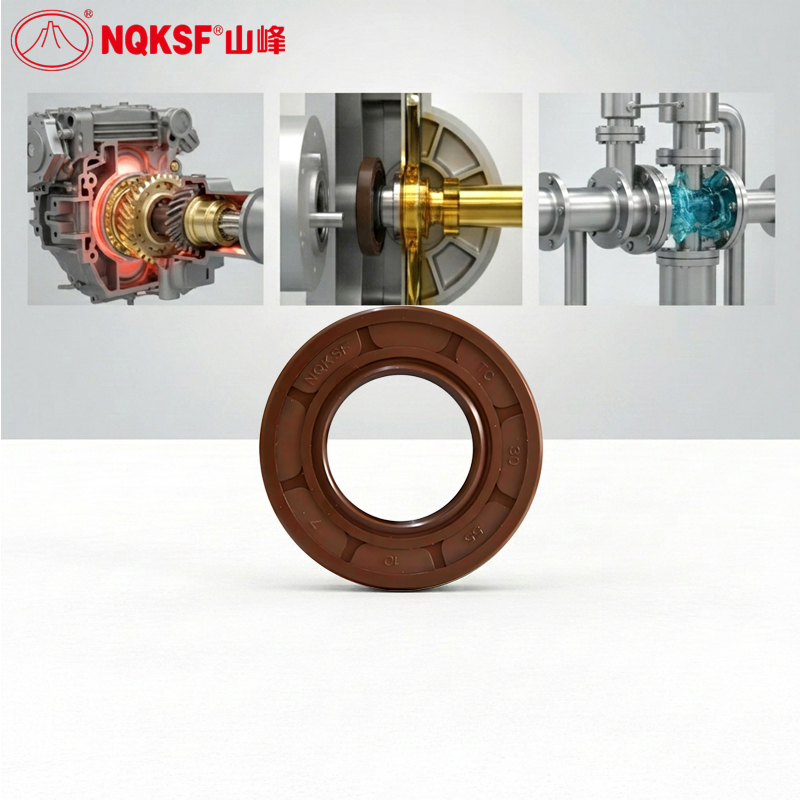
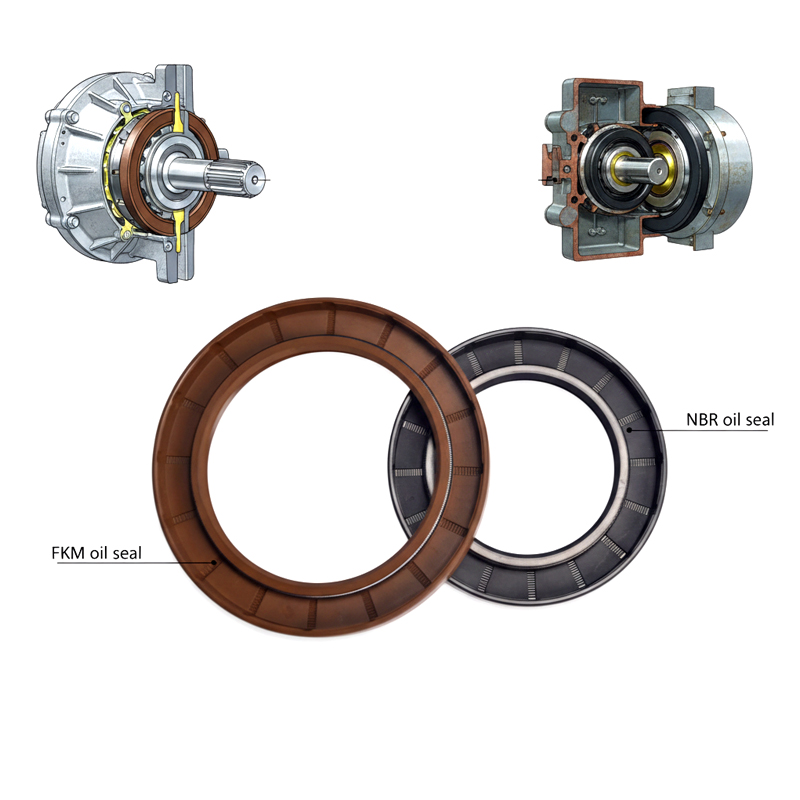
The viton shaft seal represents a critical component in modern industrial machinery, designed specifically to prevent fluid leakage while allowing rotational movement of shafts. This advanced sealing solution combines the exceptional chemical resistance properties of viton fluoroelastomer material with precision engineering to deliver superior performance in demanding applications. The viton shaft seal functions as a barrier between rotating and stationary components, maintaining system integrity by preventing contamination and fluid loss. The primary function of a viton shaft seal involves creating a dynamic seal around rotating shafts in pumps, compressors, gearboxes, and other rotating equipment. The seal maintains contact with the shaft surface through carefully designed lip geometry and spring-loaded mechanisms that compensate for wear and thermal expansion. The viton material construction enables these seals to withstand extreme temperatures ranging from -26°C to 205°C, making them suitable for high-temperature applications where conventional rubber seals would fail. Technological features of the viton shaft seal include advanced lip design that optimizes sealing contact pressure, reducing friction while maintaining effective sealing performance. The fluoroelastomer compound exhibits remarkable resistance to aggressive chemicals, oils, fuels, and solvents that commonly cause degradation in standard sealing materials. Manufacturing processes incorporate precision molding techniques that ensure consistent dimensional accuracy and surface finish quality. The viton shaft seal finds extensive applications across automotive, aerospace, chemical processing, oil and gas, pharmaceutical, and food processing industries. In automotive applications, these seals protect transmission systems, differential assemblies, and engine components from contamination while retaining essential lubricants. Chemical processing facilities rely on viton shaft seals to handle corrosive media and maintain process integrity in pumps and agitators. The aerospace sector utilizes these seals in fuel systems, hydraulic components, and environmental control systems where reliability and performance are paramount.

New Products

The viton shaft seal delivers exceptional chemical resistance that surpasses conventional sealing materials by significant margins. This superior resistance allows equipment operators to handle aggressive chemicals, acids, bases, and solvents without experiencing seal degradation or premature failure. The extended service life reduces maintenance costs dramatically while improving system reliability and operational uptime. Customers benefit from reduced replacement frequencies, lower inventory requirements, and decreased labor costs associated with seal changes. The temperature stability of viton shaft seals provides reliable performance across extreme temperature ranges that would destroy standard rubber seals. This thermal resilience eliminates the need for frequent seal replacements in high-temperature applications, reducing operational disruptions and maintenance expenses. Equipment operators can maintain consistent performance levels even when process temperatures fluctuate significantly, ensuring continuous production without unexpected downtime. The low permeability characteristics of viton material prevent gas and vapor transmission through the seal structure, maintaining system purity and preventing contamination. This feature proves particularly valuable in applications requiring strict environmental controls or handling hazardous substances where even minimal leakage could create safety concerns or regulatory compliance issues. The dimensional stability of viton shaft seals ensures consistent sealing performance throughout extended service periods. Unlike conventional materials that may swell, shrink, or deform under chemical exposure, viton maintains its original geometry and sealing properties. This stability translates to predictable maintenance schedules and reliable equipment operation. The excellent compression set resistance prevents permanent deformation under load, maintaining effective sealing contact even after prolonged compression cycles. Equipment owners benefit from consistent performance without the gradual deterioration typically associated with other sealing materials. The viton shaft seal exhibits superior ozone and weather resistance, making it ideal for outdoor applications or equipment exposed to atmospheric conditions. This resistance prevents cracking and degradation that commonly affect rubber seals, extending service intervals and reducing total cost of ownership. The material's inherent lubricity reduces friction between sealing surfaces, minimizing wear on both the seal and mating components while reducing power consumption in rotating equipment.

Latest News

Why Do Professionals Prefer Premium Hydraulic Shaft Seal?

27

Nov

Why Do Professionals Prefer Premium Hydraulic Shaft Seal?

Industrial professionals across manufacturing, construction, and heavy machinery sectors consistently choose premium hydraulic shaft seals for their critical applications. These specialized sealing components serve as the backbone of hydraulic system...
View More
Which Sealing Ring Specifications Matter for Industrial Applications?

06

Jan

Which Sealing Ring Specifications Matter for Industrial Applications?

Industrial sealing applications demand precise attention to ring specification details that directly impact operational efficiency and system reliability. Understanding the critical parameters that define effective sealing performance helps engineers...
View More
Which Oil Seal Manufacturer Is the Best?

06

Jan

Which Oil Seal Manufacturer Is the Best?

Precision Sealing and the Role of a Reliable Oil Seal Manufacturer In modern industrial systems, stable sealing performance is a basic requirement rather than an added advantage. From rotating shafts in automotive powertrains to high-speed equipment ...
View More
What Is the Correct Installation Method for Oil Seals?

06

Jan

What Is the Correct Installation Method for Oil Seals?

Fundamentals of Proper Oil Seal Installation in Mechanical Systems Correct installation is one of the most critical factors affecting Oil Seal performance and service life. Even a high-quality Oil Seal can fail prematurely if it is installed incorrec...
View More

Get a Free Quote

Our representative will contact you soon.
Email
Telephone
Name
Company Name
Message
0/1000

viton shaft seal

Unmatched Chemical Compatibility and Durability

Unmatched Chemical Compatibility and Durability

The viton shaft seal stands out in industrial applications due to its extraordinary chemical compatibility, offering resistance to over 1,800 different chemicals including strong acids, bases, oxidizers, and organic solvents. This comprehensive resistance stems from the unique fluorocarbon polymer structure that creates an virtually impermeable barrier against chemical attack. Unlike conventional nitrile or EPDM seals that may swell, crack, or dissolve when exposed to aggressive media, the viton shaft seal maintains its integrity and sealing properties even in the most challenging chemical environments. The molecular structure of viton contains strong carbon-fluorine bonds that resist breakdown from chemical exposure, radiation, and thermal stress. This molecular stability translates directly into extended service life that can exceed conventional seals by 300-500 percent in harsh chemical applications. For customers operating in chemical processing plants, pharmaceutical manufacturing, or petrochemical facilities, this translates to substantial cost savings through reduced maintenance intervals and improved operational reliability. The viton shaft seal performs consistently in applications involving concentrated sulfuric acid, hydrochloric acid, sodium hydroxide solutions, and various organic solvents that would rapidly degrade other sealing materials. Equipment operators report significant reductions in unplanned maintenance events and emergency seal replacements when switching to viton shaft seals in critical applications. The superior chemical resistance also prevents contamination of process fluids, maintaining product quality and preventing costly batch losses. This chemical compatibility extends to fuel systems where the viton shaft seal resists degradation from gasoline, diesel fuel, hydraulic fluids, and synthetic lubricants. The seal material exhibits minimal swelling when exposed to these fluids, maintaining dimensional stability and sealing effectiveness throughout the service life. For customers in automotive, aerospace, and marine applications, this reliability ensures consistent performance and reduces the risk of catastrophic seal failure that could damage expensive equipment or compromise safety systems.
Superior Temperature Performance and Thermal Stability

Superior Temperature Performance and Thermal Stability

The exceptional temperature performance of the viton shaft seal makes it the preferred choice for applications involving extreme thermal conditions that would compromise conventional sealing solutions. Operating reliably across a temperature range from -26°C to 205°C, the viton shaft seal maintains its flexibility, sealing properties, and dimensional stability even when subjected to rapid temperature cycling or sustained high-temperature exposure. This thermal resilience results from the unique polymer chemistry that resists thermal degradation and maintains elastomeric properties across wide temperature ranges. In high-temperature applications such as automotive transmissions, industrial furnace systems, or aerospace hydraulics, the viton shaft seal continues functioning effectively where standard rubber seals would harden, crack, or lose sealing capability. The material's low-temperature flexibility prevents brittleness that commonly affects fluoroelastomer compounds, ensuring reliable startup performance even in cold environments. This temperature versatility eliminates the need for multiple seal specifications across different operating conditions, simplifying inventory management and reducing procurement costs for customers. The thermal stability also prevents thermal cycling fatigue that causes premature failure in other sealing materials. Equipment subjected to heating and cooling cycles experiences consistent sealing performance throughout numerous thermal cycles without developing leaks or requiring frequent maintenance. Manufacturing facilities operating continuous processes benefit from the viton shaft seal's ability to maintain sealing integrity during process temperature variations, preventing costly production interruptions. The seal material exhibits minimal thermal expansion coefficient changes, maintaining proper sealing contact pressure across the entire temperature range. This characteristic prevents both over-compression at low temperatures and under-compression at elevated temperatures, optimizing seal life and performance. For customers in power generation, chemical processing, and heavy industrial applications, this thermal stability translates to predictable maintenance schedules and reliable equipment operation regardless of ambient or process temperature fluctuations.
Enhanced Mechanical Properties and Longevity

Enhanced Mechanical Properties and Longevity

The viton shaft seal delivers superior mechanical performance characteristics that significantly extend service life while reducing total cost of ownership for industrial equipment operators. The exceptional tensile strength and tear resistance of viton material enables the seal to withstand high-pressure differentials, shaft runout, and mechanical stresses that would cause rapid failure in conventional sealing materials. This mechanical robustness stems from the crosslinked polymer structure that provides excellent elastic recovery and resistance to permanent deformation under load. The viton shaft seal exhibits outstanding compression set resistance, maintaining its original shape and sealing contact pressure even after prolonged compression cycles. This property ensures consistent sealing performance throughout the service life without the gradual deterioration commonly experienced with other elastomeric materials. Equipment operators benefit from predictable seal performance without the need for frequent adjustments or premature replacements due to compression set failure. The material's excellent abrasion resistance allows the viton shaft seal to withstand contact with rough shaft surfaces or contaminated lubricants without experiencing rapid wear. This durability proves particularly valuable in applications involving particulate contamination or less-than-ideal surface finishes where conventional seals would wear prematurely. The inherent lubricity of viton material reduces friction between the seal and shaft, minimizing heat generation and wear on both components while reducing power consumption in rotating equipment. For customers operating high-speed machinery, this reduced friction translates to improved efficiency and extended bearing life. The viton shaft seal maintains its mechanical properties even when exposed to radiation, ozone, and oxidizing environments that degrade other sealing materials. This stability ensures reliable performance in challenging industrial environments including outdoor applications, food processing facilities, and medical device manufacturing where sterilization processes might affect seal integrity. The combination of mechanical strength and chemical resistance makes the viton shaft seal particularly valuable in applications involving aggressive media under pressure, where seal failure could result in safety hazards or environmental contamination. Equipment designers and maintenance professionals appreciate the predictable performance characteristics that enable confident specification of maintenance intervals and spare parts inventory levels.

Get a Free Quote

Our representative will contact you soon.
Email
Telephone
Name
Company Name
Message
0/1000