
 EN
EN
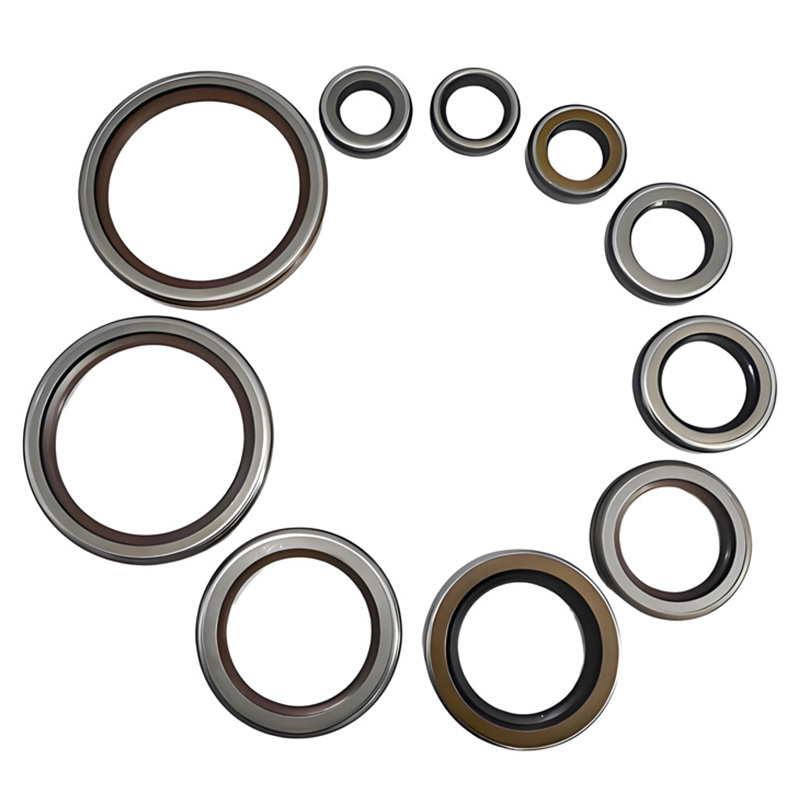
When working with industrial hydraulic systems and high-pressure applications, the safety factors surrounding a high pressure oil seal become critical considerations that directly impact operational reliability, equipment longevity, and personnel safety. These specialized sealing components operate under extreme conditions where pressures can exceed thousands of PSI, creating unique challenges that standard sealing solutions simply cannot address effectively.
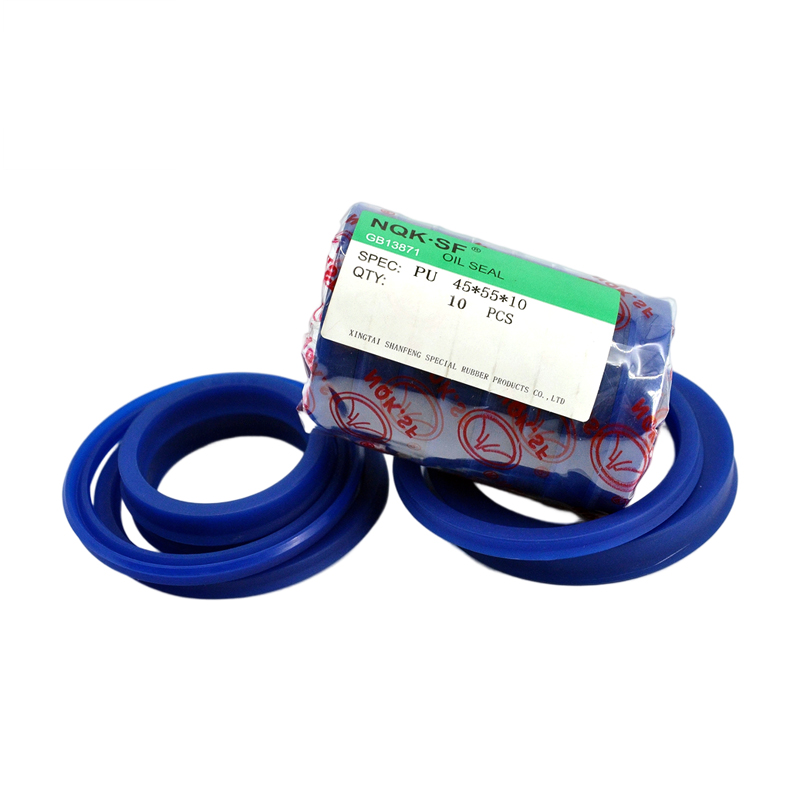
Understanding the comprehensive safety factors for a high pressure oil seal requires examining multiple interconnected elements including material compatibility, pressure ratings, installation procedures, environmental conditions, and failure mode prevention. Each factor plays a crucial role in determining whether the seal will perform safely throughout its intended service life or potentially create hazardous conditions that could lead to equipment failure, contamination, or safety incidents.
Material Selection and Chemical Compatibility Considerations
Understanding Material Properties Under High Pressure
The material composition of a high pressure oil seal fundamentally determines its safety performance under extreme operating conditions. Polyurethane, nitrile rubber, fluorocarbon, and specialized polymer compounds each exhibit different behaviors when subjected to high pressures, making material selection a critical safety factor. The molecular structure of these materials affects their resistance to deformation, extrusion, and chemical degradation.
Under high pressure conditions, materials that appear suitable at atmospheric pressure may experience significant property changes. The compressive strength, elastic modulus, and creep resistance of the seal material must be carefully evaluated to ensure it can maintain its sealing integrity without catastrophic failure. Materials with insufficient strength may experience explosive decompression or sudden extrusion, creating immediate safety hazards.
Temperature-pressure relationships also significantly impact material safety performance. A high pressure oil seal material that performs well at moderate temperatures may become brittle or overly soft when temperature fluctuations occur during operation. This interaction between thermal and pressure stresses requires careful consideration of the material's glass transition temperature and thermal expansion characteristics.
Chemical Resistance and Fluid Compatibility Assessment
Chemical compatibility between the seal material and the hydraulic fluid represents another fundamental safety factor. Incompatible combinations can lead to rapid seal degradation, swelling, hardening, or chemical attack that compromises sealing performance. The specific hydraulic oil composition, including additives, anti-wear agents, and contamination levels, must be thoroughly evaluated against the seal material properties.
Long-term chemical exposure effects become particularly important in high pressure applications where the increased pressure can accelerate chemical penetration into the seal material. What might be acceptable chemical compatibility at low pressure could become a safety concern when the same combination operates under high pressure conditions for extended periods.
Contamination compatibility also requires consideration, as hydraulic systems often contain particulates, water, or other contaminants that can interact with both the fluid and the high pressure oil seal material. These interactions can create unexpected chemical reactions or accelerated wear patterns that compromise safety performance.
Pressure Rating and Design Safety Margins
Establishing Appropriate Working Pressure Limits
Determining the safe working pressure for a high pressure oil seal requires understanding the relationship between maximum rated pressure, safety factors, and real-world operating conditions. Industry standards typically recommend safety factors of 2:1 to 4:1 between the seal's maximum rated pressure and the actual system operating pressure, but these ratios must be adjusted based on application criticality and failure consequences.
Dynamic pressure variations present additional safety considerations beyond static pressure ratings. Hydraulic systems often experience pressure spikes, cycling loads, and transient pressure events that can exceed nominal operating pressures by significant margins. The seal design must accommodate these dynamic conditions while maintaining adequate safety margins to prevent catastrophic failure.
Pressure distribution across the seal geometry also affects safety performance. Non-uniform pressure loading can create stress concentrations that lead to localized failures even when average pressures remain within rated limits. Proper groove design and seal geometry selection help ensure uniform pressure distribution and improved safety margins.
Fatigue and Cyclic Loading Considerations
Cyclic pressure loading represents one of the most challenging safety factors for high pressure oil seal applications. Repeated pressure cycles cause material fatigue that can lead to crack initiation and propagation, ultimately resulting in seal failure. The number of pressure cycles, cycle amplitude, and cycle frequency all influence fatigue life and safety performance.
Fatigue crack growth becomes particularly dangerous in high pressure applications because crack propagation can accelerate rapidly once initiated. Small fatigue cracks that might be tolerable in low-pressure applications can quickly become critical failures when exposed to high pressure conditions. Regular inspection intervals and replacement schedules must account for fatigue accumulation to maintain safe operation.
Stress concentration factors around seal grooves, installation defects, or geometric irregularities can significantly reduce fatigue life and create unexpected failure modes. Proper installation techniques and quality control measures help minimize these stress concentrations and improve overall safety margins for the high pressure oil seal system.
Installation and Assembly Safety Protocols
Proper Installation Techniques and Procedures
Installation procedures for a high pressure oil seal directly impact both immediate and long-term safety performance. Improper installation can introduce stress concentrations, damage seal surfaces, or create improper seating that leads to premature failure under pressure. Specialized installation tools and techniques are often required to avoid damage during assembly.
Surface preparation of mating components plays a critical role in installation safety. Scratches, nicks, or contamination on sealing surfaces can create leak paths or stress concentration points that compromise the high pressure oil seal performance. Proper surface finish specifications, cleaning procedures, and inspection protocols must be followed to ensure safe installation.
Torque specifications and assembly sequences also affect installation safety. Over-tightening can distort seal grooves or create excessive preload that leads to premature failure. Under-tightening may allow movement or vibration that damages the seal over time. Following manufacturer specifications and using calibrated tools helps ensure proper assembly forces.
Quality Control and Inspection Requirements
Pre-installation inspection of the high pressure oil seal and mating components identifies potential safety issues before they become operational problems. Visual inspection for cracks, contamination, or dimensional irregularities helps prevent installation of defective components that could fail catastrophically under pressure.
Post-installation testing procedures verify proper seal function before bringing the system to full operating pressure. Gradual pressure increases allow detection of installation problems or seal defects before they create safety hazards. Leak testing at intermediate pressures helps identify issues that might not be apparent at atmospheric pressure.
Documentation of installation procedures and inspection results creates an important safety record that can be referenced during troubleshooting or failure analysis. Proper documentation also ensures consistent installation practices across multiple assemblies and helps identify patterns that might indicate systemic safety issues.
Environmental and Operating Condition Factors
Temperature Effects on Seal Safety Performance
Temperature fluctuations significantly impact the safety performance of a high pressure oil seal through effects on material properties, thermal expansion, and fluid characteristics. High temperatures can reduce seal material strength and increase permeability, while low temperatures can cause brittleness and reduced flexibility. The combination of temperature extremes with high pressure creates particularly challenging operating conditions.
Thermal cycling between operating and ambient temperatures introduces additional stress cycles that can contribute to fatigue failure. Different thermal expansion rates between the seal material and mating components can create interface stresses that compromise sealing performance or lead to extrusion failures. Proper material selection must account for the entire operating temperature range.
Heat generation from high pressure operation can create localized hot spots that exceed the seal material's temperature limits. Adequate cooling provisions and heat dissipation measures may be necessary to maintain safe operating temperatures for the high pressure oil seal system.
Contamination Control and Environmental Protection
Contamination control represents a critical safety factor for high pressure oil seal applications because contaminants can act as stress concentrators, abrasives, or chemical agents that accelerate seal degradation. Particulate contamination is particularly dangerous because hard particles can embed in the seal surface and create cutting or scoring action under high pressure.
Water contamination poses multiple safety risks including chemical incompatibility, freeze-thaw damage, and accelerated corrosion of mating components. Water can also reduce the lubricating properties of hydraulic fluids, increasing friction and heat generation that may exceed the safe operating limits of the seal material.
Environmental exposure to chemicals, UV radiation, ozone, or other degrading agents can weaken seal materials over time, reducing their ability to safely contain high pressure fluids. Proper environmental protection measures and regular condition monitoring help maintain safe operation throughout the seal's service life.
Failure Mode Analysis and Prevention Strategies
Common High Pressure Seal Failure Mechanisms
Understanding the primary failure modes for a high pressure oil seal enables development of appropriate prevention strategies and safety measures. Extrusion failure represents one of the most dangerous failure modes, occurring when seal material is forced through clearance gaps under high pressure, potentially causing sudden and complete loss of containment.
Explosive decompression failure can occur when dissolved gases in the seal material rapidly expand during pressure reduction, creating internal cracks or surface blistering that compromises seal integrity. This failure mode is particularly dangerous because it can occur during normal operational pressure cycles and may not be immediately apparent.
Thermal degradation failures result from exposure to temperatures beyond the material's safe operating limits, causing chemical breakdown, hardening, or softening that eliminates sealing capability. These failures can occur gradually or suddenly depending on the severity of temperature exposure and may be difficult to predict without proper monitoring.
Predictive Maintenance and Monitoring Systems
Implementing predictive maintenance strategies for high pressure oil seal systems helps identify potential safety issues before they result in catastrophic failures. Pressure monitoring systems can detect gradual seal leakage that indicates developing problems, allowing for planned replacement before emergency situations develop.
Temperature monitoring provides early warning of thermal problems that could compromise seal safety performance. Infrared thermography and embedded temperature sensors can identify hot spots or unusual thermal patterns that indicate potential seal failure mechanisms.
Vibration analysis and acoustic monitoring can detect changes in system operation that may indicate seal deterioration or improper functioning. These monitoring techniques are particularly valuable for high pressure oil seal applications where visual inspection may not be practical during operation.
FAQ
What is the most critical safety factor when selecting a high pressure oil seal?
The most critical safety factor is ensuring the seal material and design can handle the maximum system pressure with adequate safety margins while maintaining compatibility with the operating fluid and temperature range. This requires careful evaluation of material properties, pressure ratings, and environmental conditions to prevent catastrophic failure that could create safety hazards or equipment damage.
How often should high pressure oil seals be inspected for safety purposes?
High pressure oil seal inspection frequency should be based on the specific application requirements, operating conditions, and manufacturer recommendations, but typically ranges from monthly visual inspections for critical applications to annual comprehensive evaluations for standard applications. Systems operating under severe conditions or with high safety consequences may require continuous monitoring or more frequent inspection intervals.
What are the warning signs that a high pressure oil seal may be approaching failure?
Warning signs include visible leakage, pressure drops during operation, unusual temperature increases, vibration changes, or contamination in the hydraulic fluid. Any of these symptoms should trigger immediate investigation and potential seal replacement to prevent safety hazards. Early detection of these warning signs is crucial for maintaining safe operation and preventing catastrophic failures.
Can standard seals be used in high pressure applications if the system pressure is occasionally reduced?
No, standard seals should never be used in high pressure applications even if the pressure is occasionally reduced. High pressure oil seals are specifically designed and tested for extreme pressure conditions, and using inadequate seals creates serious safety risks including sudden failure, system contamination, and potential injury to personnel. Always use seals specifically rated for the maximum system pressure regardless of operational variations.
Table of Contents
- Material Selection and Chemical Compatibility Considerations
- Pressure Rating and Design Safety Margins
- Installation and Assembly Safety Protocols
- Environmental and Operating Condition Factors
- Failure Mode Analysis and Prevention Strategies
-
FAQ
- What is the most critical safety factor when selecting a high pressure oil seal?
- How often should high pressure oil seals be inspected for safety purposes?
- What are the warning signs that a high pressure oil seal may be approaching failure?
- Can standard seals be used in high pressure applications if the system pressure is occasionally reduced?