
 EN
EN
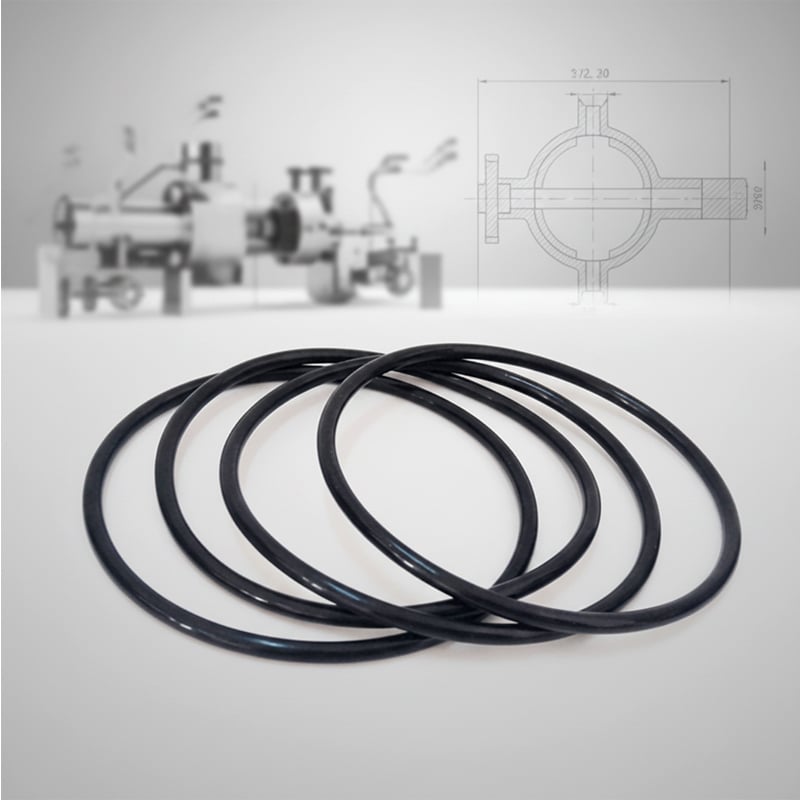
Understanding the fundamental differences between various sealing solutions is crucial for engineers and procurement professionals making critical design decisions. While multiple sealing technologies exist in the industrial marketplace, the unique characteristics of an o ring seal set it apart through specific design principles, material properties, and application versatility that distinguish it from alternative sealing methods.
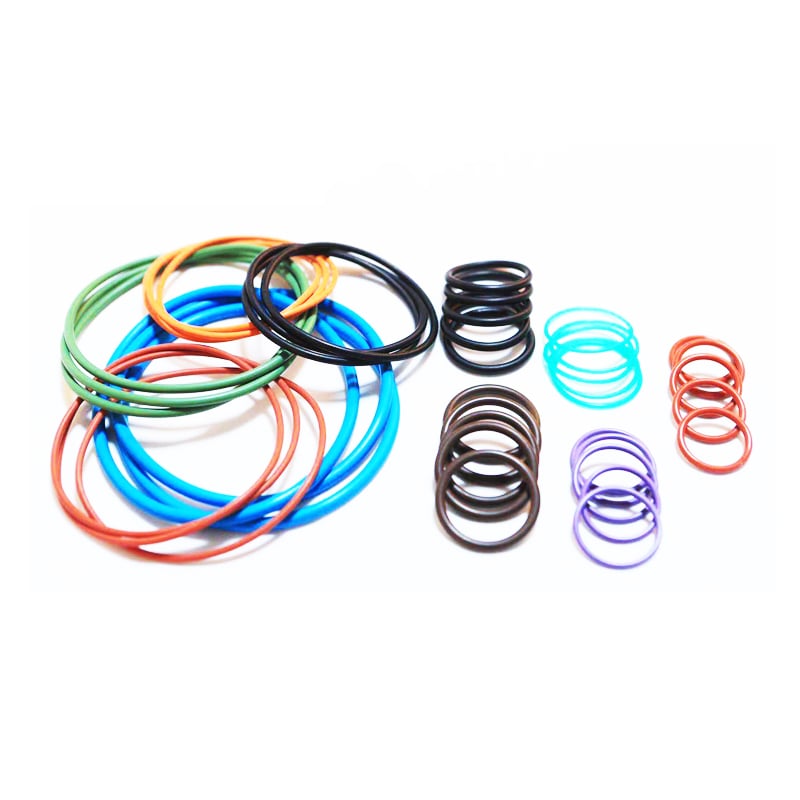
The distinctive operational mechanics and structural advantages of an o ring seal become apparent when compared directly against other sealing technologies such as gaskets, lip seals, mechanical seals, and packing materials. Each sealing solution addresses specific engineering challenges through different approaches, making the selection process dependent on application requirements, operating conditions, and performance expectations that vary significantly across industrial applications.
Fundamental Design Principles and Structural Differences
Circular Cross-Section Advantage
The most immediately recognizable difference of an o ring seal lies in its circular cross-sectional geometry, which creates uniform stress distribution around the entire sealing perimeter. This circular design enables consistent contact pressure against mating surfaces, unlike flat gaskets that rely on compression across varying surface areas. The round profile allows the o ring seal to deform predictably under pressure, maintaining sealing integrity even when subjected to thermal expansion or mechanical vibration.
Traditional flat gaskets, by contrast, depend on surface-to-surface contact across their entire face, making them vulnerable to surface imperfections, warpage, and uneven bolt loading. The o ring seal eliminates these concerns through its ability to conform to minor surface irregularities while maintaining consistent sealing force distribution.
This geometric advantage becomes particularly evident in dynamic applications where relative motion between sealed components occurs. The circular profile of an o ring seal allows controlled deformation without permanent set, while maintaining its original shape and sealing capability throughout extended operating cycles.
Groove-Based Installation System
Unlike other sealing solutions that require clamping between flat surfaces, an o ring seal operates within specifically designed grooves that provide precise positioning and controlled compression. This groove-based system ensures consistent installation and eliminates the guesswork associated with torque specifications required for gasketed joints.
The groove design principles for an o ring seal incorporate specific dimensional relationships between ring diameter, groove width, and compression percentage that optimize sealing performance while preventing extrusion or rolling. These standardized groove specifications contrast sharply with the varied clamping requirements needed for different gasket materials and thicknesses.
This installation approach also enables field replacement without disassembling entire joint assemblies, as the o ring seal can often be accessed and replaced through simple groove access rather than complete component separation required by many gasket applications.
Material Properties and Performance Characteristics
Elastomeric Behavior Versus Other Materials
The elastomeric nature of most o ring seal materials provides fundamental performance advantages over rigid sealing materials like metal gaskets or fiber-based packing. Elastomeric materials allow the o ring seal to maintain contact pressure across varying temperature ranges and pressure cycles through elastic deformation rather than permanent compression set that affects many non-elastomeric sealing materials.
This elastic behavior enables an o ring seal to accommodate thermal expansion differences between mating components without losing sealing effectiveness. Metal gaskets, while suitable for extreme temperature applications, cannot provide the same accommodation for thermal movement and typically require precise surface finishes and controlled bolt loads to maintain seal integrity.
The material selection flexibility available for an o ring seal also exceeds that of many alternative sealing solutions. Various elastomeric compounds can be formulated to address specific chemical compatibility, temperature resistance, and durability requirements while maintaining the fundamental sealing mechanism that makes the o ring seal effective across diverse applications.
Chemical Resistance and Compatibility Range
Modern o ring seal materials offer extensive chemical compatibility options through compound formulation, providing solutions for applications involving aggressive chemicals, petroleum products, hydraulic fluids, and specialized process media. This chemical versatility often exceeds the compatibility range of traditional packing materials or standard gasket compounds.
The ability to select specific elastomeric compounds for an o ring seal allows engineers to optimize chemical resistance without compromising mechanical sealing properties. This targeted approach contrasts with compromise solutions often required when using alternative sealing methods that may excel in chemical resistance but lack mechanical durability, or vice versa.
Specialized formulations for an o ring seal can address unique challenges such as explosive decompression resistance, low-temperature flexibility, or high-temperature stability while maintaining the consistent sealing mechanism that defines o ring seal performance across different applications.
Application Suitability and Operational Differences
Static Versus Dynamic Sealing Capabilities
The versatility of an o ring seal extends to both static and dynamic applications, providing a single sealing solution type that can address multiple sealing requirements within complex assemblies. Static applications benefit from the reliable, long-term sealing provided by proper o ring seal installation, while dynamic applications leverage the controlled friction and wear characteristics inherent in elastomeric o ring seal materials.
Dynamic sealing with an o ring seal requires specific groove designs and surface finishes to minimize friction while maintaining sealing effectiveness. This capability distinguishes the o ring seal from gaskets, which are primarily static sealing solutions, and from specialized dynamic seals like lip seals that excel in rotary applications but may not provide optimal static sealing performance.
The dual-capability nature of an o ring seal simplifies inventory management and design standardization across equipment platforms, reducing the number of different sealing technologies required to address various sealing challenges within industrial operations.
Pressure and Temperature Operating Ranges
Operating pressure capabilities of an o ring seal depend on groove design, material selection, and backup ring usage, but typically provide reliable sealing across pressure ranges from vacuum to several thousand PSI. This broad pressure capability often exceeds that of packing materials in high-pressure applications while providing better low-pressure sealing than mechanical sealing systems.
Temperature performance of an o ring seal varies with elastomeric compound selection, but specialized materials enable operation from cryogenic temperatures to several hundred degrees Fahrenheit. This temperature flexibility allows a single sealing technology to address applications that might otherwise require different sealing approaches for various operating conditions.
The combination of pressure and temperature capability in an o ring seal often provides operational ranges that overlap multiple alternative sealing technologies, enabling design simplification and standardization across equipment operating under varying conditions.
Installation and Maintenance Considerations
Installation Complexity and Requirements
Installation of an o ring seal requires attention to specific procedures including proper lubrication, careful insertion to avoid damage, and verification of correct positioning within the groove. However, these installation requirements are generally less complex than those associated with mechanical seals, which require precise alignment, specific torque sequences, and often specialized tools.
The installation simplicity of an o ring seal compared to packing materials eliminates the need for specialized packing tools and compression techniques required for rope-style packing or formed packing rings. Standard installation practices for an o ring seal can be learned quickly and implemented consistently across maintenance operations.
Quality control during installation focuses primarily on damage prevention and proper positioning, rather than the complex adjustment procedures required for mechanical seals or the compression calculations needed for some gasket applications.
Maintenance and Replacement Characteristics
Maintenance requirements for an o ring seal typically involve periodic inspection and replacement based on service hours or condition assessment rather than ongoing adjustment or tightening required by some alternative sealing methods. This predictable maintenance approach enables planned maintenance scheduling and inventory management.
Replacement of an o ring seal usually requires minimal disassembly compared to gasket replacement, which may necessitate complete joint separation and surface preparation. The groove-based design allows access to the o ring seal without disturbing other assembly components in many applications.
Field replacement capabilities of an o ring seal often exceed those of specialized sealing solutions like cartridge-type mechanical seals, enabling on-site maintenance without returning equipment to specialized service facilities or requiring factory-trained technicians for routine seal replacement.
FAQ
What makes an o ring seal more versatile than flat gaskets?
An o ring seal offers superior versatility through its circular cross-section design that provides uniform stress distribution and accommodation for surface irregularities, unlike flat gaskets that require precise surface preparation and controlled clamping forces. The groove-based installation system of an o ring seal eliminates torque specification variables and enables consistent performance across varying assembly conditions, while the elastomeric materials provide better accommodation for thermal expansion and pressure variations than rigid gasket materials.
Can an o ring seal handle both high pressure and vacuum applications effectively?
Yes, an o ring seal can effectively handle both high pressure and vacuum applications when properly designed and installed. For high-pressure applications, backup rings prevent extrusion while maintaining sealing contact, and the elastomeric deformation actually improves sealing effectiveness under pressure. For vacuum applications, the o ring seal design prevents atmospheric pressure from forcing the seal out of position, and the continuous circular contact ensures reliable vacuum maintenance without the edge sealing challenges faced by some gasket designs.
How does the maintenance schedule for an o ring seal compare to mechanical seals?
An o ring seal typically requires less frequent maintenance than mechanical seals and follows a more predictable replacement schedule based on service hours or visual inspection rather than performance degradation monitoring. Mechanical seals require ongoing monitoring of leakage rates, face wear, and spring tension, while an o ring seal maintenance involves straightforward replacement when wear or damage is observed. The simplified maintenance approach reduces downtime and eliminates the specialized tools and alignment procedures required for mechanical seal service.
What installation advantages does an o ring seal provide over traditional packing materials?
An o ring seal installation eliminates the specialized packing tools and compression techniques required for rope or formed packing materials, while providing more consistent and predictable sealing performance. Unlike packing that requires adjustment during break-in periods and periodic retightening to maintain sealing effectiveness, an o ring seal provides immediate sealing upon proper installation and maintains consistent performance throughout its service life without adjustment. The groove positioning system ensures correct installation geometry and eliminates the guesswork associated with packing compression and gland adjustment.
Table of Contents
- Fundamental Design Principles and Structural Differences
- Material Properties and Performance Characteristics
- Application Suitability and Operational Differences
- Installation and Maintenance Considerations
-
FAQ
- What makes an o ring seal more versatile than flat gaskets?
- Can an o ring seal handle both high pressure and vacuum applications effectively?
- How does the maintenance schedule for an o ring seal compare to mechanical seals?
- What installation advantages does an o ring seal provide over traditional packing materials?