

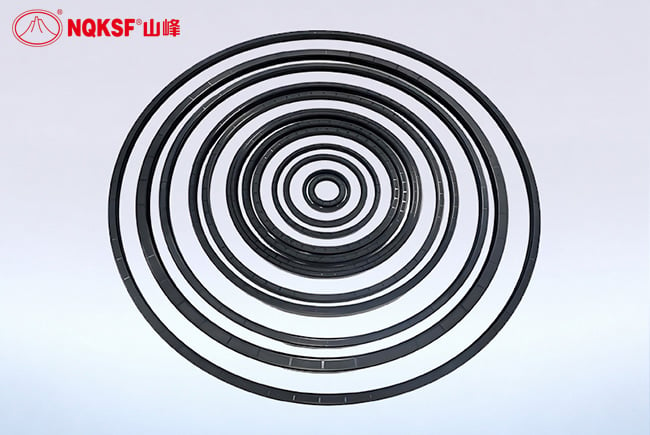
A high-quality oil seal cannot achieve reliable performance if the shaft surface is unsuitable. In sealing systems, the shaft is not merely a component that passes through the seal. It is an active part of the sealing interface. This fact is often un...
Read More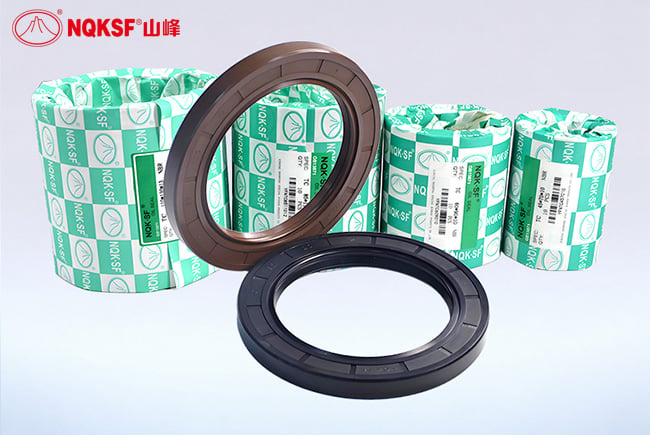
When maintenance teams investigate premature oil seal failures, they often focus on the seal itself. In reality, many failures occur because of installation practices that damage the seal before the machine even begins operating. The irony is that th...
Read More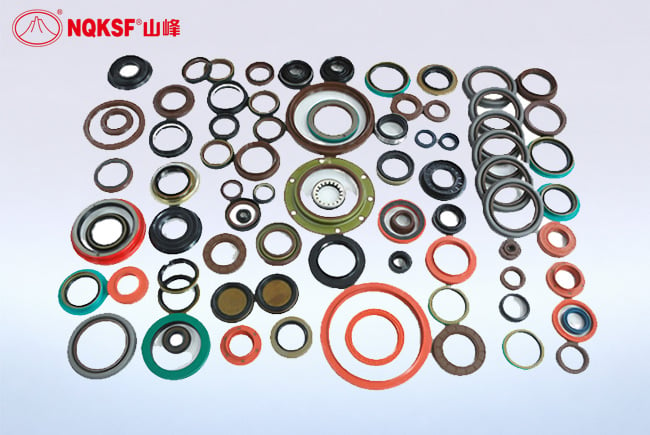
Choosing a rubber material is often more important than choosing the oil seal design itself. Two oil seals may have identical dimensions and nearly identical appearances, yet their service life can vary dramatically simply because the material does n...
Read More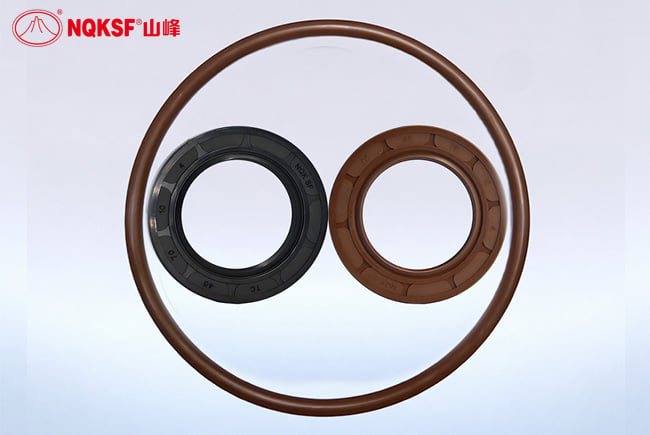
Many people use the terms "oil seal" and "O-ring" interchangeably, but they are designed for very different jobs. If the application involves a rotating shaft, an oil seal is usually the appropriate choice. If the goal is to seal static or reciprocat...
Read More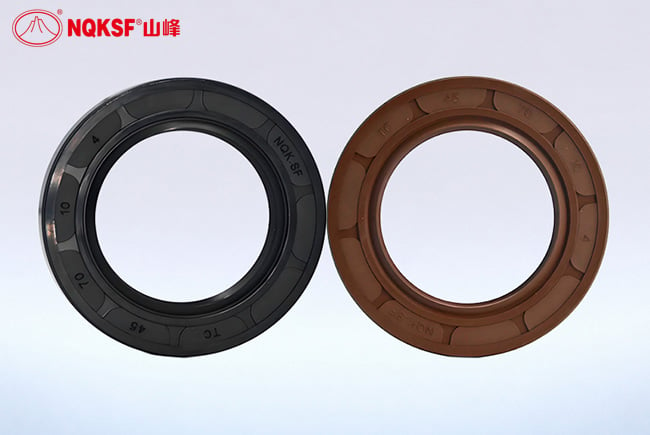
Four details often reveal more than the price tag Two oil seals can look nearly identical in photographs. Both may carry similar dimensions. Both may fit the same equipment. Yet their performance in service can be very different. For purchasing teams...
Read More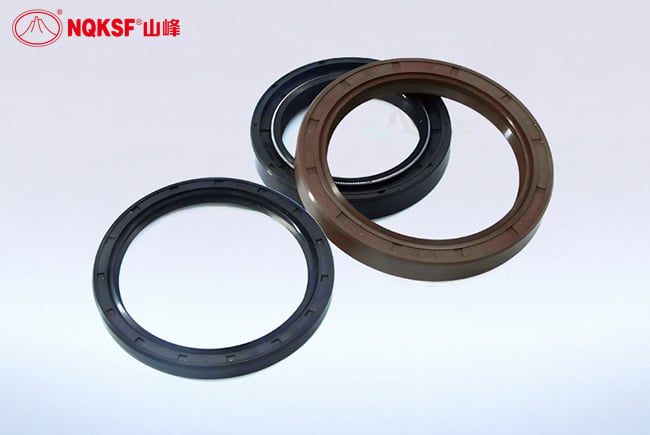
When leakage continues after an oil seal is replaced, frustration usually follows. The natural assumption is that the new seal is defective. Yet in many cases, the replacement seal is functioning exactly as designed. The true problem lies in the comp...
Read More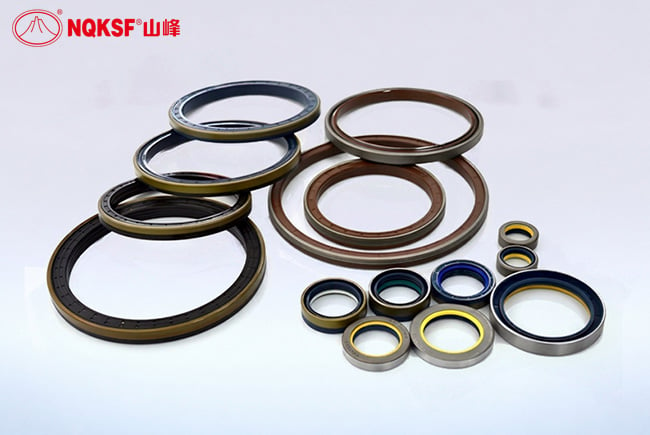
If your equipment operates in harsh conditions, a standard oil seal may not be the right choice A common mistake in industrial maintenance is assuming that all oil seals perform similarly. They do not. A seal that works perfectly in a clean gearbox m...
Read More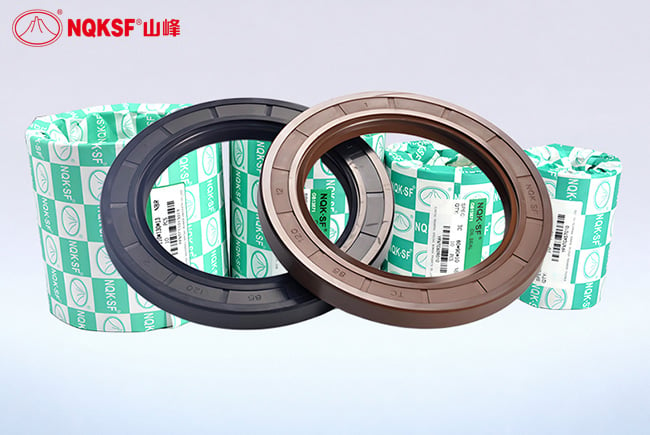
Many purchasing managers assume that an unused oil seal remains in perfect condition indefinitely. Unfortunately, rubber materials continue to change over time, even while sitting on a warehouse shelf. So the answer is simple: improper storage can sh...
Read More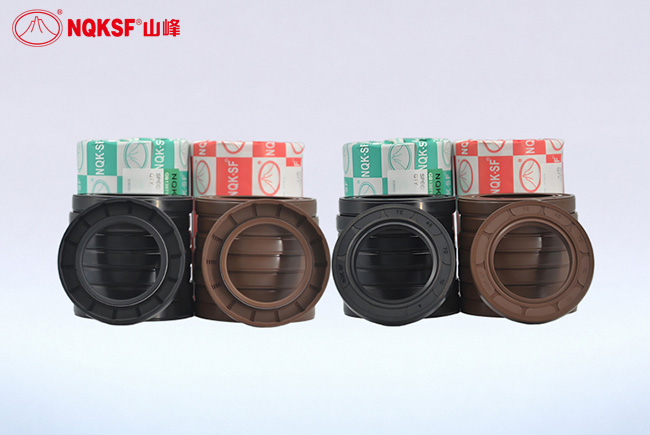
An oil seal works by creating a controlled sealing contact between the seal lip and the rotating shaft. Its purpose is not only to prevent lubricant leakage but also to reduce the entry of external contaminants into mechanical equipment. Although the...
Read More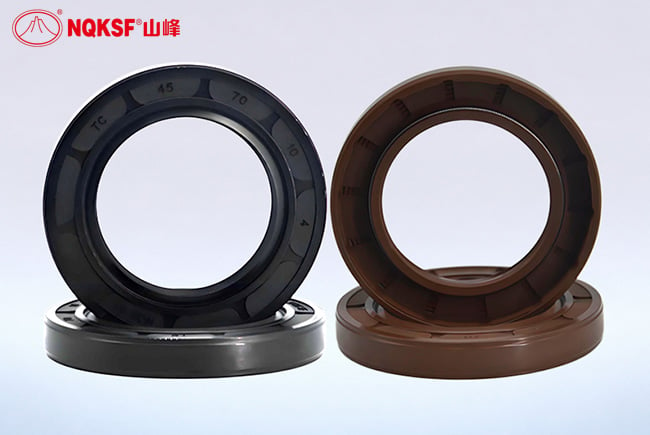
TC oil seals are widely used in motors, gearboxes, pumps, and industrial rotating equipment because their double-lip structure provides both lubricant retention and contamination protection. The popularity of TC seals comes from the balance between s...
Read More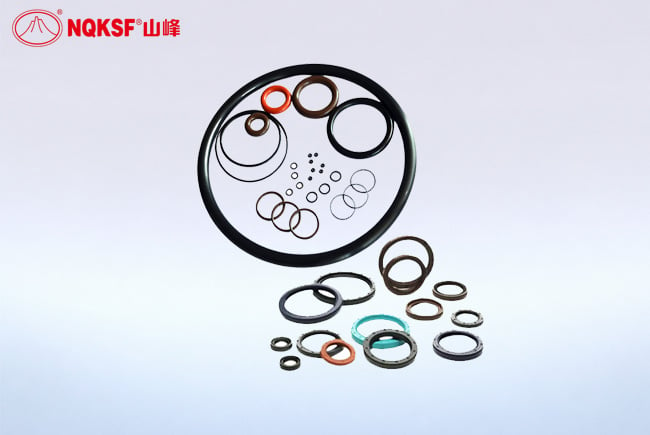
The main difference between static sealing and dynamic sealing is whether there is relative movement between the sealing surfaces. Static seals work between stationary parts, while dynamic seals are designed to maintain sealing performance when compo...
Read More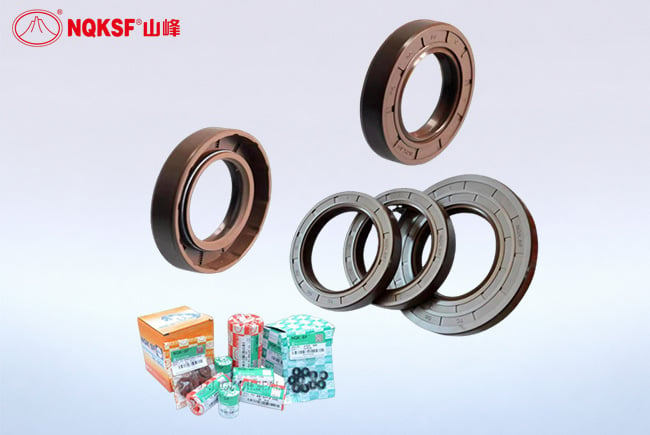
The service life of an oil seal is influenced by many factors beyond the seal itself. Operating speed, temperature, lubrication condition, shaft surface quality, contamination, and installation accuracy all affect how long a rotary shaft seal can mai...
Read More Hot News
ShanFeng Special Rubber Products Co., Ltd., operating under brand NQKSF since 1990, is a global leader in the sealing industry.
Copyright © 2026 ShanFeng Special Rubber Products Co., Ltd. All rights reserved. Privacy Policy
 EN
EN