
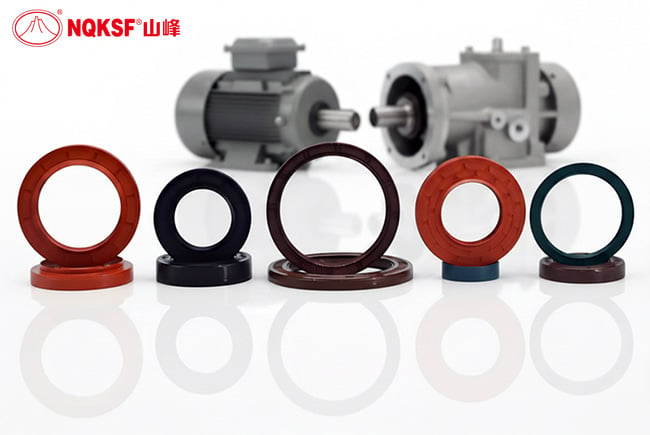
For industrial power equipment, the right motor oil seal should be selected by looking at how the motor actually operates: how fast the shaft rotates, what lubricant is present, how hot the sealing area becomes, what contaminants are nearby, and how ...
Read More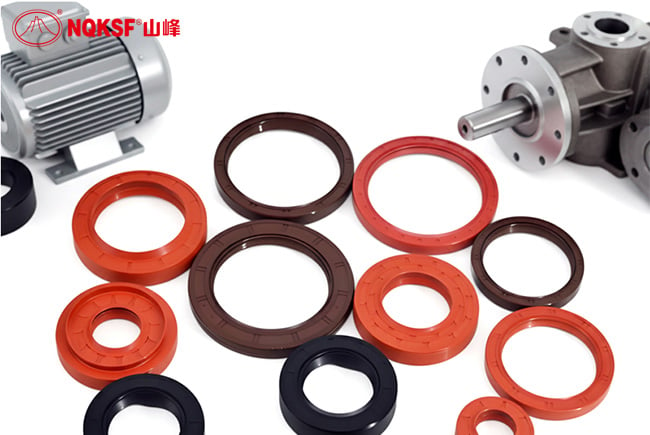
When selecting an oil seal for an electric motor, the key factors are shaft size, rotational speed, lubricant, operating temperature, contamination, shaft condition, and the available installation space. These factors determine whether a particular s...
Read More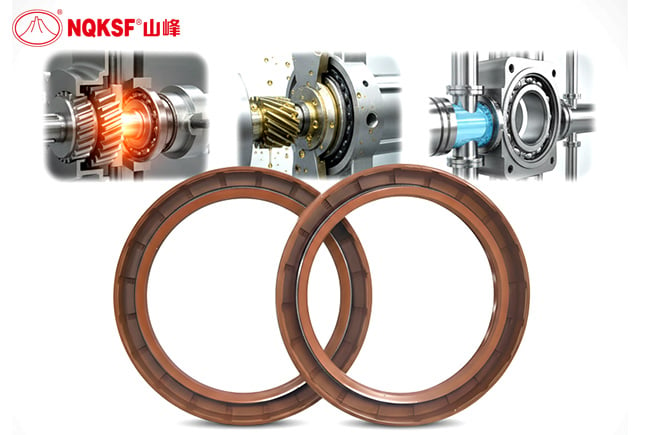
High temperature oil seals are used when the sealing area is exposed to sustained heat or repeated temperature peaks that are beyond the practical working range of a standard seal material. Common examples include engines, transmissions, industrial g...
Read More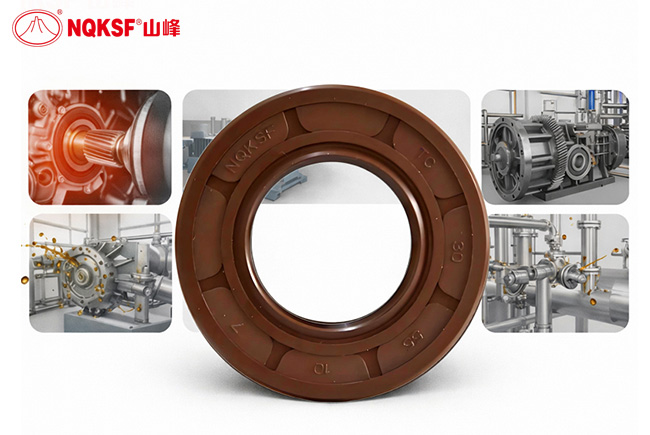
When buying a high temperature oil seal, the first thing to check is not the advertised temperature rating. What really matters is whether the seal material and design can handle the actual combination of heat, lubricant, shaft speed, pressure, and w...
Read More
To choose an O-ring manufacturer for multiple applications, buyers should prioritize material selection, dimensional range, production consistency, compound capability, quality control, and technical support. A manufacturer suitable for diverse indus...
Read More
The reliability of an oil seal manufacturer can be judged by how consistently the manufacturer manages specifications, materials, production, inspection, communication, and delivery. A professional website or a competitive quotation may be useful sta...
Read More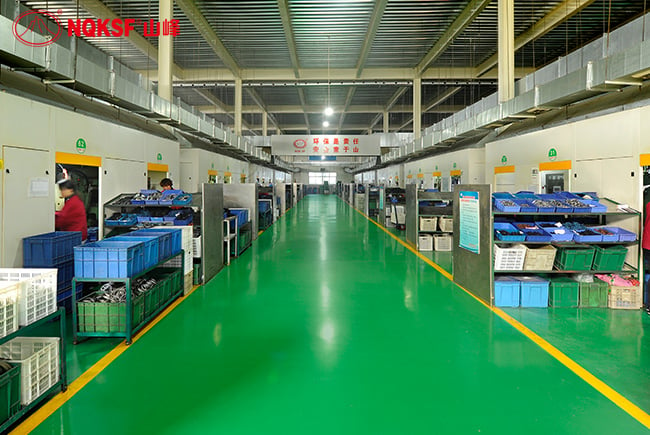
A reliable oil seal supplier should be evaluated through more than product price and catalog size. Industrial buyers should look at manufacturing capability, material control, dimensional consistency, inspection procedures, technical communication, i...
Read More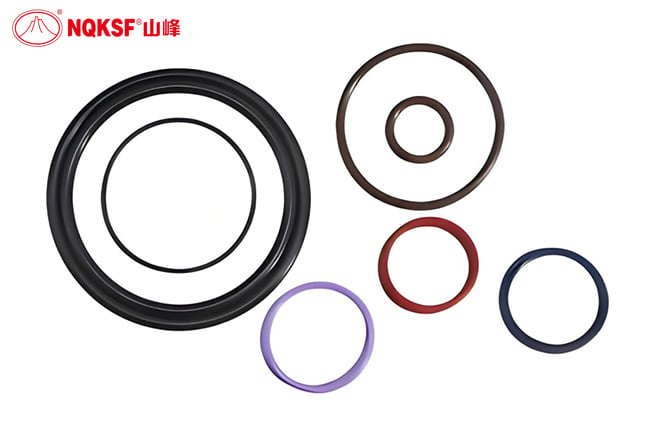
The right sealing ring should be selected according to the working conditions of the equipment, not simply by matching the size. Temperature, pressure, medium, movement, installation space, and contamination level all influence whether a sealing ring...
Read More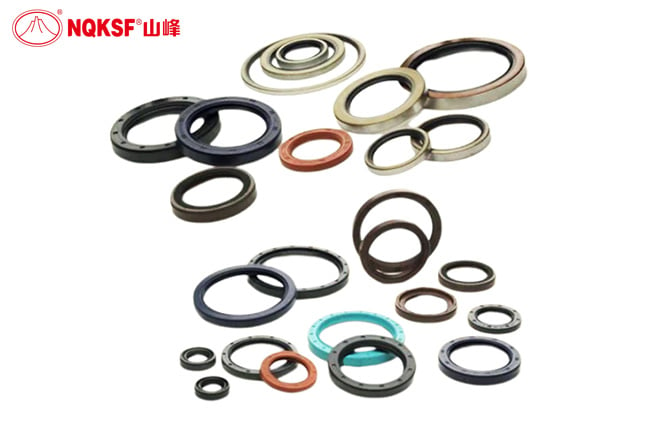
The main types of oil seals can be understood by looking at how they are built and what problem they are designed to solve. Common radial oil seal profiles include single-lip and double-lip designs such as SC and TC, while other constructions are dev...
Read More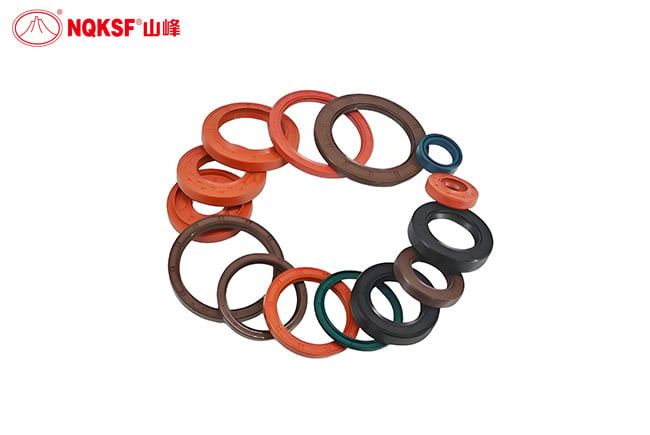
For many conventional engine applications, NBR is a practical oil seal material when the operating temperature, lubricant, and surrounding conditions fall within its working range. When the sealing position is exposed to higher temperatures, demandin...
Read More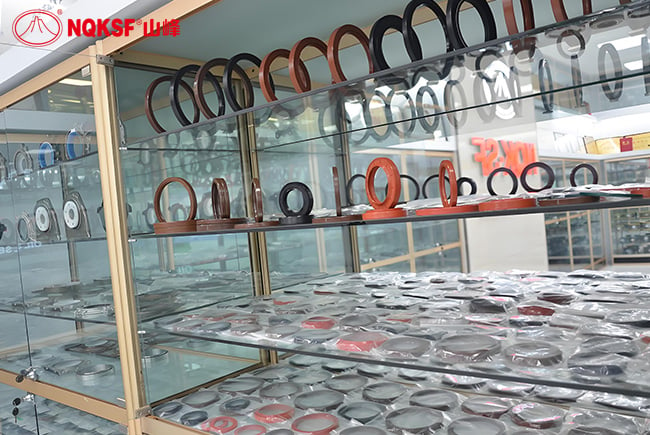
Many seal manufacturers keep a substantial inventory of TC oil seals because TC is a practical general-purpose configuration that appears across a wide range of rotating-shaft applications. Its combination of an oil-sealing lip, an outer dust lip, me...
Read More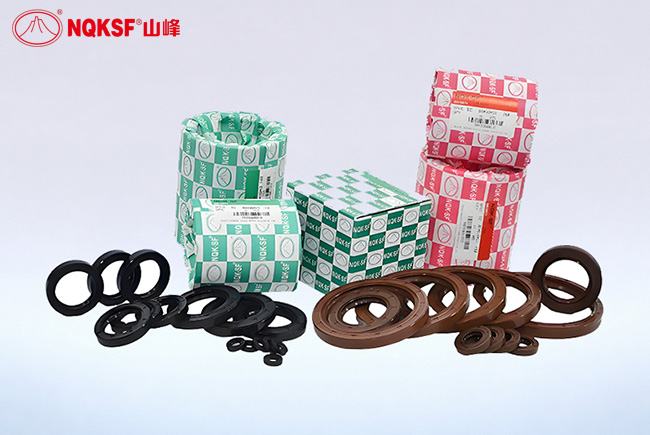
A good oil seal is not simply one that fits the shaft and stops oil from leaking. It should maintain reliable contact with the shaft, keep lubricant inside, limit the entry of dust or moisture, and continue working under the actual speed, temperature...
Read More Hot News
ShanFeng Special Rubber Products Co., Ltd., operating under brand NQKSF since 1990, is a global leader in the sealing industry.
Copyright © 2026 ShanFeng Special Rubber Products Co., Ltd. All rights reserved. Privacy Policy
 EN