

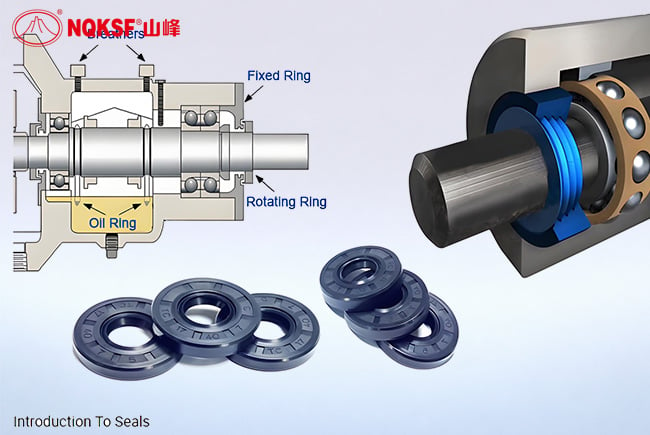
When engineers discuss oil seal selection, attention usually goes to the seal itself: material, dimensions, profile, spring, and temperature rating. But in a rotary application, the shaft is equally important because the sealing lip must continuously...
Read More
Conventional elastomer oil seals are suitable for a wide range of industrial equipment, but not every rotary application has moderate temperature, moderate speed, and compatible lubricants. When operating conditions become more demanding, a PTFE-base...
Read More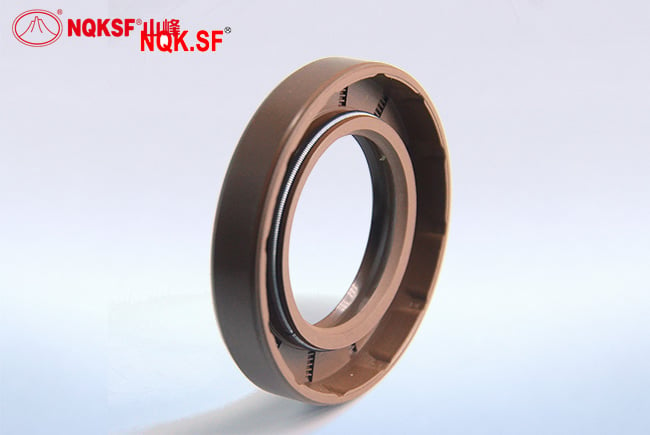
A TC oil seal is commonly described as a double-lip oil seal, but the two lips do not perform exactly the same job. The primary sealing lip is mainly responsible for retaining lubricant, while the secondary lip faces the outside environment and helps...
Read More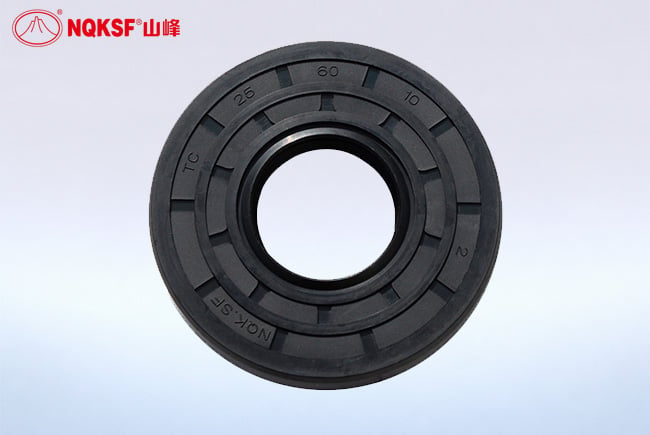
A new oil seal can have the correct inner diameter, outer diameter, and width and still develop leakage after installation. The reason is simple: an oil seal does not seal by dimensions alone. Its performance depends on the relationship between the s...
Read More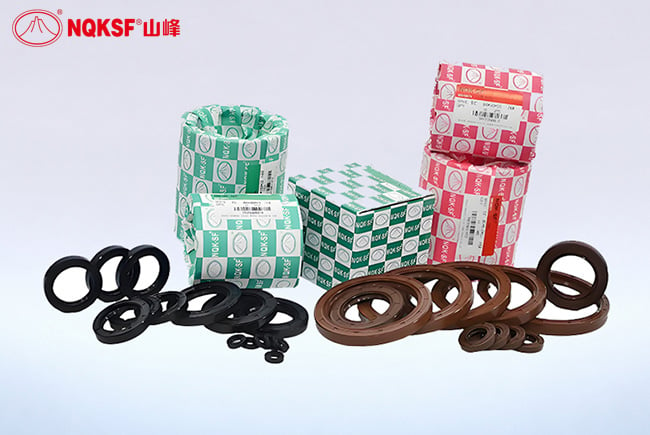
Shanfeng oil seals, marketed under the NQKSF brand, are designed around several practical requirements of industrial sealing: material selection for different working conditions, consistent seal dimensions and lip geometry, a broad range of standard ...
Read More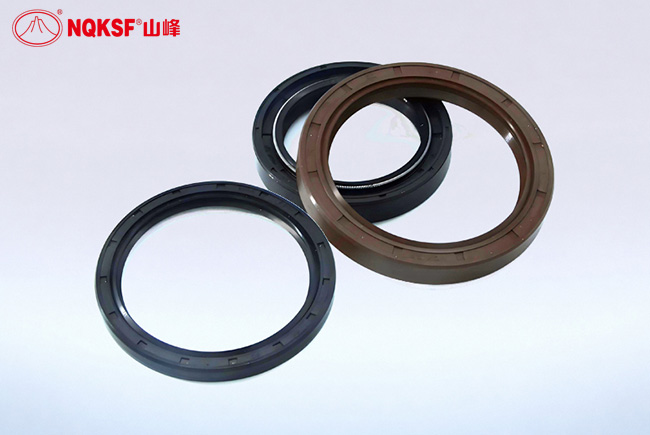
The material of an oil seal directly affects how well the sealing lip can maintain its properties under actual working conditions. It influences resistance to the working fluid, temperature behavior, flexibility, wear and aging. For this reason, choo...
Read More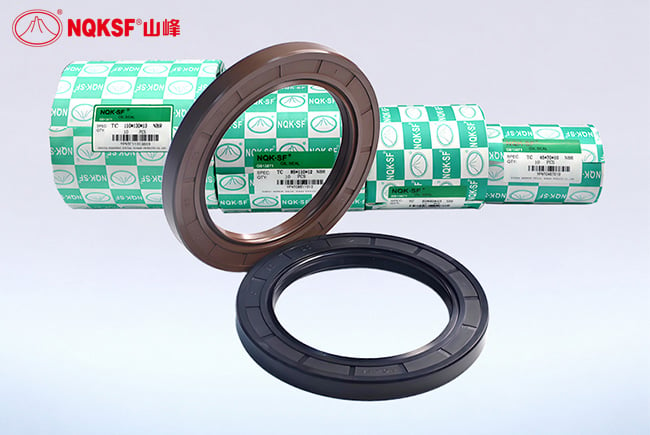
Skeleton oil seals are mainly used wherever a rotating or reciprocating shaft needs to be sealed against oil, grease or other lubricants while the shaft passes through a housing. Common applications include motors, gearboxes, pumps, agricultural mach...
Read More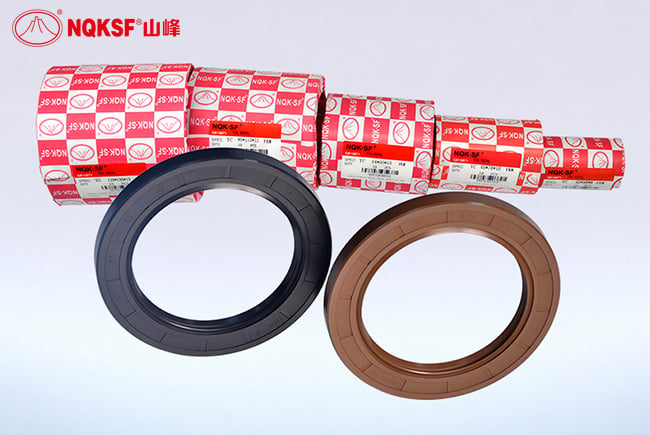
A tc oil seal is a double-lip radial shaft seal with a metal case and a spring-loaded main sealing lip. Its main job is to keep lubricant inside rotating equipment while helping keep dust and other external contaminants away from the sealing area. Th...
Read More
No. A larger oil seal interference does not automatically produce better sealing. The purpose of interference is to establish an appropriate contact condition between the sealing lip and shaft. Once the contact becomes excessive, the additional radia...
Read More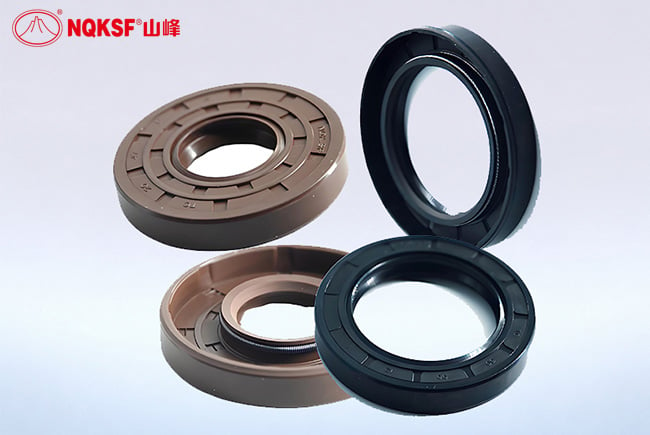
The oil seal inside diameter is normally smaller than the shaft diameter because the sealing lip needs to be elastically deformed around the shaft. This difference creates radial contact between the lip and shaft, allowing the seal to maintain a seal...
Read More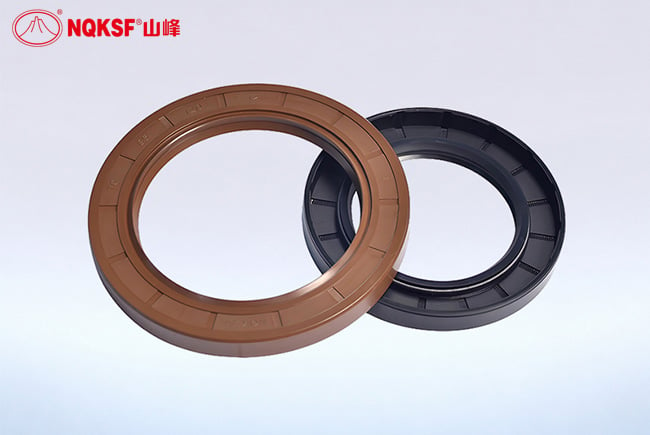
The interference of an oil seal is not selected from the shaft diameter alone. It is determined by the relationship between the seal lip, shaft, sealing material, spring force, operating speed, temperature and other working conditions. In a rotary sh...
Read More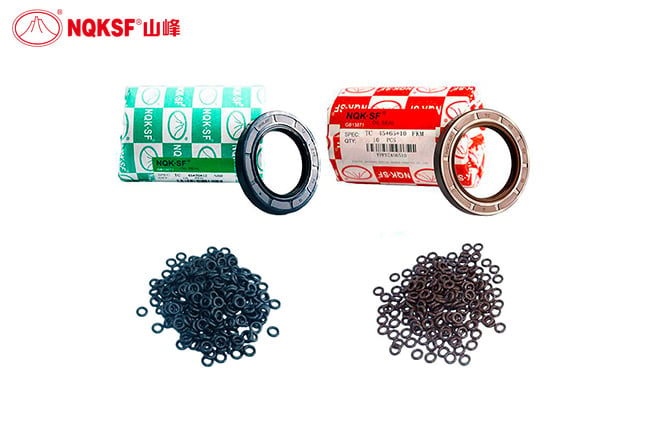
Static sealing and dynamic sealing differ mainly in whether there is relative movement between the sealing surfaces. A static seal works between components that remain stationary relative to each other, while a dynamic seal is designed to maintain se...
Read More Hot News
ShanFeng Special Rubber Products Co., Ltd., operating under brand NQKSF since 1990, is a global leader in the sealing industry.
Copyright © 2026 ShanFeng Special Rubber Products Co., Ltd. All rights reserved. Privacy Policy
 EN
EN