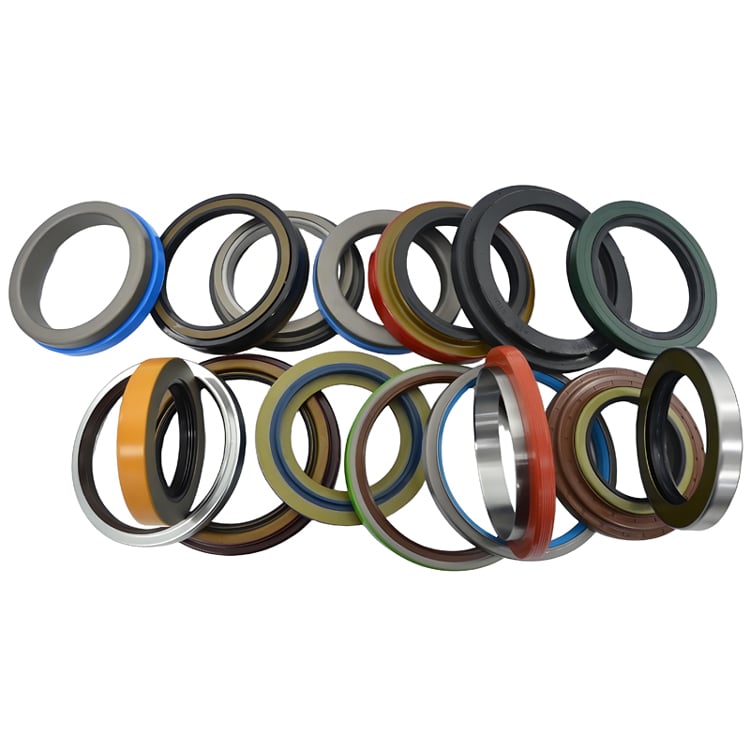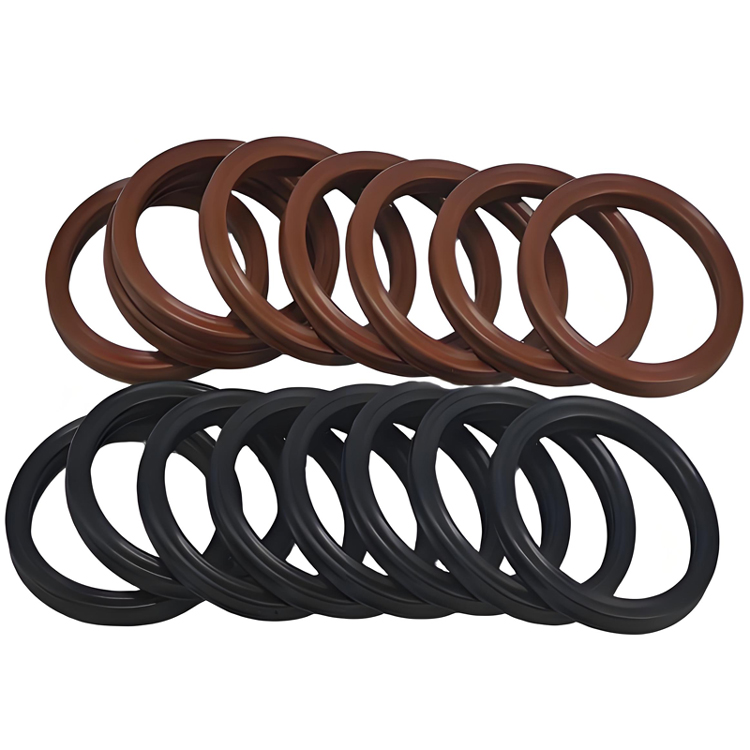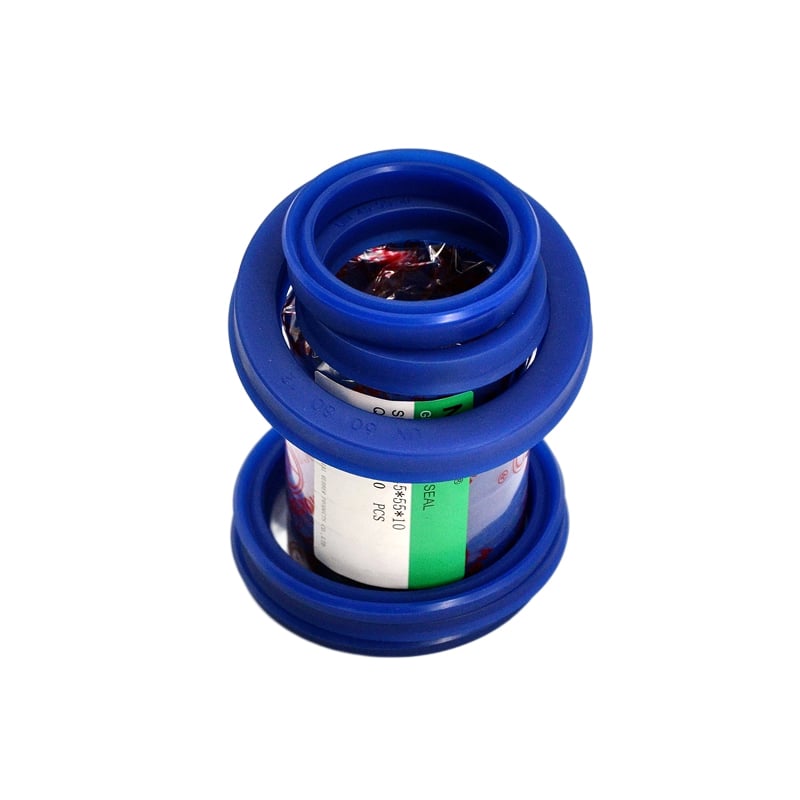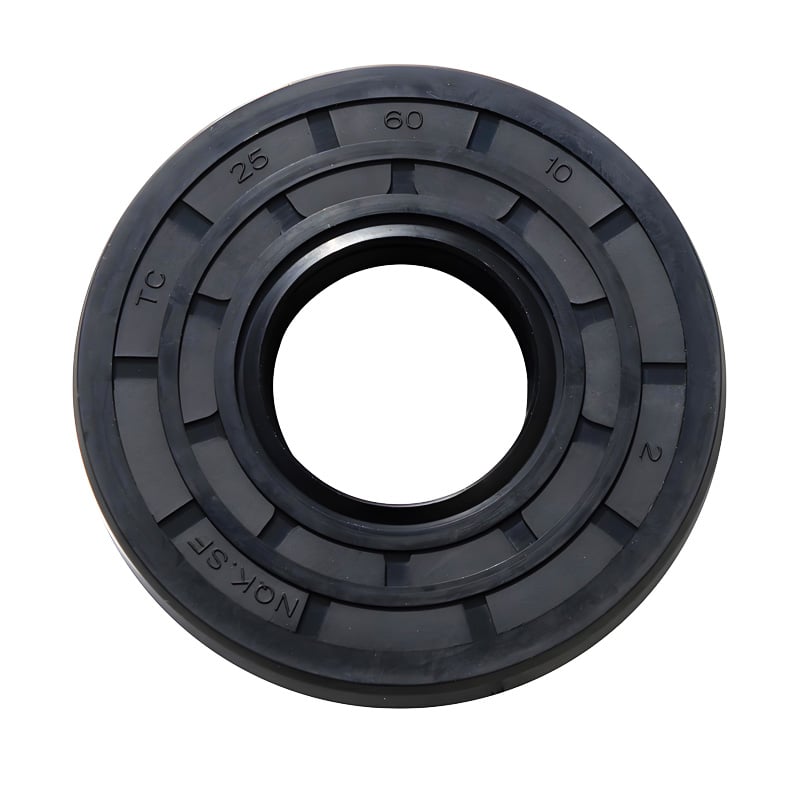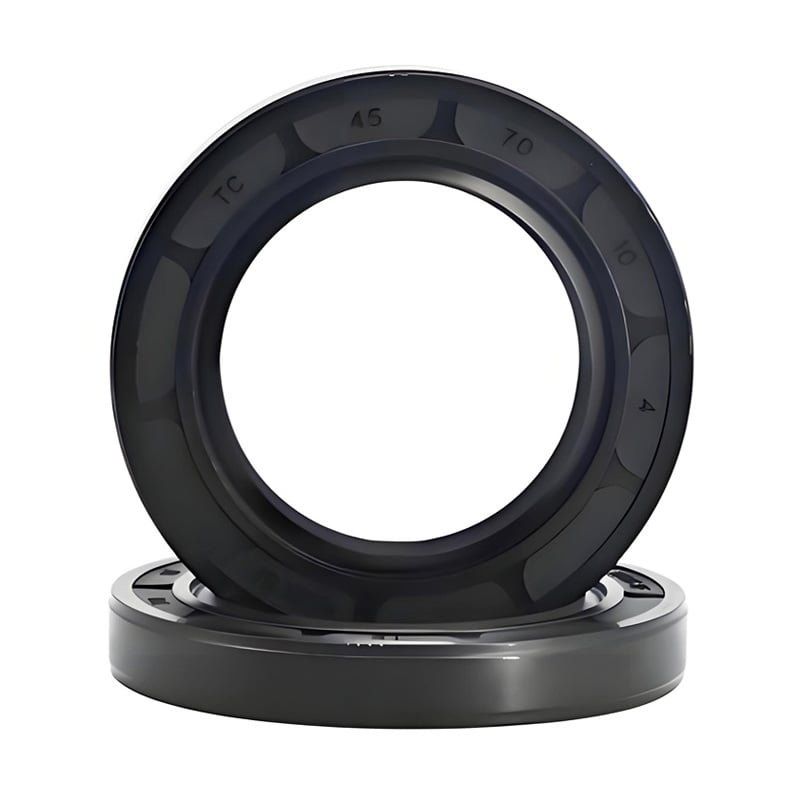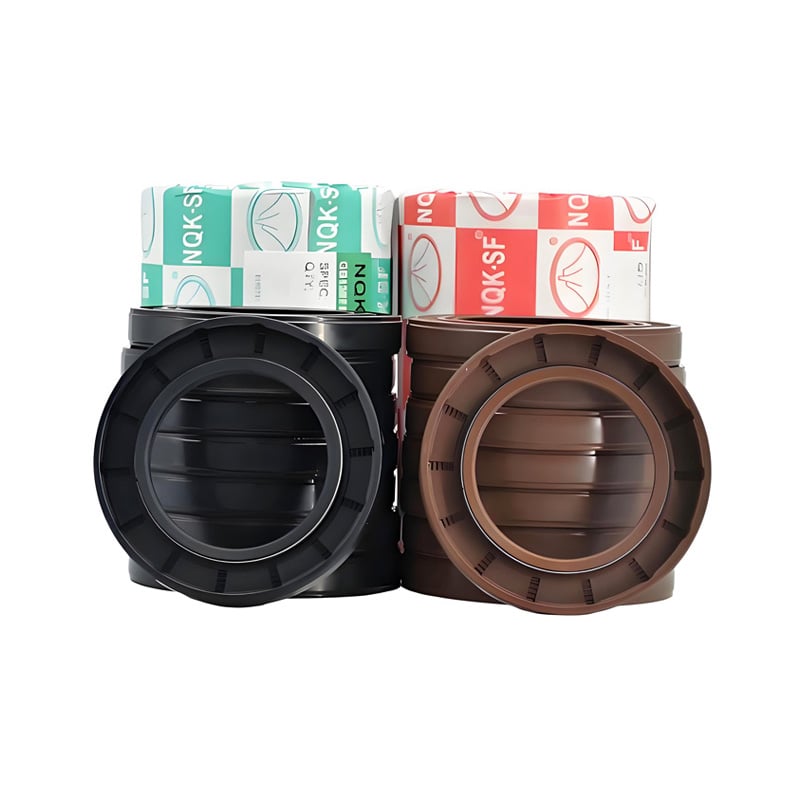

Oil seals are important sealing components in mechanical equipment, widely used in automobiles, industrial machinery, and construction equipment. Depending on different requirements, oil seals can be classified by structure, function, and material. The following are the main types of oil seals to help you better understand and make suitable selections.
By structure
Skeleton oil seal: composed of a rubber sealing lip, metal skeleton, and spring, suitable for high-speed rotating shafts, offering strong sealing performance and durability.
Single lip oil seal: has only one sealing lip, mainly used to prevent lubricant leakage, suitable for simple sealing applications.
Double lip oil seal: adds an auxiliary lip in addition to the main lip, preventing oil leakage and blocking dust and impurities, suitable for more complex environments.
Labyrinth oil seal: designed with multiple channels to effectively block the medium, with low friction, suitable for high-speed or high-temperature environments.
Assembled oil seal: equipped with a metal housing, provides good heat dissipation, suitable for sealing needs in high-temperature or heavy-duty equipment.
By function
Oil-resistant oil seal: prevents leakage of lubricants or other liquid media, ensuring normal equipment operation.
Dust-resistant oil seal: prevents external dust and particles from entering the sealing system, keeping equipment clean and extending service life.
Pressure-resistant oil seal: maintains effective sealing under higher pressure, suitable for high-pressure applications.
High-speed oil seal: features a low friction coefficient, suitable for sealing high-speed rotating components, ensuring efficiency and stability.
By material
Nitrile rubber (NBR): excellent oil resistance, suitable for general lubrication environments, one of the most common oil seal materials.
Fluororubber (FKM): outstanding resistance to high temperature and chemical corrosion, widely used in automotive engines and chemical equipment under harsh conditions.
Polytetrafluoroethylene (PTFE): low friction and strong corrosion resistance, suitable for high-speed rotation or special media applications.
Silicone rubber (VMQ): excellent low-temperature performance, suitable for sealing in cold environments.
Polyurethane (PU): wear-resistant and pressure-resistant, used in construction machinery.
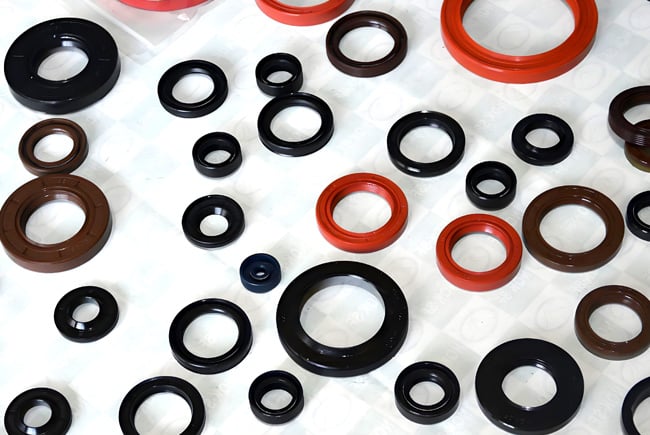
Selection advice When selecting oil seals, enterprises or purchasers should consider the following factors:
Operating temperature, pressure, and medium: different materials and types of oil seals are suitable for different environments.
Speed requirements: high-speed rotating components require high-speed oil seals.
Installation space and equipment load: choose the appropriate type of oil seal based on installation conditions and load demands.
It is recommended to communicate thoroughly with suppliers during selection, obtain samples for small-scale testing, and then optimize the choice based on actual service life and sealing performance. Accurate selection not only improves equipment reliability but also reduces maintenance costs.
 Hot News
ShanFeng Special Rubber Products Co., Ltd., operating under brand NQKSF since 1990, is a global leader in the sealing industry.
Copyright © 2026 ShanFeng Special Rubber Products Co., Ltd. All rights reserved. Privacy Policy
 EN
EN