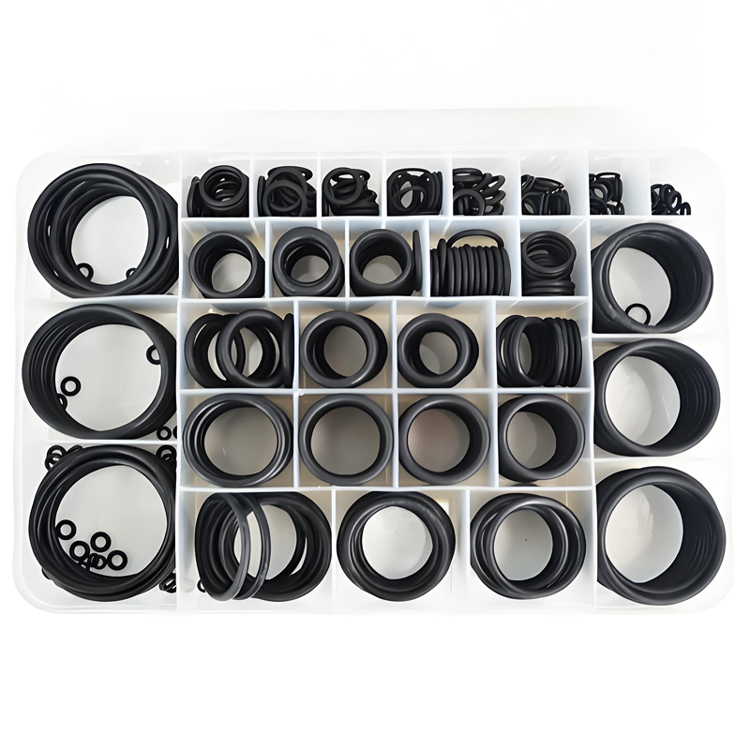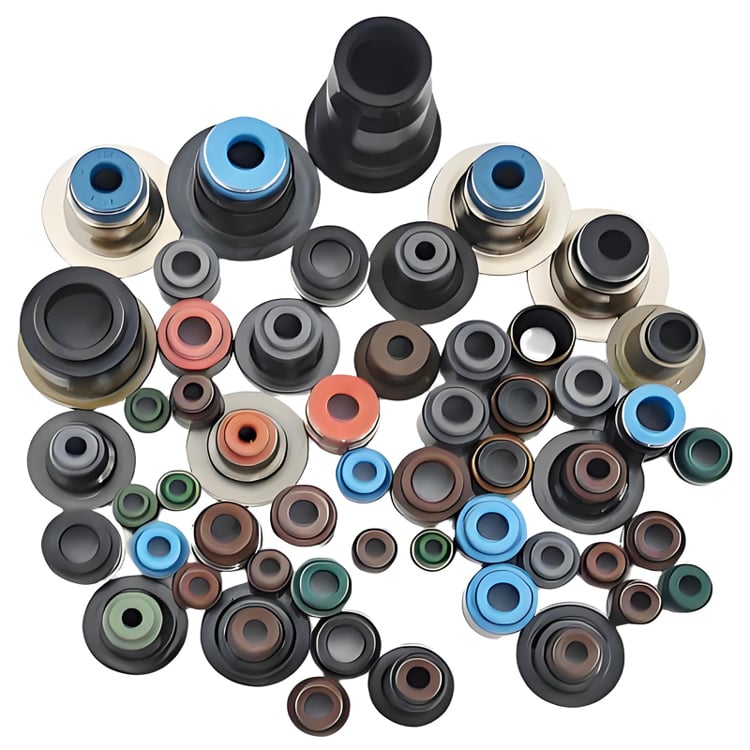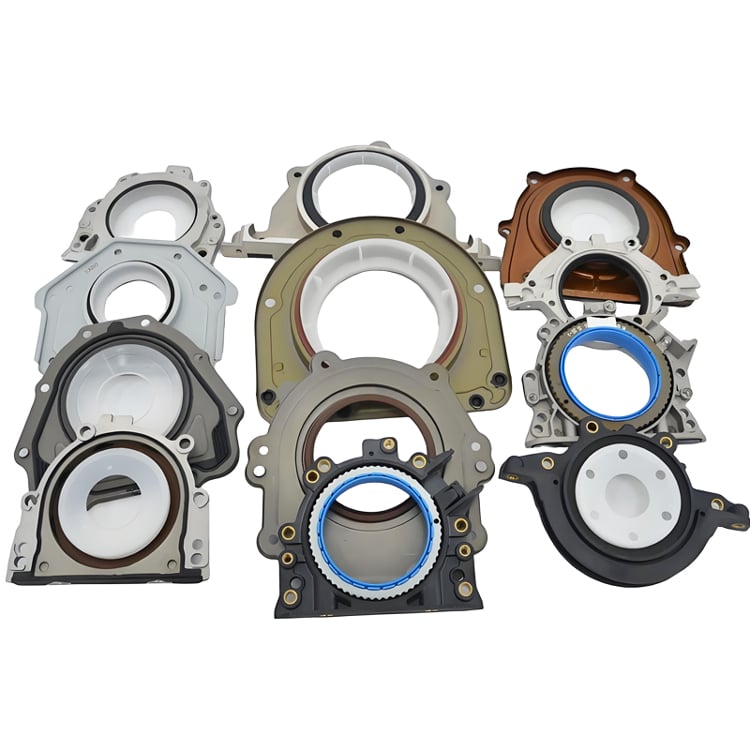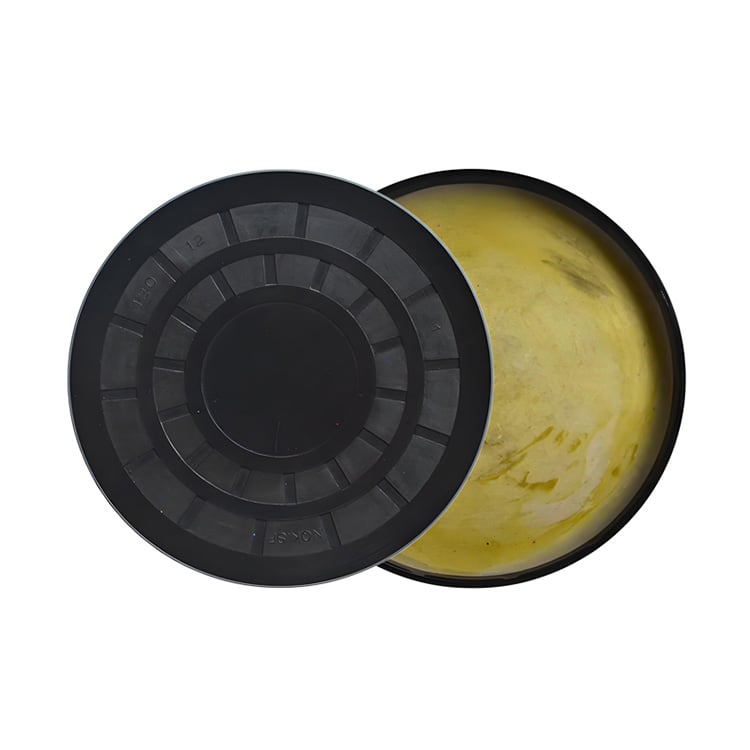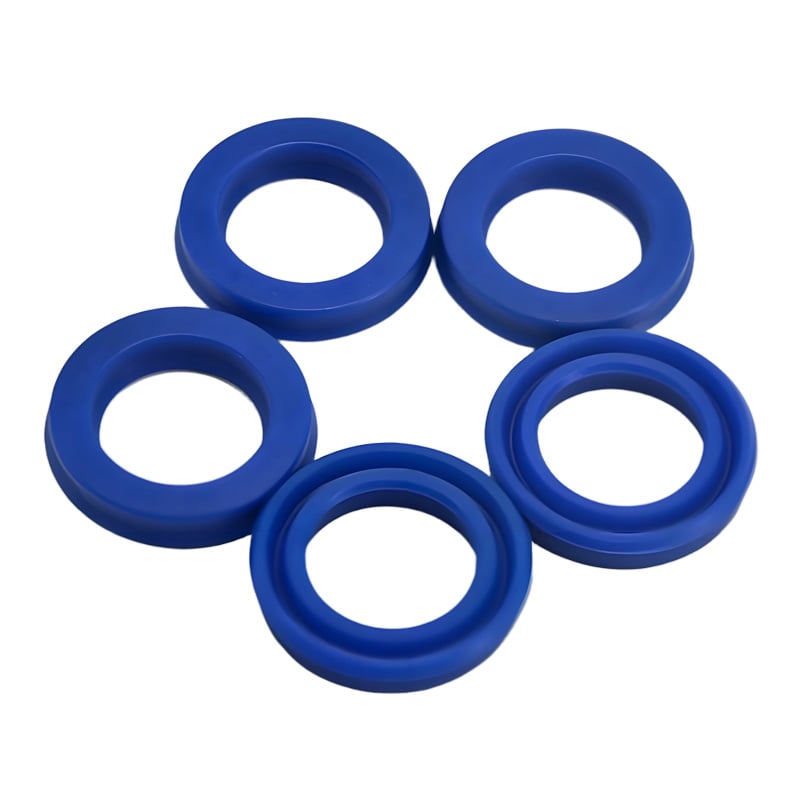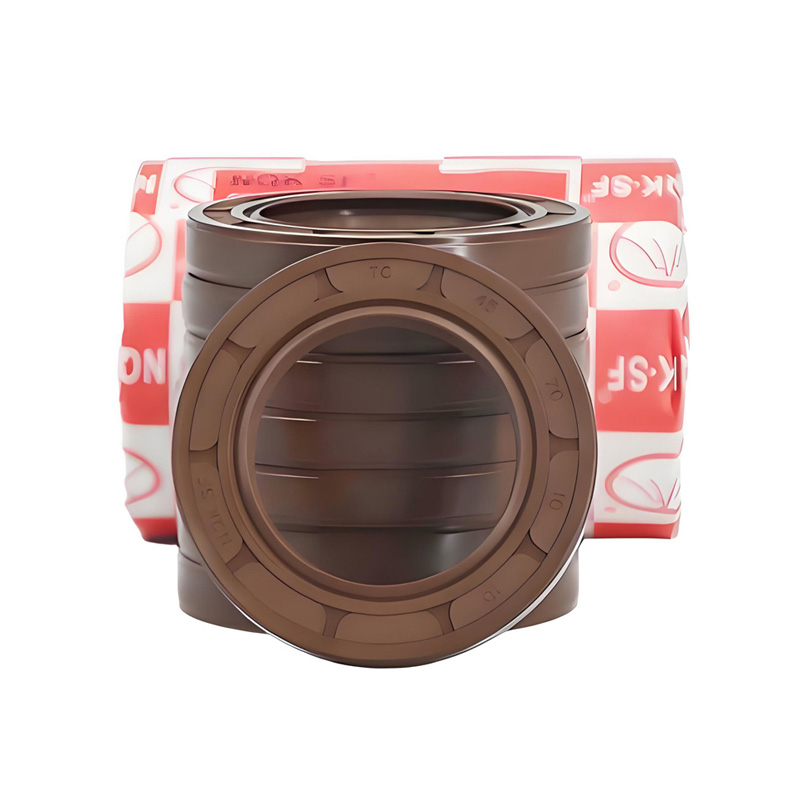

In the world of industrial machinery, automotive systems, and heavy-duty equipment, oil seals may seem like small components—but their role is anything but minor. These unassuming rings of rubber or composite material are the unsung heroes of mechanical systems, ensuring that lubricants stay in and contaminants stay out. For distributors and wholesalers, understanding the value of high-quality oil seals is not just about product knowledge—it’s about delivering reliability, reducing returns, and building long-term trust with clients.
So, what exactly sets premium oil seals apart from the rest? And why should procurement professionals and bulk buyers prioritize quality over cost when stocking their inventory? Let’s explore the answers through a practical lens.
The Real Cost of Low-Quality Seals
At first glance, low-cost oil seals might seem like a smart way to improve margins. But in practice, they often lead to more harm than good. Substandard seals are prone to premature wear, leakage, and deformation under pressure or temperature fluctuations. This can result in:
Increased warranty claims: Equipment failure due to seal breakdown can lead to costly repairs and damage your brand’s reputation.
Higher maintenance costs: Frequent replacements disrupt operations and increase labor expenses.
Customer dissatisfaction: End users expect reliability. A failed seal can compromise an entire system, leading to frustration and loss of trust.
For wholesalers and distributors, these issues translate into more returns, strained client relationships, and reduced repeat business. In contrast, offering high-quality seals helps position your brand as a dependable supplier of industrial-grade solutions.
What Defines a High-Quality Oil Seal?
Not all oil seals are created equal. The best-performing seals share several key characteristics:
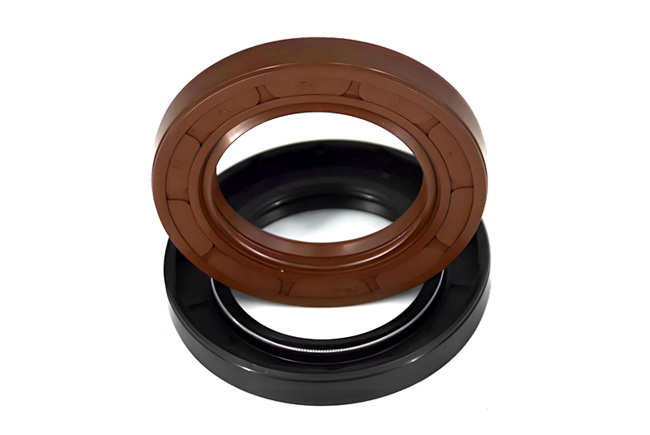
Material Integrity Premium seals are made from carefully selected elastomers such as FKM (fluoroelastomer), NBR (nitrile rubber), or HNBR, depending on the application. These materials offer superior resistance to heat, oil, and chemical degradation.
Precision Engineering High-end seals are manufactured with tight tolerances and consistent dimensions, ensuring a snug fit and optimal sealing performance. This reduces the risk of leakage and extends service life.
Reinforced Structure Many top-tier seals incorporate metal inserts or spring-loaded lips to maintain shape and pressure under dynamic conditions. This is especially important in high-speed or high-pressure environments.
Surface Finish and Coating A smooth sealing lip and appropriate surface treatments reduce friction and wear, improving efficiency and longevity.
Key Benefits for Distributors and Bulk Buyers
Let’s shift the focus to what matters most for those in the supply chain—distributors, wholesalers, and OEM partners. Here’s how high-quality oil seals can directly benefit your business:
1. Lower Return Rates
When your inventory consists of reliable, well-tested seals, the likelihood of product failure drops significantly. This means fewer returns, less administrative hassle, and more satisfied customers.
2. Stronger Brand Reputation
Supplying dependable components builds your reputation as a trusted source. Whether you're serving automotive workshops, industrial maintenance teams, or OEM clients, your name becomes associated with quality.
3. Better Inventory Turnover
High-quality seals often come with certifications, traceability, and consistent performance data. This makes them easier to market and sell, especially to clients with strict procurement standards.
4. Competitive Differentiation
In a crowded market, offering premium-grade seals helps you stand out. You’re not just selling a product—you’re offering peace of mind, reduced downtime, and long-term value.
Trends in the Global Oil Seal Market
The demand for high-performance sealing solutions is growing, driven by advancements in electric vehicles, automation, and energy-efficient machinery. Distributors who align with this trend by offering reliable, future-ready products are better positioned to capture long-term growth.
Moreover, sustainability is becoming a key consideration. Seals that reduce leakage and extend equipment life contribute to lower environmental impact—an increasingly important factor for global buyers.
In the sealing industry, quality is not a luxury—it’s a necessity. For distributors and wholesalers, investing in high-quality oil seals is a strategic move that pays off in customer loyalty, operational efficiency, and long-term profitability.
Rather than chasing the lowest price, consider the bigger picture: What kind of experience are you delivering to your clients? What kind of reputation are you building in the market?
The answer, more often than not, begins with the smallest component in the system—the oil seal.
 Hot News
ShanFeng Special Rubber Products Co., Ltd., operating under brand NQKSF since 1990, is a global leader in the sealing industry.
Copyright © 2026 ShanFeng Special Rubber Products Co., Ltd. All rights reserved. Privacy Policy
 EN
EN