
As the electric vehicle (EV) market accelerates, the need for high-performance seals has grown significantly. Unlike traditional internal combustion engine (ICE) vehicles, electric vehicles come with unique sealing requirements due to their powertrains, battery systems, and electronic controls. Seals in these vehicles must not only perform the basic function of preventing leaks but also handle the specific environmental challenges posed by the vehicle’s electrification, such as high heat, pressure, and exposure to various chemicals.
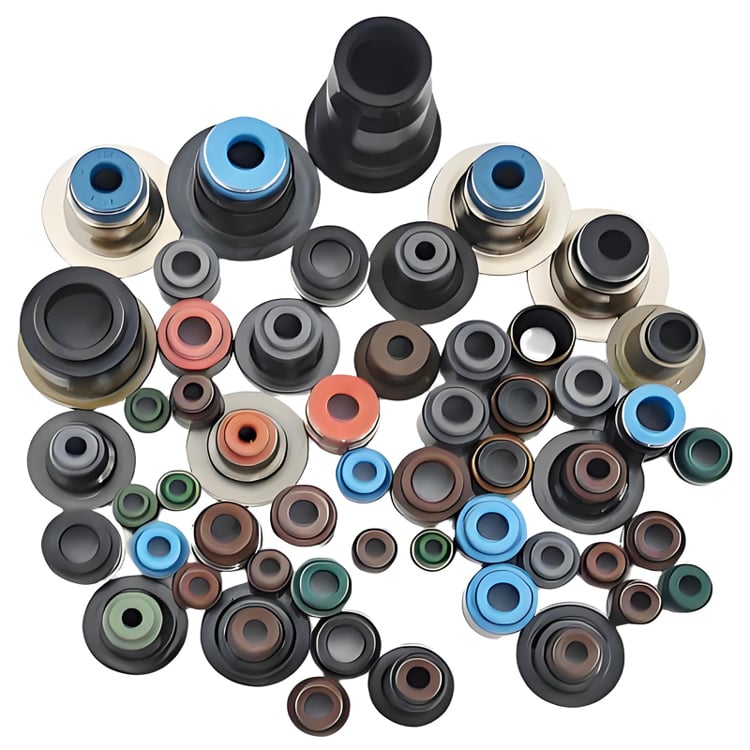
In this article, we will focus on the essential sealing components used in electric vehicles, such as O-rings, shaft seals, and bonded seals, and explore how these components help enhance the overall performance and longevity of EV systems.
The Critical Role of Seals in Electric Vehicles
In electric vehicles, seals are essential for ensuring the protection and efficient operation of components like the battery packs, electric motors, and electronic control systems. These seals not only prevent leakage of lubricants, coolants, and electrolytes but also protect sensitive parts from dust, moisture, and other external contaminants.
In the context of EVs, seals must perform under a variety of challenging conditions. The high-temperature environment of the electric motor, the pressure in the battery system, and exposure to various chemicals in the coolant and lubricant systems demand seals with exceptional durability and reliability. Therefore, choosing the right sealing solution is crucial for the performance, safety, and longevity of an electric vehicle.
Common Types of Seals Used in Electric Vehicles
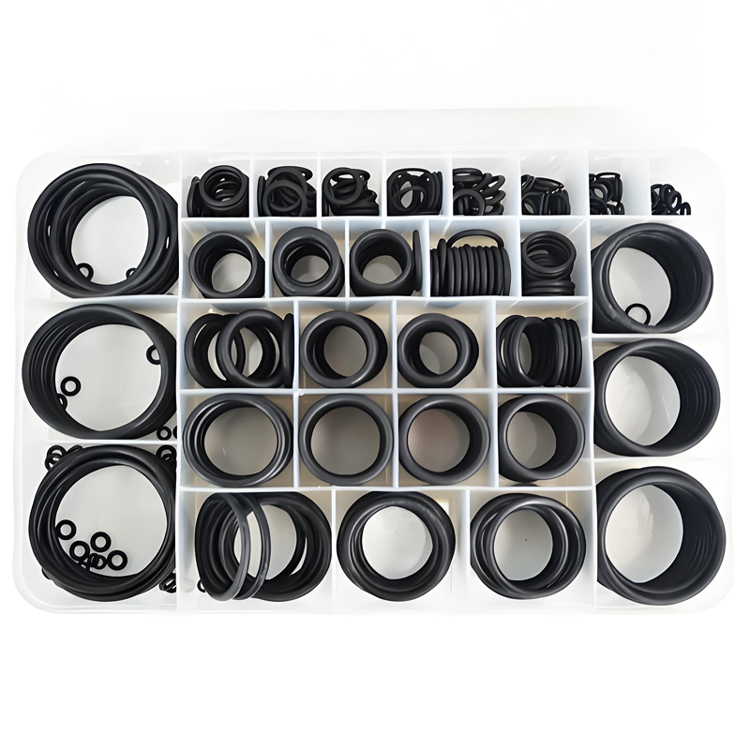
O-rings are among the most commonly used seals in electric vehicles, especially in systems such as hydraulic circuits, battery compartments, and coolant systems. These seals are popular because of their simple design, ease of installation, and excellent sealing properties. The materials for O-rings vary depending on the specific application. Common materials include Nitrile Rubber (NBR) for oil resistance, Fluorocarbon (FKM) for high temperature and chemical resistance, and Silicone Rubber (VMQ) for flexibility and heat resistance. O-rings help prevent leaks of fluids like oils, electrolytes, or coolants, ensuring that the system operates efficiently without contamination.
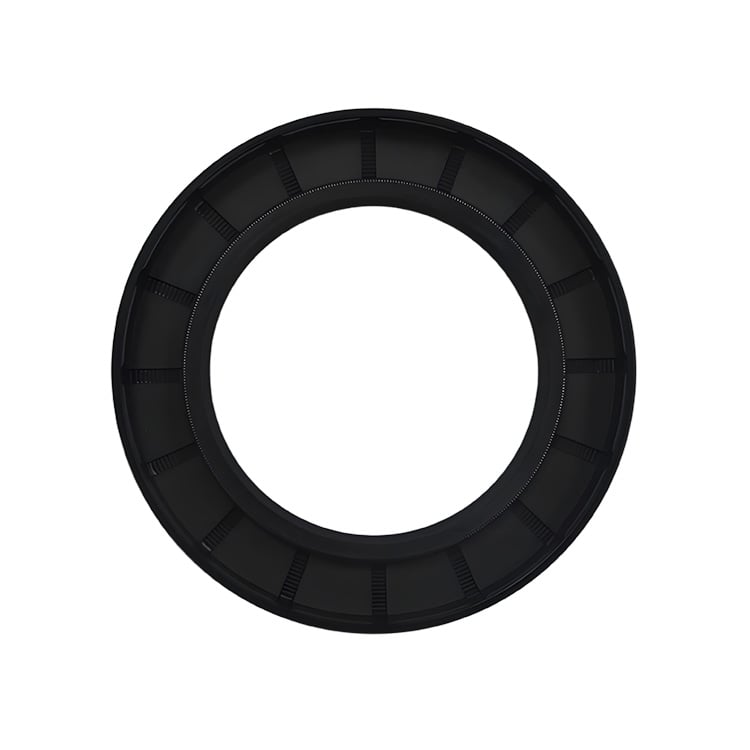
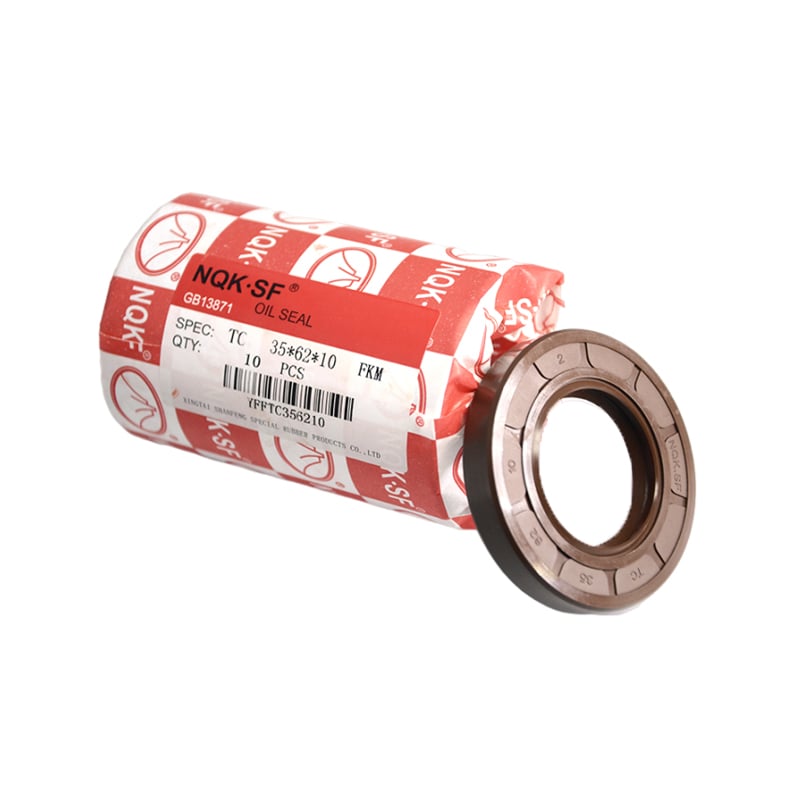
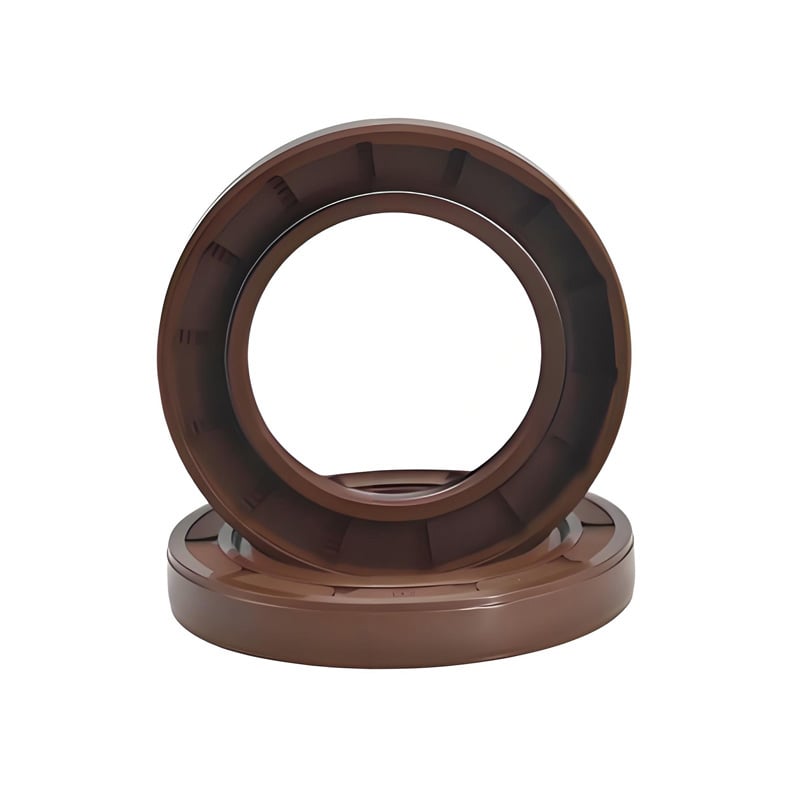
Shaft seals are essential for sealing rotating shafts, such as those in electric motors and transmission systems. These seals prevent oil leakage and keep contaminants from entering. Given that electric vehicles often operate under high mechanical loads and at higher temperatures, shaft seals need to be made from materials that can withstand such conditions. Common materials for these seals include Fluorocarbon (FKM) and Polyurethane (PU), both of which are known for their durability, wear resistance, and high temperature tolerance. These seals ensure that the electric motor and transmission remain sealed, preventing costly failures or performance drops due to leaks.
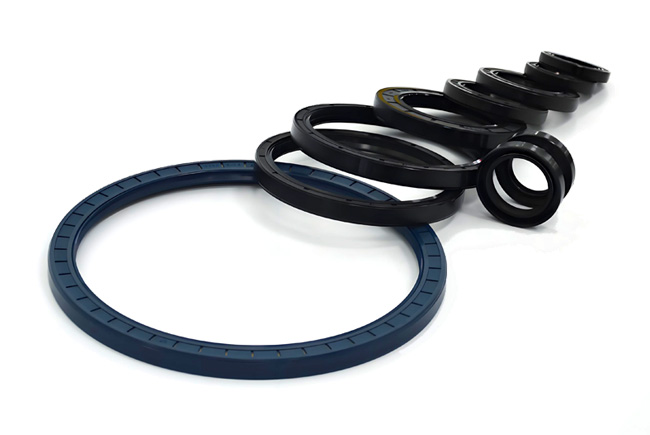
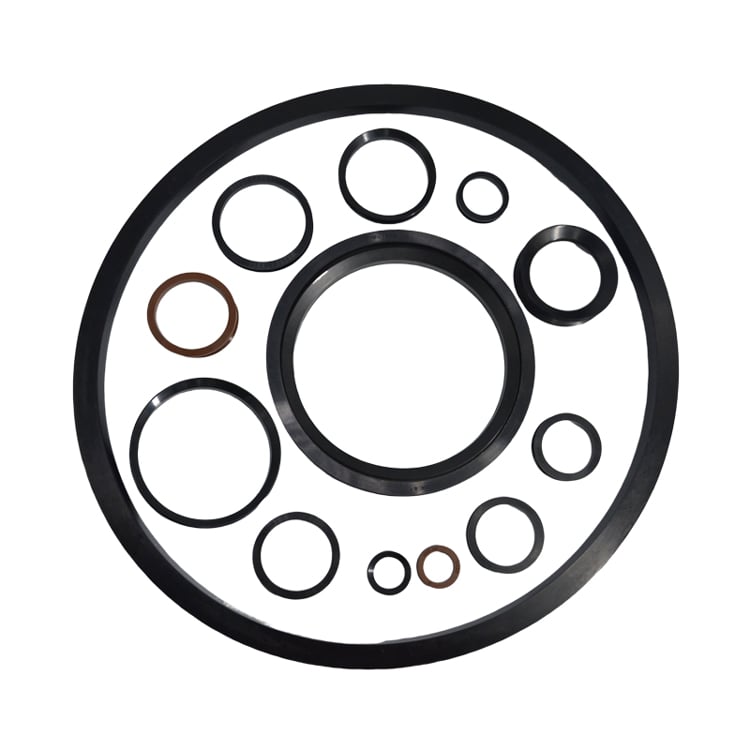
Bonded seals are frequently used in high-pressure areas, such as in the battery system and various electrical components within an EV. Gaskets are typically made from multi-layered composite materials, combining metals and elastomers for optimal sealing properties. These seals are designed to withstand the high-pressure conditions that are common in EV powertrains and battery enclosures. For electric vehicles, gasket seals must also offer excellent electrical insulation to ensure the safety of high-voltage electrical systems. Materials like Fluorocarbon (FKM) and Polytetrafluoroethylene (PTFE) are commonly used due to their chemical and thermal resistance.
How to Choose the Right Seals for Electric Vehicles?
The performance and longevity of electric vehicles heavily depend on choosing the right sealing materials. Factors that need to be considered include:
Temperature Resistance: Many EV components, such as motors and batteries, operate under high temperatures. Seals need to maintain their integrity and performance under these conditions. Materials like Fluorocarbon (FKM), Silicone Rubber (VMQ), and Polyurethane (PU) are excellent choices for high-temperature applications.
Chemical Resistance: EVs use various chemicals such as coolants, oils, and electrolytes, and seals must resist chemical breakdown. Fluorocarbon (FKM) and Polytetrafluoroethylene (PTFE) offer exceptional chemical resistance, making them suitable for sealing components in contact with aggressive substances.
Mechanical Load: Components like the electric motor and transmission need seals that can withstand significant mechanical stress. Polyurethane (PU) and Fluorocarbon (FKM) materials are often chosen for their high wear resistance and ability to perform under pressure and friction.
Electrical Insulation: For components like battery packs, seals must provide electrical insulation to ensure safety in high-voltage systems. Silicone Rubber (VMQ) and Fluorocarbon (FKM) materials provide excellent electrical insulation, making them ideal for this application.
NQKSF is Sealing Solutions for Electric Vehicles
As a leader in the sealing industry, NQKSF offers tailored sealing solutions for electric vehicles, ensuring optimal performance and longevity for your components. Our services include:
Stocked Standard Seals: With over 10,000 standard seal types in stock, we can provide quick delivery to meet urgent demands, minimizing downtime and enhancing your operational efficiency.
Customized Sealing Solutions: We provide customized seals, from material selection to structural design and testing, ensuring that your specific requirements are met with precision.
Technical Expertise: With over 30 years of experience, NQKSF is committed to helping customers optimize their sealing systems, reduce maintenance costs, and improve the overall reliability of their electric vehicle systems.
The growth of the electric vehicle market has led to an increasing demand for specialized sealing solutions. Choosing the right seals can significantly improve the efficiency, safety, and durability of key EV components like batteries, motors, and transmission systems.
 Hot News
ShanFeng Special Rubber Products Co., Ltd., operating under brand NQKSF since 1990, is a global leader in the sealing industry.
Copyright © 2026 ShanFeng Special Rubber Products Co., Ltd. All rights reserved. Privacy Policy
 EN
EN