
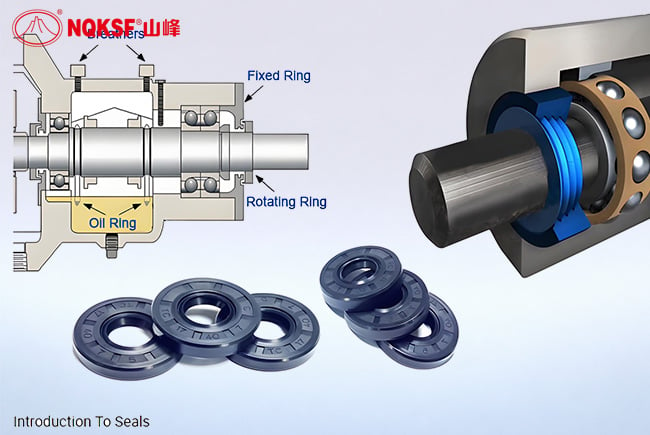
Kad inženjeri raspravljaju o odabiru ulja, pozornost se obično usmjerava na sam tuljak: materijal, dimenzije, profil, oprugu i temperaturu. Ali u rotirajućoj primjeni, osovina je jednako važna jer zapečaćivanje usta mora neprekidno...
Čitaj više
Konvencionalni elastomerni masni čepovi pogodni su za širok spektar industrijske opreme, ali ne ima svaka rotirajuća primjena umjerene temperature, umjerene brzine i kompatibilnih maziva. Kada su uslovi rada postaju zahtjevniji, PTFE-baza...
Čitaj više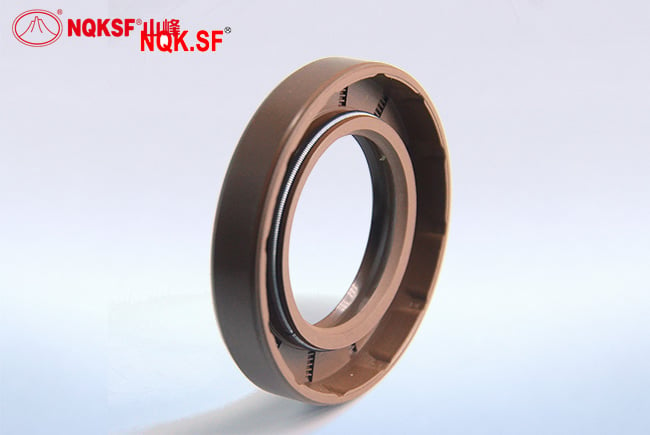
TC masnoće obično se opisuje kao masnoće s dvije usne, ali obje usne ne obavljaju točno istu dužnost. Primarna usana je odgovorna za zadržavanje maziva, dok je sekundarna usana okrenuta prema vanjskom okruženju i pomaže...
Čitaj više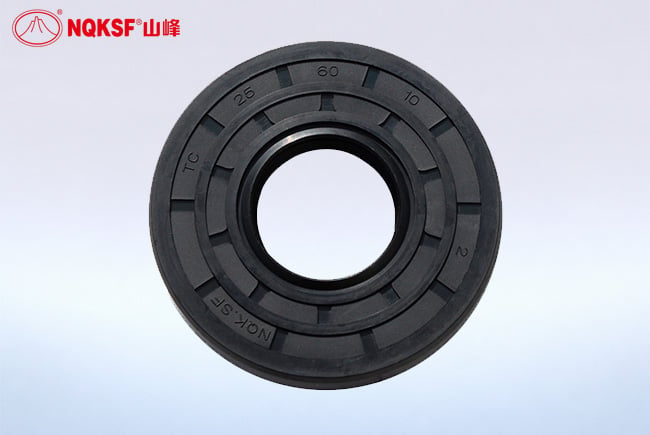
Novi čip može imati ispravan unutarnji prečnik, vanjski prečnik i širinu i ipak se nakon ugradnje može pojaviti curenje. Razlog je jednostavan: ulje ne čuva samo dimenzije. Njegova učinkovitost ovisi o odnosu između s...
Čitaj više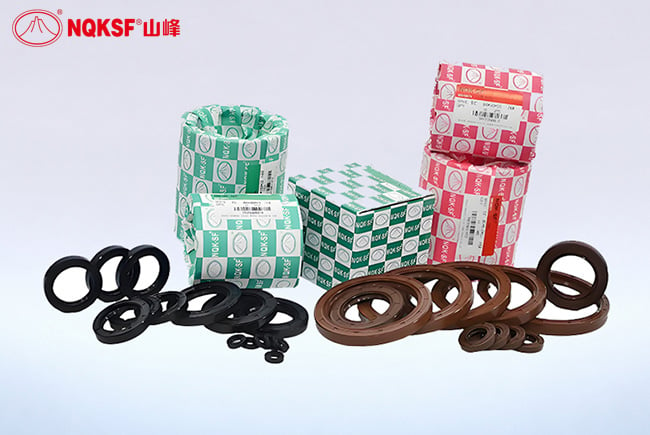
Shanfeng uljne brtve, koje se prodaju pod markom NQKSF, dizajnirane su prema nekoliko praktičnih zahtjeva industrijskog brtvljenja: odabir materijala za različite radne uvjete, dosljedne dimenzije brtvi i geometrija usana, širok raspon standardnih ...
Čitaj više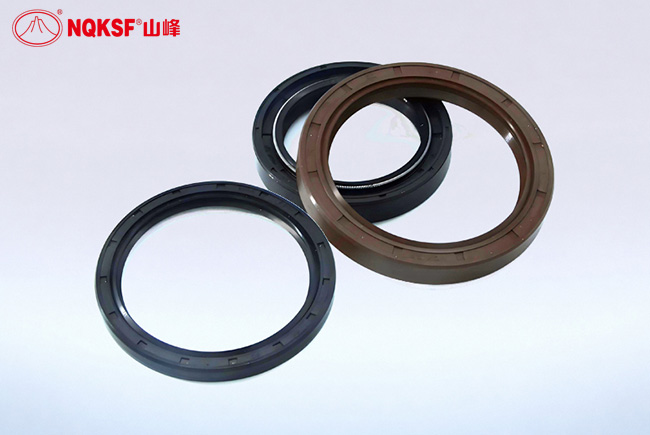
Materijal masnog pečata izravno utječe na to koliko dobro pečatna usana može održavati svoja svojstva u stvarnim radnim uvjetima. To utječe na otpornost na radnu tekućinu, temperaturno ponašanje, fleksibilnost, habanje i starenje. Iz tog razloga, Choo...
Čitaj više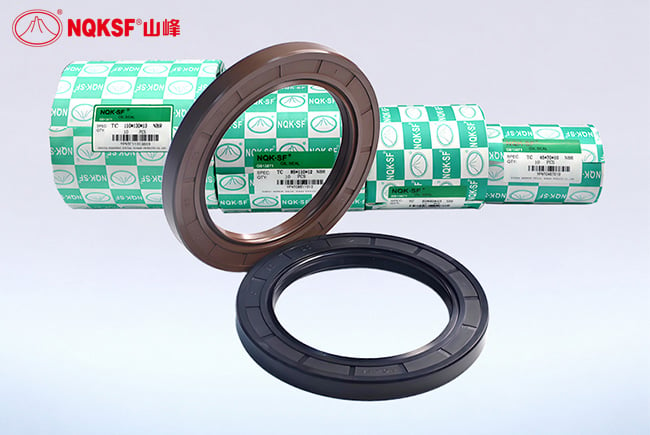
U skladu s člankom 3. stavkom 2. točkom (a) ovog članka, "sistem za zaštitu od ulja" znači sustav za zaštitu od ulja koji se koristi za zaštitu od ulja. Uobičajene primjene uključuju motore, mjenjače, pumpe, poljoprivredne strojeve...
Čitaj više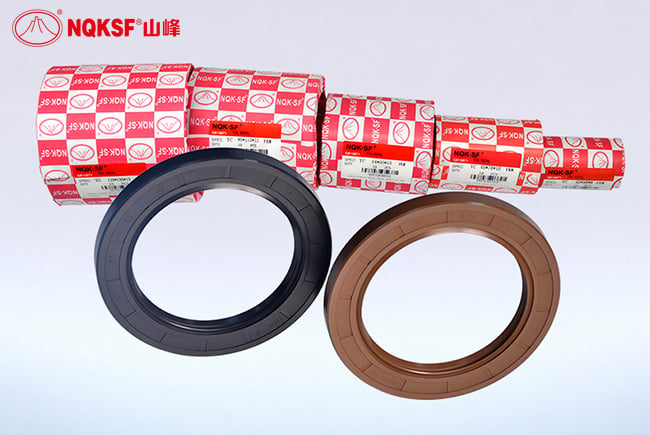
U slučaju da je to potrebno, u slučaju da je to potrebno, u slučaju da je to potrebno, u slučaju da je to potrebno, u slučaju da je to potrebno, u slučaju da je to potrebno, u slučaju da je to potrebno, u slučaju da je to potrebno, u slučaju da je to potrebno, u slučaju da je to potrebno, u slučaju da je to potrebno, u Glavna je njegova funkcija držati mazivo unutar rotirajuće opreme, a istovremeno pomoći da prašina i drugi spoljašnji kontaminanti budu udaljeni od područja za zapečaćivanje. -Ne, ne, ne.
Čitaj više
-Ne, ne, ne. Veće smetnje u zatvaranju ulja ne proizlaze automatski boljom zatvaranjem. Ako je to potrebno, u slučaju da je to potrebno, za svaki tip vozila, mora se upotrijebiti jedan od sljedećih postupaka: Kada kontakt postane pretjeran, dodatni zračenje...
Čitaj više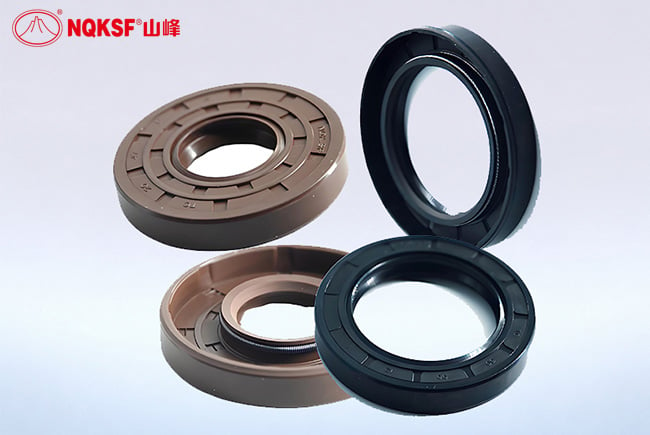
U slučaju da je u skladu s člankom 6. stavkom 2. točkom (a) ovog članka, u skladu s člankom 6. stavkom 2. točkom (b) ovog članka, u skladu s člankom 6. stavkom 2. točkom (c) ovog članka, u skladu s člankom 6. stavkom 2. točkom (c) ovog članka, u skladu s člankom 6. Ova razlika stvara radijalni kontakt između usne i osovine, omogućavajući pečat da održi pečat...
Čitaj više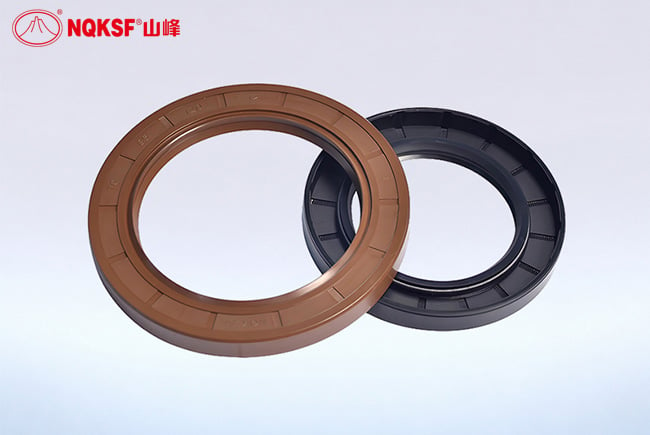
U slučaju da se ne može utvrditi da je to potrebno, potrebno je utvrditi da je to potrebno za utvrđivanje vrijednosti. U skladu s člankom 3. stavkom 2. točkom (a) ovog članka, za proizvodnju električne energije u skladu s člankom 3. stavkom 3. točkom (a) ovog članka, proizvođač mora imati: U rotirajućem...
Čitaj više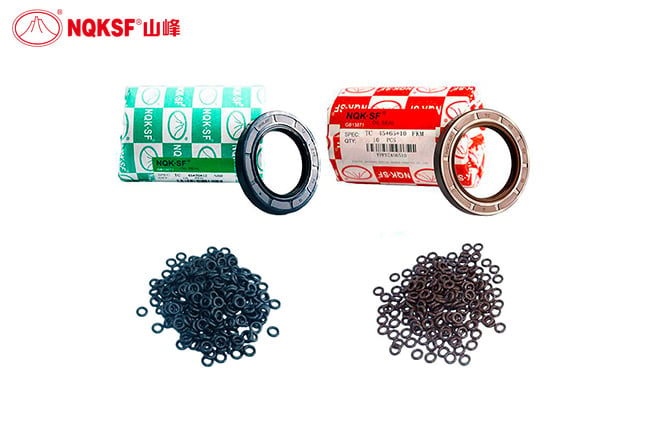
Statičko i dinamičko zapečaćivanje razlikuju se uglavnom u tome postoji li relativno kretanje između zapečaćivanja. Statičko zapečaćivanje radi između komponenti koje ostaju nepomične jedna prema drugoj, dok je dinamičko zapečaćivanje dizajnirano tako da održava...
Čitaj više Vruće vijesti
ShanFeng Special Rubber Products Co., Ltd., koji radi pod brendom NQKSF od 1990., je globalni vodeći u industriji zatvaralica.
Copyright © 2026 ShanFeng Special Rubber Products Co., Ltd. All rights reserved. Politika privatnosti
 EN
EN