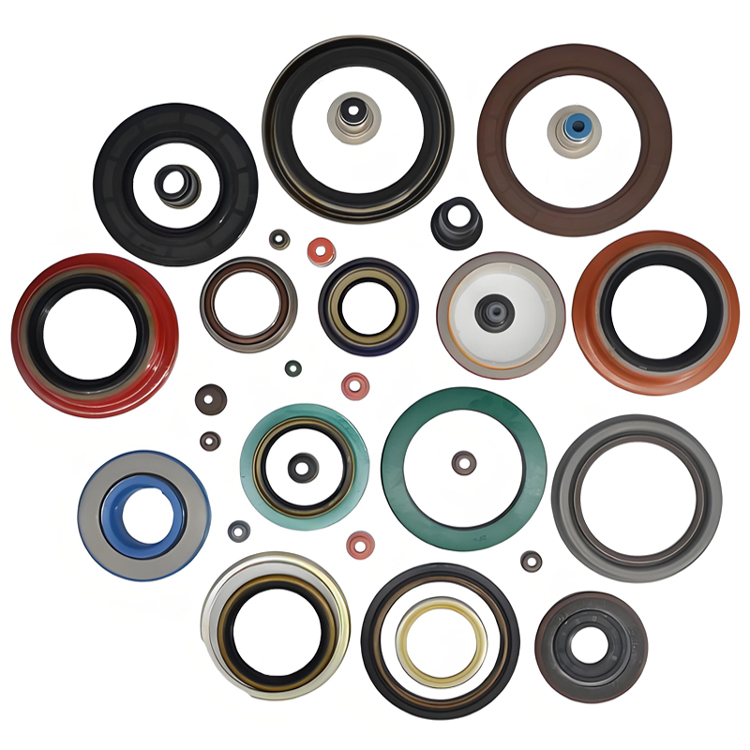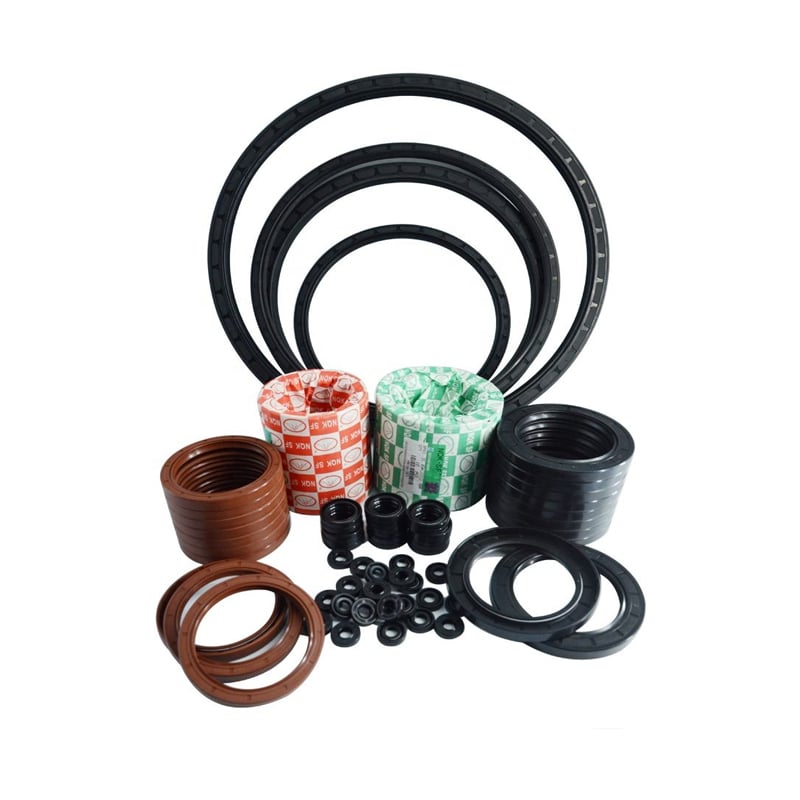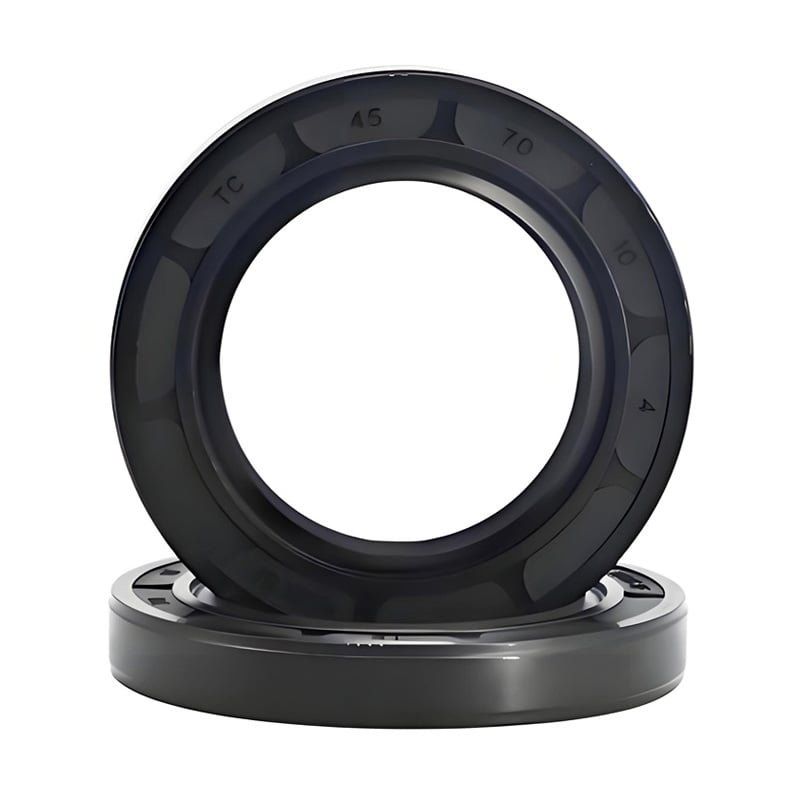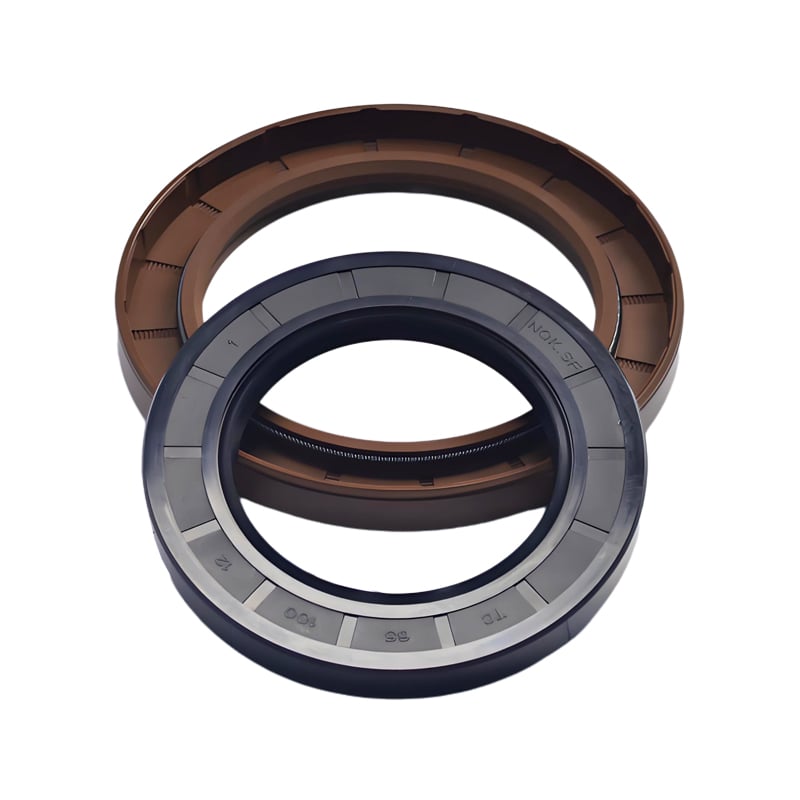

A tc oil seal is a double-lip radial shaft seal with a metal case and a spring-loaded main sealing lip. Its main job is to keep lubricant inside rotating equipment while helping keep dust and other external contaminants away from the sealing area. The combination of the primary sealing lip, secondary dust lip, metal case and garter spring is what gives the tc profile its practical value in many rotary shaft applications.
The most noticeable feature of a tc oil seal is the way its two lips perform different jobs. The main lip faces the lubricant side and works directly against the rotating shaft. A garter spring is normally positioned around this lip to maintain radial contact with the shaft. The second lip faces the outside environment and acts as a contamination barrier. It is not simply a second copy of the main lip; its role is mainly to reduce the amount of dust, dirt and other contaminants reaching the primary sealing area.
This arrangement becomes useful when a machine has two problems to control at the same time: lubricant loss and contamination entering from outside. A gearbox, electric motor, pump or other rotating assembly may contain oil or grease that needs to remain inside, while the surrounding environment may contain dust, moisture or particles. A tc seal addresses these two directions through its two-lip configuration.
The rubber-covered outside diameter is another practical part of the tc design. Instead of relying only on a bare metal case against the housing bore, the elastomer-covered case provides the contact surface between the seal and housing. This can help the seal accommodate the housing fit and provide static sealing at the outside diameter. tc profiles are commonly supplied with NBR or FKM, although the actual material selection should depend on temperature, lubricant and environmental conditions rather than on the tc designation itself.
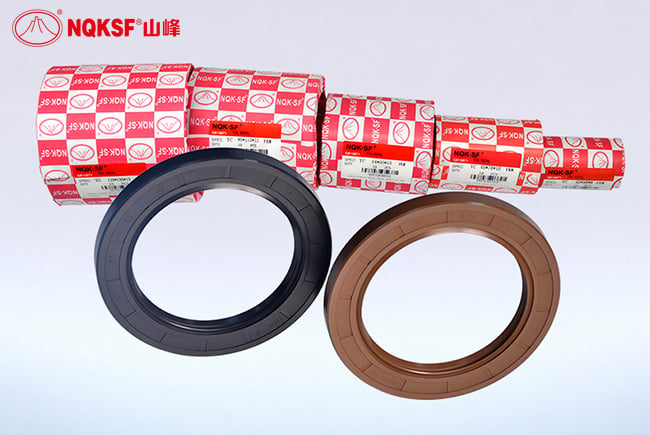
The material changes how the same tc structure behaves in service. NBR is commonly used for general oil and grease applications, especially where the temperature and medium are within its suitable range. FKM is considered when higher temperature or more demanding chemical exposure requires a different elastomer. The seal profile does not determine the material's resistance; the rubber compound does.
Another feature worth understanding is the role of the metal case. The case supports the rubber structure and helps the seal maintain its shape during installation and operation. It is not, however, the part that directly performs the dynamic sealing against the shaft. That job belongs primarily to the elastomeric lip and its controlled contact with the shaft.
TC oil seals are generally intended for low-pressure rotary sealing, rather than being treated as general high-pressure seals. Shaft speed, lubricant, temperature, shaft surface condition and installation accuracy all influence actual performance. A tc profile that is suitable for one machine may need a different material or sealing design when the operating conditions change.
In short, the value of a tc oil seal comes from how its individual parts work together: the main lip controls lubricant leakage, the dust lip limits external contamination, the spring maintains lip contact, and the metal case provides structural support. It is this combination, rather than any single feature, that makes the tc profile widely used for rotating shaft sealing.
 Hot News
ShanFeng Special Rubber Products Co., Ltd., operating under brand NQKSF since 1990, is a global leader in the sealing industry.
Copyright © 2026 ShanFeng Special Rubber Products Co., Ltd. All rights reserved. Privacy Policy
 EN
EN