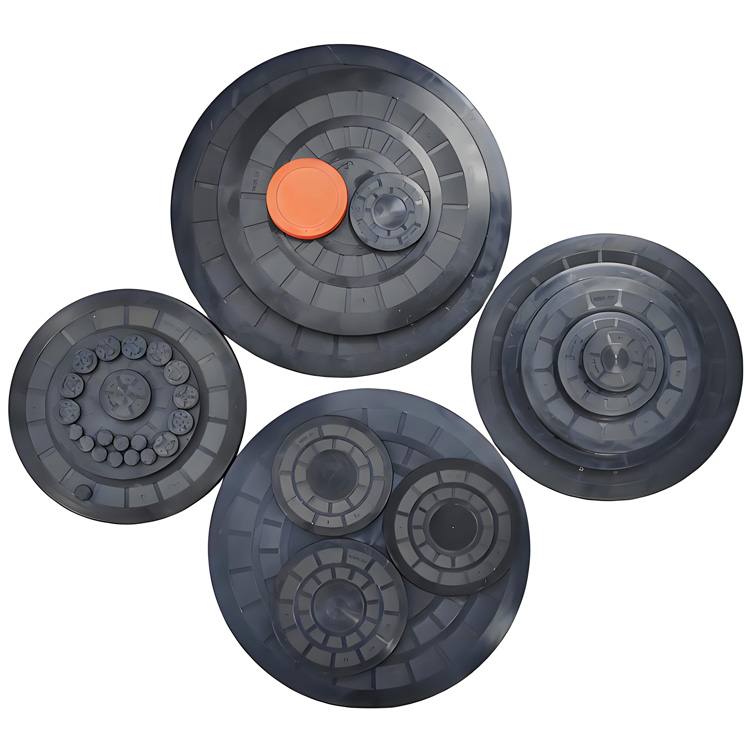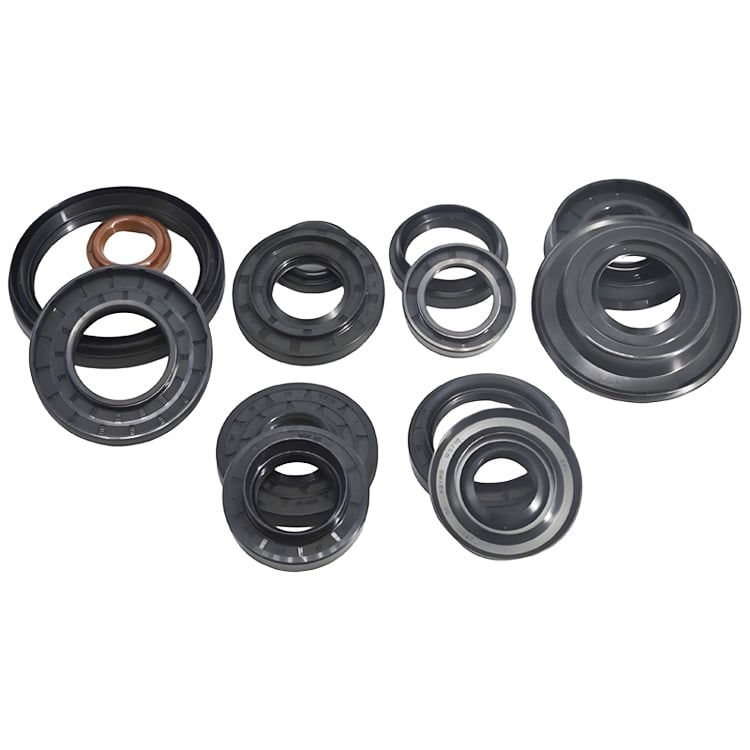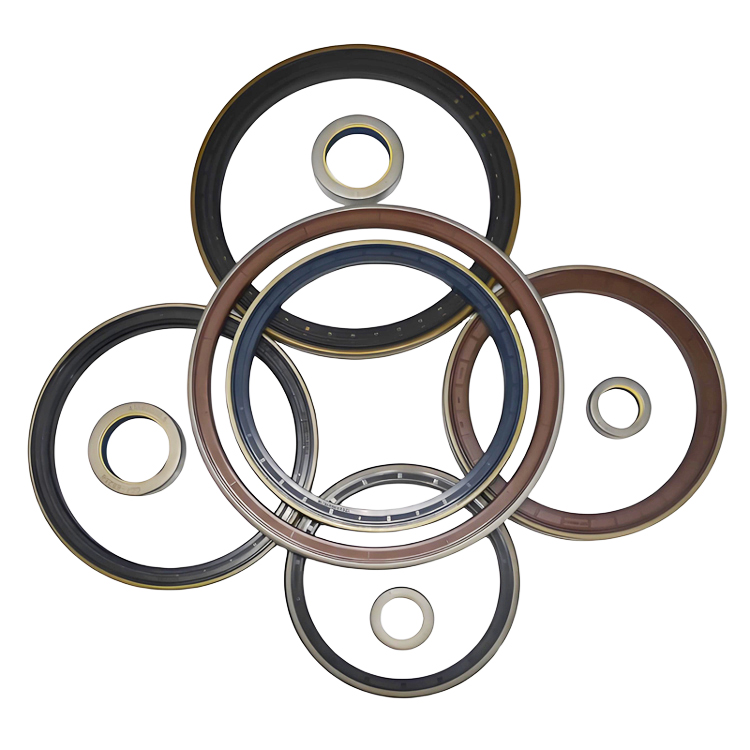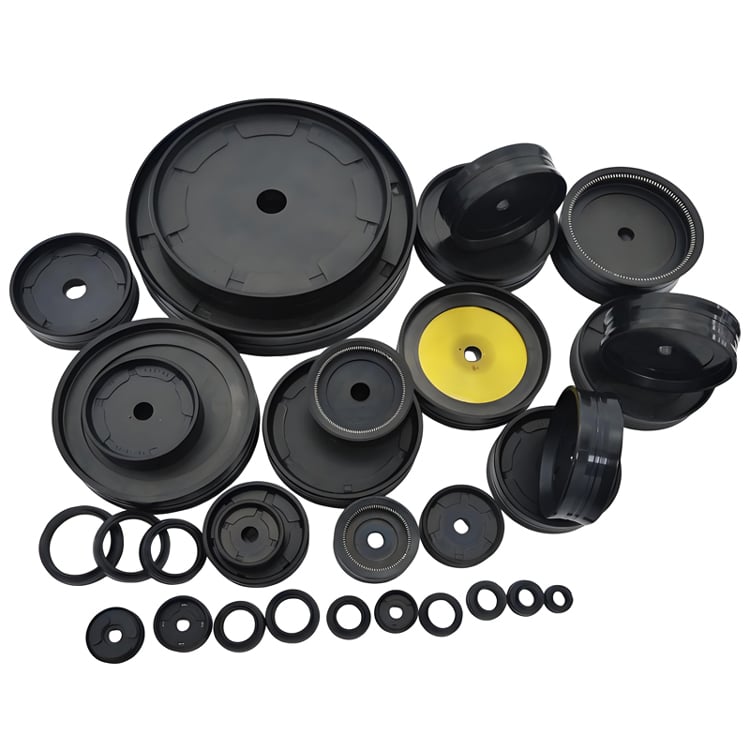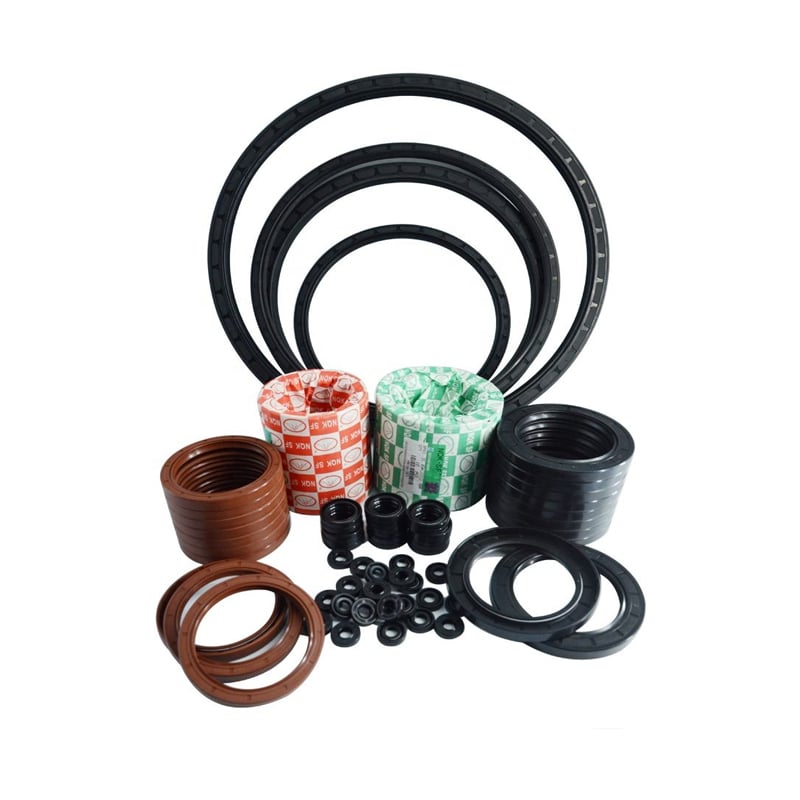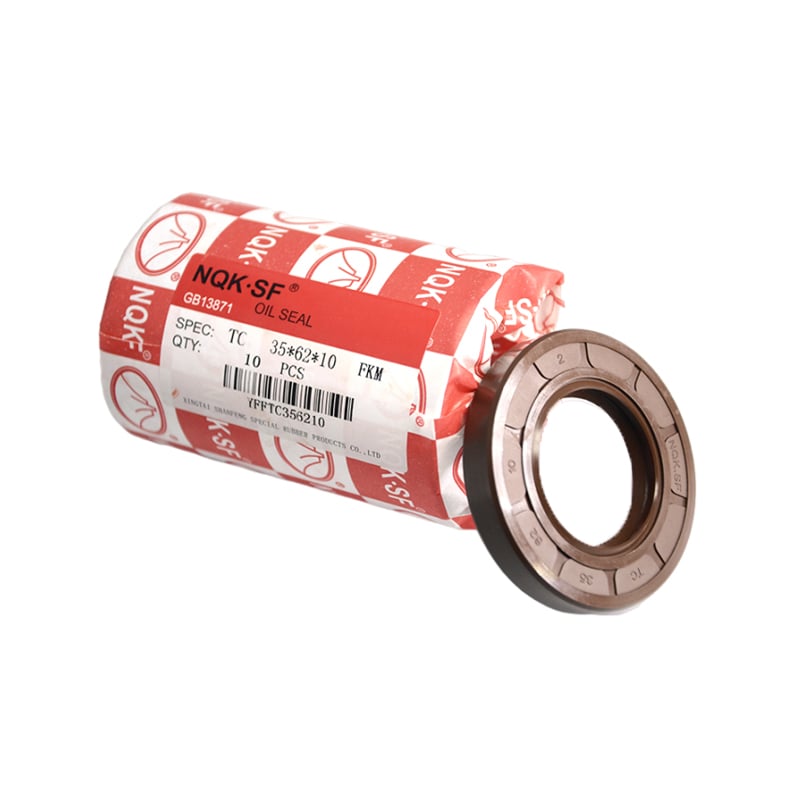

Skeleton oil seal relies on its metal case to maintain shape under radial load. This structural feature defines both its installation method and its sealing scenarios.
Why Installation Matters for Skeleton Oil Seals
The metal case stabilizes the rubber lip. Any distortion during installation changes the lip’s contact angle, affecting sealing performance. This is why manufacturers emphasize controlled pressing and shaft preparation.
Installation Guidelines
Inspect the Metal Case and Rubber Bond
A stable bond ensures the case does not shift under load. Any visible separation should be avoided.
Align the Seal With the Housing Bore
Skeleton oil seals require concentric alignment. Misalignment leads to uneven lip wear.
Apply Steady Axial Force
The metal case must enter the bore without tilting. A press tool with a flat surface is recommended.
Check Shaft Runout
Excessive runout disrupts the lip’s ability to maintain a stable oil film.
Suitable Sealing Scenarios
High‑load rotating shafts
The metal case provides structural stability for equipment with strong radial forces.
Gearboxes and reducers
Skeleton seals maintain shape under temperature cycles and lubricant pressure.
Industrial motors
Their rigid case helps maintain lip geometry during continuous rotation.
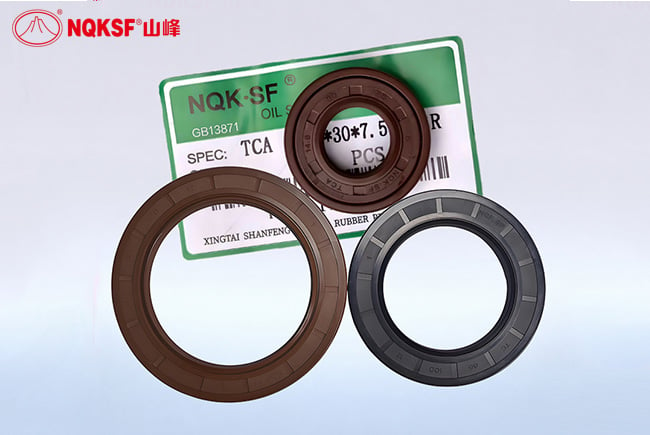
Skeleton oil seals are installed with careful alignment and controlled pressing because their metal case directly influences lip stability. They are suitable for machinery requiring structural rigidity and consistent sealing under load.
 Hot News
ShanFeng Special Rubber Products Co., Ltd., operating under brand NQKSF since 1990, is a global leader in the sealing industry.
Copyright © 2026 ShanFeng Special Rubber Products Co., Ltd. All rights reserved. Privacy Policy
 EN
EN