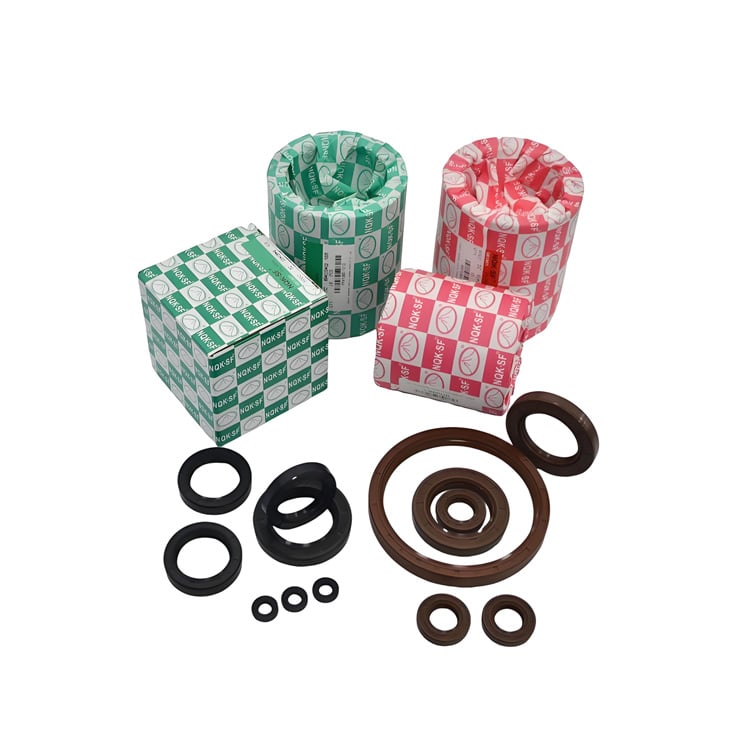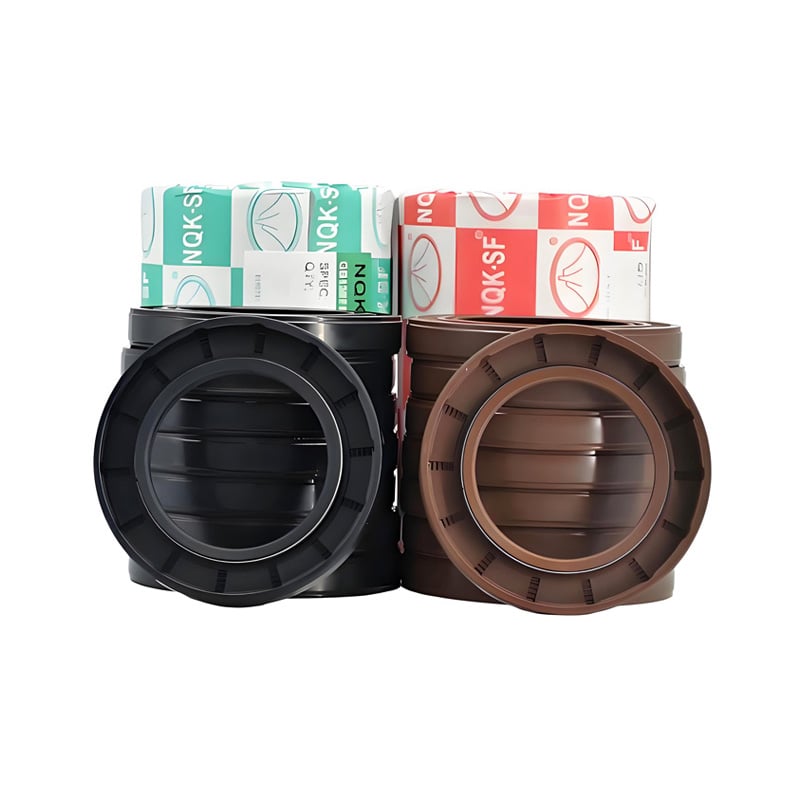

If an oil seal appears undamaged but oil leakage continues, the seal itself may not be the real cause. In many industrial applications, oil leakage results from the interaction between the seal, the shaft, the housing, and operating conditions rather than from a defective oil seal alone.
Replacing the seal without identifying the root cause often leads to the same problem appearing again.
The Shaft Surface Deserves Equal Attention
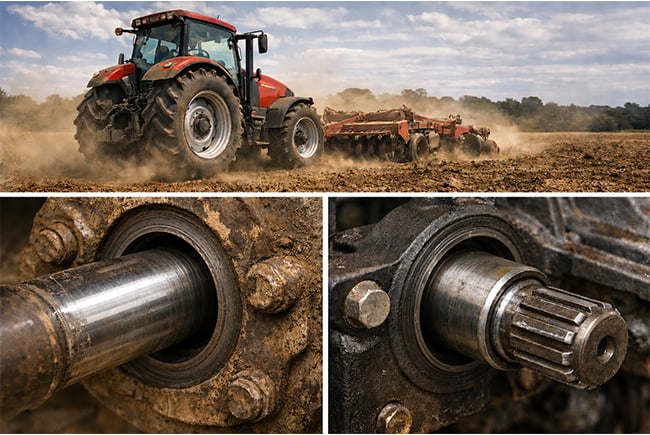
The sealing lip relies on continuous contact with the shaft. After long periods of operation, the shaft may develop wear marks or surface irregularities that prevent the lip from maintaining an effective seal.
Even a brand-new oil seal cannot fully compensate for a damaged sealing surface.
Material Selection Can Influence Sealing Results
Oil seals are manufactured from different materials to suit different environments.
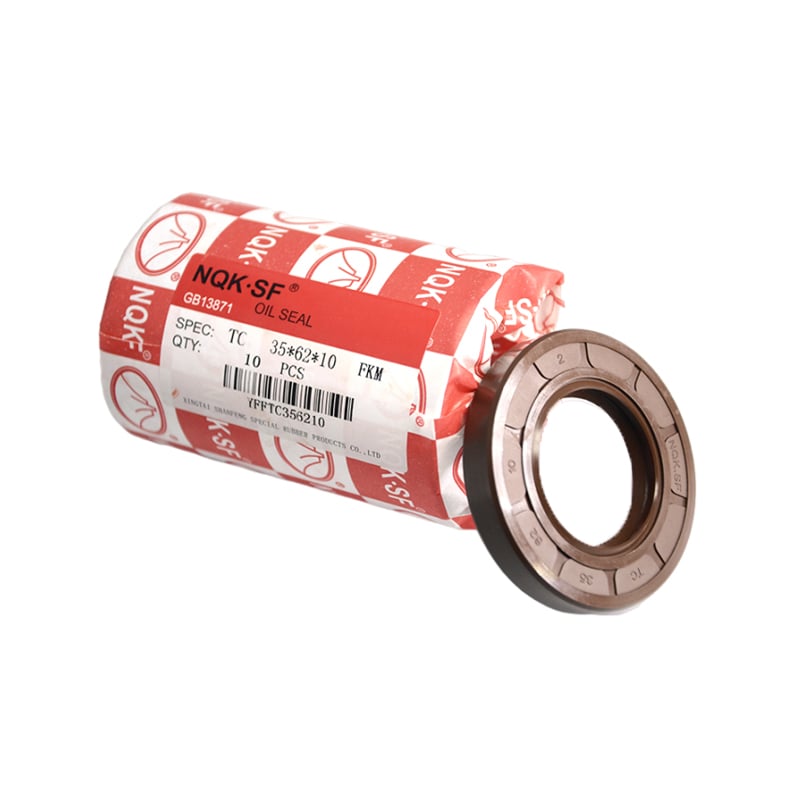
For example, NBR is widely used in general industrial equipment, while FKM performs better under higher temperatures or with certain aggressive media. Choosing the correct material helps maintain sealing performance throughout the service life of the equipment.
At NQKSF, we believe that selecting the right seal begins with understanding the application rather than simply matching dimensions.
Installation Also Matters
Improper installation may twist the sealing lip, damage the spring, or create uneven contact pressure. Small installation errors can significantly reduce sealing effectiveness even when the product itself meets specifications.
Using appropriate installation tools and following recommended procedures helps achieve better sealing performance.
FAQ
Q: Is replacing the oil seal always the solution to oil leakage?
A: No. The shaft condition, installation quality, operating environment, and material selection should all be inspected before determining whether the oil seal needs replacement.
 Hot News
ShanFeng Special Rubber Products Co., Ltd., operating under brand NQKSF since 1990, is a global leader in the sealing industry.
Copyright © 2026 ShanFeng Special Rubber Products Co., Ltd. All rights reserved. Privacy Policy
 EN
EN