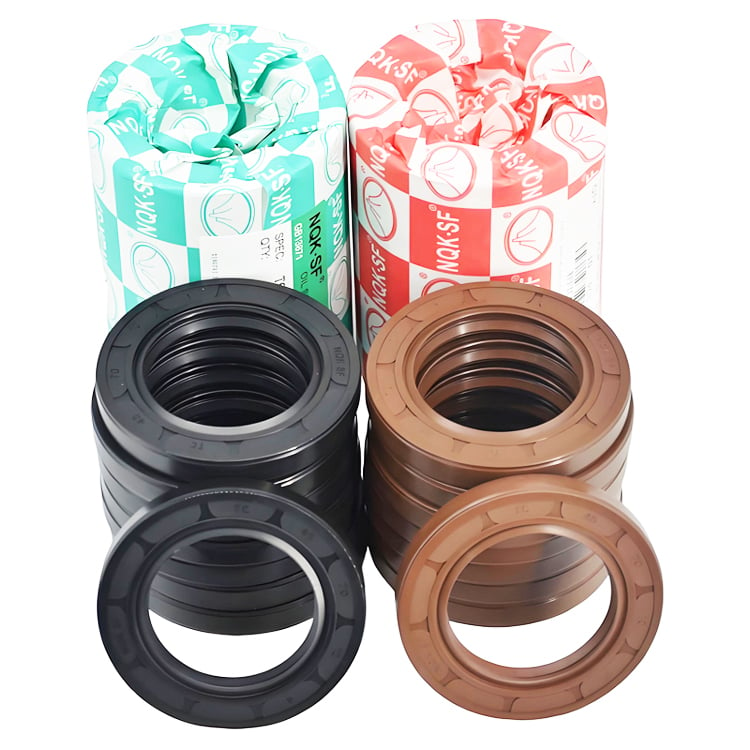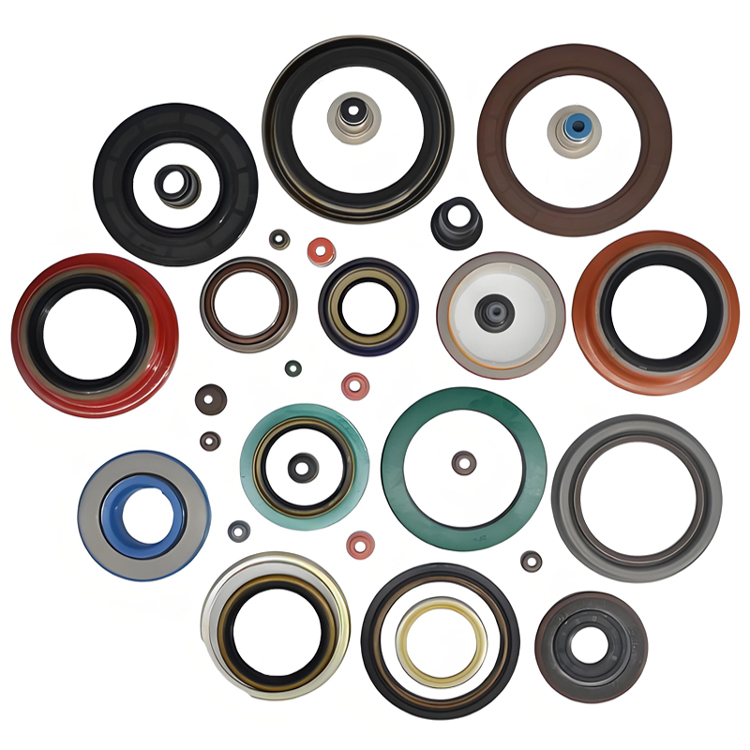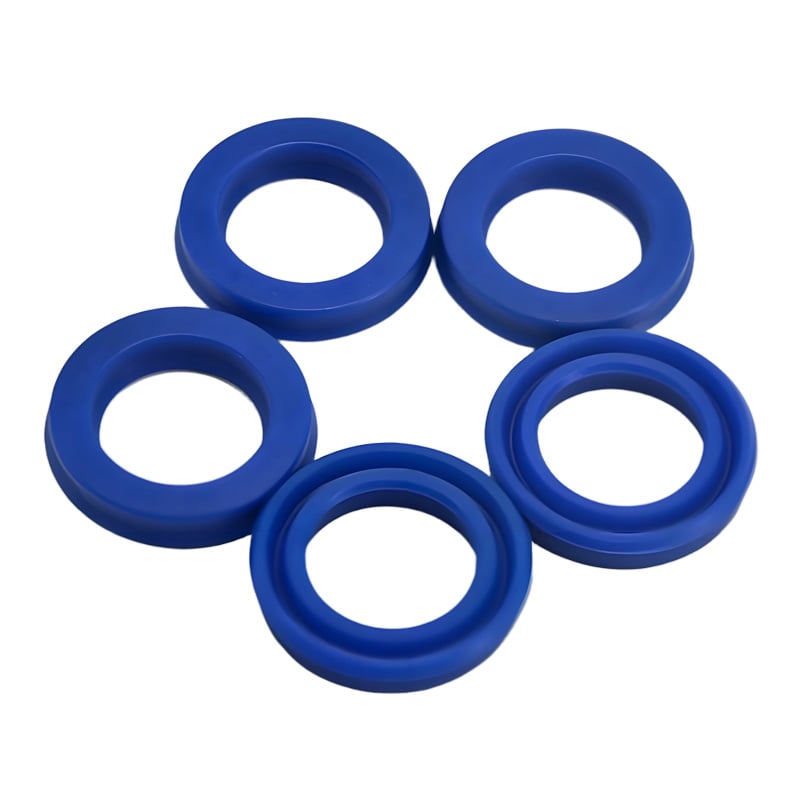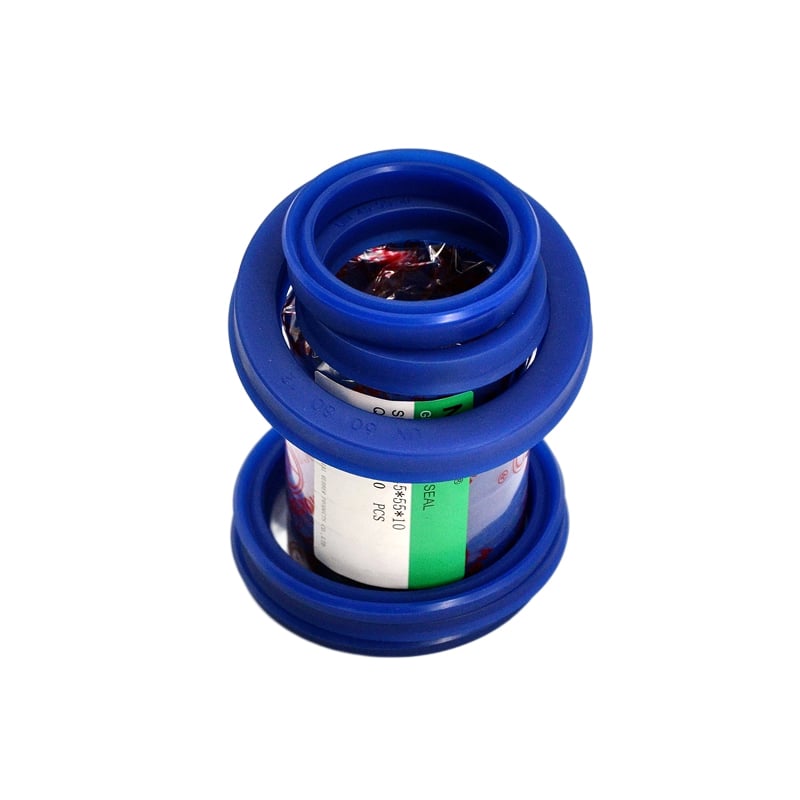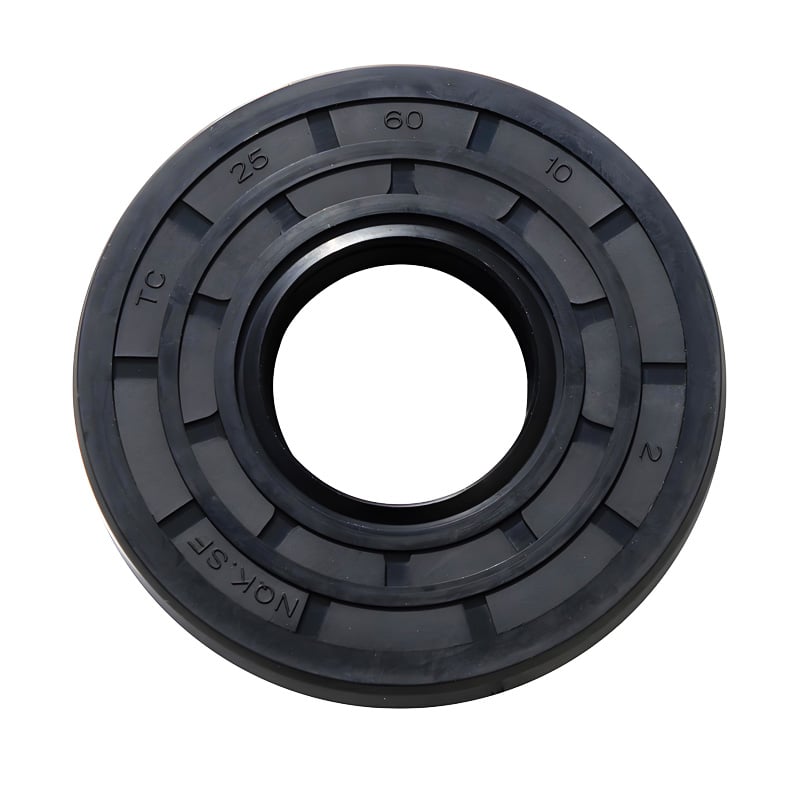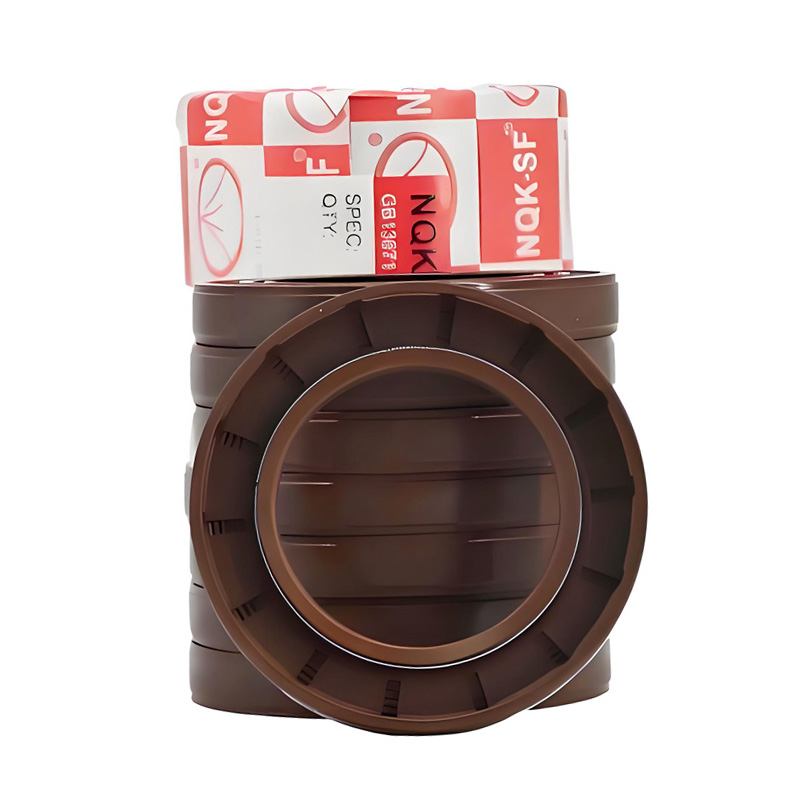

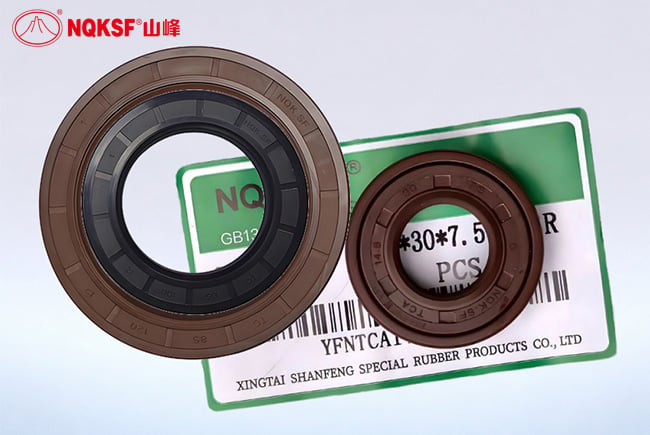
The difference between metal cased and non metal cased oil seals comes down to how each one maintains its shape under load. In NQKSF is engineering view, the metal insert is not an accessory—it is a structural element that determines how the seal behaves when the shaft begins to move.
A metal cased oil seal keeps its geometry stable when the shaft experiences vibration, thermal expansion, or changes in rotational speed. The metal ring supports the rubber body, allowing the lip to hold its designed angle. This stability is important in motors, gearboxes, and equipment where load patterns shift throughout operation.
A non metal cased oil seal relies entirely on rubber flexibility. Without a metal insert, the seal adapts more easily to tight housings or small cavities. It installs smoothly and conforms well to the bore, but its shape may respond to pressure changes, making it more suitable for lighter or steady state applications.
From an engineering standpoint, the choice is determined by load behavior. Metal cased seals fit systems that demand structural consistency; non metal cased seals fit systems that benefit from flexibility. Matching the seal to the machine’s operating rhythm is the key to predictable performance.
 Hot News
ShanFeng Special Rubber Products Co., Ltd., operating under brand NQKSF since 1990, is a global leader in the sealing industry.
Copyright © 2026 ShanFeng Special Rubber Products Co., Ltd. All rights reserved. Privacy Policy
 EN
EN