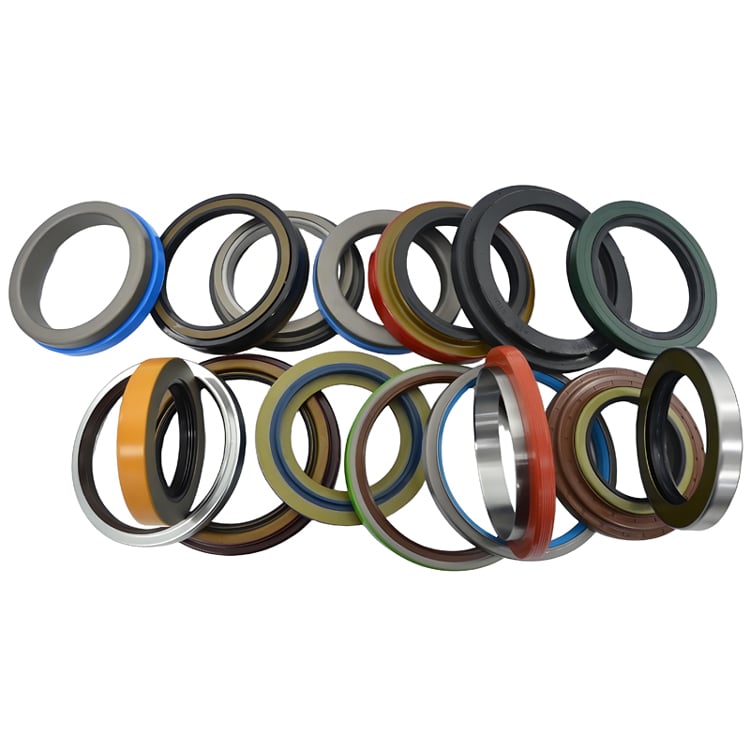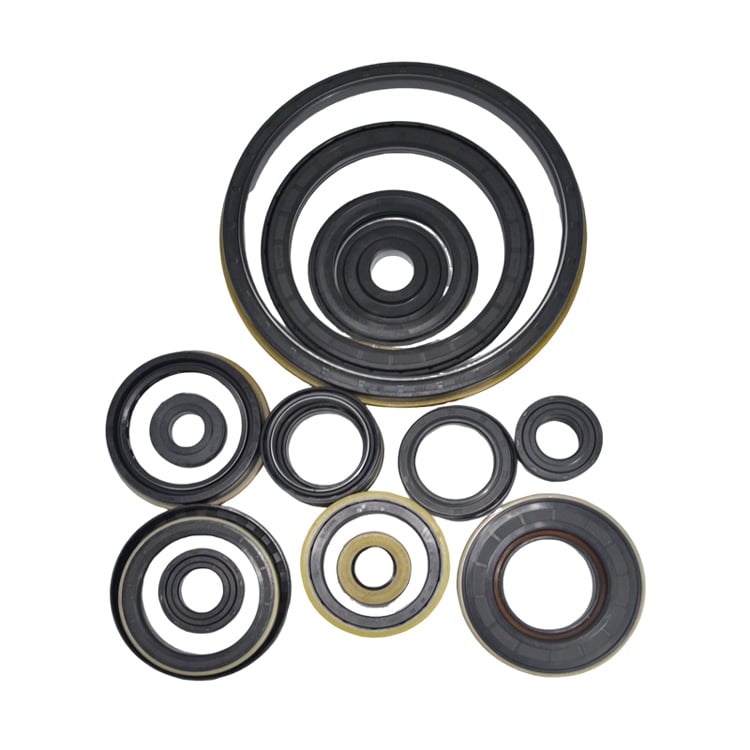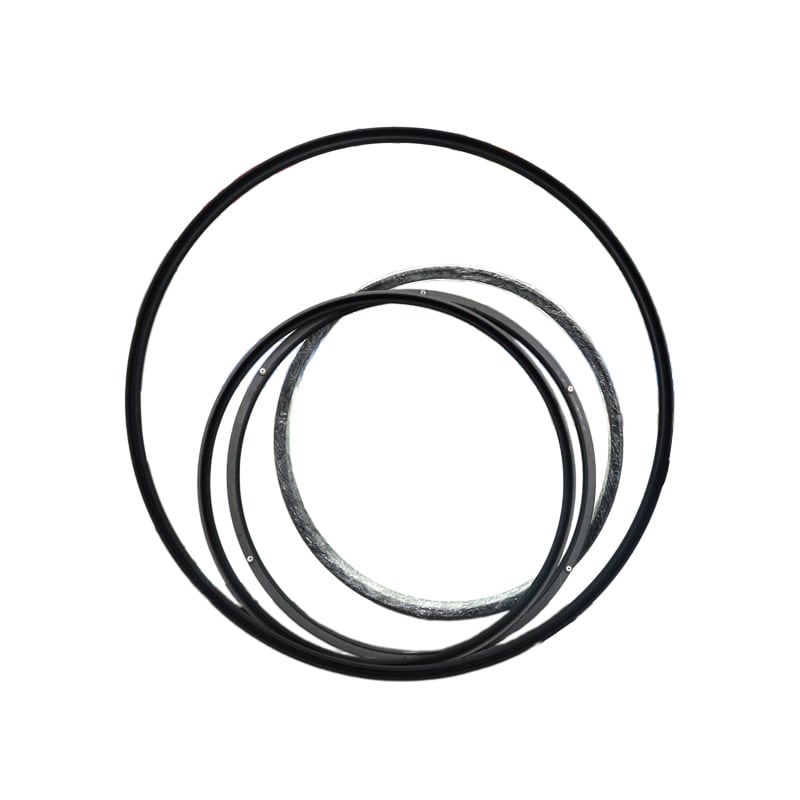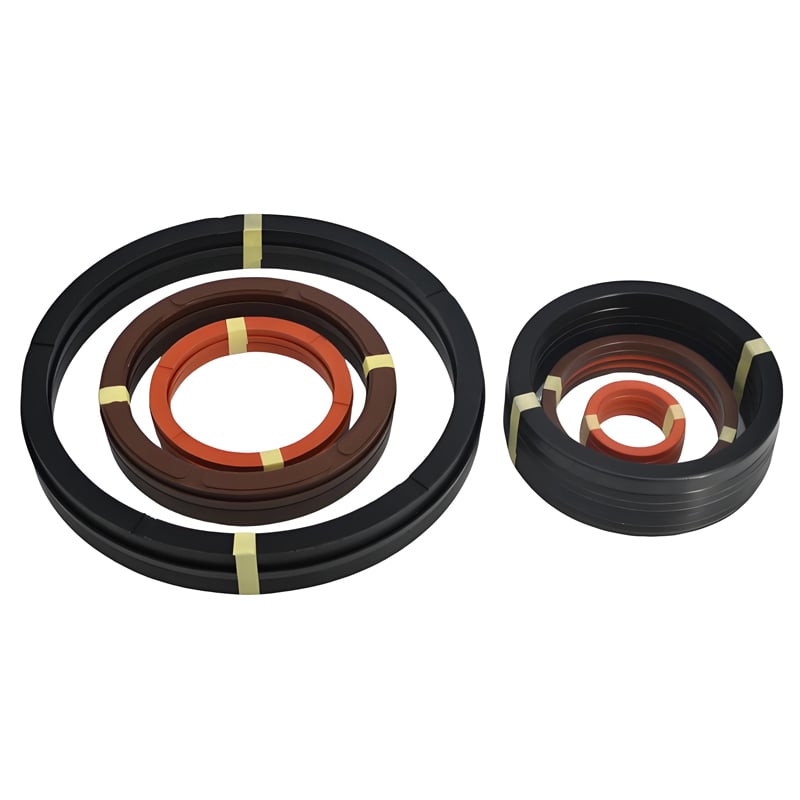

When answering the question "How do I choose an oil seal?", NQKSF’s perspective is: first, determine the equipment's actual load, then assess whether the material and structure can withstand those operating conditions over the long term. In our view, an oil seal is not merely an accessory but an integral part of the equipment's operational dynamics; selection must be based on the specific operating conditions.
Why Start with Load and Operating Conditions?
An oil seal's performance depends on shaft speed, temperature fluctuations, the lubricating medium, and pressure variations. A deviation in any of these conditions alters the stress distribution within the rubber. If selection is based solely on model numbers while ignoring these variables, the seal's service life often falls short of expectations.
Key Points to Consider During Selection
1. Equipment Operational Rhythm
High-speed, low-speed, intermittent, or continuous operation—these rhythms affect oil film formation. High-speed equipment requires a stable lip angle, whereas low-speed equipment relies more on material flexibility.
2. Material Tolerance Range
Performance varies significantly among materials like NBR, FKM, HNBR, and PTFE. The goal isn't simply to choose a "better" material, but the "most suitable" one. For example:
NBR performs reliably with standard lubricating oils.
FKM is better suited for environments with significant temperature fluctuations.
PTFE is used for complex media or applications with unstable loads.
3. Shaft and Housing Machining Quality
Surface roughness, runout, and hardness all affect the fit of the seal lip. If machining tolerances are excessive, maintaining a stable seal becomes difficult, regardless of material quality.
4. Structural Compatibility
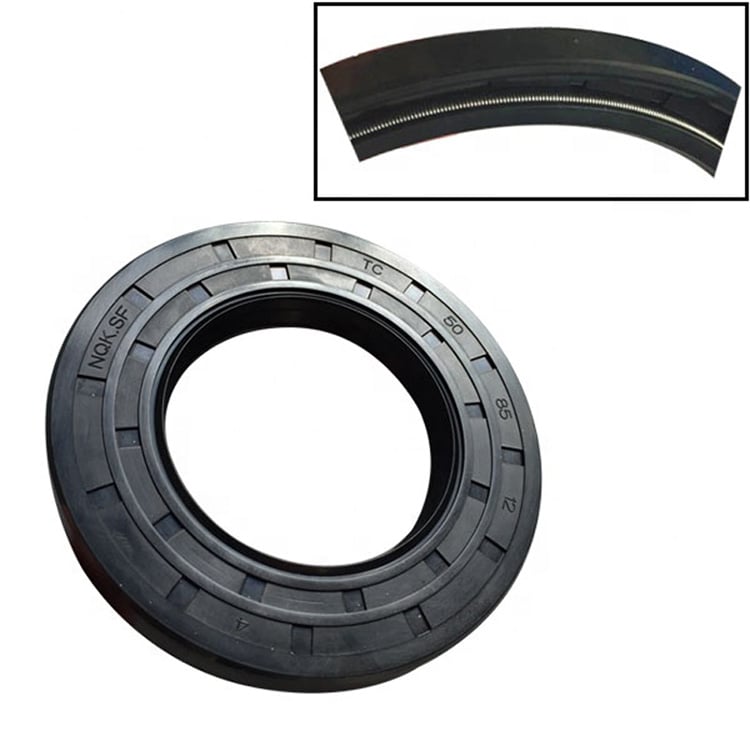
Types such as TC, TB, TG, metal-cased, and non-cased designs each address different mechanical requirements. Choosing the right structure ensures the seal remains stable amidst the equipment's operational rhythm.
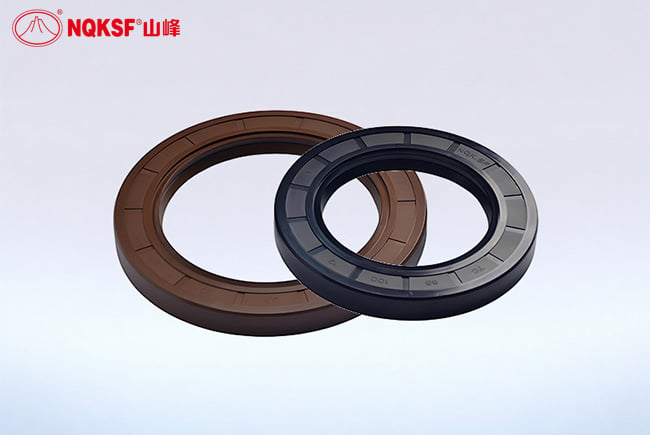
The oil seal must align with the equipment's load and operational rhythm. When material, structure, and dimensions match the operating conditions, the oil seal performs effectively. Focusing on the equipment's operational logic—rather than just the model number—leads to a more reliable sealing system.
 Hot News
ShanFeng Special Rubber Products Co., Ltd., operating under brand NQKSF since 1990, is a global leader in the sealing industry.
Copyright © 2026 ShanFeng Special Rubber Products Co., Ltd. All rights reserved. Privacy Policy
 EN
EN