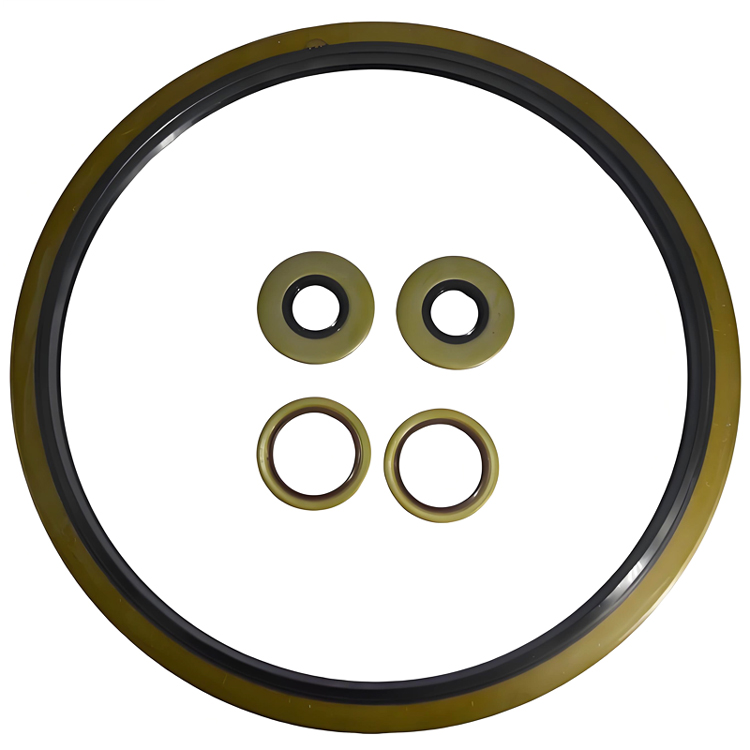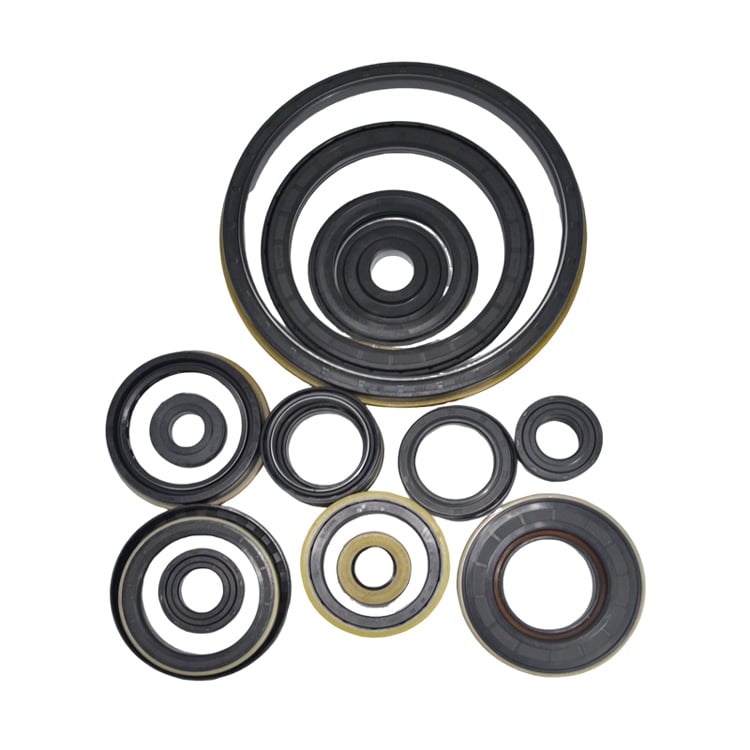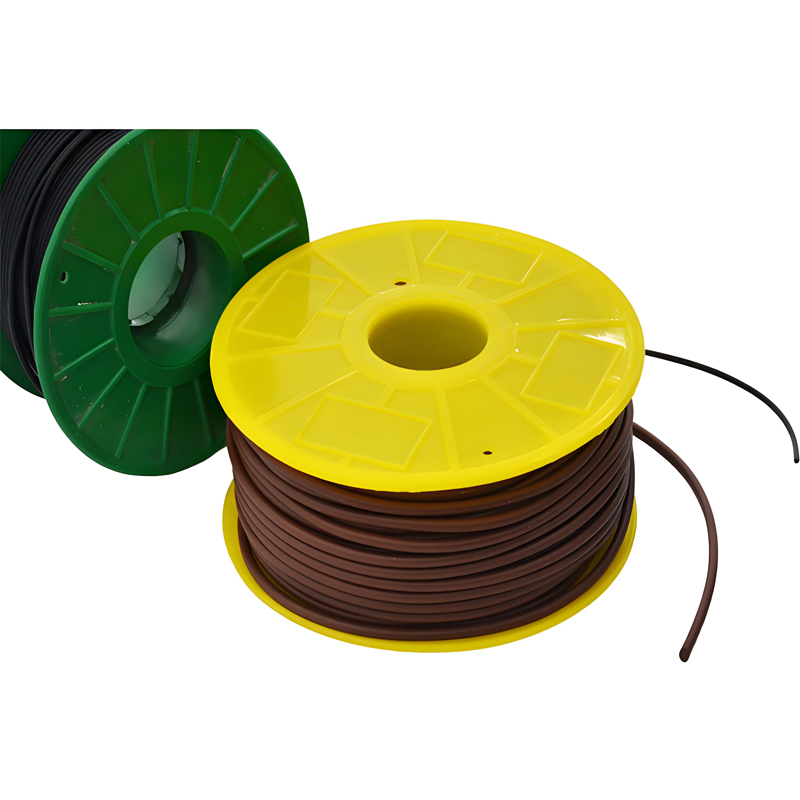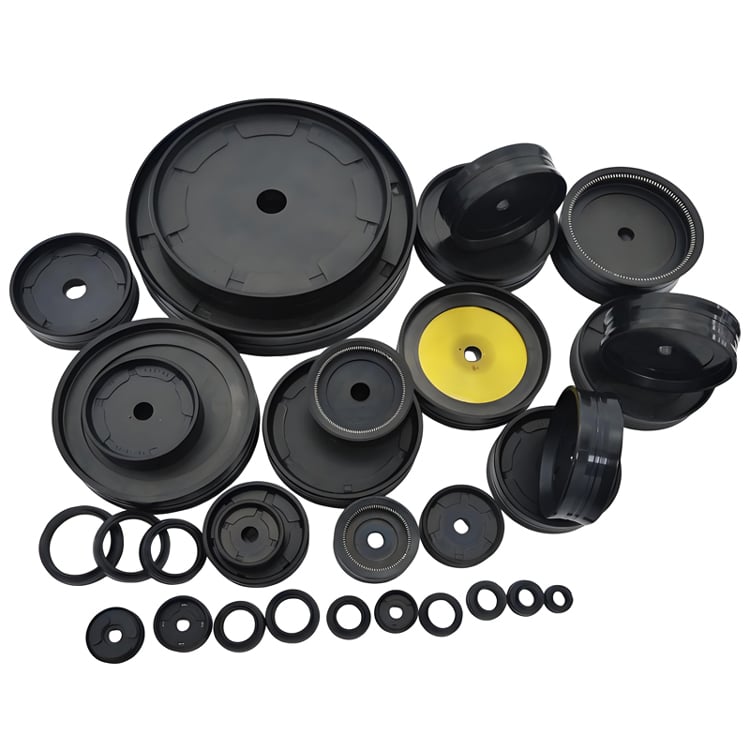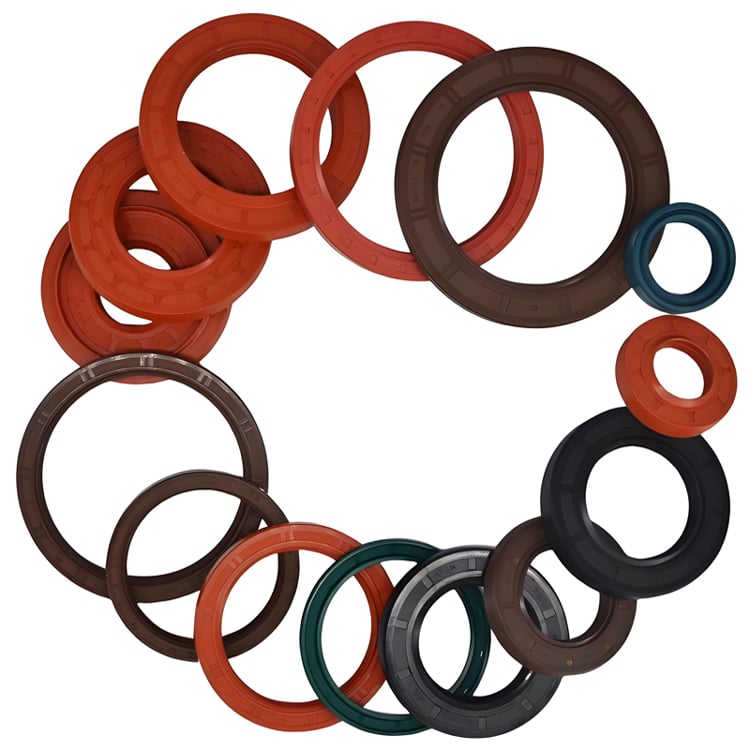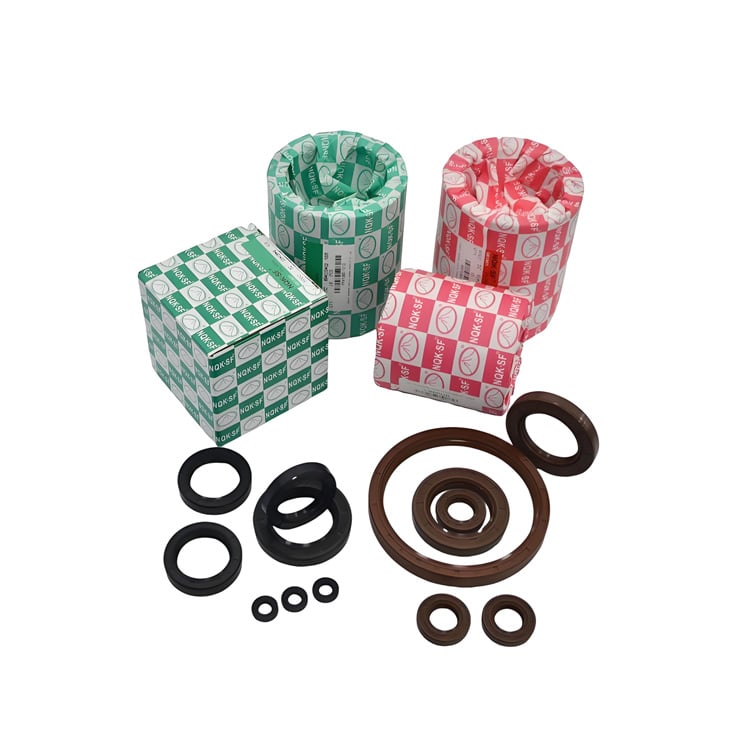

In the field of industrial automation, the sealing system of palletizing robot gripper cylinders plays a crucial role in ensuring the efficient and stable operation of the equipment. Especially in environments with frequent reciprocating motion, the material selection for O-rings as cylinder sealing components is critical. To ensure long-term reliable sealing, the O-rings must exhibit wear resistance, oil resistance, and the ability to withstand high-frequency movements. Based on different working conditions, the following rubber materials excel in environments with frequent reciprocating motion and are worth considering.
HNBR
Hydrogenated nitrile butadiene rubber is an upgraded version of nitrile rubber, offering enhanced oil resistance, heat resistance, and oxidation resistance. Its exceptional performance makes it particularly suitable for harsh environments involving high temperatures and chemical corrosion.
Advantages:
Superior oil resistance: Ideal for hydraulic and pneumatic systems, especially those in contact with lubricants and hydraulic oils.
High-temperature and oxidation resistance: Can be used for extended periods in high-temperature environments, making it suitable for applications requiring temperature resistance.
Excellent wear resistance: Able to withstand frequent reciprocating motion, thus prolonging the O-ring's service life.
Disadvantages:
Higher cost: Although it offers outstanding performance, HNBR is more expensive than other materials.
HNBR is particularly suitable for applications requiring high chemical and temperature resistance, such as high-temperature and chemically corrosive environments.
PU
Polyurethane rubber is widely used in machinery requiring frequent reciprocating motion due to its exceptional wear resistance. PU O-rings offer adjustable hardness, providing good elasticity and sealing performance based on the specific needs of the application.
Advantages:
Excellent wear resistance: Ideal for high-speed reciprocating movements, providing superior wear resistance.
Good oil resistance: Suitable for hydraulic and pneumatic systems with oil-based media.
Adjustable hardness: Hardness can be adjusted according to operational requirements, offering flexibility.
Disadvantages:
Poor high-temperature resistance: Polyurethane is prone to aging at high temperatures, making it unsuitable for prolonged exposure to extreme heat.
For frequent mechanical movement, especially in environments with high wear demands, polyurethane is an ideal choice.
NBR
Nitrile rubber is one of the most commonly used materials for O-rings, offering good oil resistance and wear resistance. It is suitable for a wide range of industrial applications and is particularly effective in medium-to-low-temperature and oil-based environments.
Advantages:
Good oil resistance: Performs excellently with hydraulic oils, lubricants, and fuels, making it suitable for most pneumatic and hydraulic systems.
Cost-effective: Offers a high cost-to-performance ratio, making it suitable for large-scale industrial applications.
Good wear resistance: Performs well in common oil-based environments, meeting long-term usage requirements.
Disadvantages:
Poor high-temperature resistance: Nitrile rubber typically operates in a temperature range of -40°C to 125°C, making it unsuitable for high-temperature environments.
In most conventional hydraulic and pneumatic systems, nitrile rubber offers excellent value for money, particularly in oil-based sealing applications.
FKM
Fluorocarbon rubber surpasses nitrile rubber in terms of high-temperature resistance and chemical resistance, making it suitable for high-temperature and corrosive environments. Its superior properties make it the material of choice for applications requiring chemical and high-temperature resistance.
Advantages:
Excellent high-temperature resistance: FKM can withstand temperatures up to 200°C, making it suitable for high-temperature environments.
Superior chemical resistance: Performs well against many chemicals, oils, and solvents.
Good wear resistance: Suitable for environments with high-frequency reciprocating motion, maintaining sealing performance over time.
Disadvantages:
Higher cost: More expensive than nitrile rubber.
Poor low-temperature performance: FKM is performance declines in extremely cold environments.
Ideal for applications requiring high-temperature and chemical resistance, fluorocarbon rubber is commonly used in industries such as petrochemical and aerospace.
FFKM
Perfluoroelastomer is one of the highest-performing sealing materials, offering exceptional high-temperature and chemical resistance. It can endure temperatures above 230°C and is resistant to almost all chemicals, including strong acids, alkalis, and organic solvents.
Advantages:
Strong high-temperature resistance: Can withstand temperatures over 230°C, making it suitable for extreme high-temperature environments.
Superior chemical corrosion resistance: Resists nearly all chemicals, including strong acids, alkalis, and solvents.
Low friction coefficient: The very low friction coefficient helps reduce wear during reciprocating motion.
Disadvantages:
High cost: FFKM is expensive and suited for high-end applications.
Weak pressure resistance: In high-pressure environments, it may not provide ideal sealing performance.
FFKM is ideal for extreme high-temperature and corrosive environments, such as those found in aerospace, chemical equipment, and other high-performance applications.
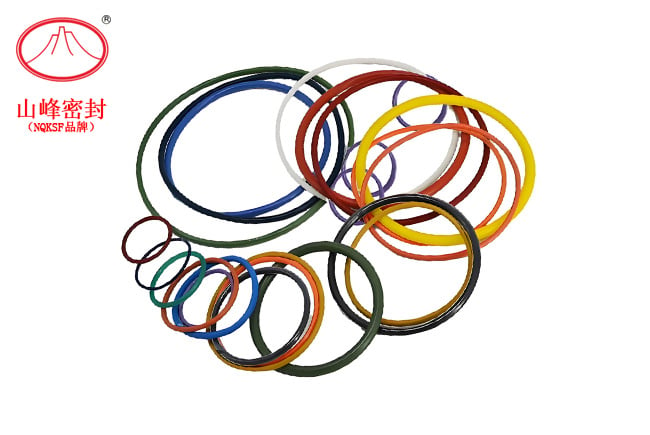
How to Choose the Right O-Ring Material?
When selecting an O-ring, several factors must be considered:
Operating Temperature: For higher temperatures, fluorocarbon or perfluoroelastomer is recommended. For lower temperatures, nitrile rubber or polyurethane may be more suitable.
Oil-Based Media: If the cylinder involves contact with oil-based media, NBR and HNBR are ideal choices.
Wear Resistance: If the application requires high wear resistance, polyurethane and hydrogenated nitrile rubber provide longer service life.
Budget and Performance Balance: For cost-effective options, nitrile rubber offers good value. For high-performance applications, fluorocarbon or perfluoroelastomer is a better choice.
In palletizing robot gripper cylinder sealing applications, selecting the right O-ring material is crucial for ensuring sealing effectiveness and extending equipment life. By considering factors like temperature, oil-based media, wear resistance, and budget, selecting materials such as hydrogenated nitrile rubber, polyurethane, nitrile rubber, fluorocarbon rubber, or perfluoroelastomer will significantly improve system stability and durability.
 Hot News
ShanFeng Special Rubber Products Co., Ltd., operating under brand NQKSF since 1990, is a global leader in the sealing industry.
Copyright © 2026 ShanFeng Special Rubber Products Co., Ltd. All rights reserved. Privacy Policy
 EN
EN