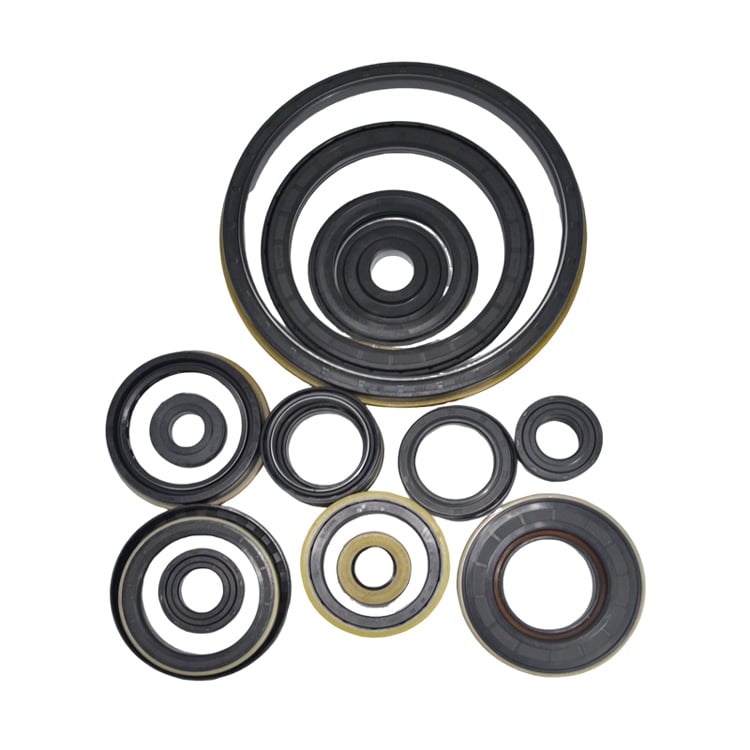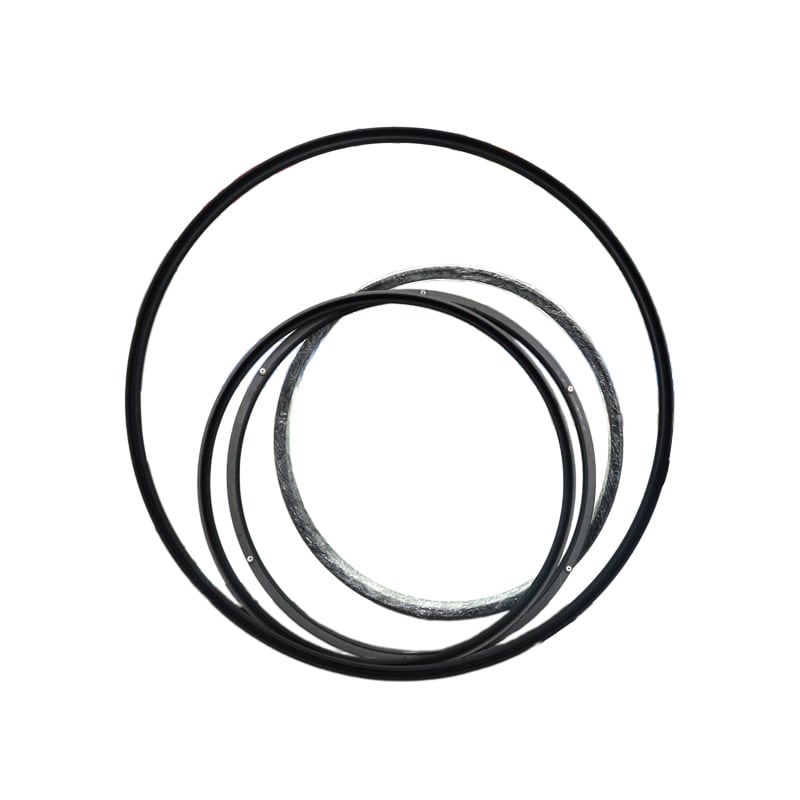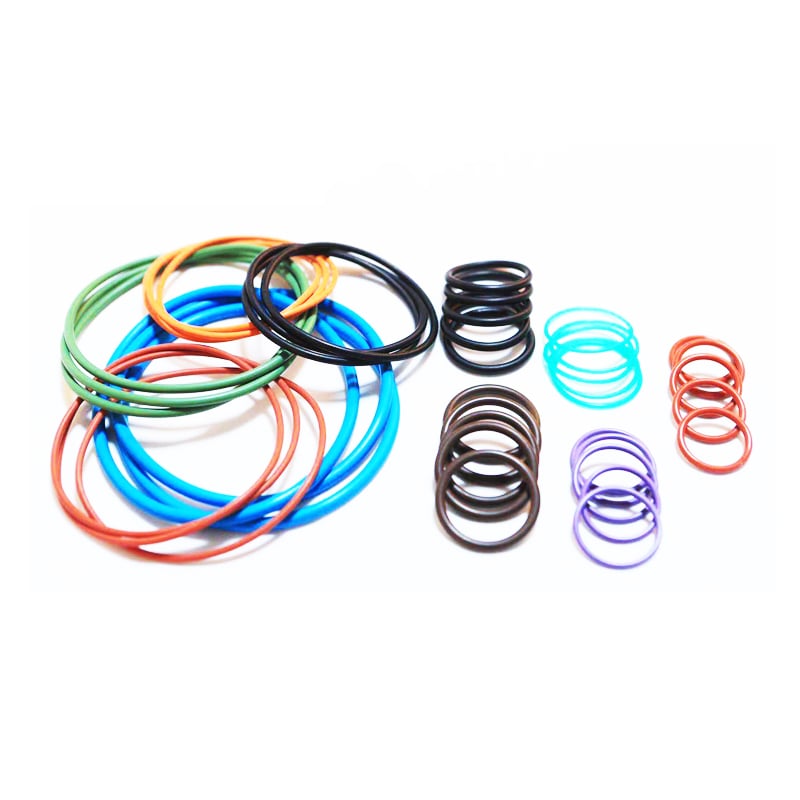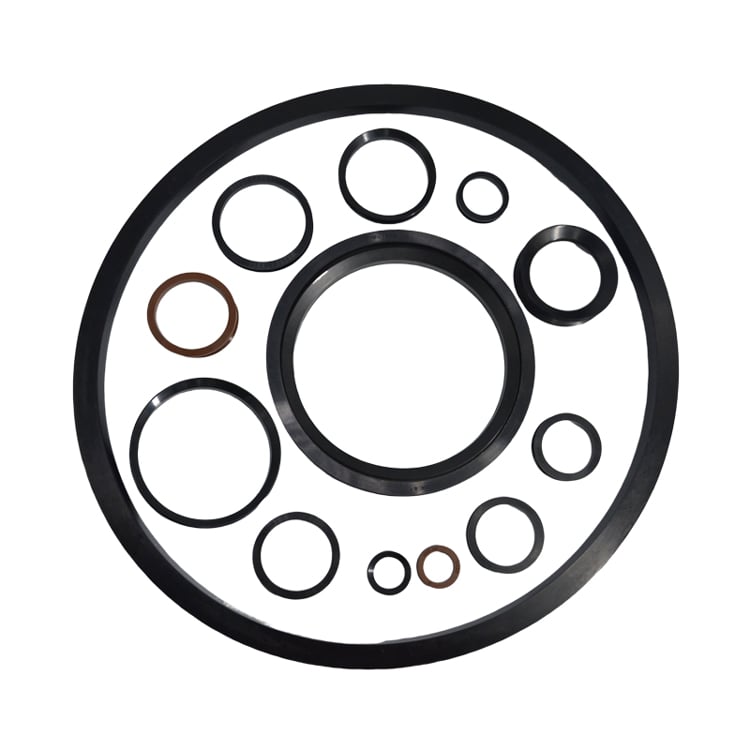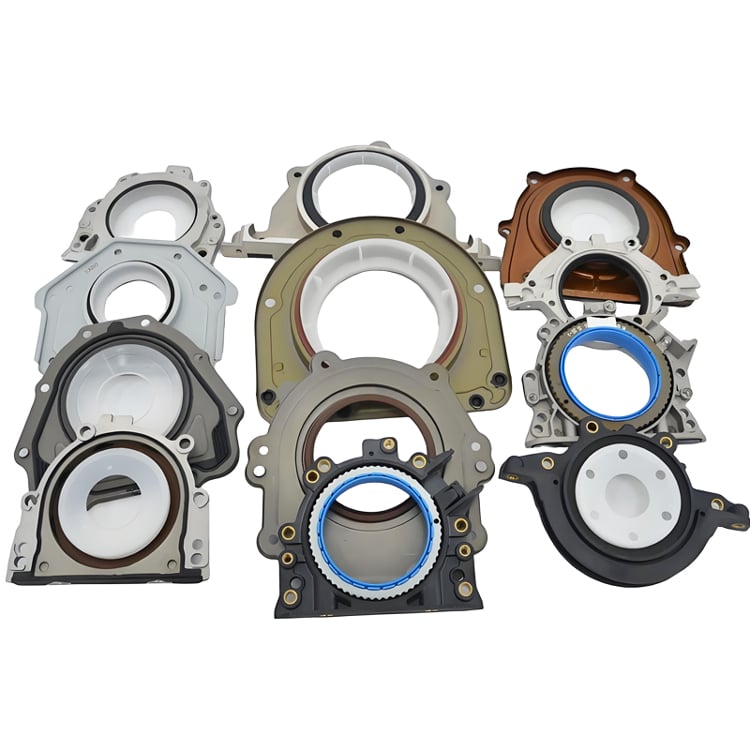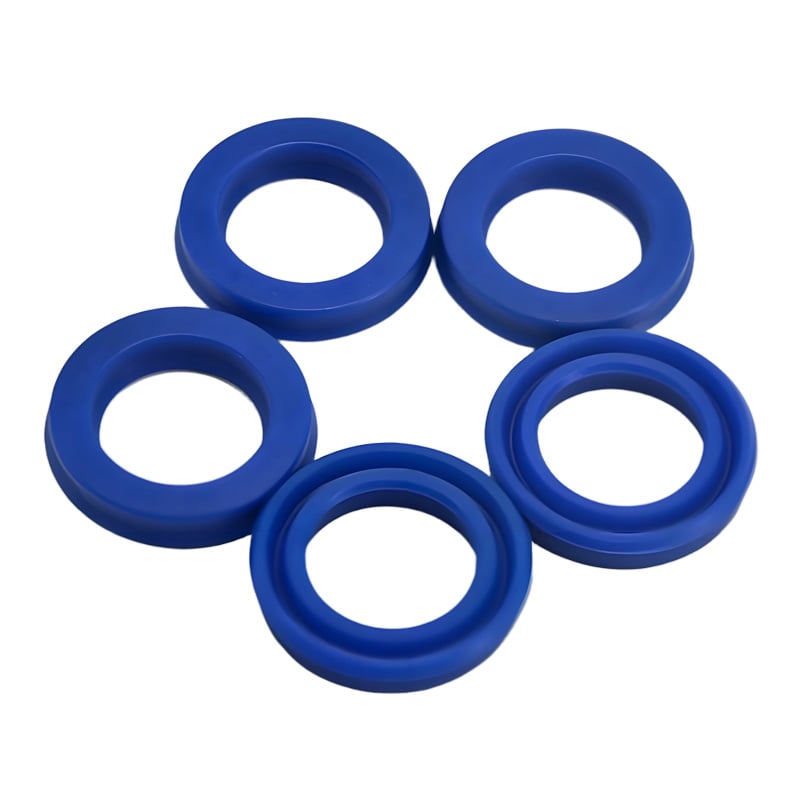

Industrial robots operate under high precision and high load conditions, making the sealing performance of each joint critical. When the joint shaft undergoes ±180° reciprocating rotation, traditional sealing concepts face significant challenges. The high‑frequency, limited‑angle reversing motion tends to disrupt the lubrication film, causing the seal lip to frequently contact the shaft surface. This leads to increased friction, accelerated wear, torque fluctuations, and thermal buildup that can eventually degrade the sealing material. Addressing this issue requires a comprehensive approach that integrates material selection, lip design, thermal management, and installation accuracy.
Material Selection: Ensuring Low Friction and Wear Resistance
Material choice is fundamental to solving friction and wear problems. For this type of motion, the principle is to use low‑friction materials for the primary seal and high‑elasticity materials for auxiliary sealing.
Primary Seal Material
PTFE composite materials are recommended for the primary sealing lip. PTFE offers an exceptionally low coefficient of friction (as low as 0.02–0.1), excellent self‑lubrication, and strong wear resistance, making it ideal for long‑term reciprocating motion.
Auxiliary Seal Materials
FKM and HNBR provide elasticity, sealing capability, and resistance to oil and temperature. They operate reliably from –50°C to +150°C and are commonly used for dust lips, static O‑rings, or as elastic support elements for PTFE primary seals.
Special Materials
For extreme conditions such as high temperatures or corrosive media, FFKM offers unmatched chemical and thermal resistance. Due to its high cost, it is typically reserved for specialized applications in chemical or semiconductor environments.
Lip Design: From Passive Blocking to Active Dynamic Sealing
Traditional lip designs rely on passive physical contact. However, reciprocating rotation requires a more active sealing mechanism.
Hydrodynamic Lip Geometry
Using Z‑type, K‑type, or S‑type lip profiles can generate a micro‑pumping effect during shaft movement. This effect returns small amounts of lubricant back into the sealing chamber, maintaining lubrication and reducing friction.
Dual‑Lip Structure
A dual‑lip configuration separates functions clearly:
The primary lip seals the lubricant.
The secondary lip, typically made of elastic rubber, prevents dust and moisture ingress.
This division enhances overall sealing reliability.
Spring Preload: Stabilizing Contact Pressure
Maintaining consistent contact pressure is essential in reciprocating applications. An internal spring provides the necessary preload to ensure continuous contact between the lip and shaft surface. As the lip wears, the spring compensates automatically, preventing performance degradation. Springs must offer high fatigue resistance and chemical stability to avoid relaxation or breakage over time.
Wear Resistance and Low‑Friction Design
Wear resistance depends not only on material properties but also on the overall system design.
Self‑Lubricating Materials
PTFE is ability to form a transfer film significantly reduces wear. Solid lubricant coatings such as molybdenum disulfide (MoS₂) can further improve initial running‑in and long‑term performance.
Advanced Option: Rolling Seal Structures
For extremely demanding applications, a rolling‑type seal can be used. By embedding rolling elements inside the seal ring, sliding friction is converted into rolling friction, reducing torque by more than 70% and nearly eliminating wear. This solution is more costly and typically used in high‑reliability systems.
Thermal Management: Handling Heat Generation
High temperatures are common in reciprocating motion, so the sealing system must tolerate heat and minimize heat generation.
Wide Temperature Range Materials
PTFE, FKM, and HNBR maintain stable performance from –50°C to +150°C, ensuring reliable sealing across varying temperatures.
Low‑Heat‑Generation Design
Using low‑friction materials and optimizing contact pressure reduces frictional heat at the source, preventing thermal aging of the seal.
Installation and System Integration: Precision Matters
Even the best seal design requires precise installation to achieve optimal performance.
Installation Accuracy
The shaft surface must meet hardness and roughness requirements, and specialized tools should be used to ensure proper alignment and avoid lip deformation.
Modular Seal Assemblies
Many suppliers now offer pre‑assembled and pre‑lubricated sealing modules. These simplify installation, reduce variability, and improve consistency.
Long‑Term Durability
Long‑term sealing performance depends on structural rigidity and elastic design. A robust metal case prevents deformation during installation, while the elastic components must balance shaft runout compensation with stable sealing force.
For industrial robot joints operating under ±180° reciprocating rotation, effective sealing requires a system‑level approach. By selecting appropriate materials such as PTFE and FKM, optimizing lip geometry and spring preload, and ensuring proper thermal and installation management, it is possible to significantly reduce friction, minimize wear, and maintain long‑term sealing stability. For extreme environments, advanced structural designs or specialty materials may be considered to ensure reliable performance under high load and high‑frequency operation.
 Hot News
ShanFeng Special Rubber Products Co., Ltd., operating under brand NQKSF since 1990, is a global leader in the sealing industry.
Copyright © 2026 ShanFeng Special Rubber Products Co., Ltd. All rights reserved. Privacy Policy
 EN
EN