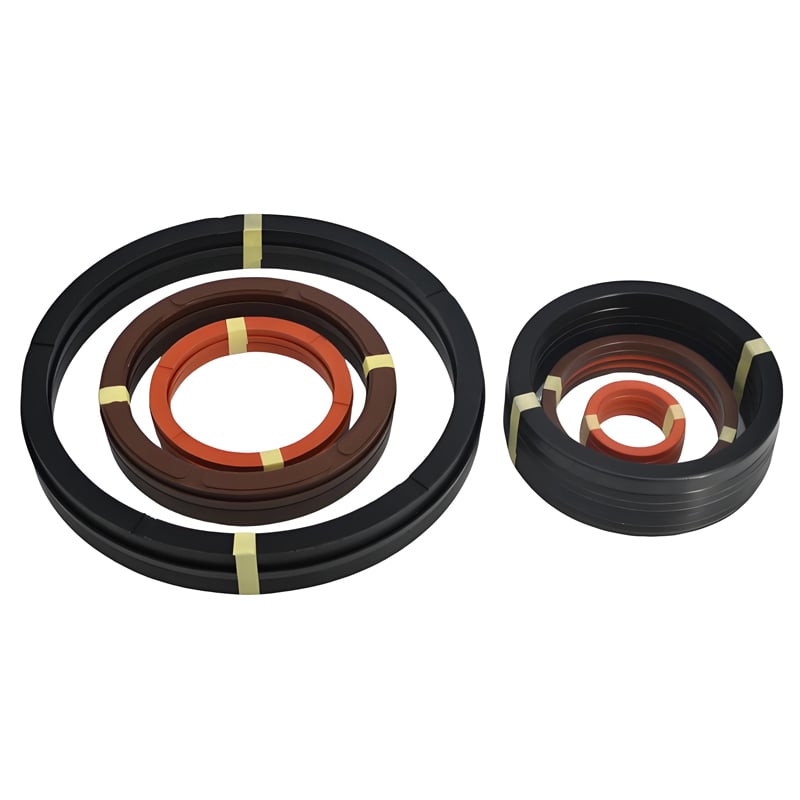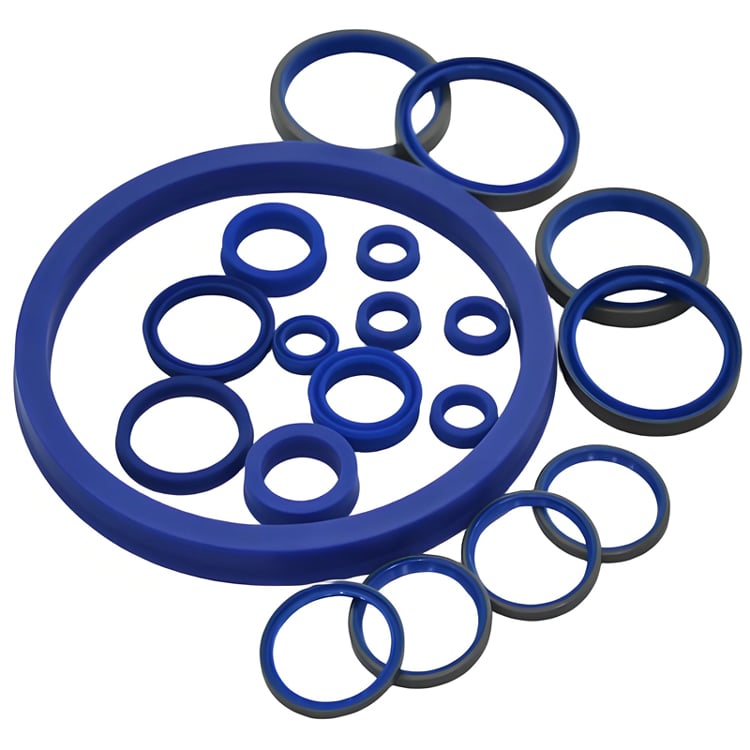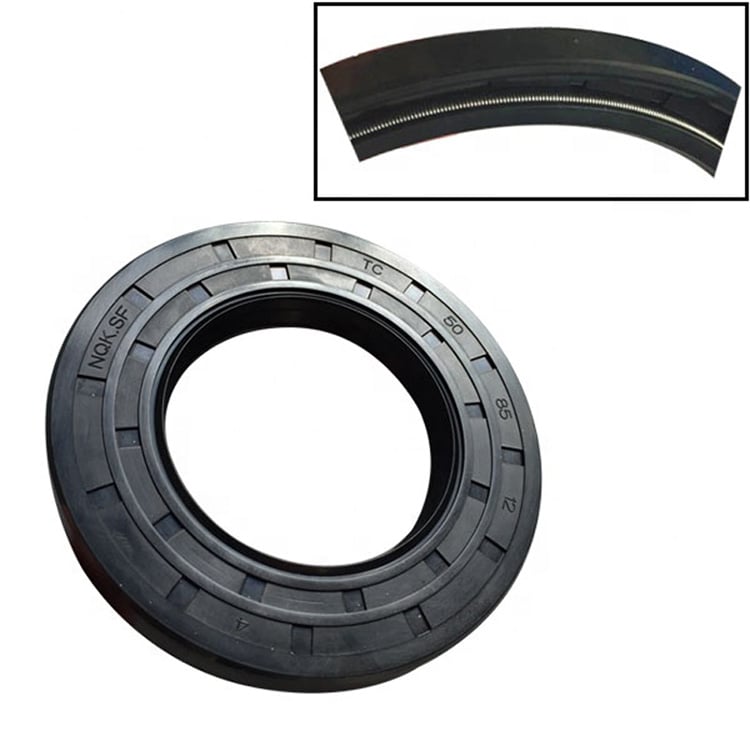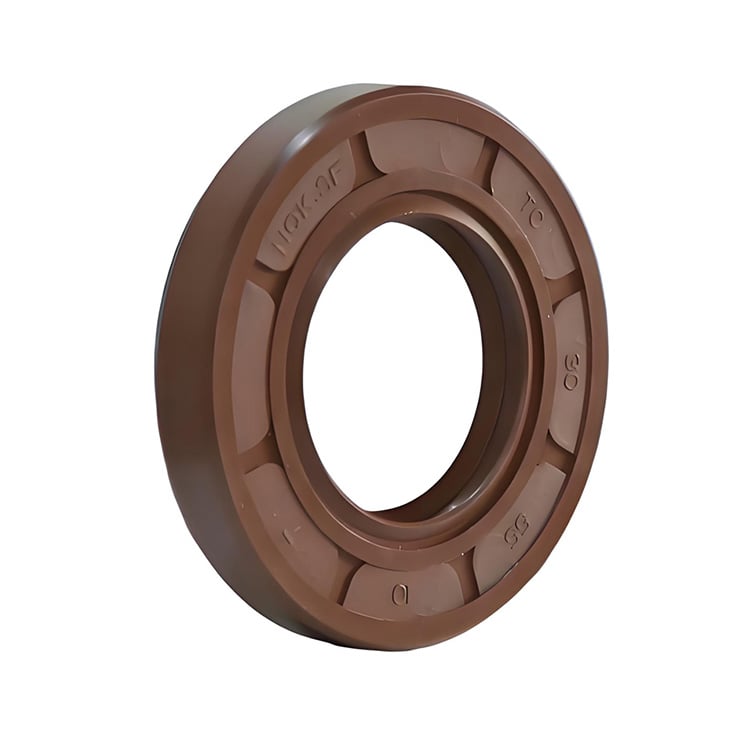

In robotic vision systems, lens cleanliness directly determines imaging quality. Yet many engineers overlook a critical detail: extractables from sealing O‑rings can contaminate the optical surface. To address this issue, three aspects must be considered—material selection, process control, and structural design.
Material Selection: Choosing the Right Seal
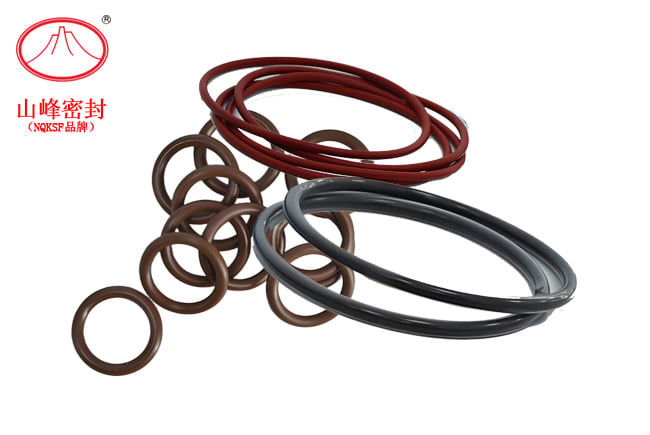
Fluorocarbon Rubber (FKM) or Perfluoroelastomer (FFKM): These materials release minimal extractables under high temperature, vacuum, and cleanroom conditions. FFKM offers superior chemical stability for demanding environments.
PTFE‑Encapsulated O‑Rings: Recommended for applications requiring even higher inertness.
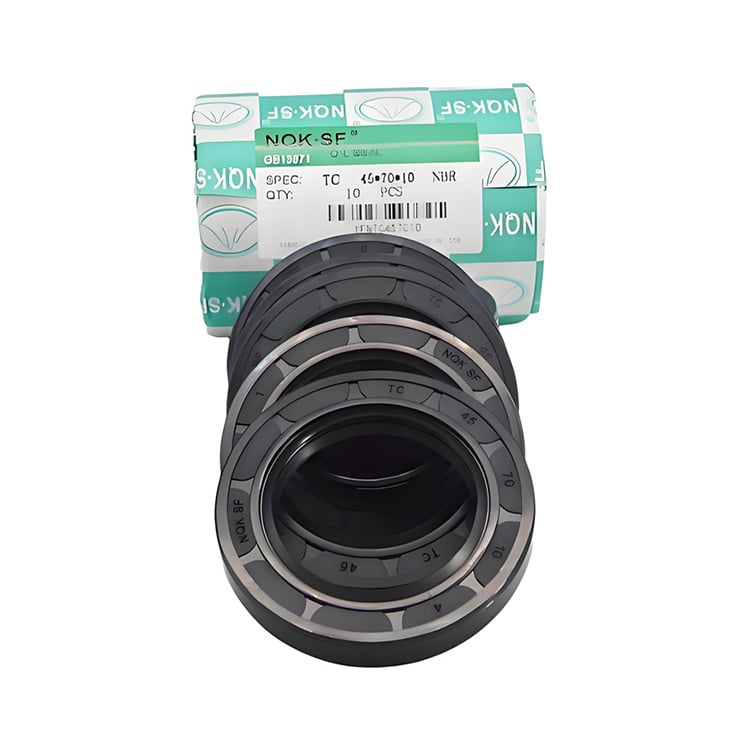
Avoid NBR or VMQ: Nitrile and silicone rubbers tend to release plasticizers or silicone oils, which can contaminate optical surfaces.
Process Control: Pre‑Installation Purification
Before installation, O‑rings should undergo ultrasonic cleaning, rinsing with high‑purity IPA, and vacuum drying to remove mold release agents and oils. Some manufacturers supply cleanroom‑pretreated O‑rings that can be directly used in Class 100 environments.
Structural Design: Isolation for Safety
Introduce PTFE barriers between the lens and O‑ring, or adopt dual‑seal configurations with exhaust chambers to keep extractables away from the optical surface. Even if minor outgassing occurs, it will not directly affect the imaging area.
Environmental and Operational Stability
Maintain low humidity and stable temperature to prevent thermal expansion or cracking of sealing materials. Periodic vacuum baking at 80–120°C for 2–4 hours accelerates the release of residual volatiles, reducing long‑term contamination risks.
Conclusion and Recommendations
To effectively prevent lens contamination, a combined strategy is essential:
Select appropriate sealing materials (FKM or FFKM, with PTFE encapsulation if required).
Apply thorough cleaning and pre‑treatment procedures.
Incorporate isolation structures in the seal design.
Material replacement alone, without cleaning or structural optimization, may still lead to contamination buildup, ultimately reducing imaging accuracy and repeatability in robotic vision systems.
 Hot News
ShanFeng Special Rubber Products Co., Ltd., operating under brand NQKSF since 1990, is a global leader in the sealing industry.
Copyright © 2026 ShanFeng Special Rubber Products Co., Ltd. All rights reserved. Privacy Policy
 EN
EN