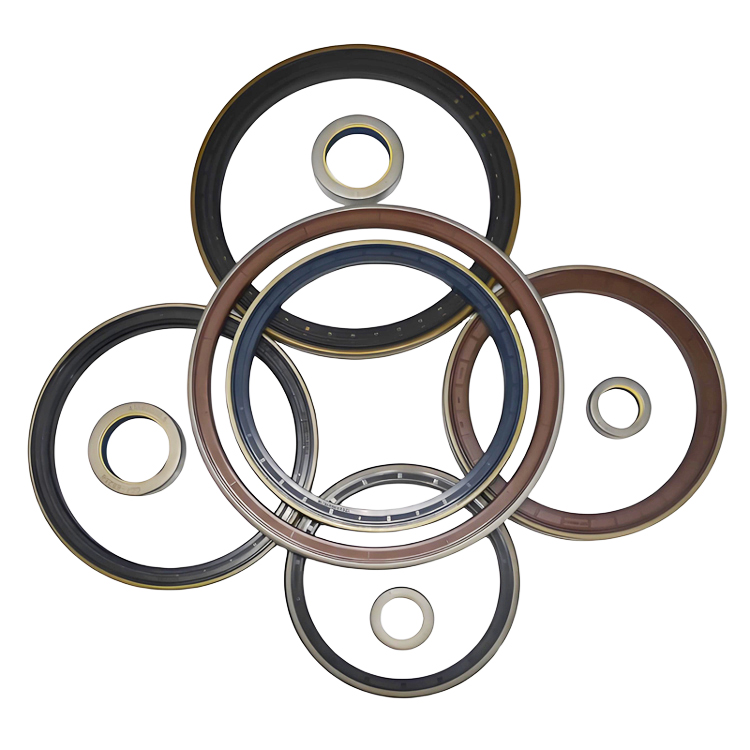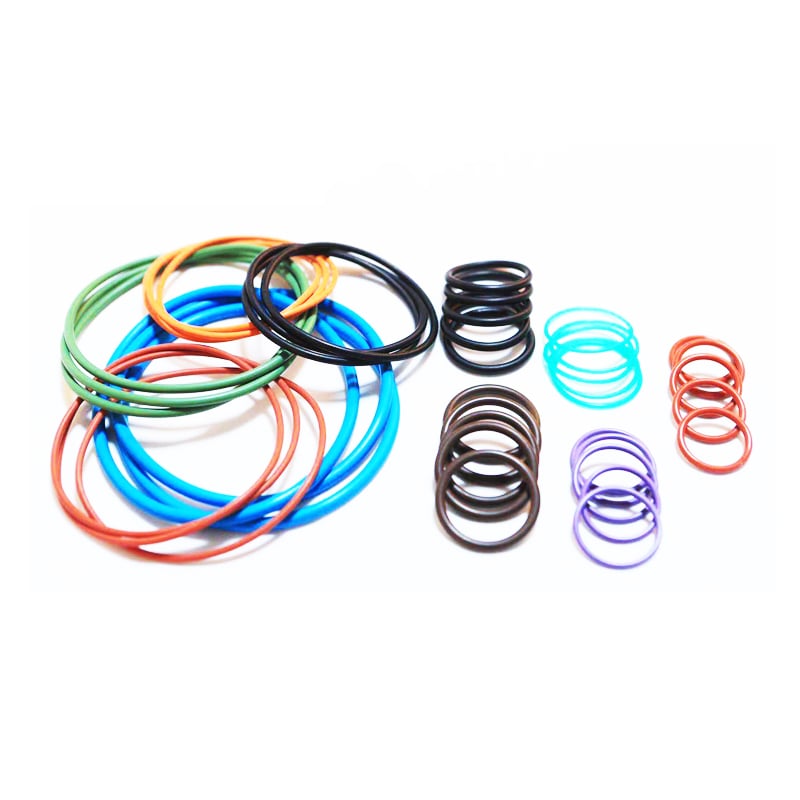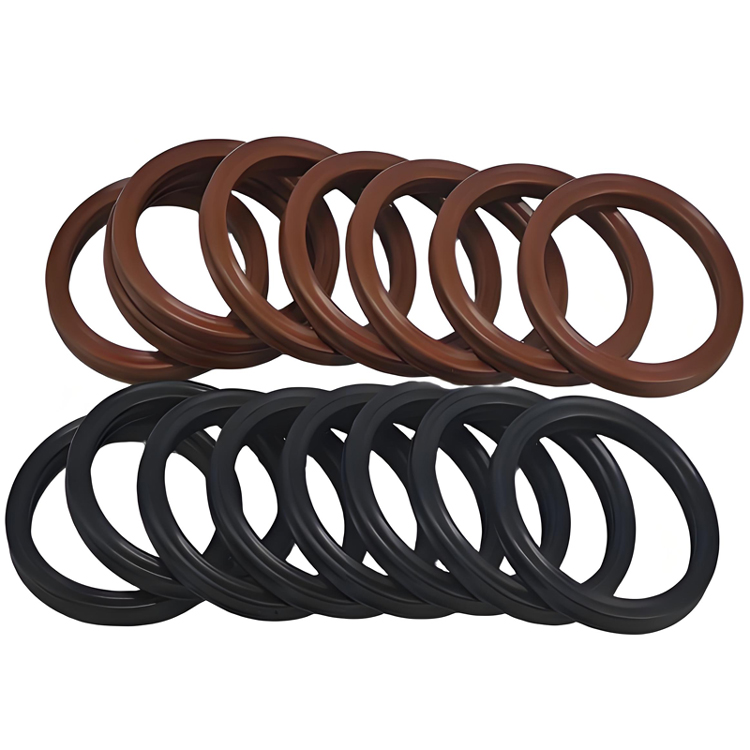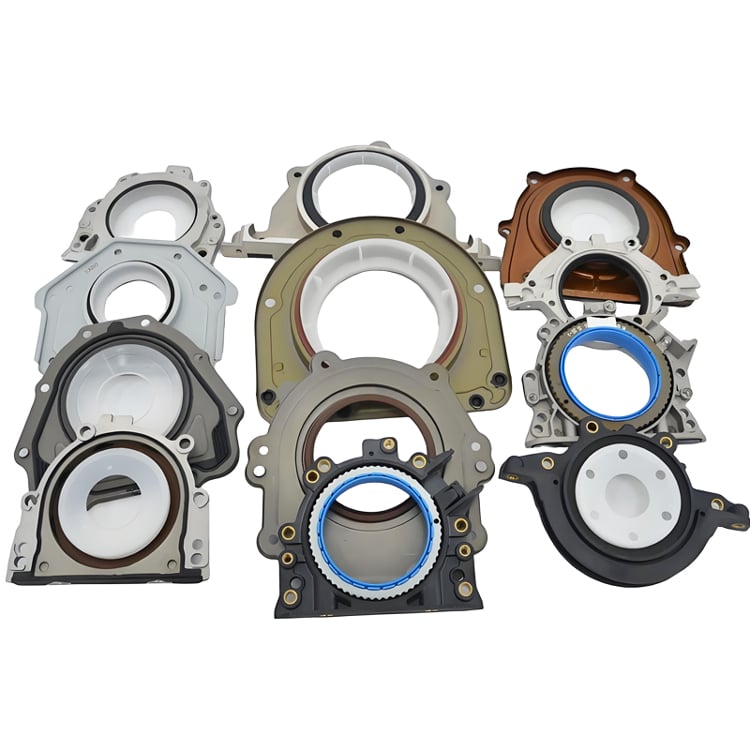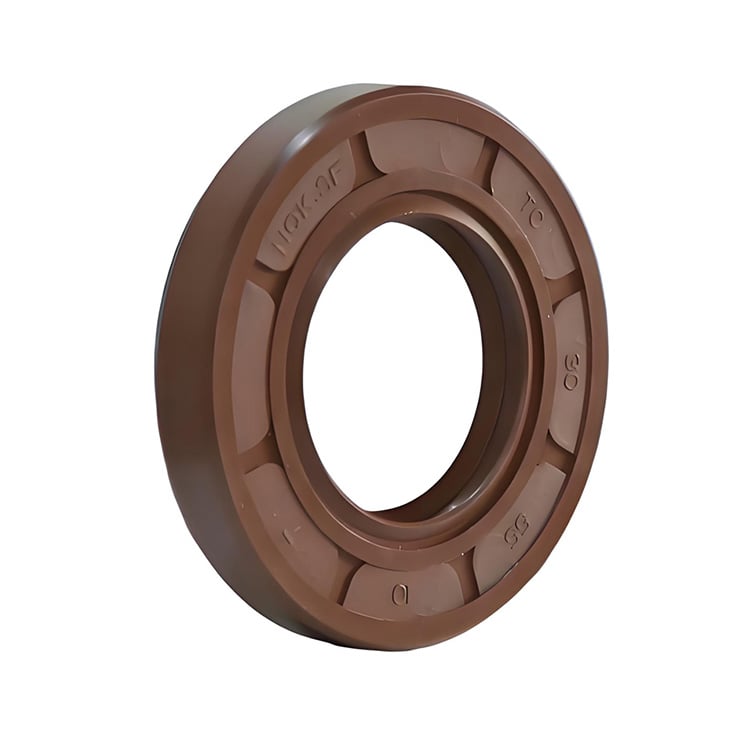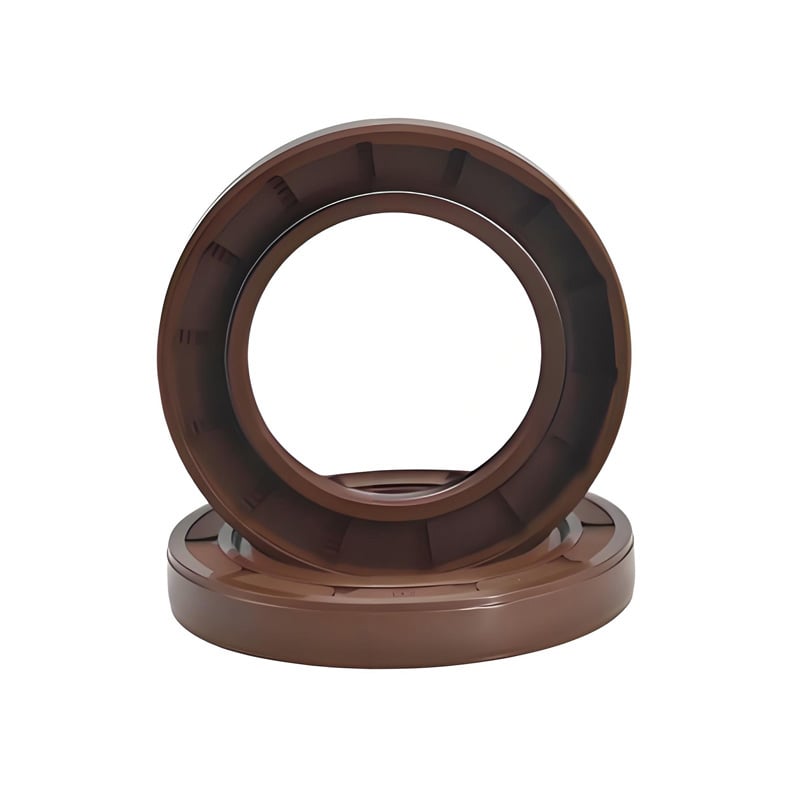

The shelf life of a skeleton oil seal is typically three to five years for NBR (nitrile rubber) materials and five to eight years for FKM (fluororubber) materials. During storage, temperature, humidity, light exposure, and ozone levels must be controlled, and deformation must be avoided. Otherwise, the seal may age prematurely and fail.
These requirements are clearly defined in international standards such as DIN 7716 and ISO 2230.
Why do oil seals have a shelf life?
The core material of a skeleton oil seal is rubber, and rubber naturally undergoes aging over time. This includes oxidation, ozone aging, thermal aging, molecular chain breakage, and loss of elasticity. These changes can cause the seal to harden, crack, or lose flexibility even before it is installed, making it unable to provide proper sealing. In other words, oil seals “age naturally,” which is the fundamental reason they have a shelf life.
What should be considered when storing skeleton oil seals?
According to Shanfeng (Brands under its umbrella include NQKSF) technical standards, the storage of rubber sealing products must follow DIN 7716 and ISO 2230:
Temperature:
Store between 15°C and 25°C.
Humidity:
Relative humidity should be below 70%.
Avoid light and UV exposure:
Ultraviolet radiation accelerates rubber aging.
Avoid ozone environments:
Keep away from high‑voltage electrical equipment and static‑producing devices.
Avoid compression, stretching, or deformation:
Rubber components should retain their original shape.
Keep packaging sealed:
Original packaging protects the seal from air, moisture, and contaminants.
Industry references also note:
Storage temperature should not exceed 25°C.
Oil seals should be stored horizontally to prevent deformation.
Avoid contact with chemicals or solvents.
These conditions collectively determine the shelf life and storage quality of oil seals.
Recommendations
To ensure the oil seal maintains optimal performance when used, the following steps are recommended:
1. Establish an inventory management system
Record production dates, materials, and batch numbers. Use a “first‑in, first‑out” approach.
2. Create a storage environment that meets standards
Maintain temperatures between 15°C and 25°C.
Keep humidity between 40% and 70%.
Avoid light and ozone exposure.
Keep packaging sealed.
3. Inspect stored oil seals regularly
Check for hardening, cracks, or deformation.
The shelf life of a skeleton oil seal is closely related to its storage environment. Only under proper temperature, humidity, and light‑controlled conditions can the rubber maintain stable properties and reliable sealing performance. Whether in factories, repair facilities, or distribution centers, proper storage management is essential to avoid unnecessary losses.
 Hot News
ShanFeng Special Rubber Products Co., Ltd., operating under brand NQKSF since 1990, is a global leader in the sealing industry.
Copyright © 2026 ShanFeng Special Rubber Products Co., Ltd. All rights reserved. Privacy Policy
 EN
EN