
 EN
EN
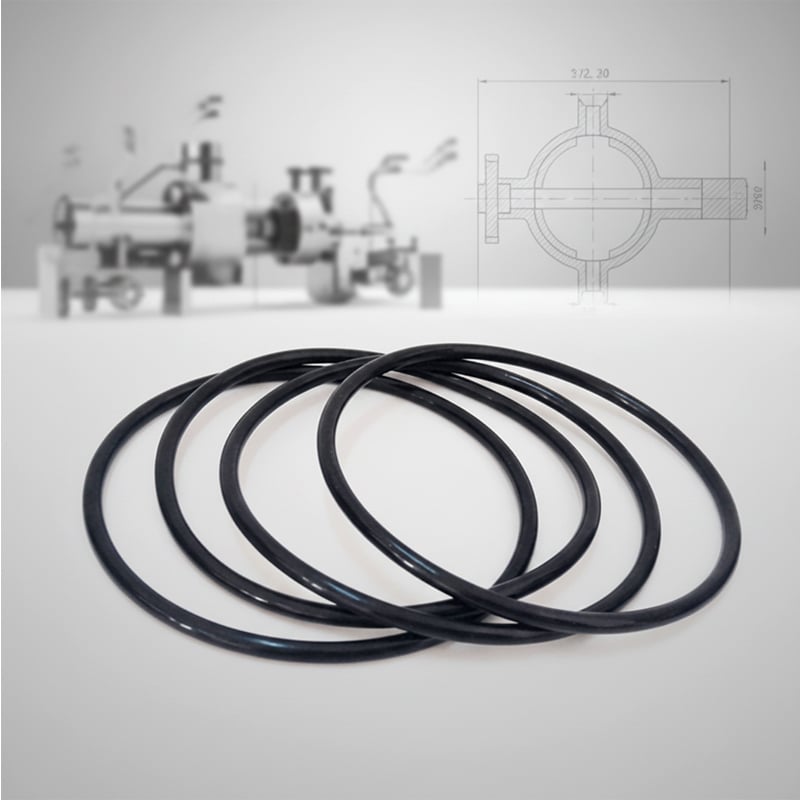
The o ring seal has become the most trusted and versatile sealing solution across countless industries due to its exceptional ability to prevent fluid leakage in both static and dynamic applications. This remarkable sealing component owes its widespread adoption to a unique combination of design simplicity, material flexibility, and proven performance reliability that addresses the fundamental challenges of modern mechanical systems. Understanding why the o ring seal dominates the sealing market requires examining the specific advantages that make it indispensable for engineers and manufacturers worldwide.
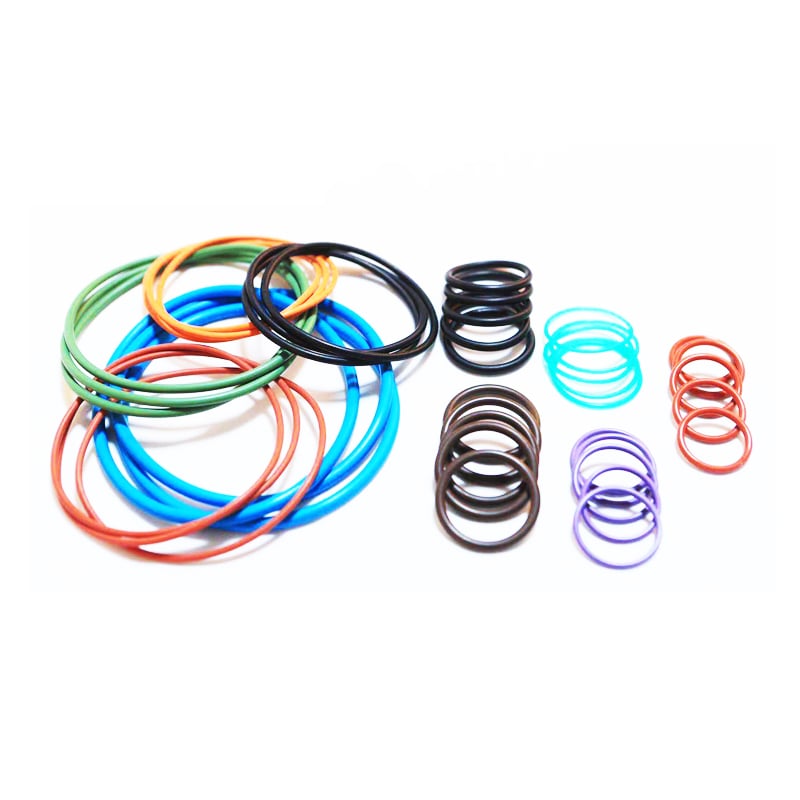
The fundamental reasons behind the extensive use of o ring seal technology stem from its ability to solve complex sealing challenges while maintaining cost-effectiveness and operational simplicity. Unlike other sealing methods that require specialized installation procedures or complex groove geometries, the o ring seal offers a straightforward solution that works effectively across diverse operating conditions. This combination of reliability and practicality has made the o ring seal the preferred choice for applications ranging from hydraulic cylinders to automotive engines, where both static and dynamic sealing requirements must be met with consistent performance.
Design Advantages That Drive O Ring Seal Adoption
Geometric Simplicity and Universal Fit
The circular cross-section design of the o ring seal provides inherent advantages that contribute significantly to its widespread use in sealing applications. This simple yet effective geometry allows the o ring seal to conform naturally to groove walls and sealing surfaces, creating consistent contact pressure around the entire circumference. The uniform stress distribution achieved by this design eliminates the weak points commonly found in other sealing configurations, ensuring reliable performance across the complete sealing interface.
Manufacturing standardization represents another crucial factor in the popularity of the o ring seal, as established industry standards enable consistent sizing and interchangeability across different applications. The standardized groove dimensions and o ring seal specifications allow engineers to select appropriate sealing solutions without extensive custom design work. This standardization reduces inventory requirements, simplifies maintenance procedures, and ensures compatibility across various equipment manufacturers and applications.
Material Versatility and Chemical Compatibility
The availability of numerous elastomer compounds for o ring seal production enables precise matching of material properties to specific application requirements. Different rubber compounds offer varying degrees of chemical resistance, temperature tolerance, and mechanical durability, allowing the o ring seal to perform effectively in diverse operating environments. From basic nitrile rubber for general hydraulic applications to specialized fluorocarbon compounds for aggressive chemical environments, the material options ensure optimal performance characteristics.
Temperature stability across wide operating ranges makes the o ring seal suitable for applications experiencing thermal cycling or extreme temperature conditions. Advanced elastomer formulations maintain sealing integrity from cryogenic temperatures to high-heat environments, while preserving the flexibility necessary for effective sealing. This thermal versatility eliminates the need for alternative sealing methods when equipment operates across varying temperature conditions, simplifying system design and reducing component complexity.
Performance Characteristics in Static Applications
Zero Leakage Capability
In static sealing applications, the o ring seal demonstrates exceptional ability to prevent fluid migration by creating a continuous barrier between pressurized and unpressurized areas. The compression of the o ring seal within its groove generates intimate contact with all sealing surfaces, eliminating microscopic leak paths that could allow fluid passage. This zero-leakage performance proves critical in applications where even minimal fluid loss could cause system failure, environmental contamination, or safety hazards.
The self-energizing characteristic of the o ring seal enhances sealing effectiveness as system pressure increases, making it particularly valuable for high-pressure static applications. Hydraulic pressure acts upon the o ring seal cross-section, forcing it more tightly against the sealing surfaces and improving contact pressure at the critical sealing interfaces. This pressure-activated sealing mechanism ensures that o ring seal performance improves rather than degrades as operating pressures increase, providing confidence in demanding applications.
Long-Term Stability and Reliability
Static installations benefit from the excellent compression set resistance of properly selected o ring seal materials, which maintain sealing force over extended periods without significant deformation. This long-term stability reduces maintenance frequency and ensures consistent sealing performance throughout the equipment service life. The resistance to permanent deformation proves particularly valuable in applications where access for seal replacement is difficult or costly.
Environmental stress resistance allows the o ring seal to maintain integrity when exposed to various chemicals, UV radiation, ozone, and other degrading influences commonly encountered in static applications. The broad selection of elastomer compounds ensures compatibility with specific environmental conditions, while proper material selection prevents premature failure due to chemical attack or environmental degradation. This durability translates to reduced maintenance costs and improved system reliability over extended operating periods.
Dynamic Application Performance Benefits
Low Friction and Wear Characteristics
The smooth surface finish and optimized geometry of the o ring seal minimize friction during dynamic operations, reducing energy consumption and heat generation in moving applications. Unlike some alternative sealing methods that create significant drag forces, the o ring seal maintains relatively low friction coefficients while providing effective sealing. This characteristic proves especially important in hydraulic and pneumatic systems where excessive friction could impact system efficiency or cause premature component wear.
Wear resistance in dynamic applications stems from the ability of the o ring seal to maintain its sealing geometry even under continuous sliding contact with moving surfaces. Modern elastomer compounds incorporate additives that enhance wear resistance while preserving the flexibility necessary for effective sealing. The result is extended service life in dynamic applications where other sealing methods might require frequent replacement due to wear-related failure.
Accommodation of Misalignment and Tolerances
Manufacturing tolerances and component misalignment present significant challenges in dynamic sealing applications, but the flexible nature of the o ring seal allows compensation for these variations while maintaining sealing integrity. The elastomer material naturally accommodates minor surface irregularities, shaft runout, and housing bore variations that could cause seal failure with rigid sealing methods. This tolerance accommodation reduces manufacturing precision requirements and associated costs.
Dynamic motion compensation represents another critical advantage of the o ring seal in applications involving shaft movement, rotation, or reciprocating motion. The elastic properties of the seal material allow accommodation of normal operational movements while maintaining contact with sealing surfaces. This flexibility prevents the formation of leak paths during dynamic operation and ensures consistent sealing performance throughout the complete range of motion.
Economic and Operational Advantages
Cost-Effectiveness Across Applications
The manufacturing efficiency of o ring seal production contributes significantly to its cost-effectiveness compared to alternative sealing solutions. Standardized molding processes and established supply chains enable high-volume production at competitive prices, making the o ring seal an economical choice for both high-volume and specialized applications. The combination of low material costs and efficient manufacturing processes translates to favorable economics for end users.
Installation simplicity reduces labor costs and eliminates the need for specialized tools or training typically required for more complex sealing systems. The straightforward installation process for the o ring seal minimizes assembly time and reduces the potential for installation errors that could compromise sealing performance. This ease of installation proves particularly valuable in field service situations where equipment downtime must be minimized.
Maintenance and Service Benefits
Predictable service life characteristics allow maintenance planning based on operating hours, cycles, or other measurable parameters, enabling proactive replacement before failure occurs. The established performance history of o ring seal technology provides confidence in service life predictions and helps optimize maintenance schedules. This predictability reduces unexpected downtime and allows efficient inventory management for replacement seals.
Availability and standardization ensure that replacement o ring seal components can be sourced quickly from multiple suppliers, reducing inventory requirements and supply chain risks. The widespread adoption of standard sizing and specifications means that compatible seals are readily available from numerous manufacturers worldwide. This availability advantage proves critical for maintaining equipment operation in remote locations or specialized applications.
Engineering Design Flexibility
Compact Installation Requirements
The minimal space requirements for o ring seal installation enable compact equipment designs that would not be possible with bulkier sealing alternatives. The simple groove geometry required for o ring seal installation adds minimal complexity to component machining while providing reliable sealing performance. This space efficiency proves particularly valuable in mobile equipment and applications where weight and size constraints are critical design considerations.
Integration flexibility allows the o ring seal to be incorporated into diverse mechanical designs without significant modifications to existing component geometries. Standard groove dimensions and readily available design guidelines enable engineers to add reliable sealing capability to new designs or retrofit existing equipment with minimal design changes. This adaptability accelerates product development timelines and reduces engineering costs.
Performance Scalability
The o ring seal technology scales effectively from miniature applications in electronic devices to large industrial systems, maintaining consistent sealing principles across different size ranges. This scalability advantage means that engineers can apply proven sealing technology regardless of application size, reducing development risk and ensuring predictable performance. The wide range of available sizes accommodates virtually any sealing requirement without custom development.
Pressure and temperature capability can be optimized through material selection and design modifications while maintaining the fundamental o ring seal configuration. This optimization capability allows the same basic sealing approach to be applied across applications with vastly different operating requirements, from low-pressure pneumatic systems to high-pressure hydraulic applications. The ability to customize performance characteristics without changing the basic design approach simplifies engineering and manufacturing processes.
FAQ
What makes o ring seals more reliable than other sealing methods in both static and dynamic applications?
O ring seals demonstrate superior reliability due to their self-energizing design that increases sealing force as pressure rises, uniform stress distribution around the complete circumference, and proven material formulations that resist compression set and environmental degradation. The simple geometry eliminates stress concentrations and weak points found in more complex sealing designs, while the wide selection of elastomer compounds ensures compatibility with specific application requirements.
How do o ring seals maintain effectiveness across different temperature and pressure ranges?
Modern o ring seal materials are formulated to maintain flexibility and sealing integrity across wide temperature ranges, from cryogenic conditions to high-temperature environments. The elastomer compounds retain their elastic properties under thermal cycling while resisting degradation from temperature extremes. For pressure applications, the o ring seal design actually improves performance as pressure increases, with the fluid pressure forcing the seal more tightly against sealing surfaces.
Why do engineers prefer o ring seals over custom sealing solutions for new equipment designs?
Engineers favor o ring seals because they offer proven performance with standardized dimensions and readily available materials, eliminating the development time and risk associated with custom sealing solutions. The extensive performance database and established design guidelines enable confident application without extensive testing, while the global availability of standard sizes ensures reliable supply chains and simplified inventory management throughout the product lifecycle.
What specific advantages do o ring seals provide in dynamic applications compared to static sealing?
In dynamic applications, o ring seals excel due to their low friction characteristics that minimize energy consumption and heat generation, superior wear resistance that extends service life under sliding contact, and flexibility that accommodates shaft movement and manufacturing tolerances. The elastic properties allow the seal to maintain contact with moving surfaces while compensating for normal operational variations, ensuring consistent sealing performance throughout the complete range of motion.
Table of Contents
- Design Advantages That Drive O Ring Seal Adoption
- Performance Characteristics in Static Applications
- Dynamic Application Performance Benefits
- Economic and Operational Advantages
- Engineering Design Flexibility
-
FAQ
- What makes o ring seals more reliable than other sealing methods in both static and dynamic applications?
- How do o ring seals maintain effectiveness across different temperature and pressure ranges?
- Why do engineers prefer o ring seals over custom sealing solutions for new equipment designs?
- What specific advantages do o ring seals provide in dynamic applications compared to static sealing?