
 EN
EN

Selecting the appropriate hydraulic oil seal for agricultural machinery is a critical decision that directly impacts equipment reliability, maintenance costs, and operational uptime. A hydraulic oil seal serves as a barrier between pressurized fluid and external contaminants, preventing leaks while maintaining system integrity under demanding farm conditions. The wrong choice can lead to fluid loss, equipment damage, and costly downtime during peak harvest seasons. Understanding how to choose the right hydraulic oil seal ensures your machinery operates efficiently and safely across variable weather, temperature, and pressure conditions typical of agricultural applications.
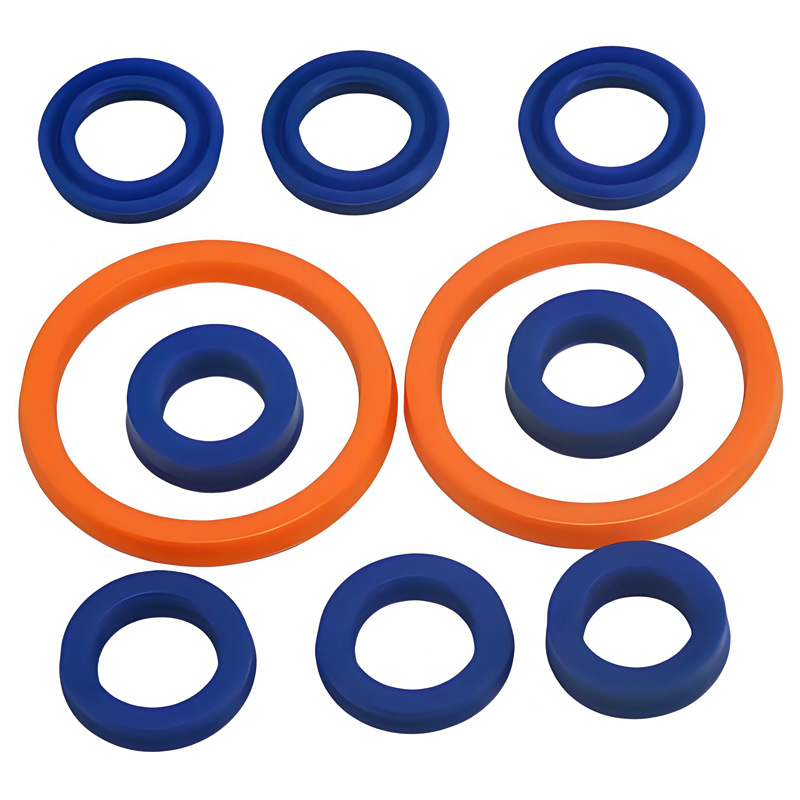
Hydraulic systems in agricultural equipment operate under extreme pressures and temperature fluctuations, making seal selection far more complex than simply matching part numbers. A properly selected hydraulic oil seal balances material compatibility, pressure capacity, temperature tolerance, and environmental exposure. Each factor influences seal lifespan, leak prevention, and maintenance frequency. Farmers and equipment managers who invest time in understanding seal specifications avoid emergency failures, reduce replacement costs, and maximize machinery value throughout its operational life.
Understanding Pressure Ratings and System Requirements
Identifying Your System Pressure Range
Every hydraulic oil seal has a maximum rated pressure specification that must match or exceed your machinery's operating pressure. Agricultural equipment hydraulic systems typically operate between 2,000 and 3,500 PSI, though heavy-duty implements may reach 4,000 PSI or higher. To select the correct hydraulic oil seal, first consult your equipment manual or contact the manufacturer to determine exact system pressure. Installing a hydraulic oil seal rated below your system pressure creates vulnerability to catastrophic failure, leakage, and potential equipment damage. Conversely, specifying a seal rated far above your needs wastes resources and may introduce compatibility issues.
Dynamic versus Static Pressure Conditions
The hydraulic oil seal you choose must accommodate both dynamic conditions, where the seal moves relative to surfaces, and static conditions, where the seal remains stationary. Rod seals on hydraulic cylinders experience constant dynamic motion and require different material properties than port seals that remain static. Agricultural machinery often uses both seal types, so understanding which application each seal serves prevents selection mistakes. A hydraulic oil seal designed for static mounting may extrude or wear prematurely if installed in a dynamic rod position. Always verify whether your replacement seal is intended for dynamic or static duty before purchasing.
Material Compatibility and Temperature Performance
Elastomer Materials and Oil Compatibility
The most common elastomer materials for hydraulic oil seals include nitrile, fluorocarbon, and polyacrylate, each offering different chemical resistance and temperature ranges. Nitrile hydraulic oil seal compounds work well with mineral oil-based hydraulic fluids and withstand temperatures from minus 40 to plus 100 degrees Celsius. Fluorocarbon hydraulic oil seal materials extend temperature capability to plus 200 degrees Celsius and resist synthetic fluids better than nitrile. Agricultural equipment operating in extreme seasons or using specialty hydraulic fluids requires careful material selection to prevent seal degradation, brittleness, or excessive swelling. Checking your hydraulic fluid type against the seal manufacturer's compatibility chart prevents chemical breakdown and ensures reliable long-term performance.
Temperature Fluctuation Impact on Seal Longevity
Farm operations expose hydraulic oil seals to dramatic temperature changes from summer heat, winter cold, and equipment operating cycles. A hydraulic oil seal that performs adequately at moderate temperatures may become brittle in winter or lose elasticity during intense summer work. Material selection must accommodate the full temperature range your equipment will encounter in your region and application. Seals near heated engine components or exposed to direct sunlight degrade faster than those shielded from temperature extremes. Specifying a hydraulic oil seal with temperature ratings exceeding your actual requirements provides margin for safety and extends replacement intervals.
Size, Compatibility, and Installation Considerations
Accurate Measurement and Part Number Verification
A hydraulic oil seal must fit precisely in its mounting cavity to function correctly. Bore diameter, rod diameter, gland depth, and cross-sectional dimensions all influence whether a hydraulic oil seal will seal properly or leak immediately. Many equipment failures stem from installing oversized or undersized seals due to incorrect measurement or misidentified part numbers. Before ordering, measure bore and rod diameters with calipers, consult OEM documentation, or contact seal manufacturers to confirm exact specifications. Using universal seal kits designed for multiple equipment types can introduce wrong-size seals into your system; always purchase seals matched to your specific machinery model and cylinder.
Installation Environment and Contamination Control
Proper installation environment significantly affects how long your hydraulic oil seal will function after replacement. Installing a hydraulic oil seal in a dusty barn or muddy field allows contaminants into the system, damaging the seal and contaminating hydraulic fluid. Clean installation spaces, inspect mating surfaces for corrosion or debris before mounting, and use lint-free cloth to handle seals. A hydraulic oil seal damaged during installation fails prematurely regardless of material quality or correct specifications. Following manufacturer installation guidelines and using proper tools ensures the seal seats correctly and maintains system integrity from day one.
Selection Criteria for Agricultural Applications
Matching Seal Type to Equipment Function
Agricultural machinery includes diverse hydraulic applications, from tractor loader cylinders to combine harvesters to irrigation systems, each requiring specific hydraulic oil seal designs. Rod seals protect moving cylinder rods, piston seals contain pressurized fluid within cylinders, and port seals prevent external leakage from system connections. Identifying which seal type your equipment uses guides selection of the correct product category. Equipment manuals typically specify seal position and type; cross-referencing this information with your hydraulic oil seal supplier prevents ordering incompatible products. Understanding seal function within your application ensures optimal sealing performance and system reliability.
Budget-Conscious Selection without Compromising Performance
While cost considerations matter in agricultural operations, selecting the lowest-priced hydraulic oil seal frequently creates false economy. Inexpensive seals made from inferior materials fail quickly, forcing repeat replacements and accumulating maintenance costs. Mid-range quality hydraulic oil seals from reputable manufacturers typically offer the best value, balancing cost with durability and reliability. Evaluating total ownership cost rather than purchase price alone guides better procurement decisions. A slightly more expensive hydraulic oil seal lasting three times longer reduces downtime, labor costs, and frustration compared to repeatedly replacing cheap alternatives during critical seasons.
FAQ
How often should I replace hydraulic oil seals in agricultural equipment?
Replacement frequency depends on seal quality, operating conditions, and maintenance practices, but most agricultural hydraulic oil seal replacements occur every two to five years. Harsh conditions, contaminated hydraulic fluid, or high operating temperatures accelerate seal wear and necessitate more frequent replacement. Regularly inspecting hoses and cylinders for fluid leaks signals when a hydraulic oil seal is failing and requires attention before catastrophic system failure occurs. Preventative maintenance schedules should include visual leak inspections quarterly or seasonally depending on equipment usage intensity.
Can I use different brands of hydraulic oil seals interchangeably?
While standardized dimensions allow some interchangeability, different manufacturers may use varying material formulations and quality standards that affect performance. A quality-brand hydraulic oil seal may outlast a budget alternative by several years despite identical size specifications. Mixing brands within the same system can introduce subtle incompatibilities, though most modern seals are designed to work with standard hydraulic fluids. For best results, try to use the same manufacturer's hydraulic oil seal products throughout your equipment fleet to ensure consistency and simplify inventory management.
What signs indicate a hydraulic oil seal is failing?
Visible hydraulic fluid leaking around cylinder rods, ports, or hose connections is the most obvious sign that a hydraulic oil seal needs replacement. Declining pressure readings, slower equipment response, or decreased cylinder force can also indicate seal deterioration allowing internal leakage. Discolored or burnt-smelling hydraulic fluid may signal that a failing hydraulic oil seal allowed water or contamination into the system. Acting promptly when these signs appear prevents secondary damage to pumps, motors, and other expensive components that depend on seal integrity.