
 EN
EN
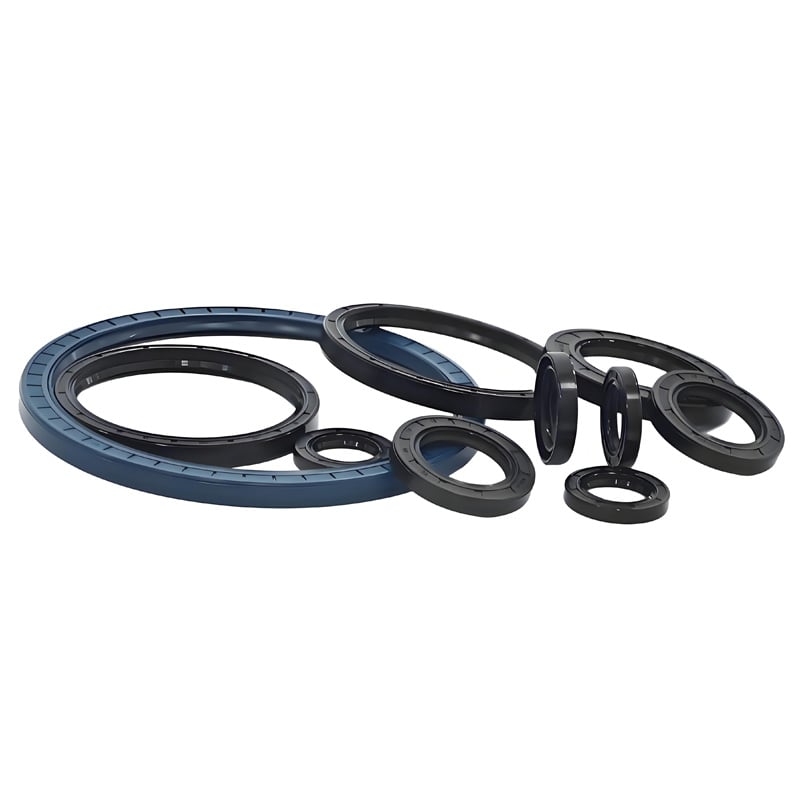
Understanding the material composition of a high pressure oil seal is fundamental to ensuring optimal performance in demanding hydraulic and industrial applications. The selection of appropriate materials directly determines the seal's ability to withstand extreme pressures, resist chemical degradation, and maintain reliable sealing integrity over extended operational periods. Modern industrial systems operating at pressures exceeding 1000 psi require carefully engineered materials that can handle both the mechanical stress and environmental challenges inherent in high-pressure environments.
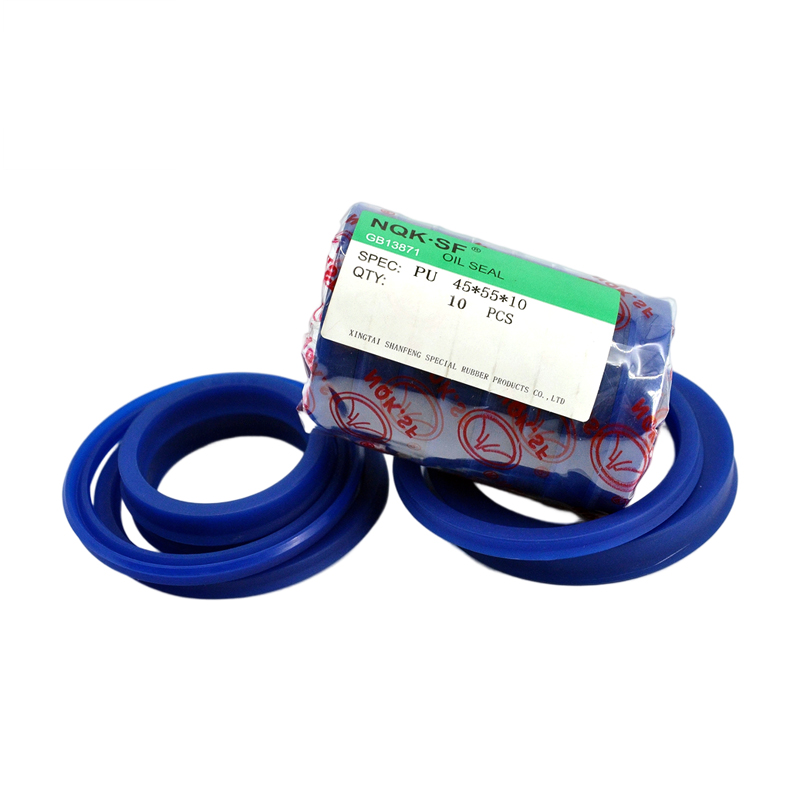
The material foundation of any effective high pressure oil seal encompasses multiple critical properties including tensile strength, chemical resistance, temperature stability, and dimensional integrity under load. These materials must work in harmony to create a sealing solution capable of preventing fluid leakage while maintaining structural stability throughout countless pressure cycles. The choice of seal materials becomes even more critical when considering the long-term operational costs and potential consequences of seal failure in high-pressure hydraulic systems.
Primary Elastomeric Materials for High Pressure Applications
Polyurethane (PU) - The High Performance Standard
Polyurethane stands as the premier material choice for manufacturing reliable high pressure oil seals due to its exceptional mechanical properties and chemical resistance. This thermoplastic elastomer exhibits superior tensile strength, often exceeding 7000 psi, which allows it to maintain structural integrity under extreme hydraulic pressures. The material's inherent toughness and resistance to extrusion make it particularly suitable for applications where seal deformation under pressure could compromise system performance.
The chemical composition of polyurethane provides excellent resistance to hydraulic oils, synthetic lubricants, and petroleum-based fluids commonly found in high-pressure systems. Its low compression set characteristics ensure that the high pressure oil seal maintains consistent sealing force throughout its operational life, preventing the gradual loss of sealing effectiveness that can occur with inferior materials. Additionally, polyurethane's ability to function effectively across a wide temperature range, typically from -40°F to 200°F, makes it versatile for various industrial environments.
Nitrile (NBR) - Proven Petroleum Resistance
Nitrile rubber remains a cornerstone material for high pressure oil seal applications, particularly where petroleum-based fluids are the primary sealing medium. The acrylonitrile content in NBR formulations can be tailored to optimize oil resistance while maintaining the necessary mechanical properties for high-pressure service. Standard NBR compounds typically contain 18-50% acrylonitrile, with higher concentrations providing enhanced fuel and oil resistance at the expense of low-temperature flexibility.
The cross-linked structure of nitrile rubber provides excellent resistance to permanent deformation under sustained pressure loads. This characteristic is essential for maintaining the precise dimensional tolerances required in high pressure oil seal applications where even minor changes in seal geometry can result in leakage or system failure. Modern NBR formulations incorporate various additives and plasticizers to enhance specific properties such as heat resistance, ozone resistance, and low-temperature performance.
PTFE and PTFE Compounds - Chemical Inertness at Pressure
Polytetrafluoroethylene (PTFE) and its filled compounds offer unparalleled chemical resistance for high pressure oil seal applications involving aggressive fluids or extreme temperature conditions. Pure PTFE exhibits virtually universal chemical resistance, maintaining its properties when exposed to acids, bases, solvents, and exotic hydraulic fluids that would degrade conventional elastomers. This chemical inertness makes PTFE-based seals essential for specialized high-pressure applications in chemical processing and aerospace industries.
The incorporation of fillers such as glass fibers, carbon, or bronze into PTFE compounds significantly improves the material's mechanical properties while retaining its chemical resistance. These filled PTFE materials demonstrate enhanced wear resistance, reduced cold flow, and improved dimensional stability under pressure. The low friction characteristics of PTFE compounds also contribute to reduced seal wear and improved system efficiency in dynamic high pressure oil seal applications.
Critical Material Properties for Pressure Resistance
Tensile Strength and Modulus Requirements
The tensile strength of materials used in high pressure oil seal construction must exceed the hoop stresses generated by system pressure to prevent seal rupture. Modern high-pressure seals typically require materials with tensile strengths exceeding 3000 psi, with premium applications demanding materials capable of withstanding 7000 psi or higher. The modulus of elasticity directly influences the seal's resistance to extrusion through clearance gaps under pressure, making this property critical for maintaining seal geometry and preventing failure.
Material selection must also consider the stress-strain characteristics under cyclic loading conditions typical in hydraulic systems. The ability of the seal material to recover its original dimensions after pressure cycling prevents the gradual degradation of sealing effectiveness that can occur with materials exhibiting poor elastic recovery. Advanced elastomeric compounds used in high pressure oil seal applications are specifically formulated to minimize permanent set and maintain consistent mechanical properties throughout millions of pressure cycles.
Tear Resistance and Fracture Toughness
Tear resistance becomes paramount in high pressure oil seal applications where installation stresses or operational conditions may introduce stress concentrations in the seal material. Materials with high tear strength resist crack propagation, preventing catastrophic seal failure that could result from minor surface imperfections or installation damage. The fracture toughness of seal materials determines their ability to withstand sharp pressure transients and shock loads without developing critical defects.
The molecular structure and cross-linking density of elastomeric materials directly influence their tear resistance properties. Polyurethane formulations typically exhibit superior tear resistance compared to conventional rubber compounds, making them preferred for critical high pressure oil seal applications. The incorporation of reinforcing fillers and optimized vulcanization systems further enhances tear resistance while maintaining the flexibility necessary for effective sealing under dynamic conditions.
Temperature Stability and Thermal Properties
High Temperature Performance Requirements
Temperature stability represents a crucial factor in material selection for high pressure oil seal applications, as elevated temperatures accelerate chemical degradation and reduce mechanical properties. High-pressure hydraulic systems often generate significant heat through fluid compression and friction, creating operating temperatures that can exceed 200°F in demanding applications. Seal materials must maintain their mechanical integrity and chemical resistance throughout the expected temperature range to ensure reliable long-term performance.
The thermal oxidation resistance of seal materials becomes particularly important in high-temperature, high-pressure environments where oxygen exposure can accelerate material degradation. Advanced elastomeric compounds incorporate antioxidants and thermal stabilizers to extend service life under elevated temperature conditions. The glass transition temperature of the base polymer influences the material's flexibility and sealing effectiveness at low temperatures, while thermal expansion characteristics affect dimensional stability across the operating temperature range.
Low Temperature Flexibility and Brittleness
Maintaining sealing effectiveness at low temperatures requires high pressure oil seal materials that retain flexibility and conformability under cold conditions. The brittle point temperature represents the lower limit of useful operation for elastomeric materials, below which the seal may crack or lose its ability to maintain contact with mating surfaces. Material formulations must balance low-temperature flexibility with the mechanical strength required for high-pressure service.
Plasticizer selection plays a critical role in optimizing low-temperature performance without compromising other essential properties. Modern synthetic elastomers can be formulated to maintain acceptable flexibility at temperatures as low as -65°F while retaining the mechanical properties necessary for high pressure oil seal applications. The compression set resistance at low temperatures ensures that the seal maintains its sealing force even after extended exposure to cold conditions.
Chemical Compatibility and Fluid Resistance
Hydrocarbon Fluid Resistance
The chemical compatibility of high pressure oil seal materials with hydraulic fluids determines both seal performance and service life. Petroleum-based hydraulic oils, synthetic esters, phosphate esters, and water-glycol fluids each present different challenges for seal material compatibility. The swell characteristics of elastomeric materials when exposed to various fluids must be carefully controlled to maintain proper sealing contact without creating excessive friction or seal binding.
Modern hydraulic fluids often contain additives such as anti-wear agents, antioxidants, and viscosity modifiers that can affect seal material performance. The long-term extraction of plasticizers and other seal components by hydraulic fluids can lead to hardening and eventual seal failure. Material selection must consider not only the base fluid compatibility but also the potential interactions with fluid additives commonly used in high-pressure hydraulic systems. Advanced high pressure oil seal materials are specifically formulated to minimize adverse reactions with modern fluid formulations.
Additive and Contamination Resistance
Industrial hydraulic systems frequently encounter various contaminants that can affect high pressure oil seal performance and longevity. Particulate contamination can cause seal wear and surface damage, while chemical contaminants may accelerate material degradation or cause swelling that affects seal performance. The resistance of seal materials to common contaminants such as water, dirt, and metal particles influences the practical service life in real-world applications.
The absorption of water by seal materials can lead to dimensional changes, reduced mechanical properties, and accelerated aging in high-pressure environments. Hydrolysis resistance becomes particularly important for polyurethane and other materials that may be susceptible to water-induced degradation. Modern high pressure oil seal formulations incorporate hydrolysis inhibitors and moisture barriers to minimize water absorption and extend service life in contaminated environments.
FAQ
What is the most important material property for high pressure oil seal reliability?
Tensile strength represents the most critical material property for high pressure oil seal reliability, as it directly determines the seal's ability to withstand system pressure without rupturing. Materials with tensile strengths exceeding 3000 psi are generally required for high-pressure applications, though demanding applications may require strengths of 7000 psi or higher to provide adequate safety margins against pressure spikes and fatigue failure.
How does temperature affect high pressure oil seal material performance?
Temperature significantly impacts high pressure oil seal material performance by affecting mechanical properties, chemical resistance, and dimensional stability. Elevated temperatures accelerate chemical degradation and reduce tensile strength, while low temperatures can cause brittleness and loss of sealing effectiveness. Material selection must consider the full operating temperature range to ensure reliable performance throughout the seal's service life.
Can polyurethane seals handle both high pressure and aggressive chemicals?
Polyurethane high pressure oil seals offer excellent mechanical properties for high-pressure service and good resistance to petroleum-based fluids, but their chemical resistance varies significantly with the specific polyurethane formulation. While standard polyurethane provides adequate resistance to hydraulic oils and many industrial fluids, specialized formulations or alternative materials like PTFE may be required for applications involving aggressive chemicals or extreme temperature conditions.
What causes premature failure in high pressure oil seal materials?
Premature failure in high pressure oil seal materials typically results from inadequate material selection for the specific application conditions, installation damage, or exposure to conditions exceeding the material's design limits. Common failure modes include extrusion due to excessive clearances, chemical degradation from incompatible fluids, thermal degradation from elevated temperatures, or mechanical failure from pressure spikes exceeding the material's tensile strength. Proper material selection and installation procedures are essential for achieving design service life.