
 EN
EN
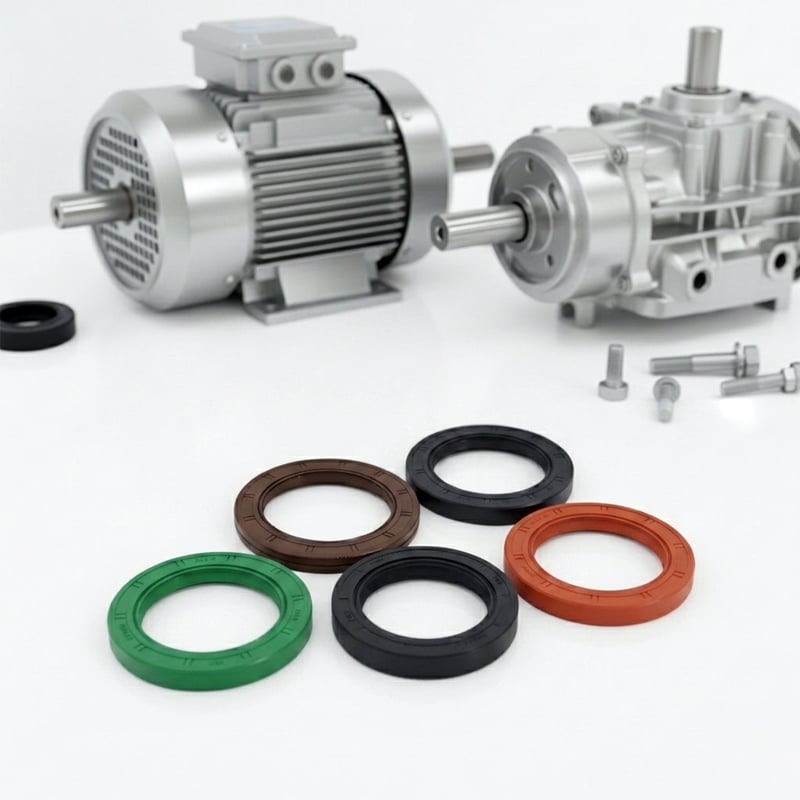
Preventing hardening and cracking in an aging rubber oil seal requires understanding the fundamental degradation processes that affect these critical sealing components over time. As rubber oil seals age, they undergo chemical and physical changes that compromise their elasticity, sealing capability, and overall performance in industrial applications. The deterioration manifests through surface cracking, material hardening, and loss of flexibility, ultimately leading to seal failure and potential equipment damage if not addressed proactively.

Effective prevention strategies combine proper material selection, environmental control, maintenance protocols, and operational adjustments to extend the service life of rubber oil seals. Understanding the specific mechanisms behind rubber degradation enables industrial professionals to implement targeted solutions that address root causes rather than merely treating symptoms. This comprehensive approach to seal preservation involves monitoring temperature conditions, controlling chemical exposure, implementing proper lubrication practices, and establishing regular inspection schedules.
Understanding Rubber Degradation Mechanisms
Chemical Aging Processes
Chemical aging represents the primary cause of hardening and cracking in rubber oil seal applications across industrial environments. Oxidation reactions occur when rubber compounds interact with atmospheric oxygen at elevated temperatures, creating cross-links that increase material stiffness and reduce elasticity. These chemical changes begin immediately upon installation but accelerate significantly under high-temperature conditions commonly found in machinery applications.
The oxidation process affects different rubber compounds at varying rates, with natural rubber and basic synthetic formulations showing greater susceptibility than specialized heat-resistant compounds. Ozone exposure compounds these effects by creating surface cracks that propagate through the rubber oil seal material, particularly in dynamic sealing applications where mechanical stress concentrates at crack initiation points.
Chemical compatibility issues arise when rubber oil seal materials contact incompatible fluids or cleaning agents, causing swelling, softening, or chemical breakdown that compromises seal integrity. Understanding the specific chemicals present in your operating environment enables selection of appropriate rubber compounds and implementation of protective measures to minimize degradation rates.
Physical Stress Factors
Physical stress factors contribute significantly to rubber oil seal degradation through mechanical fatigue, compression set, and thermal cycling effects. Repeated compression and relaxation cycles create internal stress concentrations that initiate crack formation, particularly at sharp edges or areas of geometric complexity in the seal design. These mechanical stresses accelerate when combined with chemical aging effects.
Thermal cycling generates expansion and contraction forces that stress the rubber oil seal material beyond its elastic limits, creating permanent deformation and reduced sealing effectiveness. Wide temperature variations common in industrial applications exacerbate these effects by forcing the rubber through multiple phase transitions that compromise molecular structure.
Installation stresses from improper mounting, excessive compression, or surface irregularities create localized high-stress zones that serve as failure initiation points. Proper installation techniques and surface preparation significantly reduce these stress concentrations and extend seal service life.
Temperature Control Strategies
Heat Management Techniques
Effective heat management represents the most critical factor in preventing rubber oil seal hardening and cracking, as elevated temperatures accelerate all degradation mechanisms exponentially. Temperature control strategies must address both steady-state operating temperatures and thermal transients that create additional stress on sealing materials. Implementing proper cooling systems, heat shields, and thermal barriers protects rubber oil seal components from excessive heat exposure.
Active cooling systems using air or liquid circulation help maintain operating temperatures within acceptable ranges for rubber oil seal applications. Positioning cooling fans strategically around sealing areas provides localized temperature reduction that significantly extends seal life. Heat exchangers integrated into equipment design remove excess thermal energy before it reaches critical sealing interfaces.
Passive thermal management through insulation materials and reflective barriers prevents external heat sources from affecting rubber oil seal performance. Proper insulation design must balance thermal protection with accessibility for maintenance and inspection activities. Material selection for thermal barriers should consider both thermal performance and chemical compatibility with operating environments.
Temperature Monitoring Systems
Implementing comprehensive temperature monitoring systems enables proactive management of thermal conditions affecting rubber oil seal longevity. Temperature sensors positioned near critical sealing areas provide real-time feedback for automated cooling system control and early warning of overheating conditions. Data logging capabilities track temperature trends over time, revealing gradual increases that indicate developing problems.
Infrared thermography provides non-contact temperature measurement for rotating equipment where direct sensor placement proves impractical. Regular thermal imaging surveys identify hot spots and temperature distribution patterns that affect rubber oil seal performance. Thermal cameras integrated into condition monitoring systems enable continuous surveillance of critical sealing applications.
Alert systems trigger automated responses when temperatures exceed predetermined thresholds, protecting rubber oil seal installations from thermal damage. Integration with equipment control systems enables automatic load reduction, cooling system activation, or equipment shutdown when thermal limits are approached. Historical temperature data supports preventive maintenance planning and seal replacement scheduling.
Chemical Protection Methods
Fluid Compatibility Assessment
Proper fluid compatibility assessment forms the foundation of effective chemical protection for rubber oil seal applications, requiring detailed analysis of all fluids that contact sealing surfaces during normal operation and maintenance activities. Chemical compatibility testing evaluates how specific rubber compounds react to various oils, solvents, cleaning agents, and process fluids over extended exposure periods. This testing reveals swelling rates, hardness changes, and tensile strength degradation that predict long-term seal performance.
Comprehensive compatibility matrices document the suitability of different rubber oil seal materials for specific chemical environments, enabling informed material selection decisions. These matrices must account for temperature effects, as chemical compatibility often changes significantly with operating temperature. Regular updates to compatibility data ensure decisions reflect current fluid formulations and operating conditions.
Field testing programs validate laboratory compatibility results under actual operating conditions, accounting for factors like fluid contamination, temperature cycling, and mechanical stress that laboratory tests may not fully replicate. Extended field trials with different rubber oil seal compounds provide valuable performance data for critical applications where seal failure carries high consequences.
Contamination Control Strategies
Effective contamination control strategies protect rubber oil seal materials from chemical exposure that accelerates aging and degradation processes. Filtration systems remove particulate contamination that creates abrasive wear and provides nucleation sites for crack initiation. Multi-stage filtration approaches combine coarse, fine, and ultra-fine filtration to address different contamination types affecting seal performance.
Fluid conditioning systems maintain proper chemical composition and remove degradation products that attack rubber oil seal materials. Water removal systems prevent hydrolysis reactions that weaken rubber compounds, while oxidation inhibitors minimize chemical aging effects. Regular fluid analysis monitoring ensures maintained fluid quality and early detection of contamination issues.
Barrier systems and protective coatings shield rubber oil seal surfaces from direct contact with aggressive chemicals when complete avoidance proves impractical. Chemical-resistant coatings applied to seal surfaces provide temporary protection during maintenance activities or emergency chemical exposure situations. Secondary sealing systems create buffer zones that reduce chemical concentration reaching primary rubber oil seal interfaces.
Maintenance and Monitoring Protocols
Inspection Scheduling and Techniques
Establishing systematic inspection schedules enables early detection of rubber oil seal degradation before critical failure occurs, maximizing equipment availability while preventing costly unplanned downtime. Inspection frequency depends on operating severity, environmental conditions, and criticality of the sealed application. High-temperature, high-pressure applications require more frequent inspection than moderate-duty installations.
Visual inspection techniques identify surface cracking, hardening, swelling, and extrusion that indicate developing problems with rubber oil seal performance. Magnification aids reveal early-stage surface degradation not visible to naked-eye inspection. Tactile assessment using durometer measurements quantifies hardness changes that indicate chemical or thermal degradation of seal materials.
Advanced inspection methods including ultrasonic testing and microscopic examination provide detailed analysis of rubber oil seal condition for critical applications. These techniques detect internal defects, measure material property changes, and predict remaining service life based on degradation progression rates. Documentation systems track inspection results over time to identify trends and optimize replacement schedules.
Preventive Replacement Strategies
Implementing preventive replacement strategies based on service life data prevents catastrophic rubber oil seal failures while optimizing maintenance costs and equipment reliability. Statistical analysis of seal performance history establishes reliable replacement intervals for different operating conditions and seal types. Conservative replacement schedules account for variability in manufacturing quality and operating conditions.
Condition-based replacement decisions use inspection data and performance monitoring to determine optimal replacement timing for individual rubber oil seal installations. This approach maximizes seal utilization while maintaining safety margins against unexpected failure. Integration with computerized maintenance management systems automates scheduling and ensures timely replacement execution.
Inventory management strategies ensure availability of appropriate rubber oil seal replacements when needed, while minimizing storage costs and shelf-life degradation of spare parts. Proper storage conditions maintain seal quality during extended storage periods, preventing premature aging that reduces service life after installation. Rotation systems ensure oldest inventory gets used first, minimizing waste from shelf-life expiration.
FAQ
What are the first signs that a rubber oil seal is beginning to harden and crack?
The earliest signs of rubber oil seal degradation include surface glazing where the material develops a shiny appearance, slight hardening detectable through touch, and the appearance of hairline cracks around high-stress areas like the lip contact zone. Visual inspection may reveal color changes from the original black to brown or gray, indicating chemical aging. Tactile assessment often reveals increased stiffness compared to new seals, and the material may feel less pliable when gently flexed. Performance indicators include slight increases in leakage rates, changes in operating friction, or unusual wear patterns on mating surfaces.
How does temperature affect the aging rate of rubber oil seals?
Temperature dramatically accelerates rubber oil seal aging through the Arrhenius relationship, where degradation rates approximately double for every 10°C temperature increase above normal operating ranges. At temperatures exceeding 150°C, most standard rubber compounds begin rapid chemical breakdown within months rather than years. High temperatures accelerate oxidation reactions, cross-linking processes, and volatile component loss that cause hardening and cracking. Thermal cycling between high and low temperatures creates additional stress through expansion and contraction cycles that fatigue the material. Maintaining temperatures below 100°C significantly extends seal life compared to higher temperature operation.
Can hardened rubber oil seals be restored or must they be replaced?
Hardened rubber oil seals cannot be effectively restored to their original properties and must be replaced once significant hardening occurs. Chemical aging processes that cause hardening create permanent molecular changes including cross-linking and oxidation that cannot be reversed through treatment or conditioning. Attempts to soften hardened seals using chemicals or heat typically compromise the material further and create unpredictable performance. Some temporary improvement might be possible through careful cleaning and proper lubrication, but this only delays inevitable replacement. Professional assessment of seal condition determines whether immediate replacement is necessary or if short-term operation remains acceptable until scheduled maintenance.
What rubber compounds offer the best resistance to hardening and cracking?
Fluorocarbon (FKM) rubber compounds provide superior resistance to hardening and cracking compared to standard nitrile or natural rubber formulations, maintaining flexibility and sealing capability at temperatures up to 200°C for extended periods. Silicone rubber offers excellent low-temperature flexibility and moderate high-temperature resistance but may have limited chemical compatibility. Specialized heat-resistant nitrile compounds with antioxidant packages provide good performance for moderate-temperature applications at lower cost than fluorocarbon materials. PTFE-encapsulated rubber seals combine chemical resistance with mechanical durability for severe service conditions. Material selection depends on specific temperature ranges, chemical exposure, and performance requirements of the application.