
 EN
EN
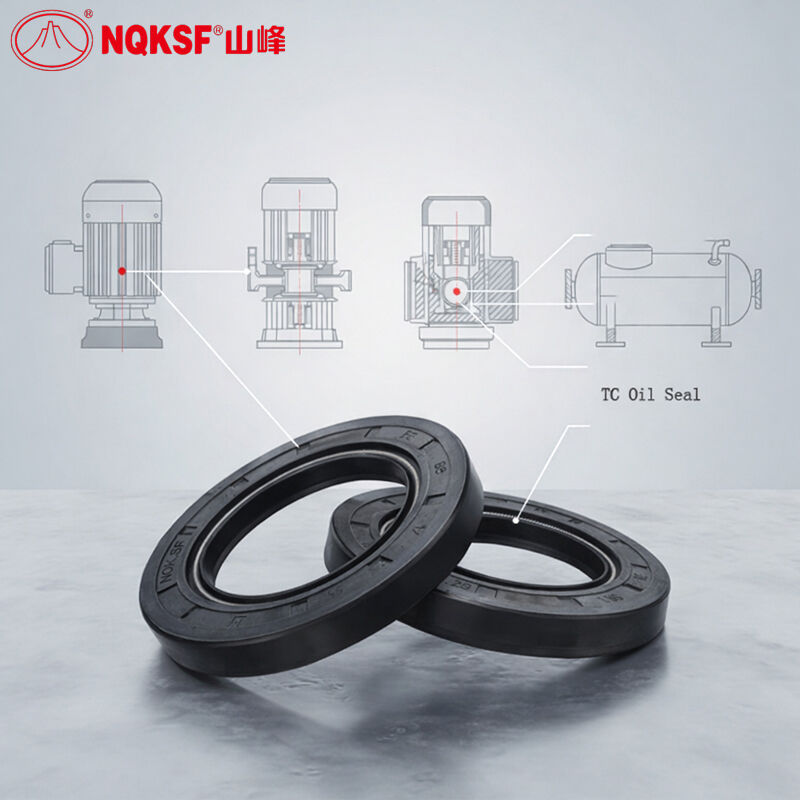
Understanding the differences between TC oil seals and other seal types is crucial for engineers and maintenance professionals selecting the right sealing solution for their applications. TC oil seals, also known as rotary shaft seals or lip seals, represent one of the most widely used sealing technologies in industrial machinery, automotive applications, and hydraulic systems. Their unique design characteristics and performance capabilities distinguish them from alternative sealing methods in several key areas including installation requirements, operating conditions, and cost considerations.
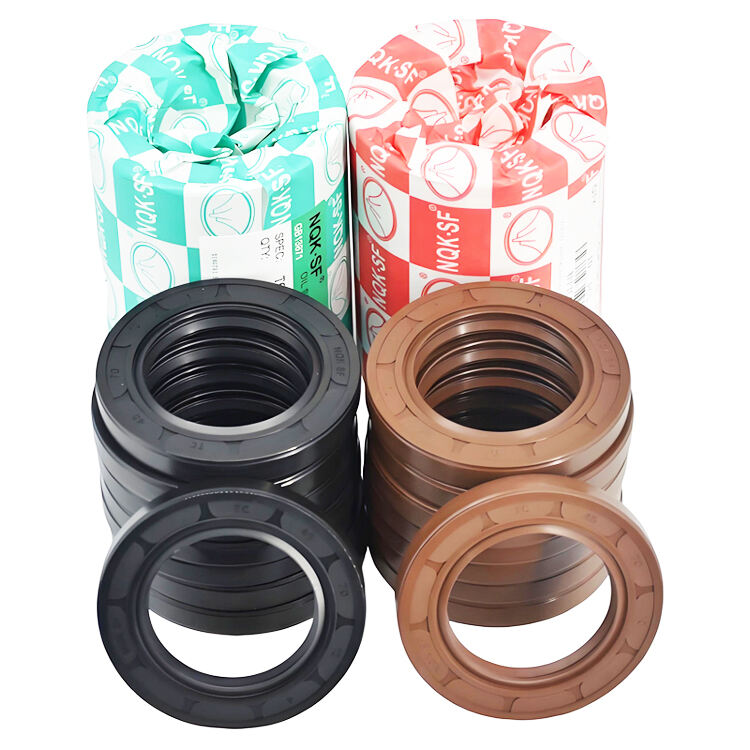
The comparison between TC oil seals and other seal types involves evaluating multiple performance factors that directly impact system reliability, maintenance requirements, and operational costs. While TC oil seals excel in specific applications due to their contact sealing mechanism and proven durability, understanding their limitations compared to non-contact seals, mechanical seals, and other sealing technologies helps engineers make informed decisions that optimize equipment performance and minimize unexpected downtime.
Design Architecture and Operating Principles
TC Oil Seal Construction Features
The tc oil seal design incorporates a flexible lip that maintains contact with the rotating shaft through spring tension and interference fit pressure. This contact sealing mechanism creates an effective barrier against fluid leakage while accommodating shaft runout and surface irregularities. The seal housing typically features a metal case that provides structural integrity and heat dissipation, while the sealing lip material varies based on application requirements ranging from nitrile rubber for standard applications to fluoroelastomers for high-temperature or chemical-resistant applications.
The sealing lip geometry in tc oil seal designs includes specific contact angles and surface finishes that optimize sealing performance while minimizing friction and wear. Advanced tc oil seal variants incorporate dust lips, drainage features, and specialized lip profiles that enhance performance in contaminated environments or applications with bidirectional rotation requirements.
Alternative Seal Type Operating Mechanisms
Mechanical seals operate on fundamentally different principles compared to tc oil seal technology, utilizing face-to-face contact between precision-machined sealing surfaces rather than lip-to-shaft contact. This design approach typically involves a rotating seal face mounted on the shaft that maintains contact with a stationary seal face in the housing, creating a sealing interface perpendicular to the shaft axis rather than parallel like tc oil seal applications.
Labyrinth seals and magnetic seals represent non-contact alternatives that eliminate physical contact between sealing components and rotating shafts. These technologies rely on tortuous flow paths, magnetic forces, or centrifugal effects to prevent fluid migration, offering advantages in applications where tc oil seal friction or wear limitations become problematic.
Performance Characteristics and Operating Conditions
Pressure and Temperature Capabilities
TC oil seal pressure handling capabilities typically range from vacuum conditions to moderate pressures around 2-5 bar, depending on seal design and lip configuration. Higher pressure applications often require specialized tc oil seal designs with enhanced spring systems or stepped lip profiles that distribute contact forces more effectively. Temperature performance varies significantly based on elastomer selection, with standard nitrile tc oil seal applications operating between -40°C to 120°C, while specialized fluorocarbon versions extend operating ranges to 200°C or higher.
Mechanical seals generally offer superior pressure handling capabilities compared to tc oil seal technology, with many designs capable of operating at pressures exceeding 100 bar while maintaining reliable sealing performance. Temperature capabilities of mechanical seals often surpass tc oil seal limitations due to the use of hard-face materials like silicon carbide or tungsten carbide that maintain dimensional stability and sealing effectiveness at elevated temperatures.
Speed and Friction Considerations
The contact nature of tc oil seal operation creates inherent friction that increases with shaft speed, potentially limiting maximum operating velocities compared to non-contact sealing alternatives. Standard tc oil seal designs typically operate effectively at surface speeds up to 15-20 m/s, though specialized low-friction designs can extend this range through optimized lip geometry and advanced lubricant management features.
Non-contact sealing technologies like labyrinth seals or magnetic seals eliminate friction-related speed limitations entirely, enabling operation at extremely high rotational velocities without the heat generation or wear concerns associated with tc oil seal contact mechanisms. However, these alternatives often sacrifice sealing effectiveness, particularly in applications requiring zero leakage or operation with low-viscosity fluids.
Installation and Maintenance Requirements
Installation Complexity and Precision Requirements
TC oil seal installation procedures are generally straightforward, requiring basic tools and moderate precision in housing bore preparation and seal positioning. The flexible nature of tc oil seal lips accommodates reasonable shaft surface variations and installation tolerances, making them suitable for field installation and maintenance scenarios where specialized tooling or precision alignment equipment may not be readily available.
Mechanical seal installation typically demands higher precision and specialized knowledge compared to tc oil seal procedures. Proper mechanical seal installation requires precise shaft positioning, accurate face alignment, and careful attention to spring compression and seal face loading to achieve optimal performance. Many mechanical seal designs also require specific installation tools and procedures that increase complexity and potential installation errors.
Maintenance Intervals and Service Life
Service life expectations for tc oil seal applications vary widely based on operating conditions, with typical installations achieving 2,000 to 10,000 operating hours before replacement becomes necessary due to lip wear or elastomer degradation. Predictive maintenance approaches can extend tc oil seal service intervals by monitoring seal performance indicators like temperature, vibration, or minor leakage that signal approaching end-of-life conditions.
Mechanical seals often provide longer service intervals compared to tc oil seal technology in demanding applications, particularly those involving high pressures, temperatures, or aggressive media that accelerate tc oil seal degradation. However, mechanical seal failure modes typically result in more severe consequences and higher repair costs compared to tc oil seal failures, which often provide warning signs before complete failure occurs.
Application Suitability and Selection Criteria
Fluid Compatibility and Chemical Resistance
TC oil seal material selection significantly impacts chemical compatibility, with standard nitrile compounds providing excellent resistance to petroleum-based fluids while specialized materials extend compatibility to synthetic lubricants, hydraulic fluids, and mild chemical environments. Advanced tc oil seal materials like fluoroelastomers or perfluoroelastomers offer enhanced chemical resistance for applications involving aggressive media, though material costs increase substantially compared to standard compounds.
Mechanical seals often provide superior chemical resistance through the use of chemically inert face materials like silicon carbide, tungsten carbide, or ceramic compounds that resist degradation from corrosive media that would quickly damage tc oil seal elastomers. This chemical resistance advantage makes mechanical seals preferred for chemical processing, pharmaceutical, or other applications where tc oil seal material compatibility becomes limiting.
Cost Considerations and Economic Factors
Initial cost comparisons typically favor tc oil seal technology due to simpler manufacturing processes and lower material costs compared to precision-machined mechanical seal components. Standard tc oil seal designs cost significantly less than mechanical seals, making them attractive for applications where performance requirements fall within tc oil seal capabilities and cost sensitivity is a primary selection factor.
Total cost of ownership analyses must consider factors beyond initial tc oil seal purchase price, including installation costs, maintenance frequency, replacement part availability, and consequence of failure costs. Applications requiring frequent maintenance access or involving high-value equipment may justify higher initial costs for mechanical seals or other alternatives that provide extended service intervals compared to tc oil seal replacement requirements.
FAQ
What are the main advantages of TC oil seals compared to mechanical seals?
TC oil seals offer several key advantages over mechanical seals including lower initial costs, simpler installation requirements, accommodation of shaft misalignment and surface imperfections, and tolerance of contaminated operating environments. The flexible lip design of tc oil seal technology provides effective sealing even with moderate shaft runout or surface wear that would cause mechanical seal failure. Additionally, tc oil seal maintenance typically requires less specialized knowledge and tooling compared to mechanical seal service procedures.
When should I choose a mechanical seal instead of a TC oil seal?
Mechanical seals become preferable to tc oil seal technology when applications involve high pressures exceeding 10 bar, elevated temperatures beyond tc oil seal material limits, aggressive chemical media that degrade elastomers, or requirements for zero leakage in critical applications. High-speed applications where tc oil seal friction becomes problematic, or systems requiring extended service intervals to minimize maintenance costs, also favor mechanical seal selection over tc oil seal alternatives.
How do non-contact seals compare to TC oil seals in terms of performance?
Non-contact seals eliminate the friction and wear limitations inherent in tc oil seal contact mechanisms, enabling operation at higher speeds without heat generation or lip degradation concerns. However, non-contact sealing technologies typically provide less effective fluid retention compared to tc oil seal designs, particularly with low-viscosity fluids or applications requiring minimal leakage rates. The choice between tc oil seal and non-contact alternatives depends on whether sealing effectiveness or friction elimination takes priority in the specific application.
Can TC oil seals be used in bidirectional rotation applications?
Standard tc oil seal designs are optimized for unidirectional rotation and may not provide adequate sealing performance when shaft rotation direction reverses frequently. Specialized bidirectional tc oil seal variants incorporate symmetrical lip profiles or multiple sealing elements that maintain effective sealing regardless of rotation direction, though these designs typically cost more and may have reduced service life compared to unidirectional tc oil seal applications. Applications requiring frequent direction changes should evaluate whether bidirectional tc oil seal designs meet performance requirements or if alternative sealing technologies provide better solutions.