
 EN
EN
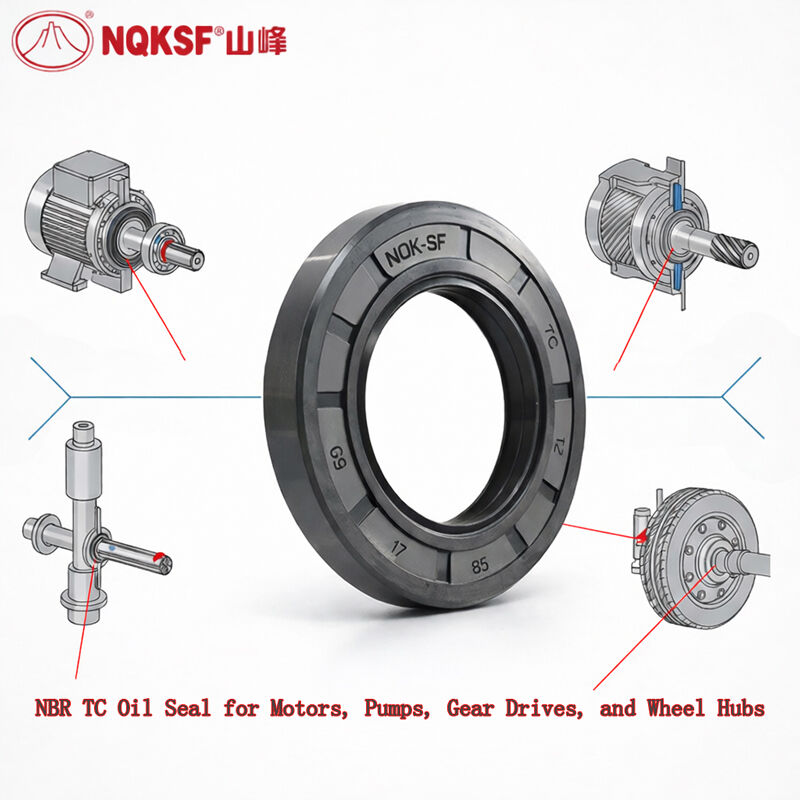
The tc oil seal stands as the most widely adopted sealing solution for motor gearboxes across industrial applications, earning its reputation through decades of proven performance in demanding operational environments. This preference stems from a unique combination of design characteristics, material properties, and manufacturing precision that directly address the specific challenges faced in motor gearbox applications where contamination control and lubricant retention are critical for operational reliability.
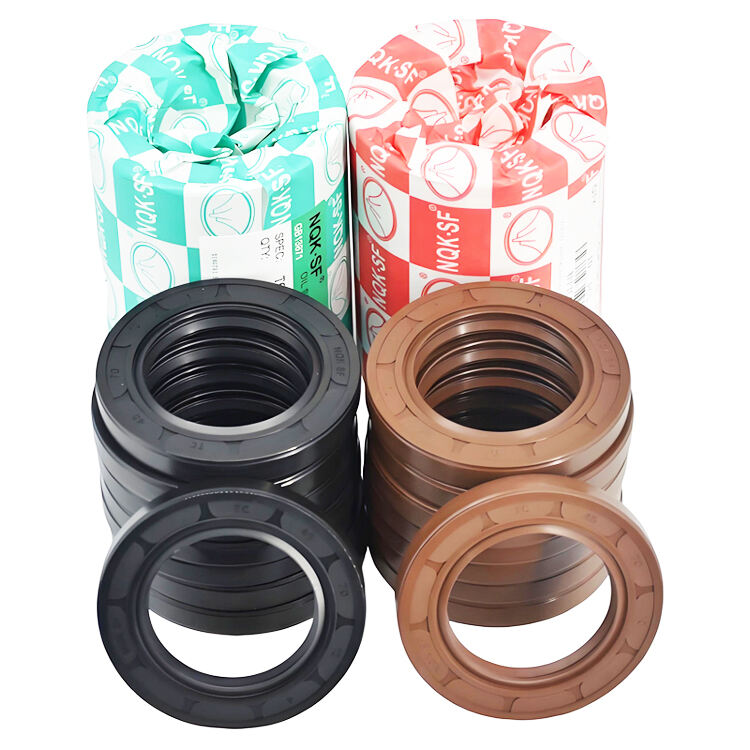
Motor gearboxes operate under conditions that demand exceptional sealing performance, including variable shaft speeds, temperature fluctuations, and exposure to external contaminants that can compromise internal lubrication systems. The tc oil seal addresses these challenges through its distinctive single-lip design with integrated dust exclusion capabilities, making it the preferred choice for engineers seeking reliable sealing solutions that maintain gearbox efficiency while extending operational life expectancy.
Superior Sealing Performance Under Dynamic Conditions
Optimized Lip Geometry for Variable Speed Applications
The tc oil seal features a precisely engineered lip geometry that maintains consistent contact pressure across varying shaft speeds, a critical requirement for motor gearboxes that experience frequent start-stop cycles and variable operational speeds. This optimized design ensures effective sealing performance from low-speed crawling applications to high-speed continuous operation, preventing lubricant leakage that could lead to gearbox failure. The lip configuration incorporates a controlled interference fit that adapts to minor shaft irregularities while maintaining the sealing integrity essential for motor gearbox applications.
The dynamic sealing capability of the tc oil seal extends beyond simple lubricant retention, providing active contamination exclusion that protects internal gearbox components from external debris and moisture ingress. This dual-function performance eliminates the need for additional protective measures, simplifying gearbox design while ensuring comprehensive protection. The lip design compensates for thermal expansion and contraction cycles common in motor applications, maintaining effective sealing contact throughout the operational temperature range.
Enhanced Material Resilience for Extended Service Life
Modern tc oil seal construction utilizes advanced elastomer compounds specifically formulated for motor gearbox environments, offering superior resistance to lubricant degradation products and temperature extremes. These materials maintain their sealing properties over extended service intervals, reducing maintenance requirements and operational downtime associated with seal replacement. The elastomer selection provides optimal balance between flexibility for dynamic sealing and durability for long-term performance under continuous operation.
The material composition of the tc oil seal includes specialized additives that enhance resistance to ozone degradation and UV exposure, factors that can compromise seal integrity in outdoor motor installations. This enhanced material resilience translates directly into reduced total cost of ownership for motor gearbox applications, as longer seal service life reduces both replacement part costs and labor expenses associated with maintenance procedures. The tc oil seal material properties remain stable across the temperature range typically encountered in motor gearbox applications, ensuring consistent performance regardless of operating conditions.
Design Advantages Specific to Motor Gearbox Applications
Integrated Dust Exclusion Capability
The tc oil seal incorporates an integral dust lip that provides primary protection against external contamination, a feature particularly valuable in motor gearbox applications where exposure to airborne particles is common. This integrated design eliminates the need for separate dust seals or protective covers, reducing component complexity while ensuring comprehensive protection. The dust exclusion capability prevents abrasive particles from reaching the primary sealing lip, extending overall seal life and maintaining consistent sealing performance throughout the service interval.
The positioning and geometry of the dust lip in the tc oil seal design creates an effective barrier against moisture ingress, preventing water contamination that could compromise gearbox lubricants and internal components. This protection is particularly important in outdoor motor installations where weather exposure is unavoidable. The dust lip maintains its protective function without imposing excessive drag on the rotating shaft, preserving motor efficiency while providing essential contamination control.
Simplified Installation and Maintenance Procedures
The tc oil seal design facilitates straightforward installation procedures that reduce assembly time and minimize the risk of installation-related damage. The seal housing configuration accommodates standard bore tolerances commonly used in motor gearbox construction, eliminating the need for specialized machining or custom housing modifications. This compatibility with existing motor gearbox designs makes the tc oil seal an ideal choice for both new installations and replacement applications where retrofit compatibility is essential.
Maintenance procedures for motor gearboxes equipped with tc oil seal systems are simplified through the single-component design that eliminates the complexity associated with multi-piece sealing systems. The tc oil seal replacement process requires minimal specialized tooling and can be accomplished using standard maintenance procedures, reducing the skill level required for service operations. This operational simplicity translates into reduced maintenance costs and shorter service intervals that minimize equipment downtime.
Performance Advantages in Challenging Operating Environments
Temperature Stability Across Operating Ranges
The tc oil seal maintains consistent sealing performance across the wide temperature range encountered in motor gearbox applications, from cold-start conditions to elevated operating temperatures generated during continuous high-load operation. This temperature stability ensures reliable sealing function regardless of seasonal variations or operational duty cycles that create thermal stress on sealing components. The elastomer materials used in tc oil seal construction resist thermal degradation that could compromise sealing integrity over extended service periods.
Temperature cycling resistance of the tc oil seal prevents the development of permanent set or hardening that could lead to seal failure in motor gearbox applications subject to frequent temperature variations. This thermal stability is achieved through careful material selection and curing processes that optimize the elastomer properties for long-term performance under dynamic temperature conditions. The tc oil seal maintains its sealing effectiveness throughout multiple thermal cycles without requiring operational adjustments or compensation measures.
Chemical Compatibility with Modern Lubricants
The tc oil seal demonstrates excellent compatibility with synthetic and conventional lubricants commonly used in modern motor gearbox applications, resisting swelling, hardening, or degradation that could compromise sealing performance. This chemical compatibility ensures long-term seal integrity even when exposed to lubricant additives designed to enhance gearbox performance or extend service intervals. The tc oil seal material composition provides stable interaction with lubricant formulations, preventing chemical reactions that could lead to premature seal failure.
Advanced lubricant formulations used in high-performance motor gearboxes often contain aggressive additives that can challenge seal materials, but the tc oil seal maintains its properties when exposed to these demanding chemical environments. This compatibility extends to biodegradable lubricants increasingly used in environmentally sensitive applications, ensuring that motor gearboxes can utilize advanced lubricant technologies without compromising seal reliability. The tc oil seal chemical resistance includes protection against contamination from external sources that might introduce incompatible substances into the gearbox environment.
Economic Benefits and Total Cost Optimization
Reduced Maintenance Frequency and Downtime
The extended service life characteristic of the tc oil seal directly translates into reduced maintenance frequency for motor gearbox installations, allowing longer intervals between scheduled service operations. This extended service capability reduces both direct maintenance costs and indirect costs associated with production downtime required for seal replacement procedures. The tc oil seal reliability minimizes unscheduled maintenance events that can disrupt operational schedules and impose emergency service costs on motor gearbox operations.
Predictable service life characteristics of the tc oil seal enable effective maintenance planning that optimizes resource allocation and minimizes operational disruption. The consistent performance pattern allows maintenance schedules to be synchronized with other gearbox service requirements, reducing the total number of service interventions required over the equipment life cycle. This maintenance optimization capability makes the tc oil seal particularly valuable in applications where service accessibility is limited or where operational continuity is critical for production efficiency.
Lower Total Cost of Ownership
The initial cost advantage of the tc oil seal compared to more complex sealing systems is enhanced by its superior performance characteristics that reduce long-term operational expenses. This cost effectiveness includes reduced lubricant consumption due to effective leakage prevention, lower component replacement costs due to extended service intervals, and reduced labor costs associated with simplified maintenance procedures. The tc oil seal provides optimal value proposition for motor gearbox applications where operational economics are primary selection criteria.
Energy efficiency benefits of the tc oil seal contribute to operational cost reduction through minimized friction losses that could impact motor power consumption. The optimized lip design reduces parasitic drag on the gearbox input shaft while maintaining effective sealing performance, preserving motor efficiency throughout the service interval. This energy efficiency consideration becomes particularly important in continuous-duty motor applications where small efficiency improvements translate into significant operational cost savings over extended operating periods.
FAQ
How does the tc oil seal compare to other sealing options for motor gearbox applications?
The tc oil seal offers superior performance compared to alternative sealing solutions through its integrated design that combines primary sealing with dust exclusion in a single component. Unlike multi-piece sealing systems that require precise alignment and complex installation procedures, the tc oil seal provides comprehensive protection through a simplified design that reduces installation complexity and potential failure points. The single-lip configuration with integral dust protection eliminates the need for separate components while maintaining sealing effectiveness across variable operating conditions typical in motor gearbox applications.
What factors determine the service life of a tc oil seal in motor gearbox applications?
The service life of a tc oil seal in motor gearbox applications depends primarily on operating temperature, shaft surface finish, lubricant compatibility, and contamination exposure levels. Proper installation techniques that avoid seal damage during assembly significantly impact service life, as does maintaining appropriate lubricant levels and quality throughout the operational period. Environmental factors such as temperature cycling, moisture exposure, and airborne contamination influence seal longevity, while shaft speed and load variations affect wear patterns that determine replacement intervals.
Can tc oil seals accommodate shaft runout and misalignment in motor gearbox installations?
The tc oil seal design incorporates sufficient flexibility to accommodate normal shaft runout and minor misalignment conditions commonly encountered in motor gearbox installations without compromising sealing effectiveness. The elastomer lip maintains contact with the shaft surface through small geometric variations, providing consistent sealing performance within specified tolerance ranges. However, excessive runout or misalignment beyond manufacturer specifications can lead to premature wear or sealing failure, making proper shaft preparation and alignment critical for optimal tc oil seal performance in motor gearbox applications.
What installation considerations are critical for tc oil seal performance in motor gearboxes?
Proper tc oil seal installation requires attention to bore surface finish, installation depth, and seal orientation to ensure optimal performance in motor gearbox applications. The shaft surface must meet specified roughness requirements and be free from burrs or damage that could compromise seal lip integrity, while the housing bore must provide appropriate support without distorting the seal during installation. Installation tools should protect the seal from damage during assembly, and proper lubrication of the seal lip during installation prevents initial wear that could affect long-term performance in motor gearbox service.
Table of Contents
- Superior Sealing Performance Under Dynamic Conditions
- Design Advantages Specific to Motor Gearbox Applications
- Performance Advantages in Challenging Operating Environments
- Economic Benefits and Total Cost Optimization
-
FAQ
- How does the tc oil seal compare to other sealing options for motor gearbox applications?
- What factors determine the service life of a tc oil seal in motor gearbox applications?
- Can tc oil seals accommodate shaft runout and misalignment in motor gearbox installations?
- What installation considerations are critical for tc oil seal performance in motor gearboxes?