 EN
EN
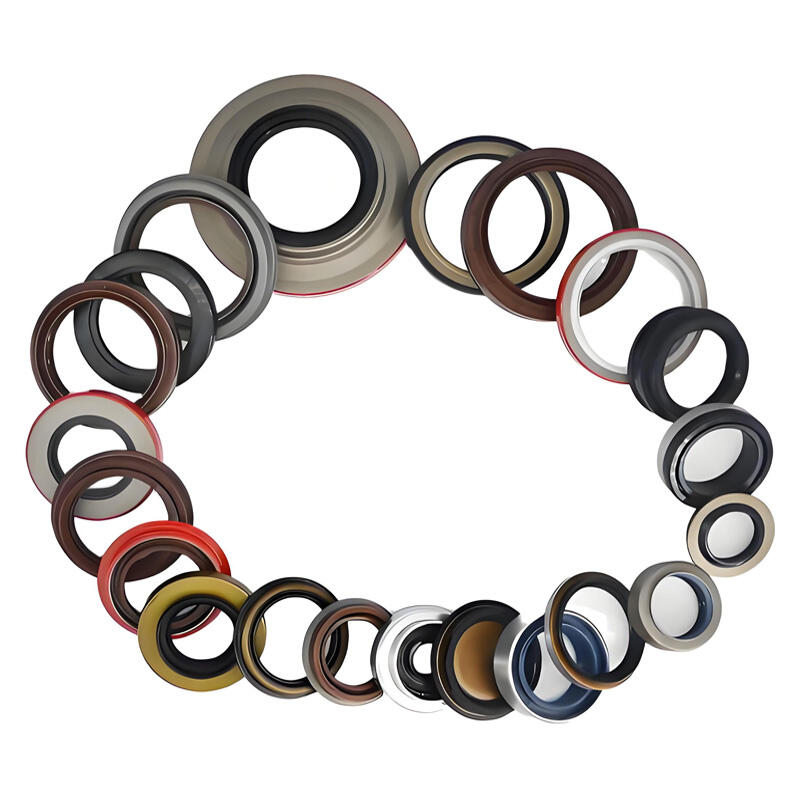
Maintaining a shaft oil seal in dusty industrial environments requires specialized attention to contamination prevention and proactive maintenance protocols. Dust infiltration represents one of the most common causes of premature shaft oil seal failure, leading to equipment downtime, lubricant contamination, and costly repairs. Understanding the specific challenges that dust presents to sealing systems is essential for developing effective maintenance strategies that extend seal life and ensure reliable equipment operation.
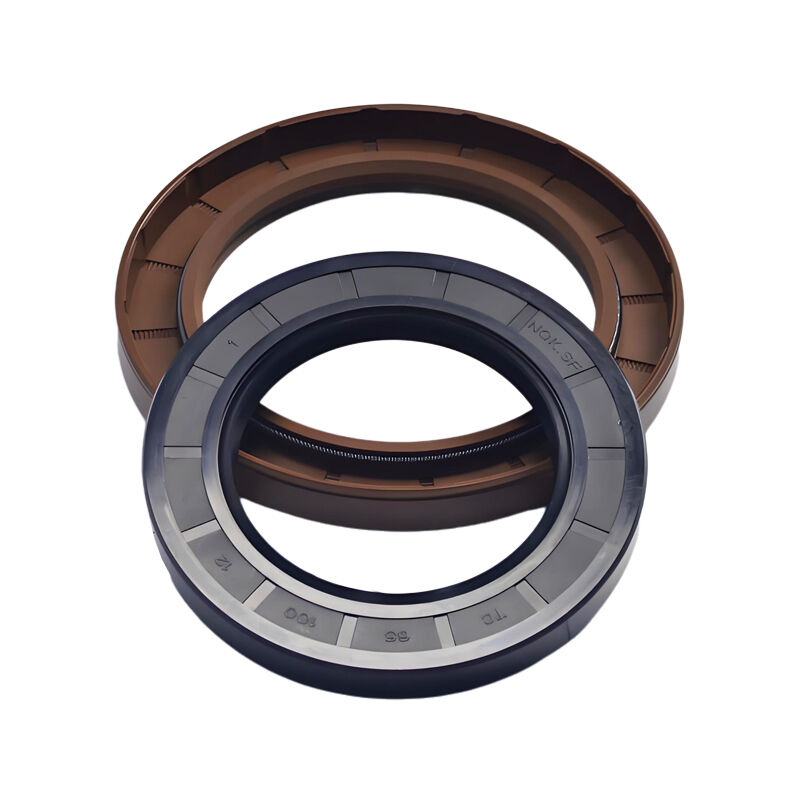
The interaction between airborne particulates and shaft oil seal components creates unique wear patterns and degradation mechanisms that standard maintenance procedures may not address adequately. Dust particles can compromise seal lip contact, accelerate material wear, and create pathways for lubricant leakage. Implementing targeted maintenance approaches specifically designed for dusty conditions involves understanding particle behavior, seal material responses, and environmental control strategies that work together to preserve sealing integrity under challenging operating conditions.
Understanding Dust Impact on Shaft Oil Seal Performance
Particle Infiltration Mechanisms
Dust particles enter the sealing interface through several pathways that compromise shaft oil seal effectiveness. Primary infiltration occurs when airborne particles settle on exposed seal surfaces during equipment shutdown periods, creating contamination layers that interfere with proper seal contact when operations resume. Secondary infiltration happens during operation when pressure differentials and shaft movement create suction effects that draw particles past compromised seal barriers.
The size distribution of dust particles determines their impact on shaft oil seal function. Particles smaller than the seal lip clearance can migrate directly into the lubricant cavity, while larger particles accumulate at the sealing interface and create abrasive conditions. Understanding these mechanisms helps maintenance teams identify vulnerable periods and implement protective measures during critical operational phases.
Material Degradation Patterns
Dust exposure accelerates shaft oil seal material degradation through multiple pathways that affect both elastomeric and metal components. Abrasive wear occurs when hard particles become embedded in the seal lip surface, creating microscopic cutting edges that progressively damage the sealing surface. This process is particularly aggressive with silica-based dusts commonly found in mining, construction, and agricultural environments.
Chemical interaction between dust particles and seal materials can alter polymer properties over time. Certain industrial dusts contain reactive compounds that accelerate oxidation processes in rubber components, leading to hardening, cracking, and loss of sealing flexibility. Temperature effects are amplified in dusty conditions as particles create thermal barriers that prevent effective heat dissipation from the shaft oil seal interface.
Preventive Maintenance Strategies for Dusty Conditions
Environmental Protection Systems
Installing effective environmental barriers represents the first line of defense for shaft oil seal protection in dusty industrial environments. Bearing guards and shaft sleeves create physical barriers that deflect airborne particles away from critical sealing surfaces. These protective devices should be designed with appropriate clearances to allow normal shaft movement while maintaining effective particle exclusion.
Positive pressure systems can prevent dust infiltration by creating controlled airflow patterns around shaft oil seal assemblies. Clean, filtered air supplied at slightly elevated pressure creates an outward flow that prevents particle ingress during normal operation. This approach is particularly effective for enclosed equipment where controlled atmosphere maintenance is feasible without compromising operational requirements.
Cleaning and Inspection Protocols
Regular cleaning procedures specifically designed for dusty environments must balance thorough contamination removal with protection of delicate shaft oil seal surfaces. Compressed air cleaning should be performed using filtered air at controlled pressure levels to avoid forcing particles deeper into seal interfaces. Solvent-based cleaning may be necessary for removing accumulated particle films, but solvent selection must be compatible with seal materials.
Visual inspection techniques for shaft oil seal condition in dusty environments require attention to subtle indicators that may be obscured by contamination. Early signs of dust-related damage include discoloration patterns around the seal perimeter, unusual wear marks on shaft surfaces, and changes in lubricant appearance that indicate particle infiltration. Systematic documentation of these observations enables trend analysis and predictive maintenance scheduling.
Lubrication Management in Contaminated Environments
Lubricant Selection and Filtration
Lubricant properties play a crucial role in shaft oil seal performance under dusty conditions. Higher viscosity lubricants provide better particle suspension capabilities, preventing settled contamination that could damage sealing surfaces. However, viscosity selection must balance contamination resistance with proper lubrication film formation at the shaft oil seal interface. Synthetic lubricants often provide superior performance in dusty environments due to their enhanced thermal stability and contamination tolerance.
Filtration systems designed for dusty industrial applications must provide appropriate particle removal efficiency while maintaining adequate flow rates for proper lubrication. Bypass filtration systems allow continuous lubricant cleaning without interrupting equipment operation, gradually removing accumulated contamination that penetrates shaft oil seal barriers. Filter element selection should consider both particle size distribution and contamination loading rates typical of the specific industrial environment.
Contamination Monitoring Techniques
Oil analysis programs provide valuable insight into shaft oil seal condition and contamination levels in dusty industrial environments. Particle counting techniques reveal contamination ingress rates and help establish appropriate maintenance intervals. Elemental analysis can identify specific contaminant sources and guide environmental control improvements. Trending analysis enables predictive maintenance scheduling based on contamination accumulation rates rather than arbitrary time intervals.
Real-time monitoring systems using optical particle counters or other continuous measurement technologies provide immediate feedback on shaft oil seal performance and contamination control effectiveness. These systems can trigger automated responses such as increased filtration rates or maintenance alerts when contamination levels exceed predetermined thresholds. Integration with overall equipment monitoring systems enables comprehensive condition assessment and maintenance optimization.
Equipment Design Considerations for Dust Protection
Seal Selection and Configuration
Shaft oil seal selection for dusty industrial environments requires careful consideration of material properties, lip design, and installation configuration. Double-lip seals provide enhanced protection by creating multiple barriers against particle infiltration. The outer lip excludes environmental contamination while the inner lip maintains primary sealing function. Proper spring loading ensures consistent contact pressure throughout the seal operating range despite dust accumulation effects.
Material selection should prioritize abrasion resistance and chemical compatibility with expected contaminants. Fluoroelastomer compounds offer excellent resistance to both mechanical wear and chemical degradation in harsh industrial environments. However, material selection must also consider temperature ranges, pressure requirements, and compatibility with system lubricants. Specialized coatings on metal components can provide additional protection against corrosive dust particles.
Installation and Housing Design
Proper shaft oil seal installation in dusty environments requires attention to housing design features that minimize contamination exposure. Recessed installations provide physical protection for seal components while maintaining accessibility for maintenance procedures. Adequate drainage provisions prevent moisture accumulation that can combine with dust particles to create abrasive slurries that accelerate wear processes.
Housing surface finishes and geometries should facilitate cleaning procedures while providing appropriate support for shaft oil seal components. Sharp edges or deep recesses can trap contamination and create cleaning difficulties. Smooth, accessible surfaces enable thorough contamination removal during maintenance procedures. Proper clearances accommodate thermal expansion while maintaining environmental protection throughout the operating range.
Troubleshooting Common Dust-Related Seal Failures
Failure Mode Identification
Recognizing specific failure patterns associated with dust contamination enables targeted corrective actions and prevents recurring problems. Premature lip wear typically presents as circumferential groove patterns on the shaft oil seal contact surface, often accompanied by corresponding wear marks on the shaft. This pattern indicates inadequate contamination exclusion or insufficient lubrication at the sealing interface.
Seal hardening and cracking result from chemical interaction with reactive dust particles combined with thermal cycling effects. These failures often begin as small surface cracks that propagate under operational stresses. Early detection through regular inspection enables replacement before catastrophic failure occurs. Understanding the relationship between environmental conditions and failure modes guides both immediate repairs and long-term design improvements.
Root Cause Analysis and Corrective Actions
Systematic investigation of shaft oil seal failures in dusty environments requires examination of both immediate causes and underlying system deficiencies. Contamination analysis identifies particle sources and infiltration pathways, guiding environmental control improvements. Operating condition analysis reveals whether failures result from inadequate seal specification, improper installation, or insufficient maintenance procedures.
Corrective action development must address both immediate replacement needs and long-term prevention strategies. Short-term solutions may include enhanced cleaning procedures, improved environmental barriers, or temporary operational modifications to reduce dust exposure. Long-term improvements often involve system redesign, upgraded filtration systems, or enhanced shaft oil seal specifications that better match environmental challenges.
FAQ
How often should shaft oil seals be inspected in dusty industrial environments?
Inspection frequency for shaft oil seals in dusty environments should be increased compared to standard conditions, typically ranging from weekly visual checks to monthly detailed inspections depending on dust concentration and equipment criticality. High-dust applications may require daily monitoring of seal condition and contamination levels, while moderate dust exposure might allow bi-weekly inspection schedules. The key is establishing baseline performance data and adjusting intervals based on observed wear rates and contamination accumulation patterns.
What are the most effective methods for cleaning shaft oil seals without causing damage?
Effective cleaning methods include using compressed air at controlled pressure levels below 30 PSI to avoid forcing particles into seal interfaces, followed by careful solvent cleaning with compatible materials such as mineral spirits or specialized seal cleaners. Avoid using high-pressure water or aggressive solvents that could damage elastomeric components. Soft brushes or lint-free cloths can remove stubborn contamination, but should be used gently to prevent surface damage. Always ensure complete solvent removal and proper drying before returning equipment to service.
Can standard shaft oil seals be used in extremely dusty conditions or are special designs required?
Standard shaft oil seals may provide adequate performance in moderately dusty conditions with proper maintenance, but extremely dusty industrial environments typically require specialized designs with enhanced contamination resistance. Double-lip configurations, upgraded materials such as fluoroelastomers, and specialized surface treatments significantly improve performance in harsh conditions. The decision depends on dust concentration, particle characteristics, and acceptable maintenance intervals. Consulting with seal manufacturers about specific environmental conditions ensures optimal design selection.
What signs indicate that dust contamination is affecting shaft oil seal performance?
Key indicators include visible lubricant leakage around the seal perimeter, discoloration of the shaft surface, unusual noise during operation, and contaminated lubricant appearance with visible particles or dark coloration. Premature bearing wear, increased operating temperatures, and shortened maintenance intervals also suggest dust-related seal degradation. Regular oil analysis revealing elevated particle counts or wear metal concentrations confirms contamination ingress through compromised seals. Early detection enables corrective action before complete seal failure occurs.
Table of Contents
- Understanding Dust Impact on Shaft Oil Seal Performance
- Preventive Maintenance Strategies for Dusty Conditions
- Lubrication Management in Contaminated Environments
- Equipment Design Considerations for Dust Protection
- Troubleshooting Common Dust-Related Seal Failures
-
FAQ
- How often should shaft oil seals be inspected in dusty industrial environments?
- What are the most effective methods for cleaning shaft oil seals without causing damage?
- Can standard shaft oil seals be used in extremely dusty conditions or are special designs required?
- What signs indicate that dust contamination is affecting shaft oil seal performance?