 EN
EN
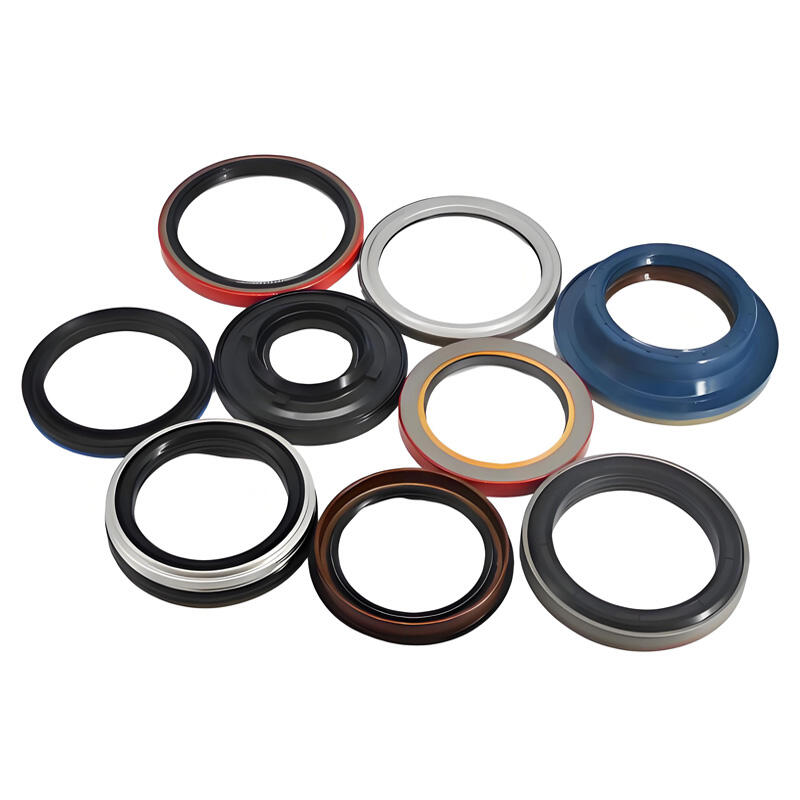
A rotary shaft TC oil seal represents one of the most critical sealing components in modern mechanical systems, designed specifically to prevent lubricant leakage while keeping contaminants out of rotating shaft assemblies. This essential sealing element combines rubber compounds with metal reinforcement to create a reliable barrier between moving and stationary parts, ensuring optimal performance across diverse industrial applications.
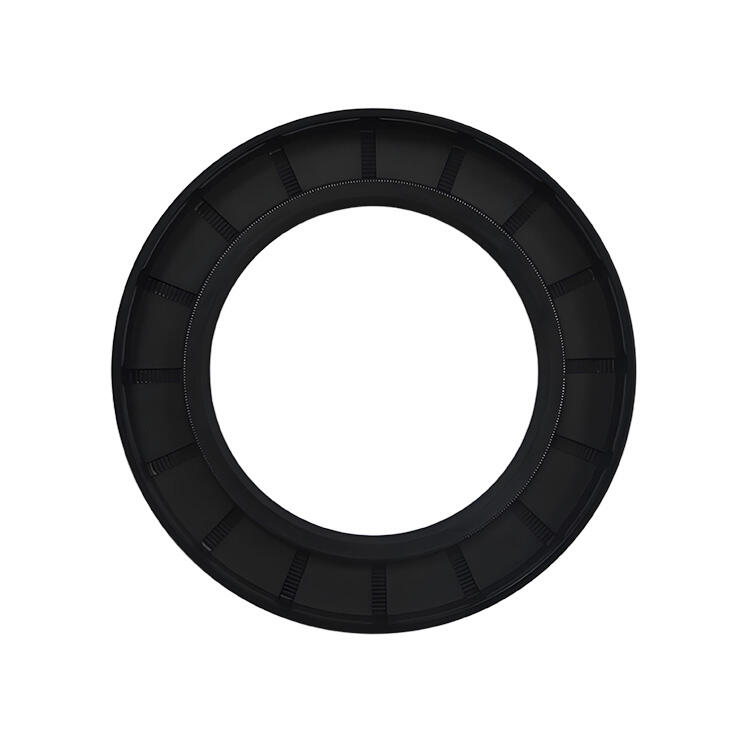
Understanding the fundamental principles behind rotary shaft TC oil seals becomes crucial for engineers and maintenance professionals who need to select appropriate sealing solutions for their specific applications. The TC designation refers to the particular design configuration that incorporates both sealing lip geometry and spring-loading mechanisms, creating a dynamic sealing interface that adapts to shaft movement while maintaining consistent contact pressure throughout operational cycles.
Understanding Rotary Shaft TC Oil Seal Construction
Primary Sealing Elements and Materials
The rotary shaft TC oil seal consists of several integrated components that work together to achieve effective sealing performance. The primary sealing lip, typically manufactured from synthetic rubber compounds such as nitrile or fluoroelastomer materials, forms the critical contact interface with the rotating shaft surface. This lip design incorporates precise angular geometry that creates a controlled sealing line, while the material selection depends on the specific fluid compatibility and temperature requirements of the application.
Behind the primary sealing lip, a garter spring provides consistent radial force that maintains optimal contact pressure between the lip and shaft surface. This shaft oil seal spring compensates for manufacturing tolerances, thermal expansion effects, and gradual wear that occurs during normal operation, ensuring reliable sealing performance throughout the component's service life.
The outer case structure, usually constructed from stamped steel, provides mechanical support and facilitates proper installation within the housing bore. This metallic framework also serves as a secondary sealing interface against the static housing surface, preventing leakage paths around the seal's outer diameter while providing dimensional stability under varying operational conditions.
Advanced Design Features and Configurations
Modern rotary shaft TC oil seals incorporate sophisticated design features that enhance performance beyond basic sealing functions. The lip geometry includes carefully engineered angles and surface textures that influence fluid film formation and heat dissipation characteristics. These design parameters directly affect the seal's ability to maintain optimal lubrication at the sealing interface while preventing excessive friction that could lead to premature wear.
Additional design elements may include dust lips or excluder features that provide supplementary protection against external contamination. These secondary sealing elements work in conjunction with the primary oil-retaining lip to create a comprehensive barrier system that extends overall seal life in challenging environmental conditions.
The spring configuration within a shaft oil seal system can vary significantly depending on application requirements. Standard garter springs provide uniform radial loading, while specialized spring designs may incorporate variable tension characteristics or multiple spring elements to address specific sealing challenges such as shaft runout or high-speed operation.
Operational Mechanisms and Sealing Principles
Dynamic Sealing Interface Mechanics
The fundamental sealing mechanism of a rotary shaft TC oil seal relies on the controlled interaction between the flexible sealing lip and the rotating shaft surface. During operation, the spring-loaded lip maintains intimate contact with the shaft while allowing for relative motion through a thin lubricating film. This hydrodynamic lubrication regime prevents direct metal-to-rubber contact that would result in rapid wear while maintaining effective sealing performance.
The sealing lip geometry creates a specific pressure distribution across the contact zone, with higher pressure on the oil side gradually transitioning to atmospheric pressure on the air side. This pressure gradient, combined with the lip's angular design, generates a pumping action that continuously returns leaked fluid back toward the oil chamber, effectively preventing external leakage under normal operating conditions.
Surface finish characteristics of both the shaft and sealing lip play crucial roles in establishing proper sealing performance. The shaft surface must maintain appropriate roughness values that promote adequate lubrication while avoiding excessive wear of the elastomeric sealing element. Similarly, the lip surface treatment affects friction characteristics and thermal behavior during high-speed operation.
Fluid Film Formation and Thermal Management
Successful operation of any shaft oil seal depends on the establishment and maintenance of an optimal fluid film between the sealing lip and shaft surface. This microscopic lubricating layer serves multiple functions, including friction reduction, heat dissipation, and wear prevention. The thickness of this film typically measures only a few micrometers, requiring precise control of contact pressure and surface characteristics to maintain stability.
Thermal management becomes particularly important during extended operation periods or high-speed applications where friction-generated heat can compromise sealing performance. The shaft oil seal design must facilitate adequate heat dissipation through both conduction and convection mechanisms while maintaining material properties within acceptable operating ranges.
Temperature effects influence not only the elastomeric properties of the sealing lip but also the viscosity characteristics of the sealed fluid. Higher temperatures generally reduce fluid viscosity, potentially affecting the lubrication regime at the sealing interface, while also causing thermal expansion of both seal and shaft components that can alter contact pressures and clearances.
Application Considerations and Performance Factors
Operating Parameter Specifications
The selection and application of rotary shaft TC oil seals requires careful consideration of multiple operating parameters that directly influence sealing performance and service life. Shaft speed represents one of the most critical factors, as higher rotational velocities increase friction heating and centrifugal forces that can affect seal contact pressure and fluid film stability. Most standard shaft oil seal designs operate effectively up to surface speeds of 15-20 meters per second, though specialized high-speed configurations can handle significantly higher velocities.
Pressure differentials across the seal also significantly impact performance characteristics. While rotary lip seals are primarily designed for low-pressure applications, typically handling pressures up to 0.5 bar, the specific pressure capability depends on seal size, lip design, and spring force characteristics. Higher pressures may require specialized seal designs or supplementary sealing arrangements.
Temperature ranges must be carefully evaluated against both the elastomeric material capabilities and the specific fluid being sealed. Different rubber compounds offer varying temperature resistance, with nitrile materials typically suitable for -40°C to +120°C, while fluoroelastomers can handle temperatures up to +200°C or higher in specialized formulations.
Installation and Housing Requirements
Proper installation procedures are essential for achieving optimal performance from any shaft oil seal system. The housing bore must be machined to precise dimensional tolerances and surface finish specifications to ensure proper seal retention and prevent leakage paths. Lead-in chamfers facilitate installation while preventing damage to the sealing lip during assembly.
Shaft preparation involves ensuring appropriate surface finish, typically 0.2 to 0.8 micrometers Ra, while maintaining concentricity and surface hardness requirements. The shaft surface should be free from nicks, scratches, or other imperfections that could compromise sealing performance or accelerate wear of the elastomeric lip.
Installation tooling and techniques must protect the sealing lip from damage during assembly. Proper lubrication of both the lip and shaft surface during installation prevents tearing or distortion that could create permanent leakage paths. The shaft oil seal should be pressed into the housing squarely to avoid cocking or distortion that would compromise sealing effectiveness.
Maintenance and Performance Optimization
Service Life Indicators and Monitoring
Effective maintenance of rotary shaft TC oil seal systems requires understanding the various failure modes and performance indicators that signal the need for replacement or system adjustment. Visual inspection for external leakage provides the most obvious indication of seal failure, though other symptoms may indicate developing problems before external leakage occurs.
Elevated operating temperatures at the seal location often indicate excessive friction due to inadequate lubrication, misalignment, or lip wear. Temperature monitoring can provide early warning of developing problems that might be addressed through corrective action before complete seal failure occurs.
Unusual noise or vibration from the sealing area may indicate contamination, shaft damage, or seal distortion. These symptoms warrant immediate investigation to prevent secondary damage to other system components and to identify root causes that might affect replacement seal performance.
Troubleshooting and Performance Enhancement
When shaft oil seal performance issues arise, systematic troubleshooting helps identify root causes and appropriate corrective actions. Premature failure often results from installation errors, contamination, or operating conditions that exceed the seal's design capabilities rather than inherent seal defects.
Contamination represents one of the most common causes of reduced seal life. Abrasive particles can accelerate wear of both the sealing lip and shaft surface, while chemical contaminants may cause swelling or degradation of the elastomeric materials. Implementing effective filtration and contamination control measures often provides significant improvements in seal longevity.
Shaft runout or misalignment creates uneven loading on the sealing lip, leading to accelerated wear and potential leakage. Correcting these alignment issues through proper bearing maintenance and shaft straightening can substantially improve seal performance and service life.
FAQ
What is the difference between TC and other oil seal types?
The TC designation refers to a specific design standard for rotary lip seals that includes a garter spring and particular lip geometry. Compared to other seal types like mechanical face seals or O-rings, TC oil seals are specifically designed for rotating shaft applications with relatively low pressures. The TC design provides better accommodation for shaft runout and thermal expansion compared to rigid seal types, while offering superior sealing performance compared to simple lip seals without spring loading.
How do I determine the correct size for my shaft oil seal application?
Proper seal sizing requires measuring three critical dimensions: shaft diameter, housing bore diameter, and seal width or thickness. The shaft diameter must be measured precisely as this determines the seal's inner diameter specification. The housing bore should provide an interference fit with the seal's outer diameter, typically 0.1-0.3mm interference. Additionally, consider the axial space available for seal installation and any clearance requirements for adjacent components.
What causes premature failure in rotary shaft oil seals?
The most common causes of premature shaft oil seal failure include improper installation techniques that damage the sealing lip, contamination from dirt or abrasive particles, excessive shaft runout or misalignment, operating temperatures beyond material capabilities, and chemical incompatibility between the seal material and the fluid being sealed. Addressing these factors through proper installation, maintenance, and application engineering significantly improves seal longevity.
Can TC oil seals be used in both directions of rotation?
Standard TC oil seals are typically designed for unidirectional rotation, with the lip geometry optimized for sealing effectiveness in one rotational direction. Using them in the opposite direction may reduce sealing performance and potentially allow leakage. For applications requiring bidirectional rotation, specialized seal designs are available that maintain effective sealing regardless of rotation direction, though they may have different performance characteristics compared to unidirectional designs.