 EN
EN
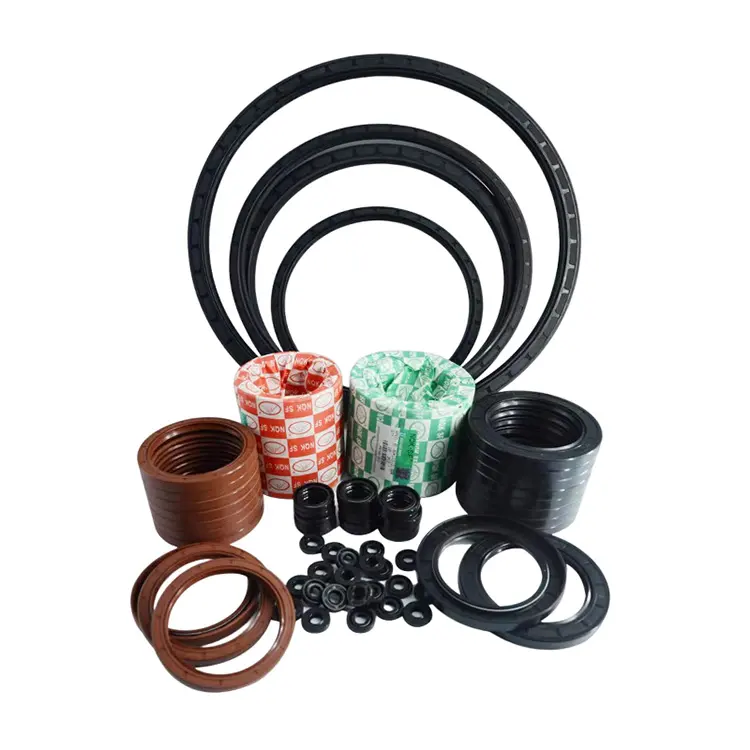
When selecting a shaft oil seal for critical industrial applications, the brand choice significantly impacts performance, reliability, and operational costs. Industrial engineers and maintenance professionals frequently ask which shaft oil seal brands deliver consistent sealing performance across diverse operating conditions. Understanding the key characteristics that distinguish reputable manufacturers helps ensure optimal equipment protection and reduced downtime.
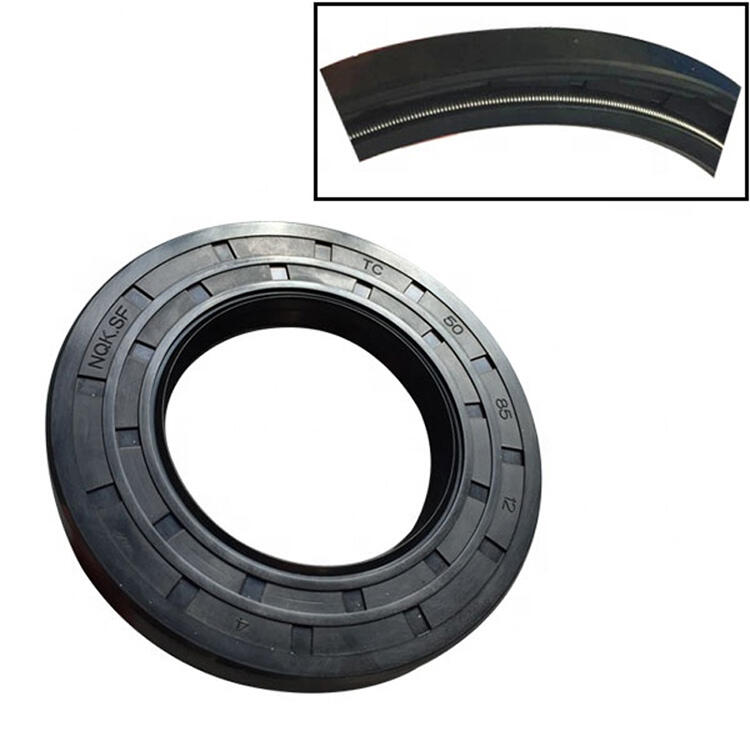
Rather than simply listing brand names, this analysis focuses on the fundamental criteria that make certain shaft oil seal manufacturers stand out in industrial markets. The most reliable brands consistently demonstrate superior material engineering, precision manufacturing processes, and comprehensive quality control systems that ensure each shaft oil seal meets demanding performance standards across various applications.
Essential Brand Selection Criteria for Industrial Applications
Material Technology and Engineering Excellence
Leading shaft oil seal manufacturers invest heavily in advanced elastomer compounds and material science research. These companies develop proprietary rubber formulations that maintain flexibility and sealing integrity across extreme temperature ranges, from cryogenic applications to high-heat industrial processes. The best brands utilize specialized compounds like fluoroelastomers, hydrogenated nitrile, and silicone-based materials depending on specific application requirements.
Quality manufacturers also focus on precision molding techniques that ensure consistent wall thickness and dimensional accuracy. Each shaft oil seal must maintain tight tolerances to prevent premature wear and seal failure. Reputable brands implement advanced curing processes that optimize cross-linking density, resulting in enhanced durability and chemical resistance properties.
The most reliable manufacturers conduct extensive material testing under simulated operating conditions. This includes accelerated aging tests, chemical compatibility assessments, and dynamic performance evaluations that validate long-term reliability. These rigorous testing protocols distinguish premium brands from lower-quality alternatives in the competitive shaft oil seal market.
Manufacturing Process Control and Consistency
Established shaft oil seal manufacturers maintain sophisticated production facilities with automated quality monitoring systems. These facilities utilize precision injection molding equipment that ensures consistent material distribution and eliminates common defects like air bubbles or incomplete filling. Advanced brands implement statistical process control measures that track dimensional variations and material properties throughout production cycles.
Leading manufacturers also employ specialized finishing processes that optimize sealing lip geometry and surface texture. The cutting and trimming operations require precise tooling and experienced technicians to achieve the smooth, burr-free edges essential for effective sealing performance. Quality brands invest in regular tooling maintenance and replacement schedules that prevent dimensional drift over time.
Reputable manufacturers maintain comprehensive traceability systems that track each shaft oil seal from raw material receipt through final inspection and packaging. This documentation enables rapid response to any quality issues and supports continuous improvement initiatives that enhance overall product reliability.
Technical Performance Standards and Certifications
Industry Compliance and Quality Certifications
Recommended shaft oil seal brands typically maintain multiple industry certifications that validate their manufacturing processes and quality management systems. ISO 9001 certification demonstrates commitment to consistent quality control procedures, while industry-specific standards like TS 16949 indicate specialized automotive manufacturing capabilities. These certifications require regular third-party audits that verify ongoing compliance with established quality benchmarks.
Many leading brands also pursue specialized certifications for specific market segments. Aerospace applications may require AS9100 certification, while food-grade applications demand FDA-compliant materials and NSF certification. The most comprehensive manufacturers maintain multiple certifications that enable them to serve diverse industrial markets with appropriate shaft oil seal solutions.
Quality certifications also encompass environmental management systems and sustainable manufacturing practices. ISO 14001 certification indicates commitment to environmental responsibility, while OHSAS 18001 demonstrates focus on workplace safety. These broader certifications reflect organizational maturity and long-term business stability that support reliable supply chain partnerships.
Performance Testing and Validation Methods
Reputable shaft oil seal manufacturers conduct comprehensive performance testing that simulates real-world operating conditions. Dynamic testing equipment evaluates sealing performance under varying rotational speeds, fluid pressures, and temperature cycles. These tests measure critical parameters like friction torque, leakage rates, and wear patterns that predict field performance characteristics.
Advanced manufacturers utilize specialized test rigs that replicate specific customer applications and operating environments. Contamination resistance testing exposes shaft oil seal samples to representative debris and particle concentrations found in industrial machinery. Chemical compatibility testing validates performance with various lubricants, hydraulic fluids, and process chemicals that the seals encounter during service.
Leading brands also conduct accelerated life testing that compresses months of operational stress into concentrated test periods. These evaluations help predict service life expectations and identify potential failure modes before they occur in customer applications. The resulting data supports engineering recommendations and application-specific design modifications.
Application-Specific Design Capabilities
Custom Engineering and Application Support
Distinguished shaft oil seal manufacturers provide comprehensive engineering support that helps customers select optimal sealing solutions for specific applications. This includes detailed application analysis, operating condition assessment, and compatibility evaluation with existing equipment designs. Quality brands maintain experienced technical teams that understand the complex interactions between seal materials, fluid chemistry, and mechanical operating parameters.
Leading manufacturers also offer custom design services that modify standard shaft oil seal configurations for unique application requirements. This may include special lip geometries, modified spring designs, or custom material compounds that address specific performance challenges. The ability to provide engineered solutions distinguishes premium brands from suppliers offering only standard catalog products.
Comprehensive application support extends beyond initial product selection to include installation guidance, troubleshooting assistance, and performance optimization recommendations. Quality manufacturers provide detailed installation instructions, handling procedures, and storage requirements that maximize shaft oil seal performance and service life in customer applications.
Product Range and Availability
Established shaft oil seal brands maintain extensive product catalogs that cover diverse size ranges, material options, and design configurations. This includes standard metric and imperial sizing, various lip configurations, and multiple spring designs that accommodate different application requirements. Comprehensive product ranges enable customers to source multiple sealing solutions from a single reliable supplier.
Quality manufacturers also maintain robust inventory management systems that ensure consistent product availability and rapid delivery capabilities. This includes strategically located distribution centers, efficient order processing systems, and reliable logistics partnerships that minimize supply chain disruptions. Dependable availability becomes critical for maintenance operations and emergency repair situations.
Leading brands continuously expand their product offerings based on market feedback and emerging application requirements. This includes development of specialty shaft oil seal designs for extreme operating conditions, environmentally sensitive applications, and emerging technology sectors that demand enhanced sealing performance characteristics.
Long-Term Reliability and Support Infrastructure
Technical Documentation and Resources
Reputable shaft oil seal manufacturers provide comprehensive technical documentation that supports proper product selection, installation, and maintenance practices. This includes detailed dimensional drawings, material property data sheets, and application guidelines that help engineers make informed decisions. Quality documentation reduces installation errors and optimizes sealing performance across diverse applications.
Leading brands also offer educational resources like technical bulletins, application guides, and troubleshooting manuals that help customers understand proper shaft oil seal selection and maintenance procedures. These resources often include installation videos, cross-sectional diagrams, and failure analysis guidance that improve overall system reliability and reduce operational costs.
Advanced manufacturers provide digital tools like online catalogs, dimensional search capabilities, and compatibility databases that streamline the product selection process. These digital resources enable rapid identification of appropriate shaft oil seal solutions based on specific application parameters and operating requirements.
Customer Service and Technical Support
Distinguished shaft oil seal brands maintain responsive customer service organizations that provide timely technical assistance and application support. This includes experienced technical specialists who can analyze specific sealing challenges and recommend appropriate solutions. Quality customer service reduces downtime and helps optimize equipment performance through proper seal selection and installation practices.
Leading manufacturers also offer field service capabilities that include on-site application analysis, failure investigation, and performance optimization services. These specialized services help customers address complex sealing challenges and develop long-term maintenance strategies that minimize operational disruptions and reduce total cost of ownership.
Comprehensive warranty programs and quality guarantees demonstrate manufacturer confidence in product performance and provide customers with protection against premature failures. Quality brands stand behind their shaft oil seal products with responsive warranty service and replacement programs that minimize customer risk and ensure satisfactory performance outcomes.
FAQ
What material properties should I prioritize when selecting a shaft oil seal brand?
Focus on temperature resistance, chemical compatibility, and durability characteristics that match your specific application requirements. Quality brands provide detailed material specifications that help you evaluate performance capabilities against operating conditions like fluid temperature, pressure levels, and chemical exposure. Consider factors like hardness ratings, tensile strength, and compression set resistance when comparing different shaft oil seal options.
How can I verify the quality and reliability of a shaft oil seal manufacturer?
Review industry certifications, quality management systems, and technical documentation provided by the manufacturer. Look for ISO certifications, industry-specific standards compliance, and comprehensive testing data that validate performance claims. Request references from similar applications and evaluate the manufacturer's track record in your specific industry or application type.
What technical support should I expect from a reputable shaft oil seal supplier?
Quality suppliers provide application engineering support, installation guidance, and troubleshooting assistance throughout the product lifecycle. This includes detailed technical documentation, dimensional specifications, and compatibility information that supports proper selection and installation. Look for suppliers that offer responsive customer service and field support capabilities when needed.
How important is local availability and distribution for shaft oil seal procurement?
Local availability becomes critical for maintenance operations and emergency repair situations that require rapid seal replacement. Evaluate the supplier's distribution network, inventory management capabilities, and delivery timeframes to ensure reliable product availability. Consider suppliers that maintain regional stock locations and efficient logistics systems that minimize supply chain disruptions.
Table of Contents
- Essential Brand Selection Criteria for Industrial Applications
- Technical Performance Standards and Certifications
- Application-Specific Design Capabilities
- Long-Term Reliability and Support Infrastructure
-
FAQ
- What material properties should I prioritize when selecting a shaft oil seal brand?
- How can I verify the quality and reliability of a shaft oil seal manufacturer?
- What technical support should I expect from a reputable shaft oil seal supplier?
- How important is local availability and distribution for shaft oil seal procurement?