 EN
EN
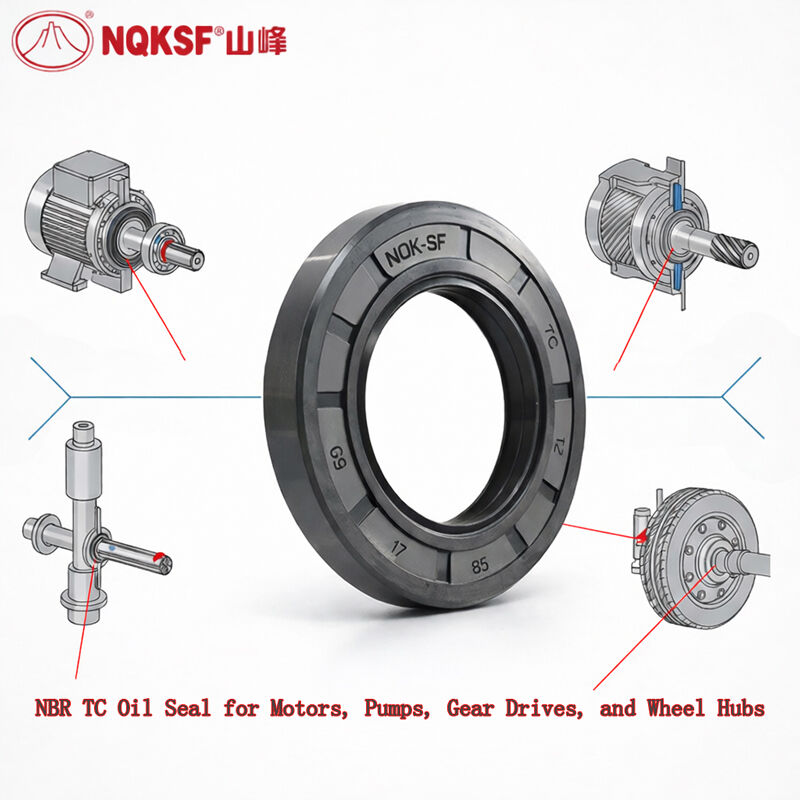
Proper installation of a double-lip tc oil seal is critical for maintaining equipment reliability and preventing costly downtime in industrial applications. The installation process requires precise techniques, appropriate tools, and careful attention to surface preparation to ensure optimal sealing performance. When a tc oil seal is installed incorrectly, it can lead to premature failure, oil contamination, and expensive machinery repairs that could have been easily prevented with proper installation procedures.
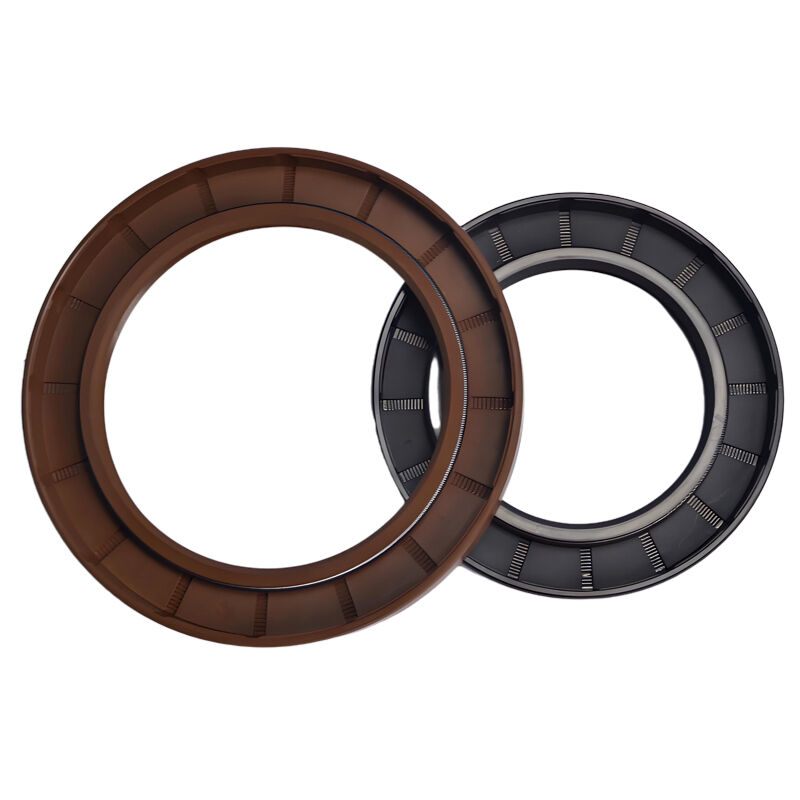
Understanding the specific requirements for double-lip tc oil seal installation ensures maximum service life and prevents contamination issues that can compromise entire lubrication systems. This comprehensive guide covers the essential steps, tools, and best practices needed to achieve professional-grade installation results that meet industrial standards and manufacturer specifications.
Pre-Installation Preparation Requirements
Surface Inspection and Cleaning Procedures
Before installing any tc oil seal, thorough surface inspection is essential to identify potential issues that could compromise seal performance. The housing bore and shaft surface must be completely free from scratches, nicks, corrosion, or any irregularities that could create leak paths. Even minor surface imperfections can cause a tc oil seal to fail prematurely, making this inspection phase critical for long-term reliability.
Proper cleaning involves removing all traces of old sealant, debris, metal particles, and contaminated lubricant from the housing and shaft surfaces. Use appropriate solvents that are compatible with the seal material and ensure complete drying before proceeding. The cleaning process should extend beyond the immediate seal area to prevent contamination during installation.
Surface finish requirements typically specify roughness values between 0.2 to 0.8 micrometers for optimal tc oil seal performance. Surfaces that are too rough will cause excessive wear, while overly smooth surfaces may not provide adequate lubrication retention. Professional surface measurement tools can verify that finish requirements are met before installation proceeds.
Tool Selection and Preparation
Selecting the correct installation tools is fundamental to successful tc oil seal installation without damage. Proper seal installation drivers, typically made from soft materials like aluminum or specialized plastics, distribute installation forces evenly across the seal face. Never use steel hammers or punches directly against the seal, as these can cause distortion or damage to the sealing lips.
Installation sleeves or protective cones are particularly important for double-lip tc oil seal applications where both sealing lips must pass over shaft features without damage. These tools guide the seal smoothly over keyways, splines, or threads that could otherwise cut or distort the sealing elements during installation.
Lubrication tools and appropriate assembly lubricants must be prepared in advance. The lubricant should be compatible with both the tc oil seal material and the intended service fluid. Clean application brushes or spray equipment ensure contamination-free lubrication during the installation process.
Critical Installation Techniques
Shaft Protection and Seal Guidance Methods
Protecting the tc oil seal lips during installation requires careful consideration of shaft geometry and surface features. Installation sleeves are mandatory when the seal must pass over threads, keyways, or shaft steps that exceed the seal's elastic capability. These protective devices create a smooth transition surface that prevents seal lip damage during installation.
The installation sleeve should have a gradual taper, typically 15 to 30 degrees, to ease the seal over the shaft without excessive stress. The sleeve surface must be smooth and well-lubricated to minimize friction during the installation process. Proper sleeve design eliminates the risk of lip inversion or cutting that can occur when seals encounter sharp edges.
For double-lip tc oil seal configurations, both the primary and secondary sealing lips require protection during installation. The installation technique must account for the different diameters and spring tensions of each lip to ensure neither is damaged or improperly positioned during the installation process.
Proper Installation Force Application
Applying installation force correctly prevents seal distortion and ensures proper seating in the housing bore. The force should be distributed evenly across the seal's outer diameter, typically using a installation tool that contacts the seal case rather than the flexible sealing elements. Uneven force application can cock the seal in the bore or damage the sealing lips.
Installation force magnitude should be sufficient to seat the seal fully but not excessive enough to cause deformation. Most tc oil seal installations require steady, controlled pressure rather than impact forces. The seal should slide smoothly into position when proper lubrication and alignment are maintained throughout the process.
Press-fit installation typically provides the most controlled force application for tc oil seal installations. Hydraulic presses allow precise force control and ensure straight, even installation without the shock loads associated with hammer-driven installation methods.
Installation Depth and Alignment Control
Measuring and Verifying Installation Depth
Proper installation depth ensures the tc oil seal functions within its designed operating parameters and maintains optimal contact with the shaft surface. Installation depth is typically specified relative to the housing face or a specific shoulder within the bore. Measuring tools such as depth gauges or specialized fixtures help verify correct positioning.
Insufficient installation depth can result in inadequate housing support for the seal case, leading to extrusion or distortion under operating pressures. Excessive depth may place the seal in an area where bore tolerances are incorrect or where housing features interfere with proper seal function.
The installation depth specification for double-lip tc oil seal applications must account for both sealing lip positions relative to the shaft surface. Both lips must maintain proper contact pressure and geometric alignment to function effectively throughout the service life.
Concentricity and Square Installation Verification
Maintaining concentricity during tc oil seal installation ensures uniform contact pressure around the entire sealing circumference. Cocked or misaligned seals create areas of excessive or insufficient contact pressure that lead to premature failure or immediate leakage problems.
Visual inspection combined with measurement techniques can verify proper seal alignment after installation. The seal face should appear uniformly positioned relative to the housing, and dial indicator measurements can confirm that runout is within acceptable limits.
Square installation relative to the shaft axis prevents edge loading and uneven wear patterns that reduce tc oil seal service life. Installation tools that reference the housing bore rather than external surfaces help ensure proper angular alignment during the installation process.
Post-Installation Verification and Testing
Initial Seal Performance Checks
Immediate post-installation inspection verifies that the tc oil seal is properly positioned and undamaged from the installation process. Visual examination should confirm that both sealing lips maintain their designed geometry and that no foreign material is trapped under the seal lips or in the spring grooves.
Initial shaft rotation, either by hand or with low-speed motor operation, helps identify installation problems before full operational startup. The shaft should rotate smoothly without binding, unusual friction, or noticeable resistance variations that could indicate seal installation problems.
Lubrication system verification ensures proper fluid supply to the tc oil seal contact area. Inadequate initial lubrication can cause dry-running conditions that damage the sealing lips before normal lubrication flow is established during startup.
Break-In Period Monitoring
The initial operating period following tc oil seal installation requires careful monitoring to identify potential issues before they develop into major problems. Temperature monitoring helps detect excessive friction that could indicate installation problems or inadequate lubrication conditions.
Vibration analysis during the break-in period can identify installation-related problems such as misalignment or improper fit that may not be apparent during static inspection. Unusual vibration patterns often indicate that the seal is not operating within its designed parameters.
Leak inspection should be performed regularly during the first several hours of operation to ensure the tc oil seal is functioning properly. Small initial seepage may be normal during the break-in period, but progressive increases in leakage indicate installation or application problems that require immediate attention.
FAQ
What are the most common installation mistakes that cause tc oil seal failure?
The most frequent tc oil seal installation mistakes include installing without proper shaft protection sleeves, using excessive installation force that distorts the seal, and failing to properly clean the housing bore before installation. Other common errors include incorrect installation depth, misalignment during installation, and using incompatible lubricants during the installation process.
How can I tell if a tc oil seal was installed correctly after completion?
Proper tc oil seal installation can be verified through visual inspection showing uniform positioning, smooth initial shaft rotation without binding, absence of foreign material around the seal lips, and correct installation depth measurement. The seal should sit squarely in the housing with both lips maintaining proper contact with the shaft surface and no visible damage from the installation process.
What installation depth should I use for double-lip tc oil seal applications?
Installation depth for double-lip tc oil seal applications depends on the specific housing design and manufacturer specifications, but typically ranges from flush with the housing face to 2-3mm below the surface. The key requirement is that both sealing lips maintain proper contact with the shaft while the seal case receives adequate support from the housing bore walls.
Is special lubrication required during tc oil seal installation?
Yes, proper lubrication during tc oil seal installation is essential to prevent lip damage and ensure smooth installation. Use lubricants compatible with both the seal material and service fluid, typically light machine oil or the actual service lubricant. Apply lubrication to the seal lips, shaft surface, and installation sleeve to minimize friction during the installation process.