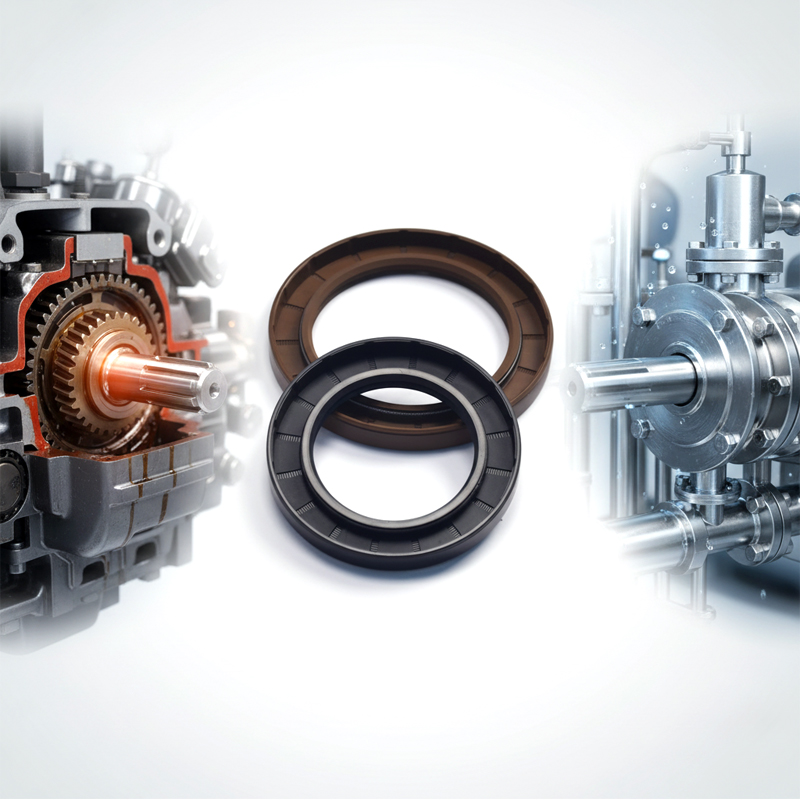
Premium Radial Shaft Seals - Advanced Sealing Solutions for Industrial Applications

All Categories

radial shaft seal

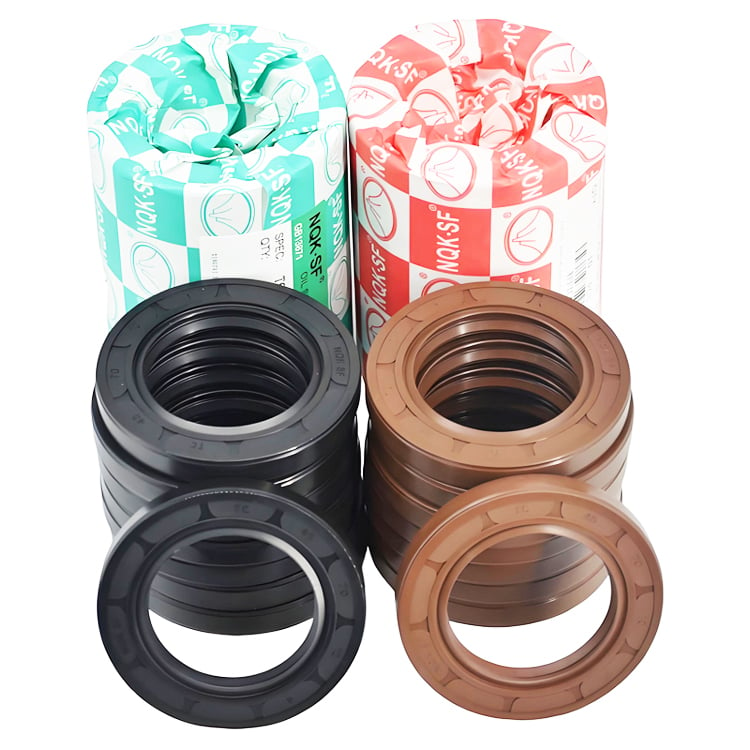
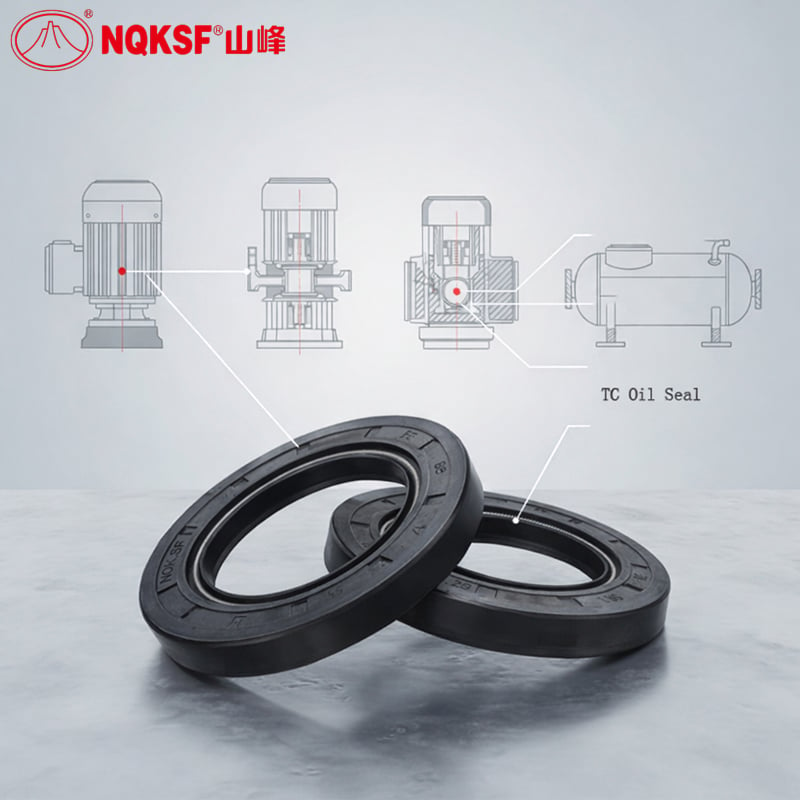
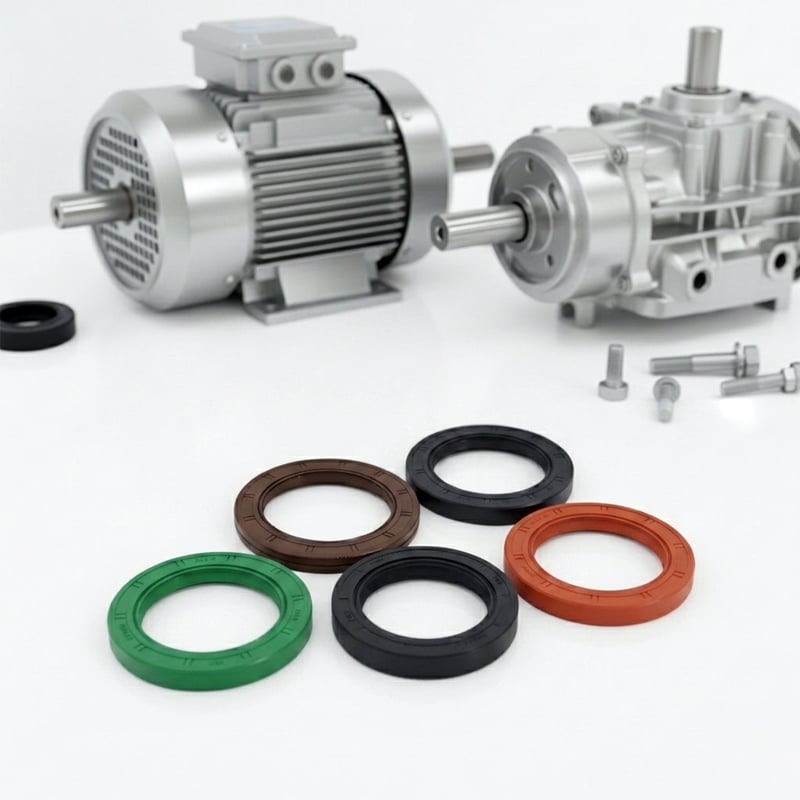
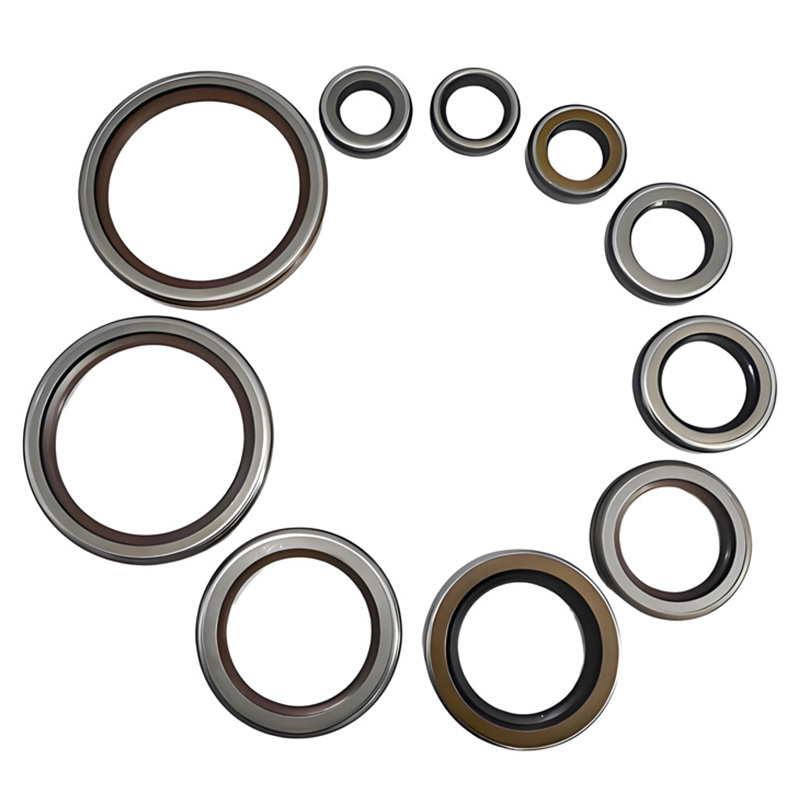
A radial shaft seal represents a critical mechanical component designed to prevent fluid leakage and contamination in rotating machinery applications. This essential sealing solution creates a dynamic barrier between rotating shafts and stationary housings, effectively containing lubricants, hydraulic fluids, and other media while excluding external contaminants such as dust, dirt, and moisture. The radial shaft seal operates through sophisticated engineering principles that combine material science with precision manufacturing techniques to deliver reliable performance across diverse industrial environments. The fundamental structure consists of a flexible sealing lip made from specialized elastomeric materials, typically reinforced with a metal case or spring mechanism that maintains consistent contact pressure against the rotating shaft surface. This design ensures optimal sealing performance throughout the operational lifecycle while accommodating normal shaft runout and thermal expansion variations. Modern radial shaft seal technology incorporates advanced polymer compounds that resist chemical degradation, temperature extremes, and mechanical wear, extending service intervals and reducing maintenance requirements. The sealing mechanism relies on hydrodynamic principles where the rotating shaft creates a thin film of lubricant beneath the seal lip, minimizing friction while maintaining effective sealing performance. Key technological features include precision-molded sealing lips with optimized geometry for specific applications, integrated dust lips for enhanced contamination protection, and specialized compounds formulated for compatibility with various fluids and operating conditions. Applications span numerous industries including automotive transmissions and differentials, industrial gearboxes, hydraulic systems, agricultural machinery, marine propulsion systems, and aerospace components. Manufacturing processes employ strict quality control measures ensuring dimensional accuracy, material consistency, and surface finish specifications that directly impact sealing effectiveness and longevity. The radial shaft seal continues evolving through ongoing research and development efforts focused on improving performance characteristics, expanding temperature ranges, and enhancing chemical compatibility to meet increasingly demanding application requirements across modern industrial sectors.

New Product Releases

The radial shaft seal delivers exceptional value through its proven ability to extend equipment service life and reduce operational costs significantly. Equipment operators benefit from dramatically reduced maintenance intervals because these seals prevent costly fluid leaks that would otherwise contaminate surrounding components and require frequent cleaning or replacement. The superior containment capabilities protect expensive lubricants and hydraulic fluids from escaping, eliminating waste and reducing fluid replacement costs while maintaining optimal system performance. Environmental protection stands as another major advantage, as effective sealing prevents harmful fluid spills that could damage surrounding areas or violate environmental regulations. The radial shaft seal design accommodates normal shaft movement and thermal expansion without compromising sealing integrity, ensuring consistent performance across varying operating conditions and temperature ranges. Installation procedures remain straightforward and cost-effective, requiring minimal specialized tools or extensive technical training, which reduces labor costs and downtime during maintenance operations. The compact design profile allows integration into space-constrained applications without requiring significant housing modifications or redesign efforts. Material compatibility extends across a wide range of fluids including petroleum-based oils, synthetic lubricants, hydraulic fluids, and specialized chemicals, providing flexibility for diverse applications within single facilities. Operational reliability improves substantially because the radial shaft seal maintains consistent sealing performance throughout its service life, reducing unexpected failures and associated production interruptions. Energy efficiency benefits emerge from the low-friction design that minimizes parasitic losses compared to alternative sealing methods, contributing to reduced power consumption and operating costs. The robust construction withstands shock loads, vibration, and pressure variations commonly encountered in industrial environments without premature failure. Quality manufacturing standards ensure dimensional consistency and material uniformity, providing predictable performance characteristics that facilitate accurate maintenance planning and inventory management. Cost-effectiveness becomes apparent through the combination of extended service intervals, reduced fluid consumption, minimized environmental cleanup requirements, and decreased equipment downtime, delivering measurable return on investment for maintenance budgets and operational efficiency improvements across industrial applications.

Practical Tips

Which Industries Benefit Most from Hydraulic Oil Seals?

27

Nov

Which Industries Benefit Most from Hydraulic Oil Seals?

In today's industrial landscape, hydraulic oil seals serve as critical components that ensure optimal performance and longevity of hydraulic systems across numerous sectors. These specialized sealing solutions prevent fluid leakage, maintain system p...
View More
Oil Seal Brand Rankings?

06

Jan

Oil Seal Brand Rankings?

Understanding Oil Seal Quality and Market Evaluation In industrial transmission systems, fluid control assemblies, and rotating machinery, the oil seal plays a fundamental role in maintaining performance stability and operational safety. An oil seal ...
View More
How to Select O Ring Based on Equipment Parameters?

22

Apr

How to Select O Ring Based on Equipment Parameters?

Selecting the right o ring for specific equipment parameters requires a systematic approach that considers multiple technical factors simultaneously. Equipment manufacturers and maintenance professionals must evaluate material compatibility, dimensio...
View More
What Are O Rings? Where and Why Are They Used?

29

Apr

What Are O Rings? Where and Why Are They Used?

An o ring is a mechanical gasket designed in the shape of a torus that sits in a groove and is compressed during assembly between two or more parts, creating a reliable seal at the interface. These simple yet highly effective sealing devices consist ...
View More

Get a Free Quote

Our representative will contact you soon.
Email
Telephone
Name
Company Name
Message
0/1000

radial shaft seal

Advanced Material Technology for Superior Durability

Advanced Material Technology for Superior Durability

The radial shaft seal incorporates cutting-edge elastomeric compounds specifically engineered to withstand extreme operating conditions while maintaining exceptional sealing performance throughout extended service intervals. These advanced materials undergo rigorous testing and quality control processes to ensure consistent properties that resist chemical degradation, temperature fluctuations, and mechanical stress. The specialized rubber compounds feature enhanced molecular structures that provide superior resistance to ozone exposure, ultraviolet radiation, and aggressive chemical environments commonly encountered in industrial applications. Manufacturing processes utilize precision mixing techniques that ensure uniform distribution of additives and cross-linking agents, resulting in consistent material properties across every production batch. The compound formulations incorporate antioxidants and stabilizers that prevent premature aging and cracking, significantly extending the operational lifespan compared to conventional sealing materials. Temperature resistance capabilities span from extreme cold storage applications to high-temperature industrial processes, maintaining flexibility and sealing effectiveness across this broad range. Chemical compatibility testing verifies performance with hundreds of different fluids including synthetic oils, biodegradable hydraulics, aggressive solvents, and specialty chemicals used in pharmaceutical and food processing industries. The molecular structure design provides excellent compression set resistance, ensuring the radial shaft seal maintains proper contact pressure against rotating shafts even after prolonged compression cycles. Advanced curing processes optimize cross-link density and eliminate potential weak points that could lead to premature failure under demanding service conditions. Quality assurance protocols include accelerated aging tests, chemical immersion studies, and mechanical property evaluations that validate long-term performance expectations. These material innovations translate directly into reduced maintenance costs, extended equipment uptime, and improved operational reliability for end users across diverse industrial sectors where consistent sealing performance remains critical for process efficiency and safety compliance.
Precision Engineering for Optimal Sealing Performance

Precision Engineering for Optimal Sealing Performance

The radial shaft seal achieves superior sealing effectiveness through precision engineering that optimizes every geometric parameter and surface characteristic to maximize performance while minimizing friction and wear. Computer-aided design systems enable engineers to model fluid dynamics, contact stresses, and thermal effects with exceptional accuracy, resulting in seal lip profiles that maintain optimal contact pressure across varying shaft speeds and operating conditions. Manufacturing processes employ advanced molding techniques with tight dimensional tolerances that ensure consistent seal geometry and surface finish characteristics critical for reliable sealing performance. The sealing lip design incorporates sophisticated geometric features including controlled taper angles, radius profiles, and surface textures that promote proper lubrication film formation while preventing fluid leakage. Spring loading mechanisms provide consistent contact pressure that automatically compensates for seal wear and shaft runout variations throughout the service interval. Surface treatment processes enhance the sealing lip characteristics through controlled roughness parameters and chemical modifications that improve fluid wetting properties and reduce friction coefficients. Quality control measures include automated inspection systems that verify dimensional accuracy, surface finish specifications, and material consistency for every manufactured unit. The radial shaft seal housing design considerations ensure proper installation alignment and support while accommodating thermal expansion and mechanical deflections without compromising sealing integrity. Finite element analysis validates stress distributions and identifies potential failure modes during the design phase, enabling optimization of material thickness, reinforcement placement, and geometric transitions. Dynamic testing protocols simulate actual operating conditions including shaft misalignment, pressure variations, and thermal cycling to validate performance expectations before production release. The precision engineering approach extends to packaging and storage requirements that protect seal integrity during transportation and warehouse handling. Installation guidelines specify proper procedures and tooling requirements that ensure optimal performance and prevent damage during assembly operations. These engineering excellence standards result in predictable performance characteristics, extended service life, and reduced total cost of ownership for equipment operators across demanding industrial applications.
Versatile Applications Across Multiple Industries

Versatile Applications Across Multiple Industries

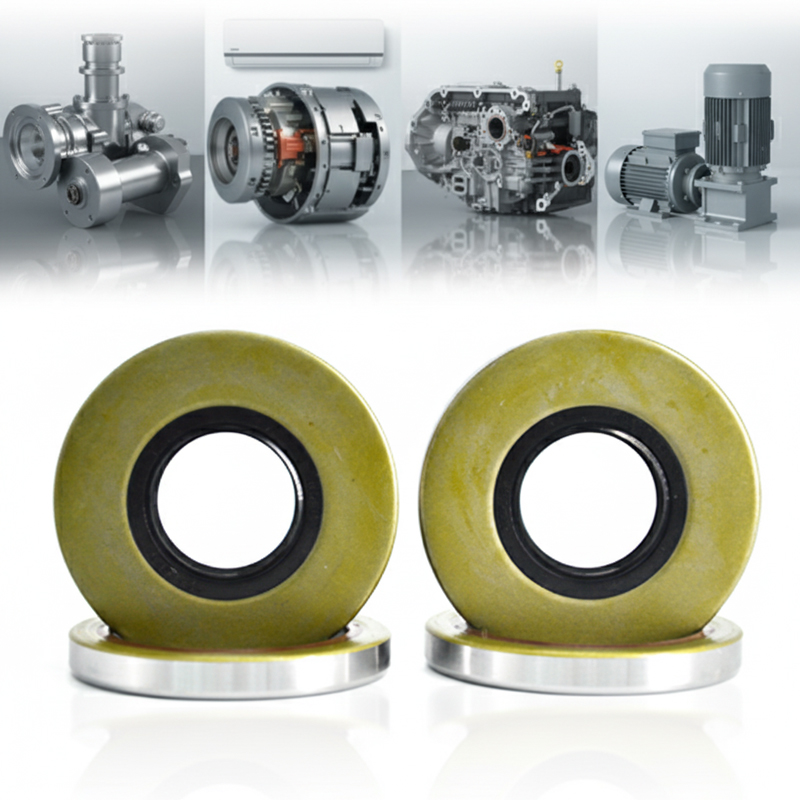
The radial shaft seal demonstrates remarkable versatility through its successful deployment across numerous industrial sectors, each presenting unique challenges and performance requirements that this sealing solution addresses effectively. Automotive applications represent a significant market segment where these seals protect transmission components, differential assemblies, and engine systems from fluid leakage while withstanding extreme temperature variations, high rotational speeds, and contaminated operating environments. Heavy machinery sectors including construction equipment, mining operations, and agricultural systems rely on radial shaft seal technology to maintain hydraulic system integrity despite exposure to abrasive particles, shock loads, and harsh outdoor conditions. Marine applications present particularly challenging environments where saltwater exposure, temperature cycling, and continuous operation demand exceptional corrosion resistance and sealing reliability that these specialized seals provide consistently. Aerospace industries utilize precision-manufactured radial shaft seals in critical applications where failure consequences are severe, requiring stringent quality standards, extensive testing protocols, and certified manufacturing processes. Food processing and pharmaceutical industries benefit from specialized seal compounds that meet regulatory requirements for direct food contact while providing effective contamination barriers in washdown environments. Chemical processing facilities depend on radial shaft seal chemical compatibility with aggressive media, temperature resistance, and long-term stability in corrosive atmospheres where seal failure could result in safety hazards or environmental incidents. Power generation equipment including turbines, generators, and auxiliary systems incorporates these seals to maintain lubrication system integrity and prevent contamination in critical rotating machinery. Manufacturing equipment across textile, paper, steel, and other industries relies on consistent sealing performance to maintain production efficiency and minimize unplanned maintenance interruptions. The adaptability extends to custom applications where specialized compounds, geometric modifications, or performance characteristics address unique customer requirements that standard products cannot satisfy. Technical support services help customers select optimal seal configurations, specify proper installation procedures, and troubleshoot performance issues to maximize equipment reliability and operational efficiency across these diverse application environments.

Get a Free Quote

Our representative will contact you soon.
Email
Telephone
Name
Company Name
Message
0/1000